
Animal Sculptures
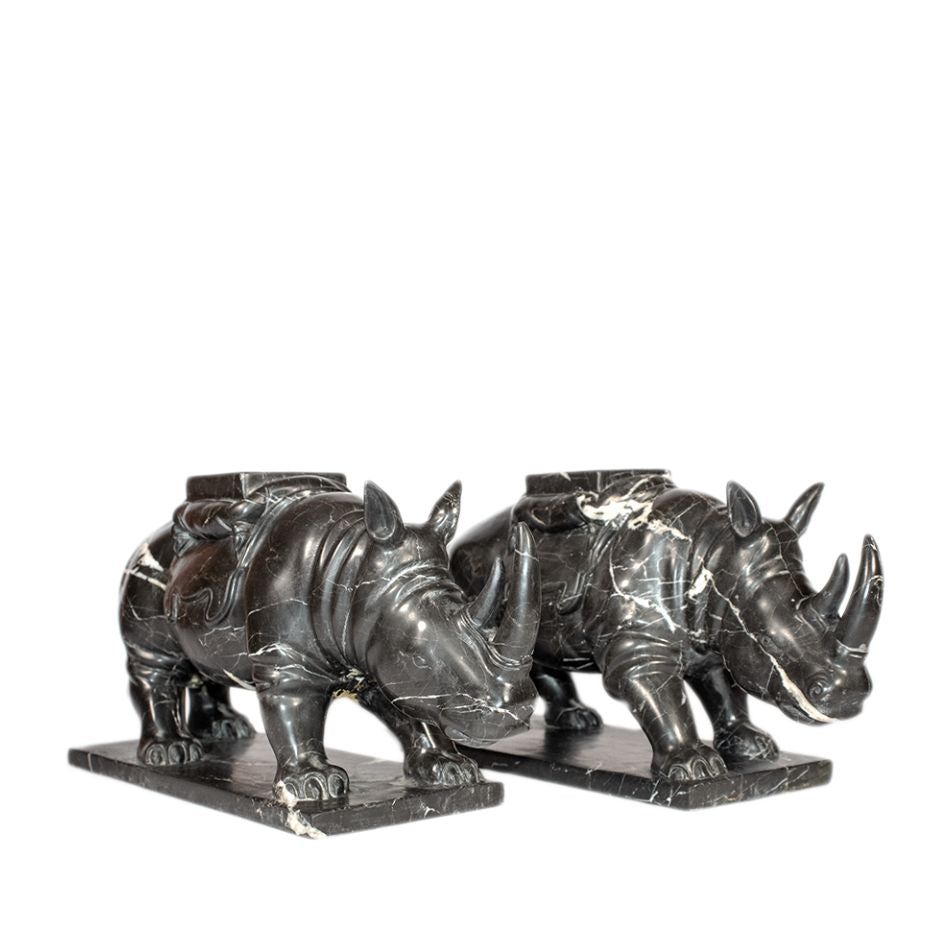
Animal sculptures in lost-wax bronze and hand-carved marble: prowling, walking and seated panthers, bronze lions after Canova, a cheetah at full stretch, Art Deco horses and cats, playing bears, a hamadryas baboon, a young deer, a marble lion, rhinoceroses and centaurs, and bookends with elephants, lions or parrots. All are new works in the tradition of the great animaliers; each product page gives dimensions and price.
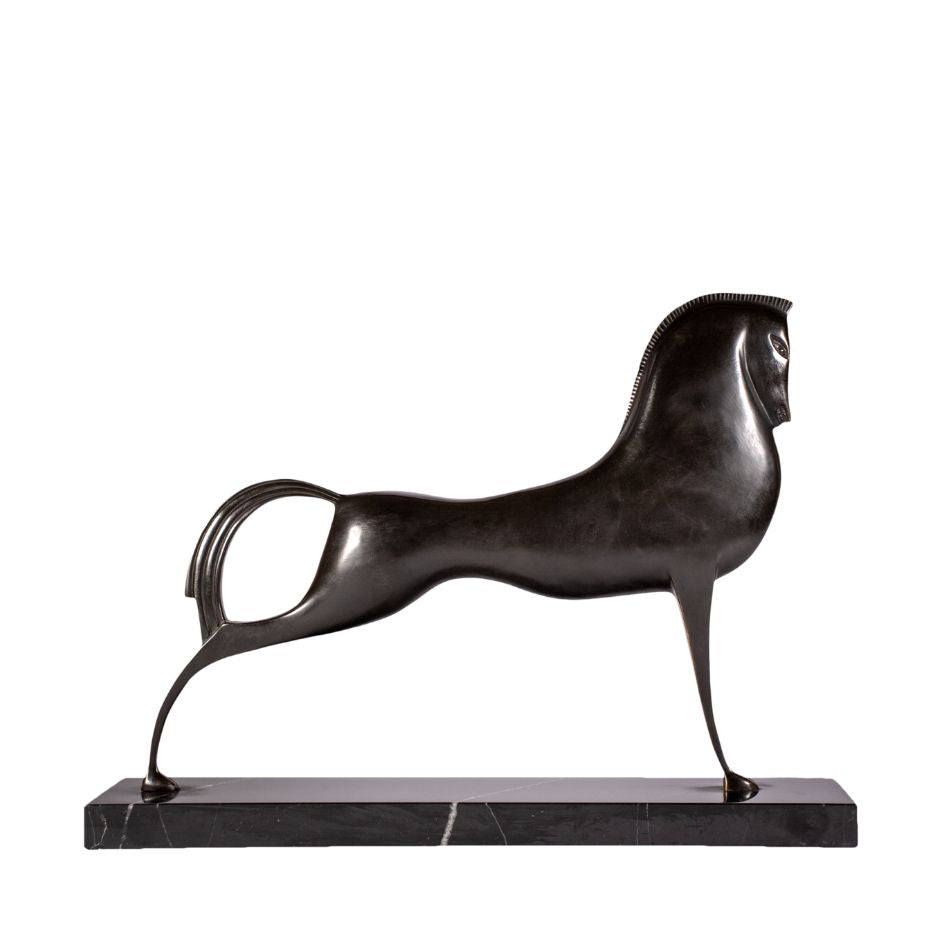
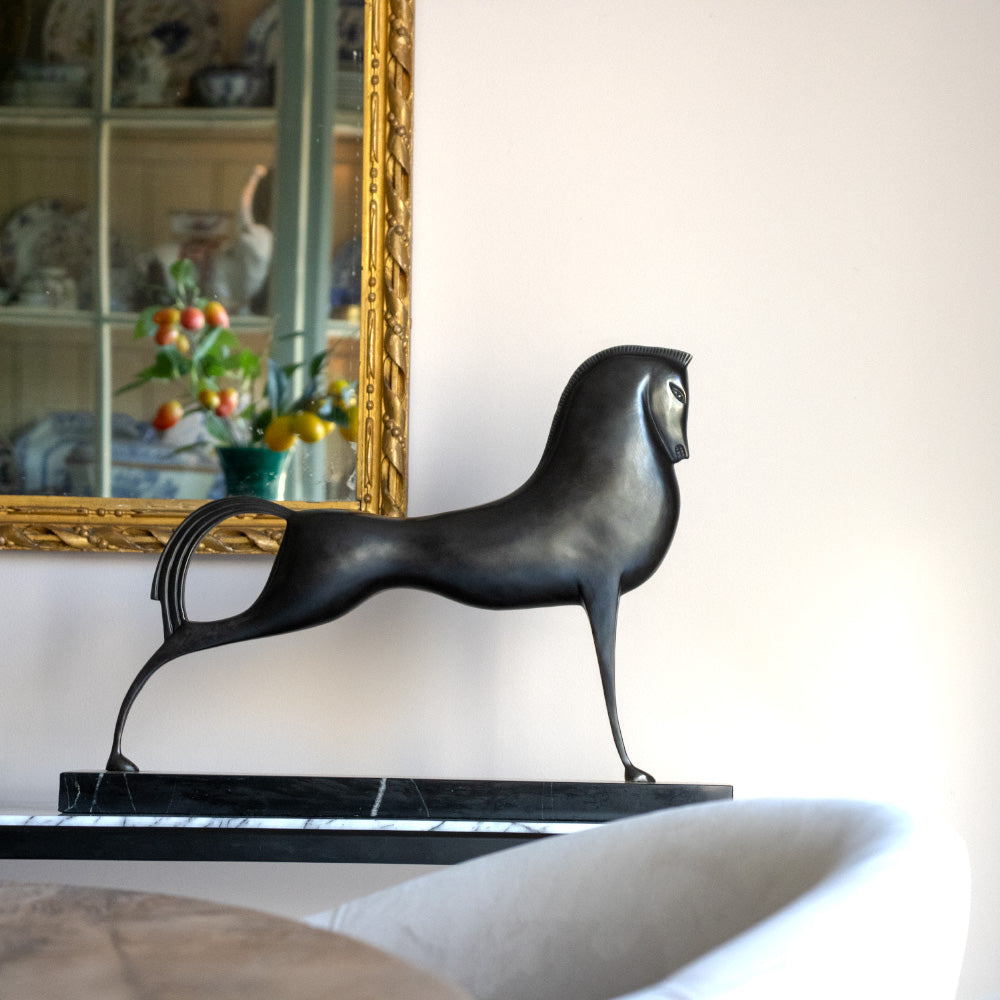
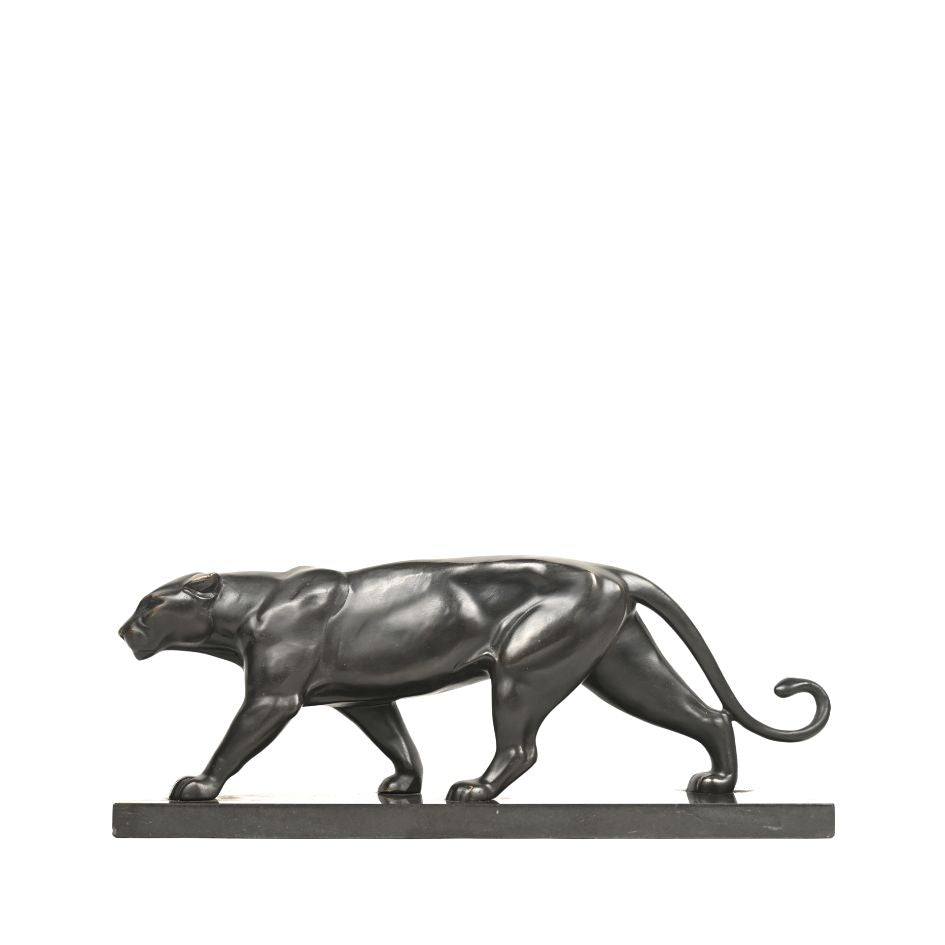
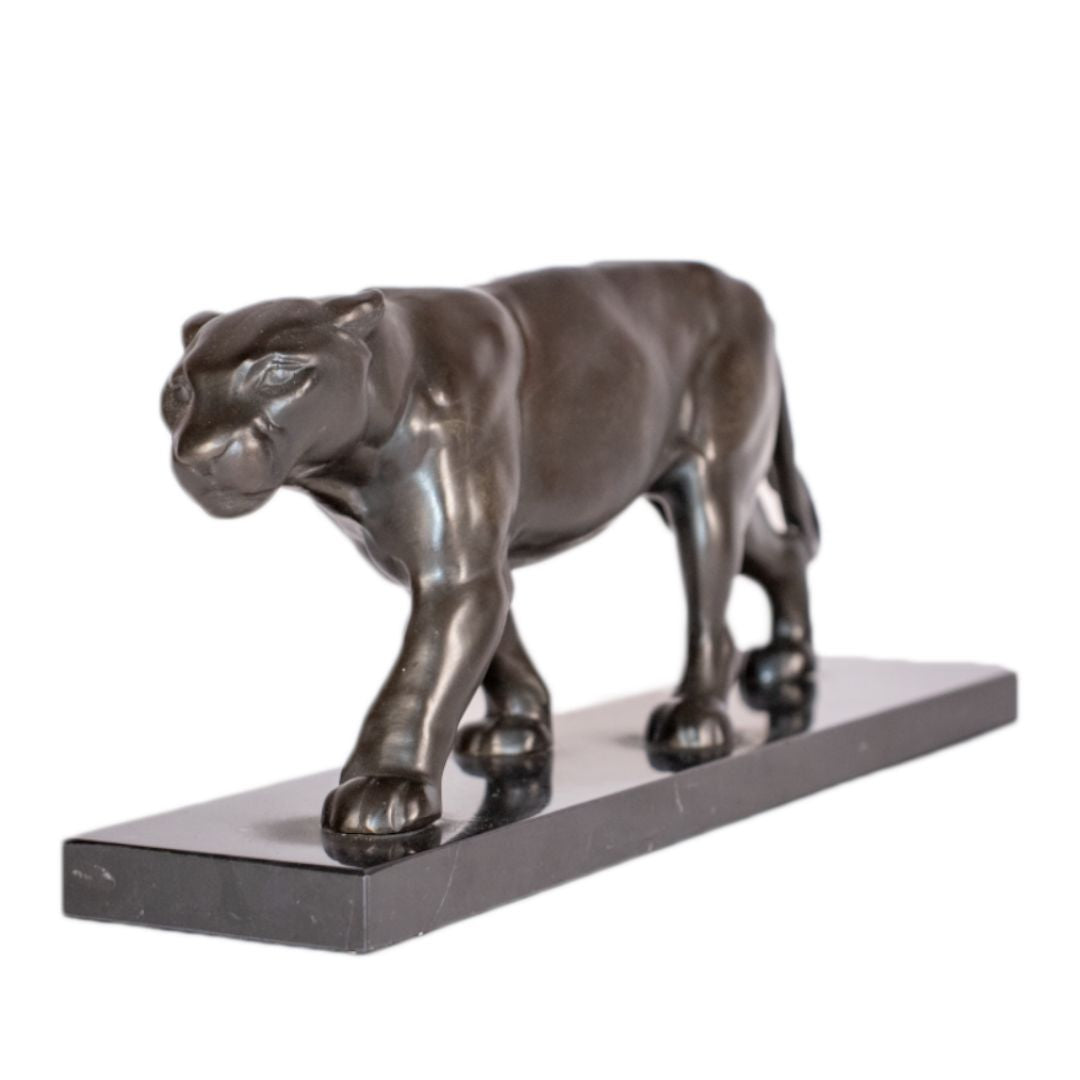
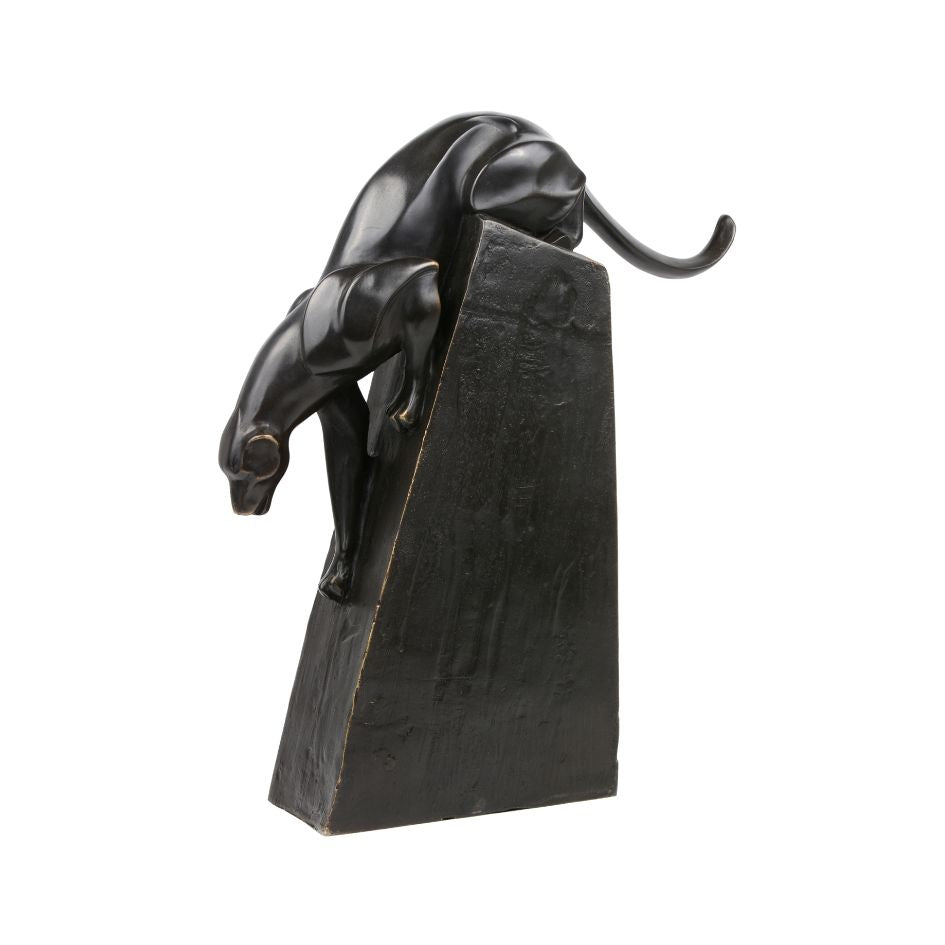
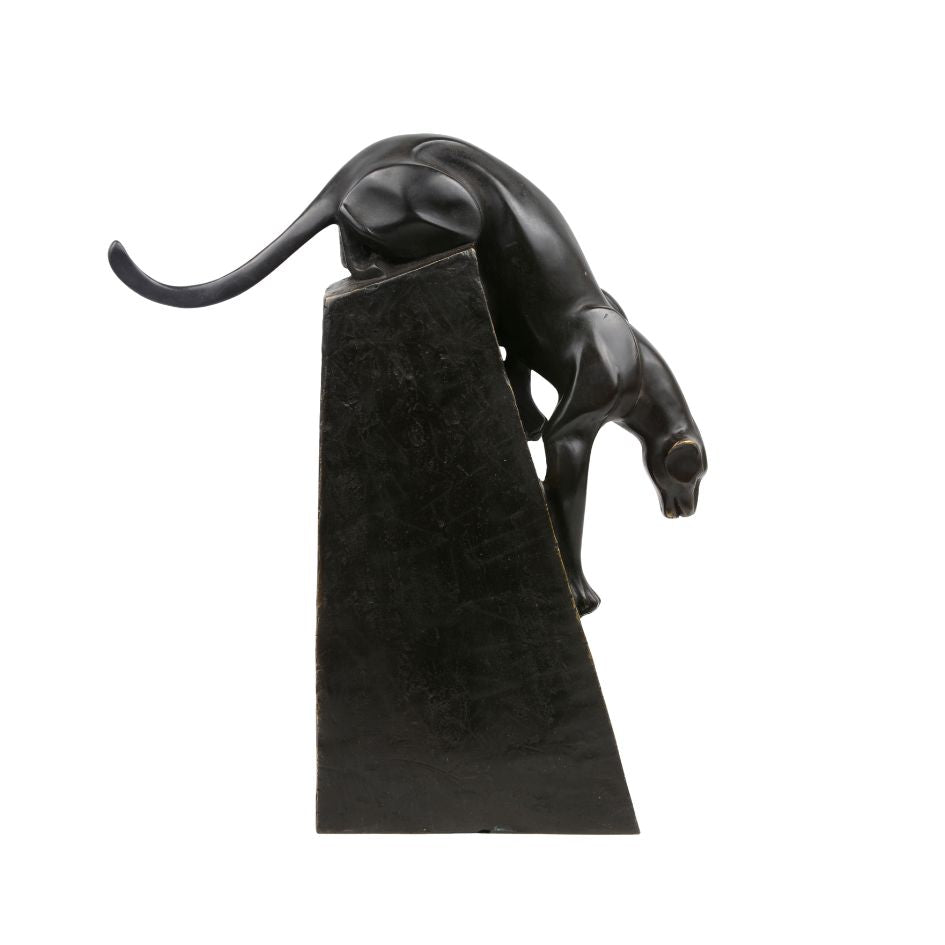
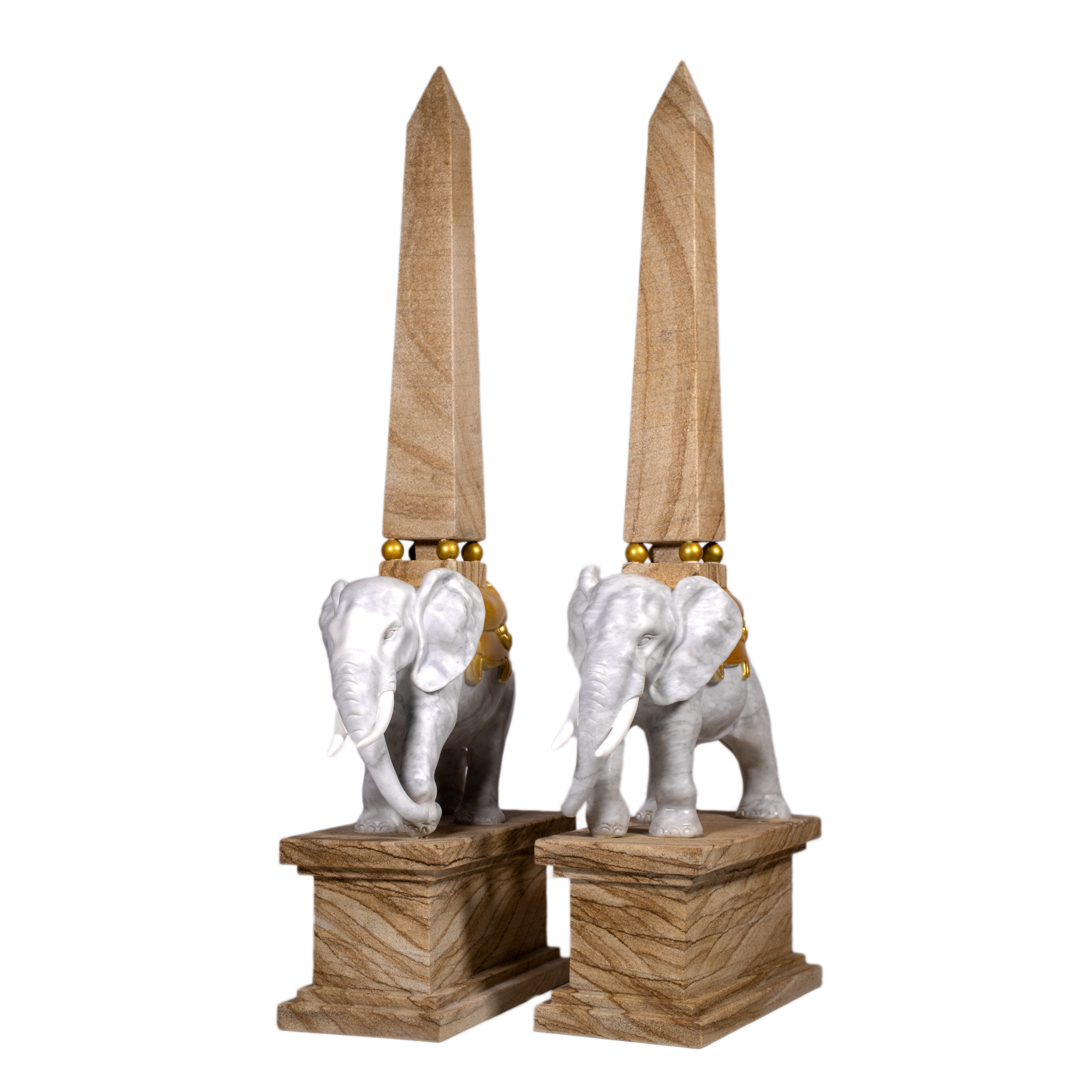
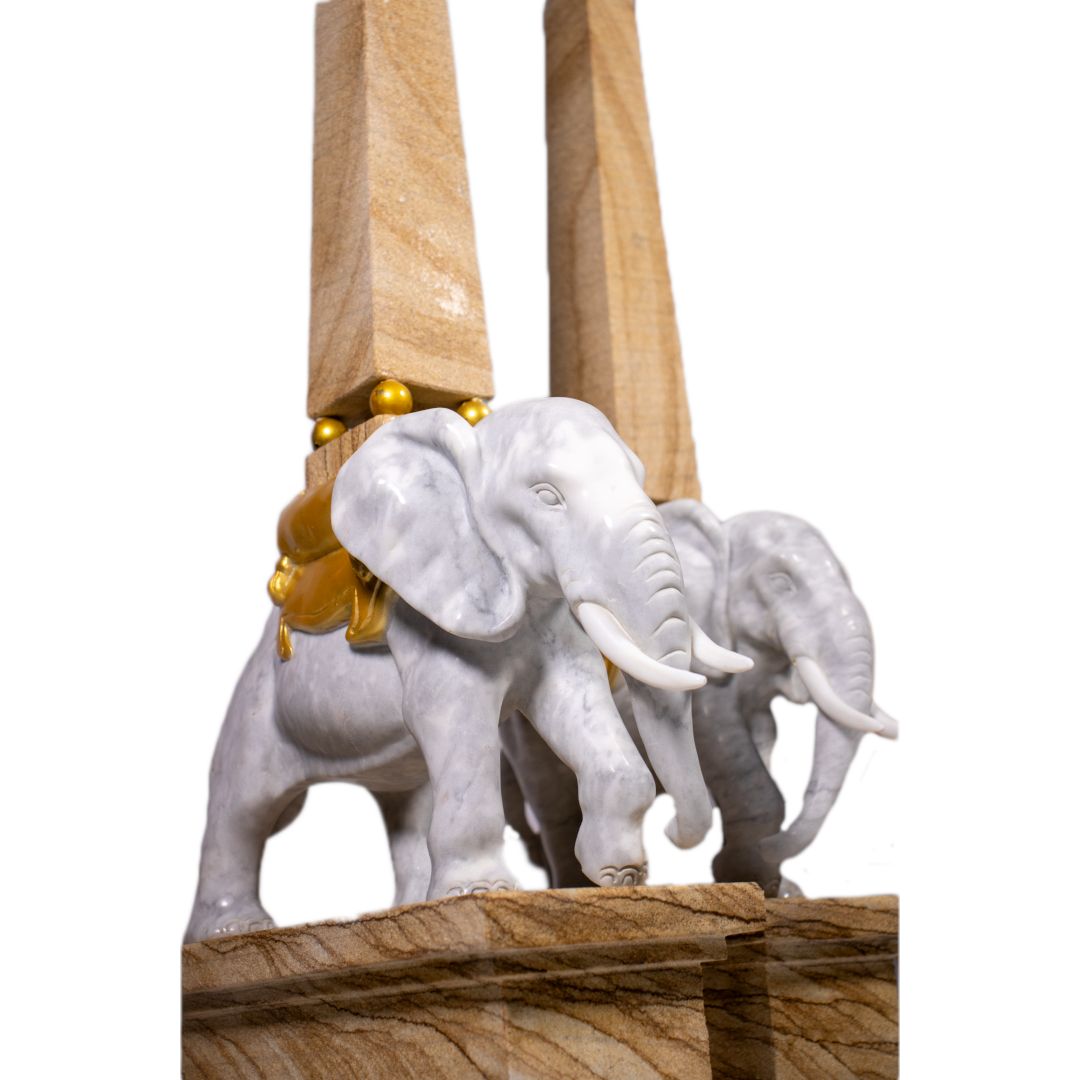
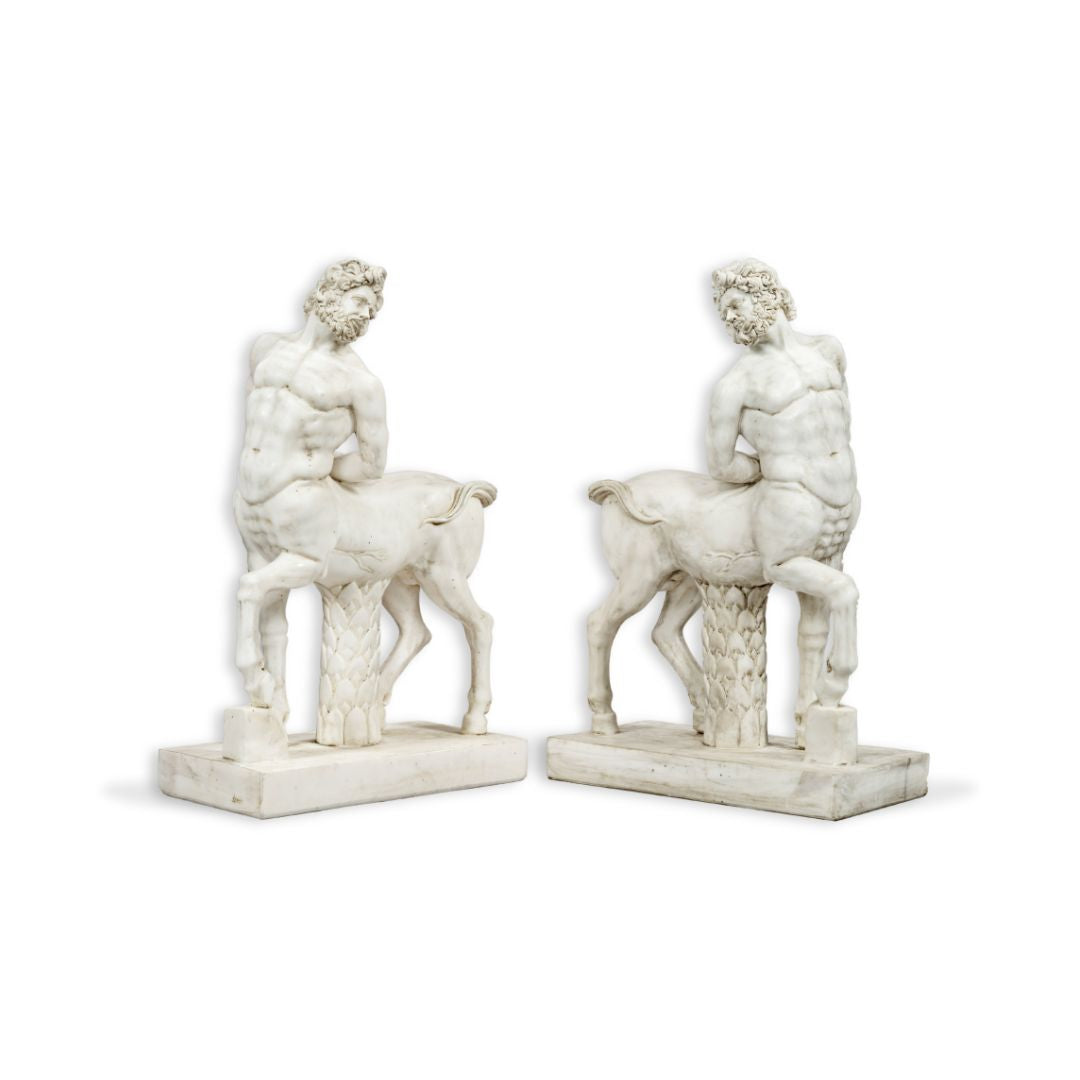
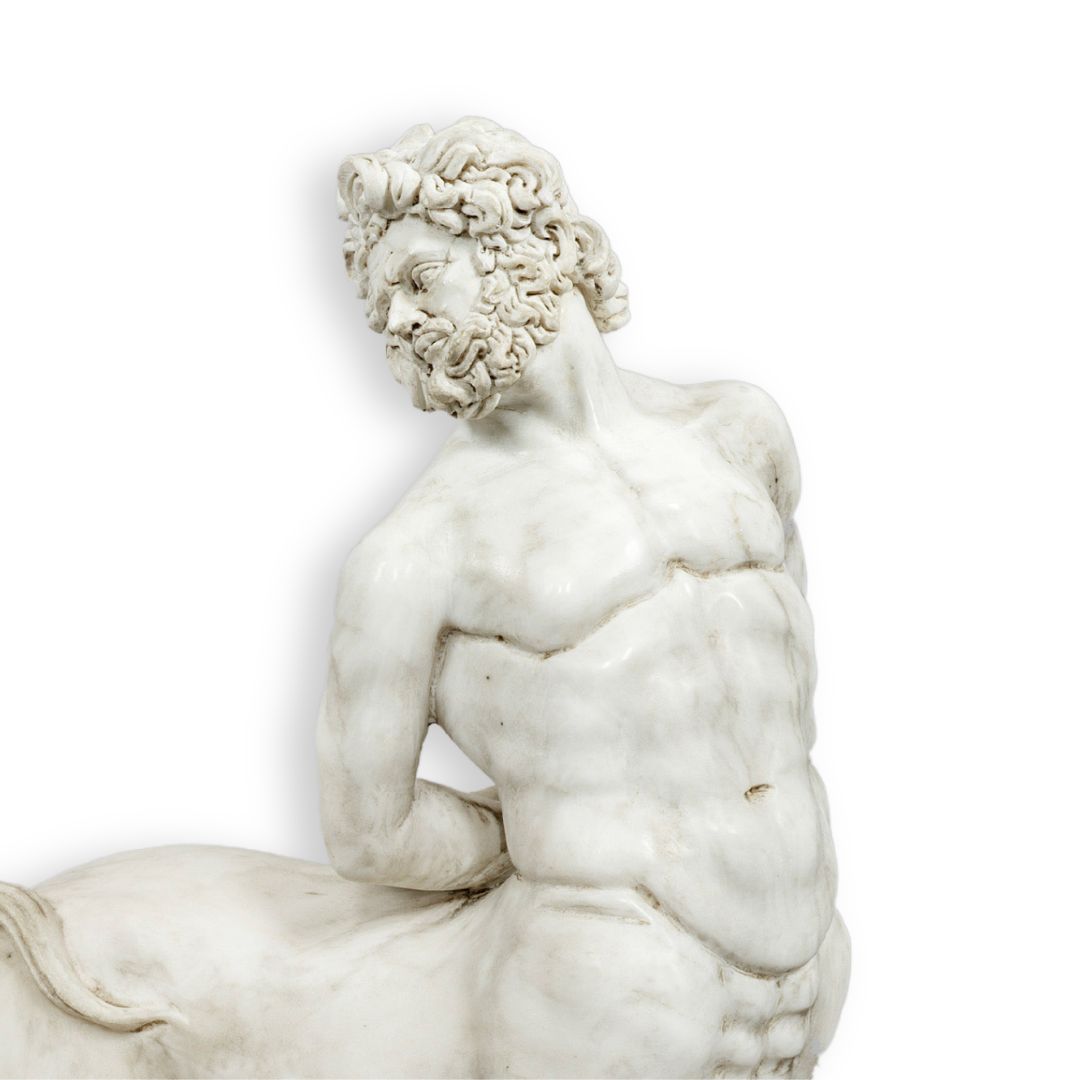
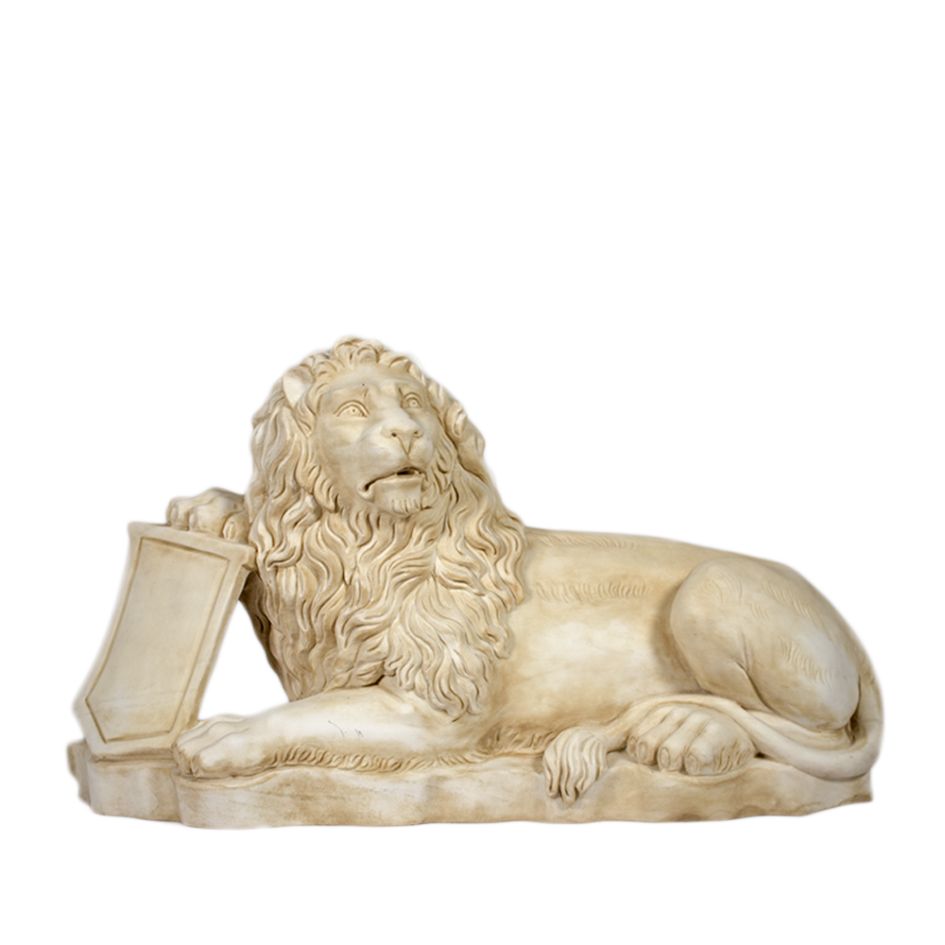
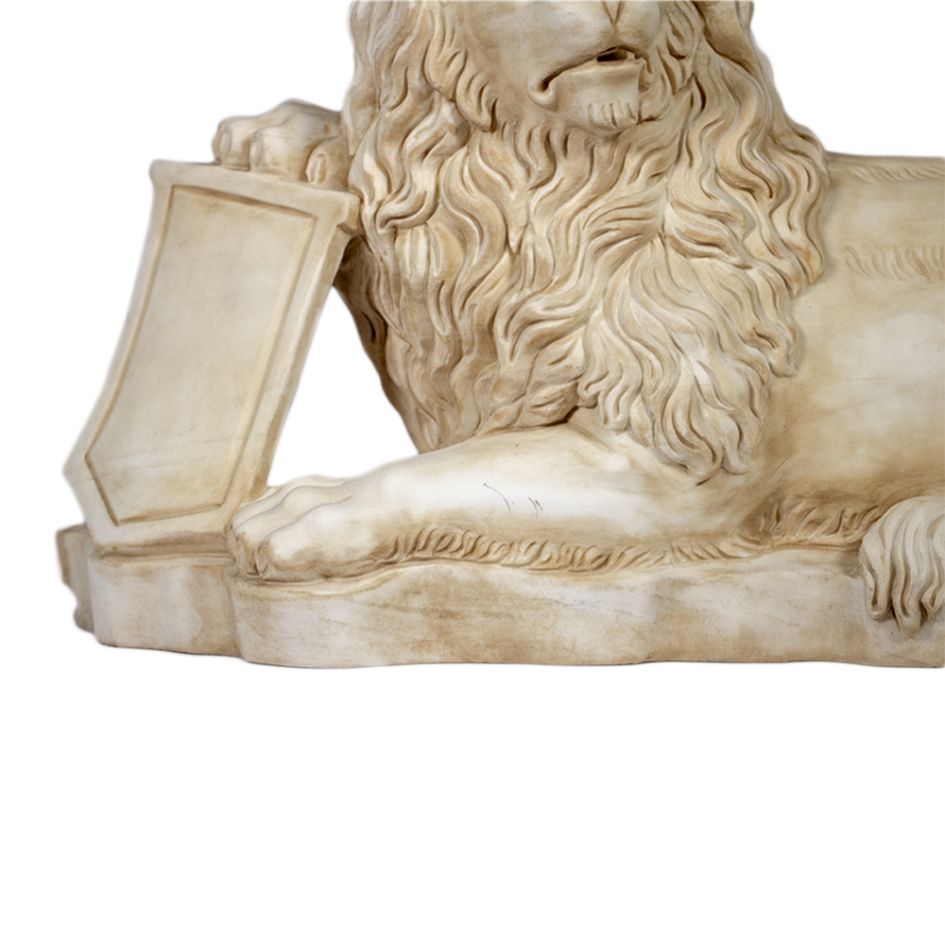
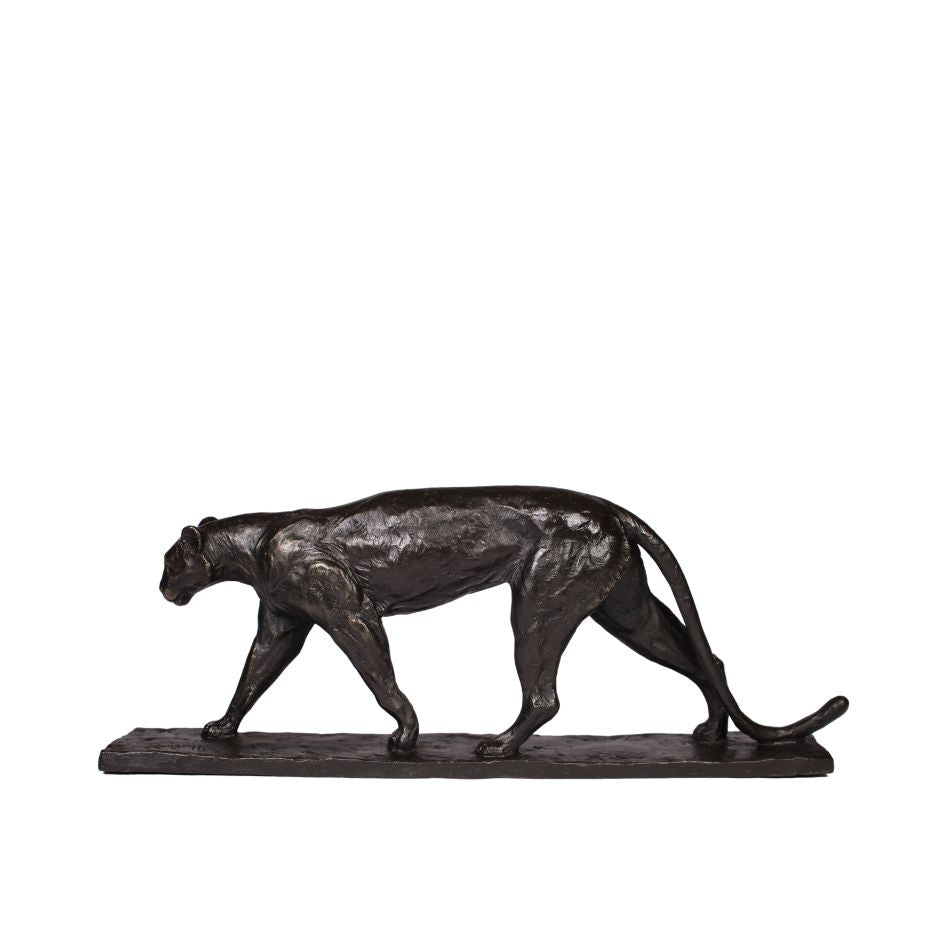
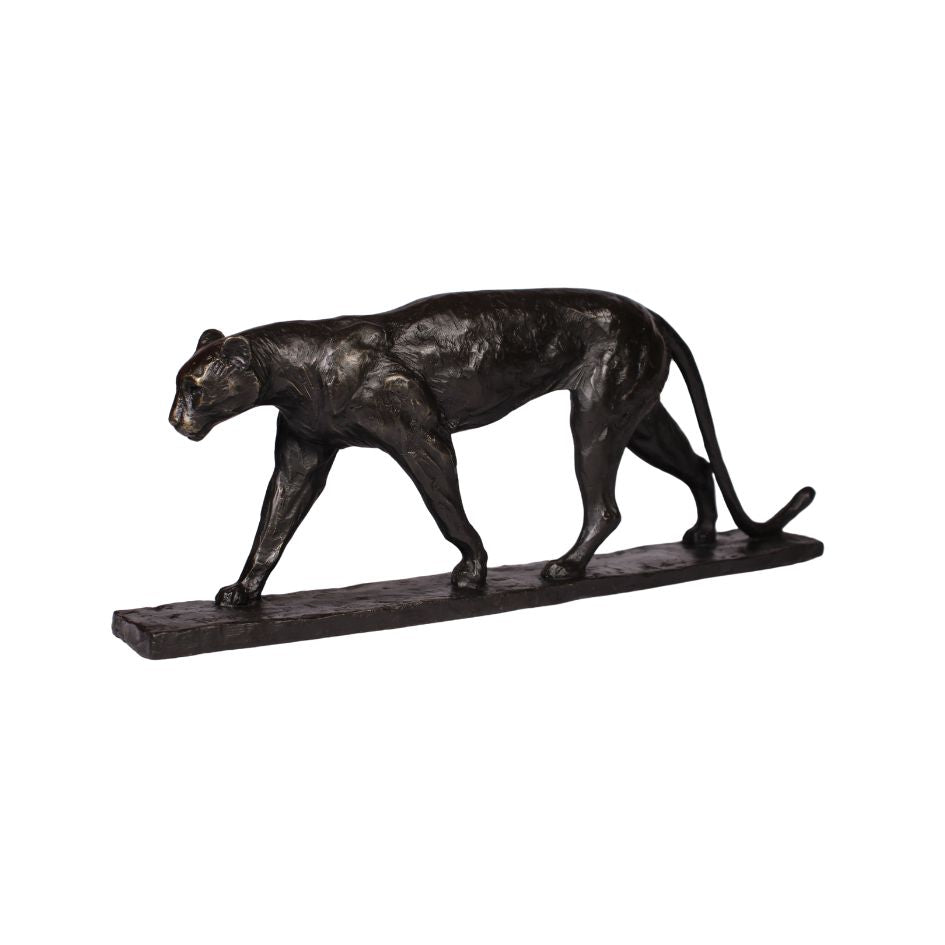
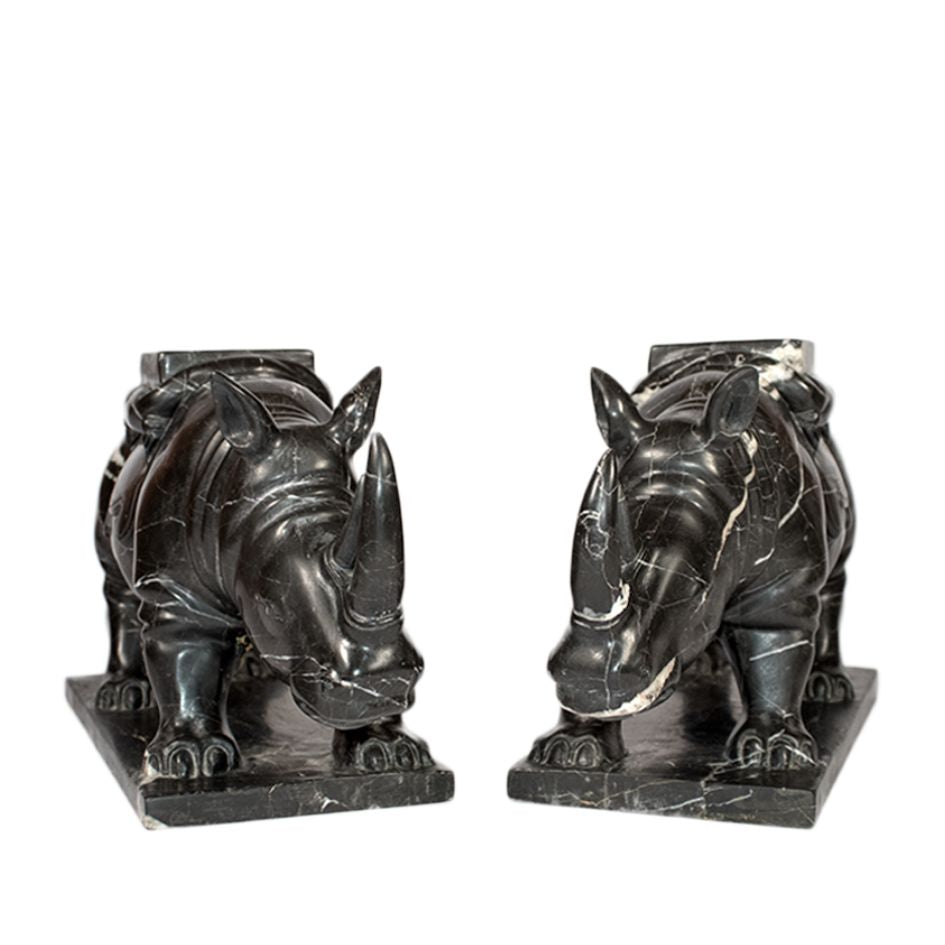
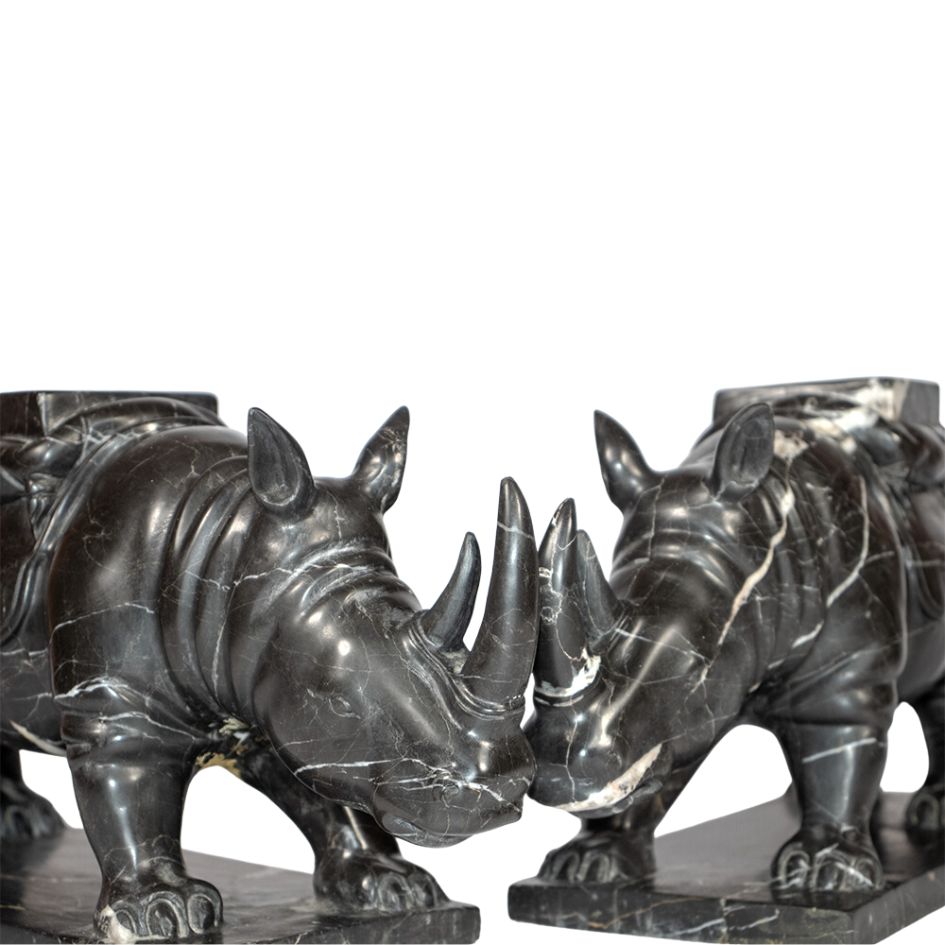
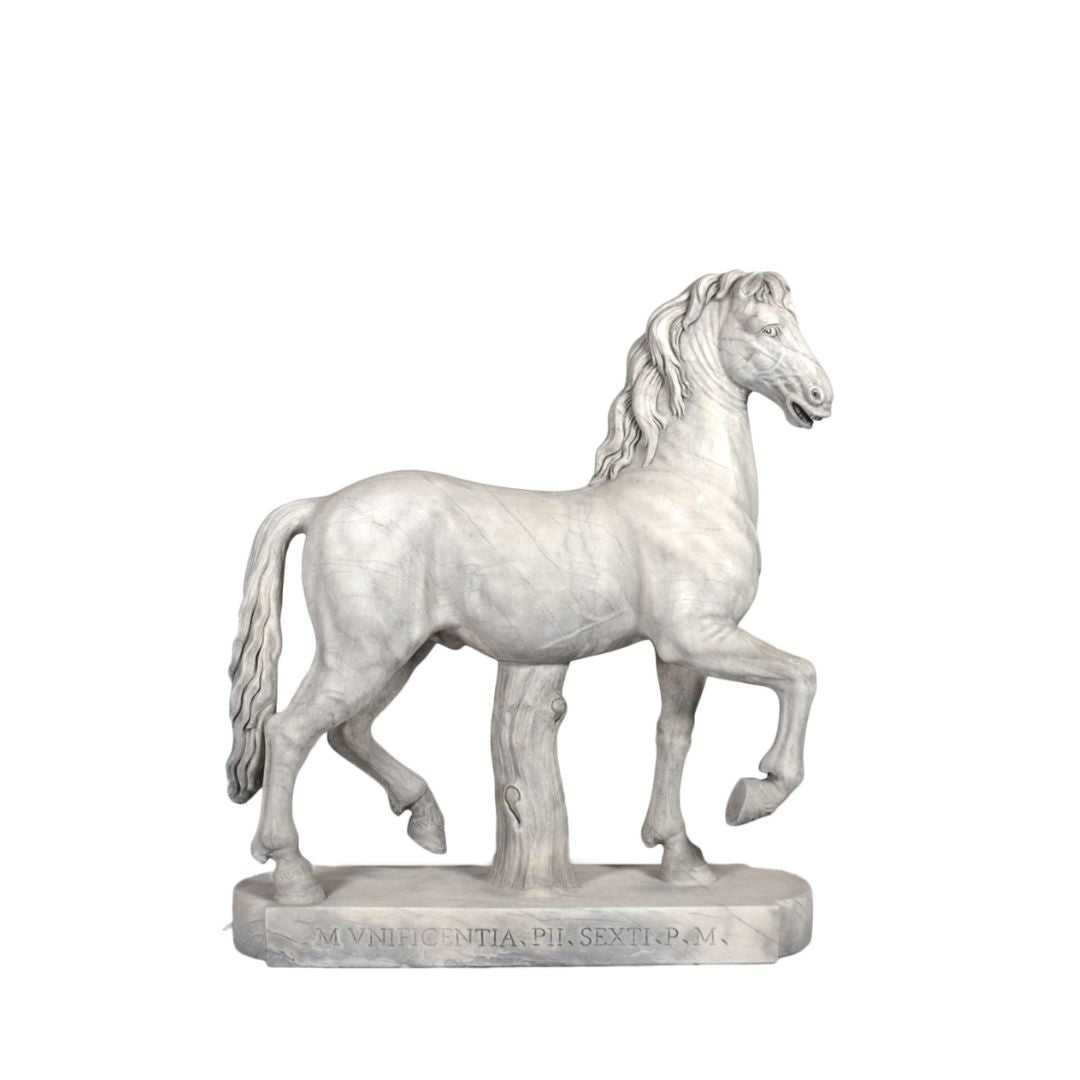

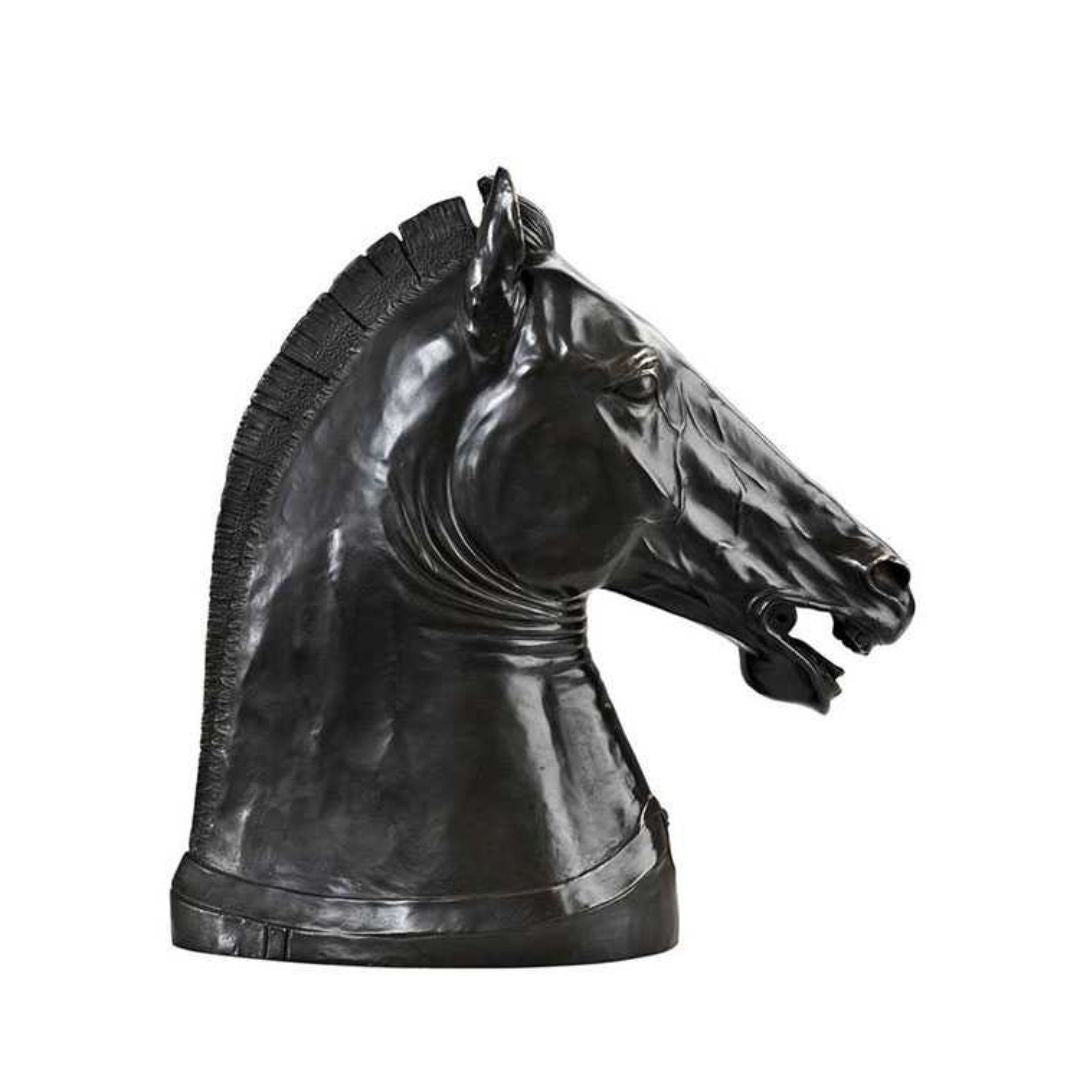
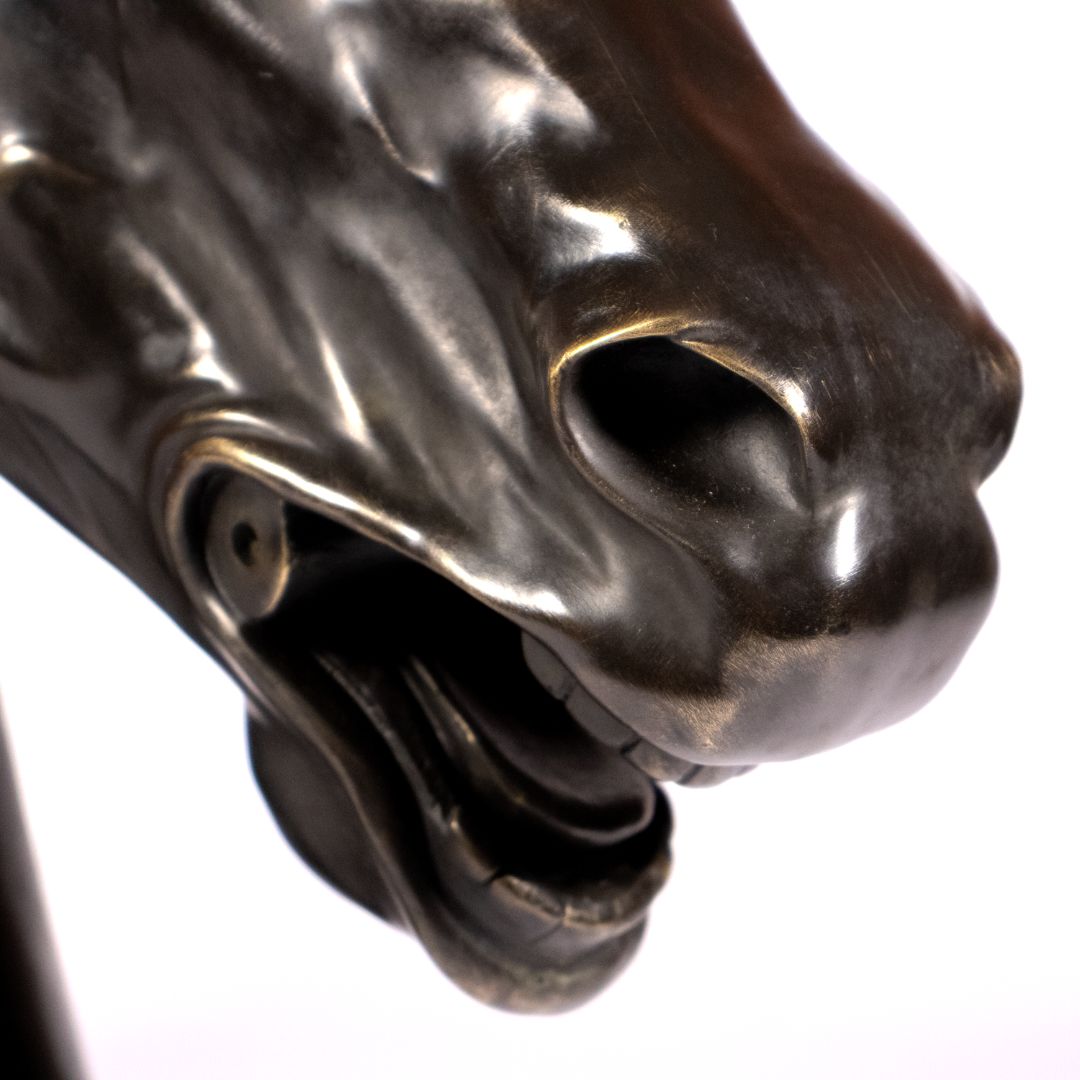
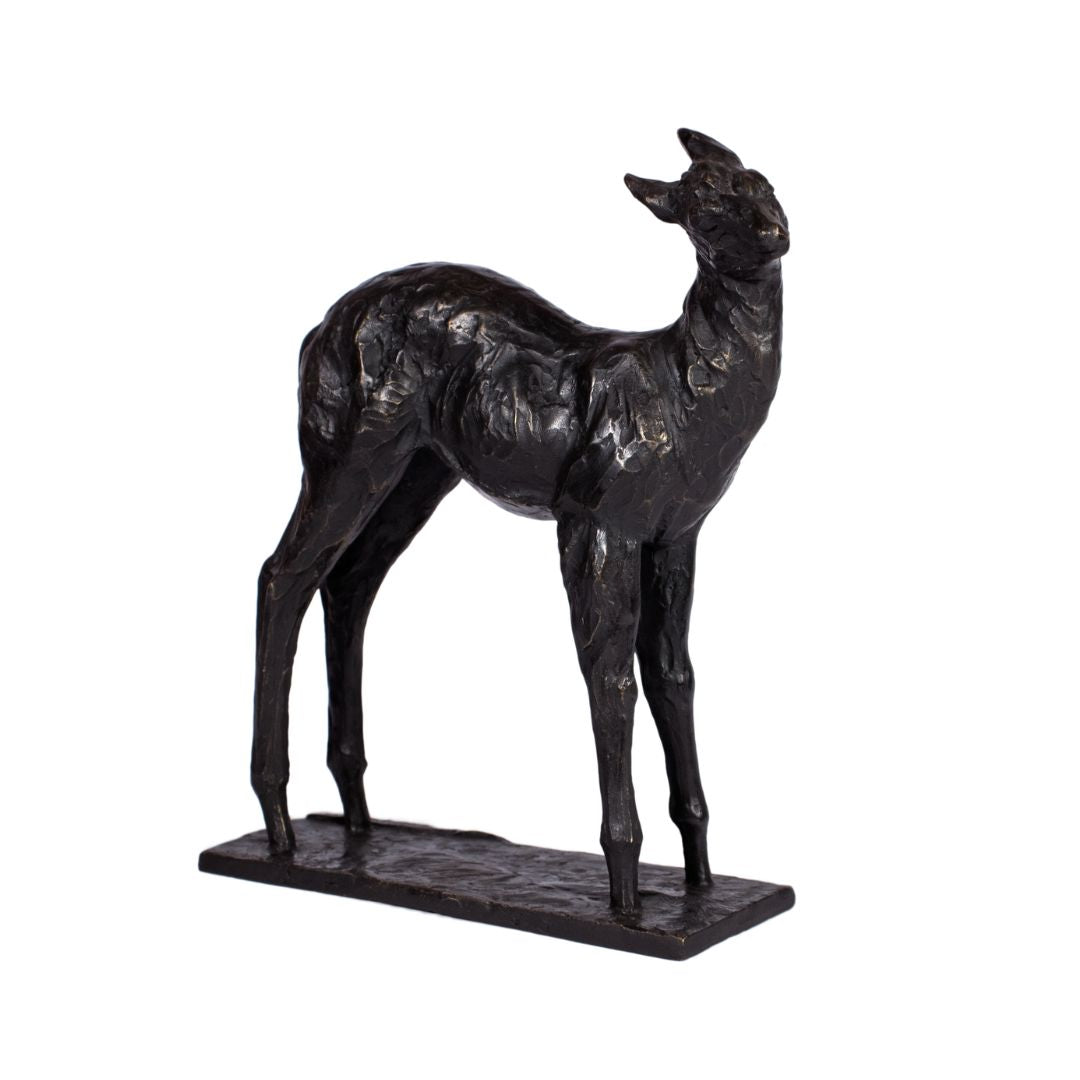

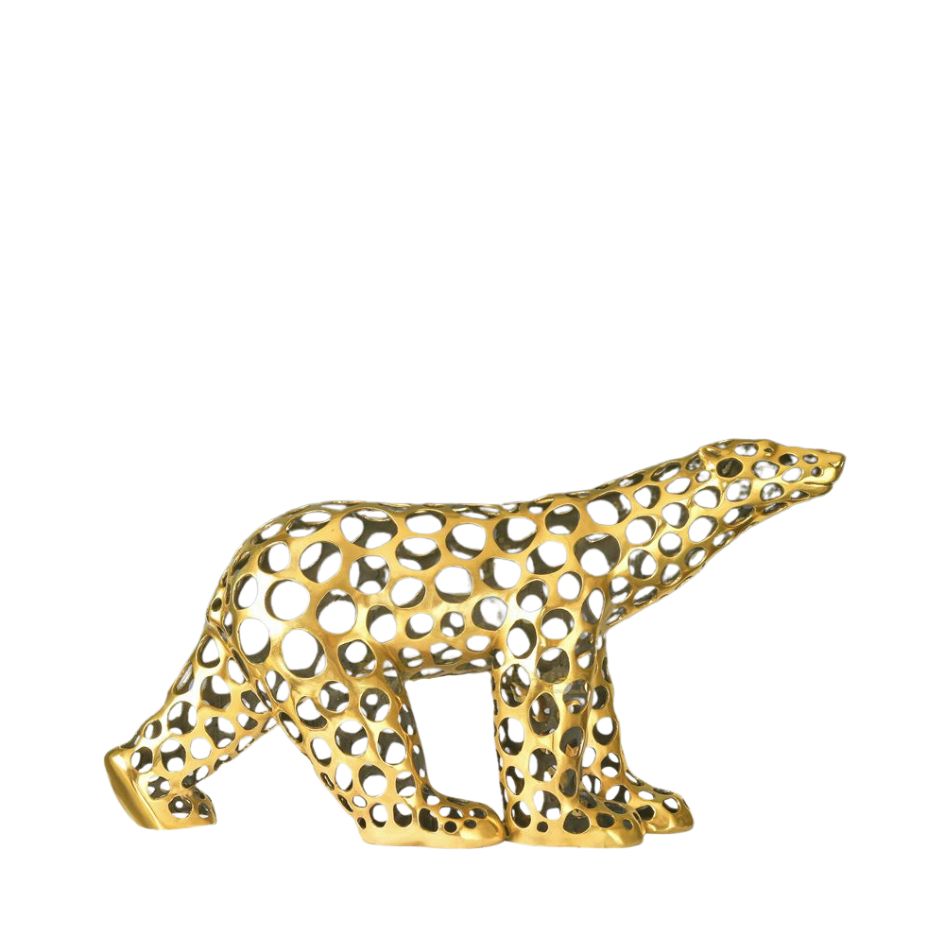

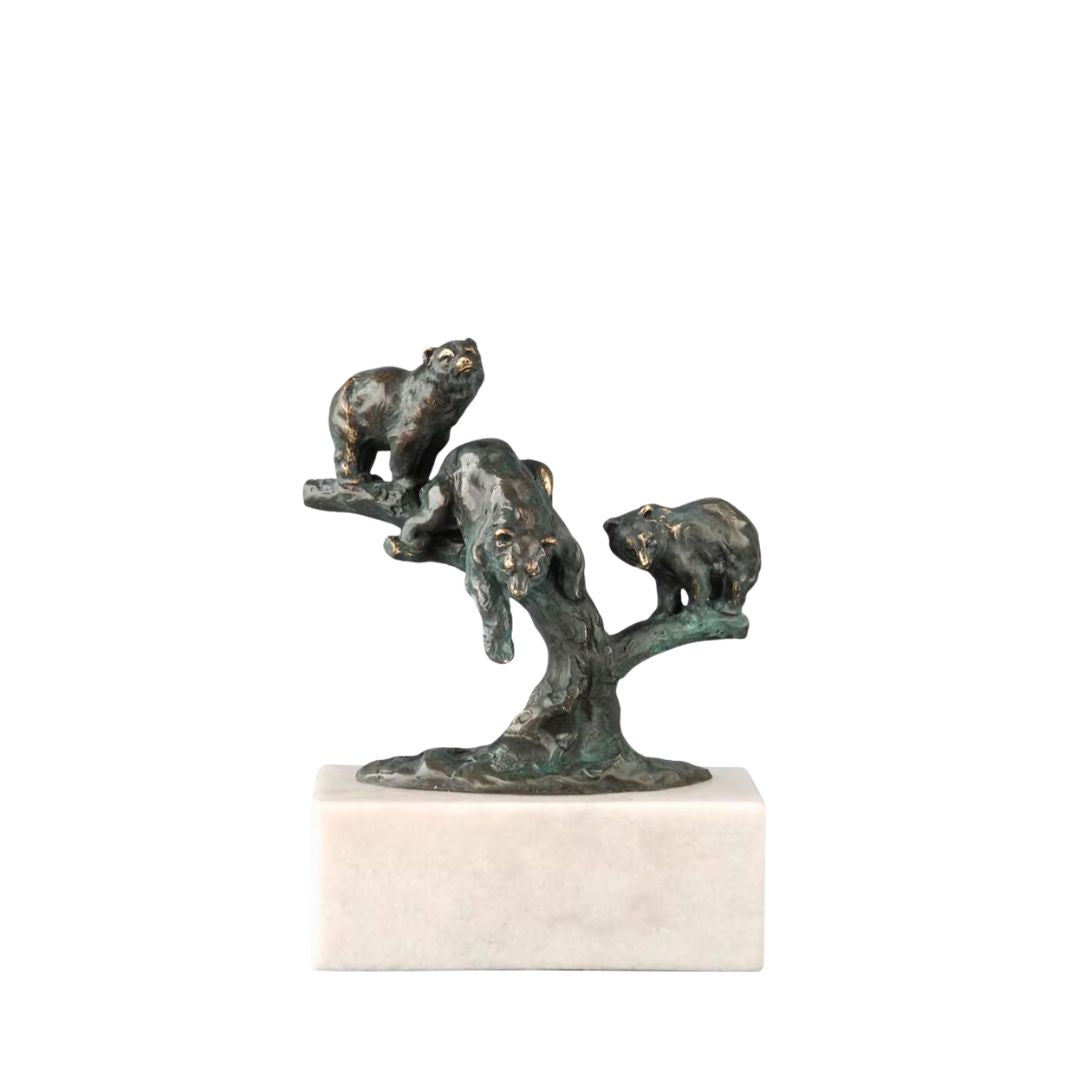
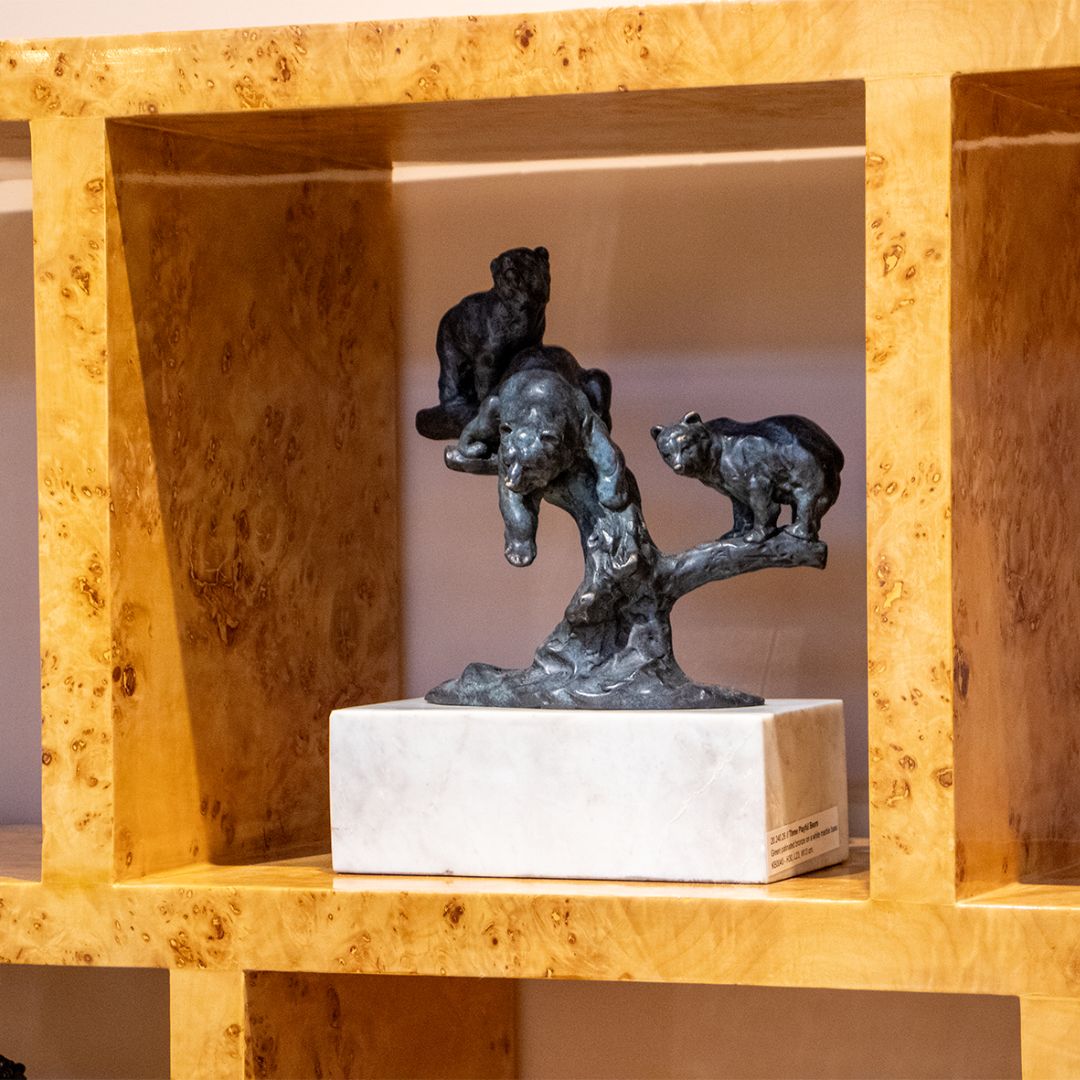
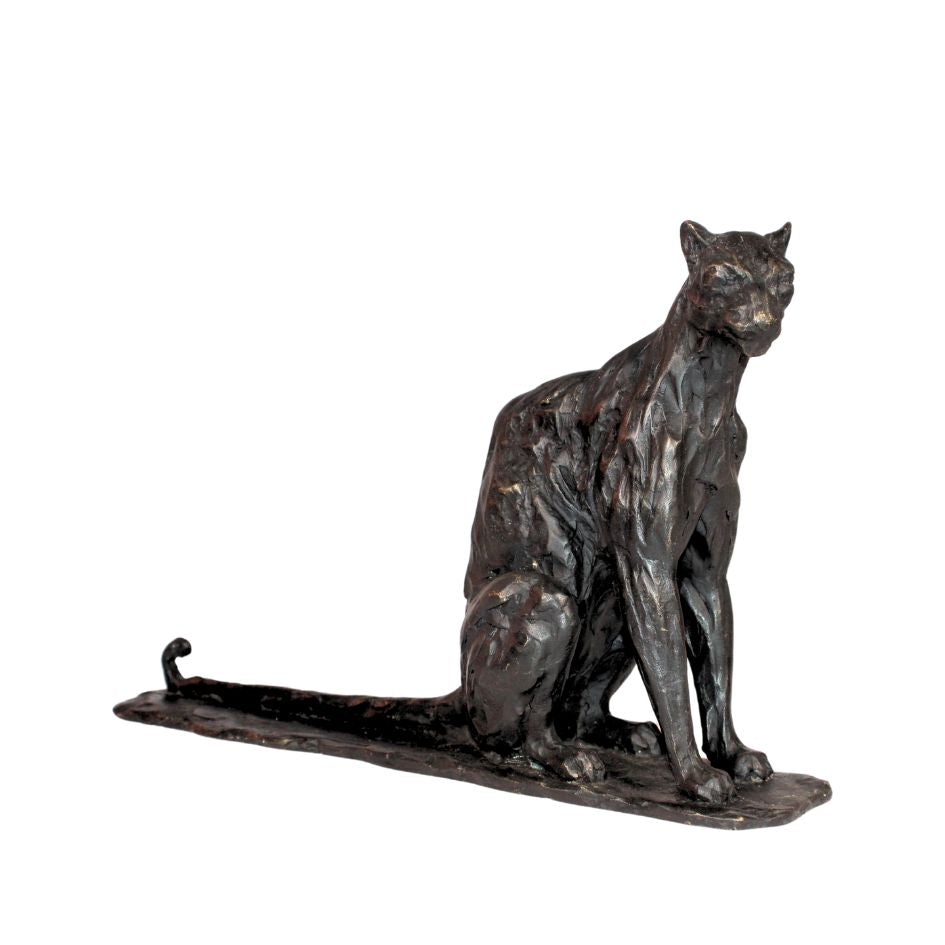
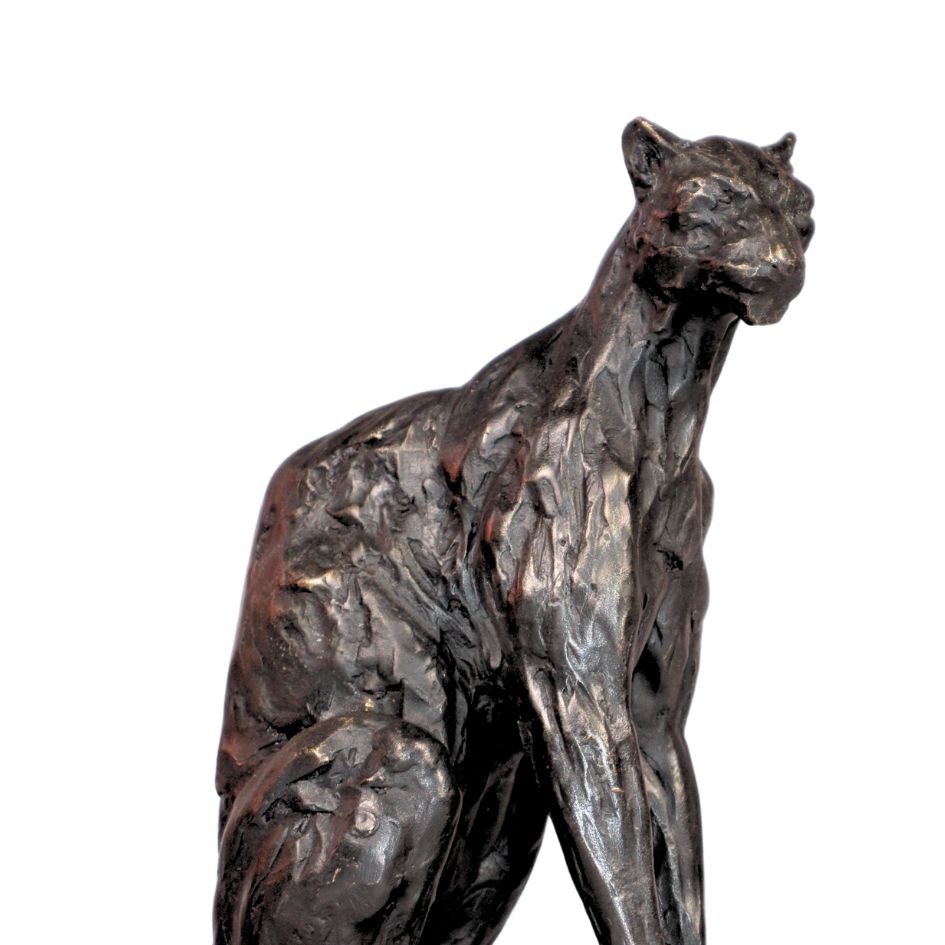
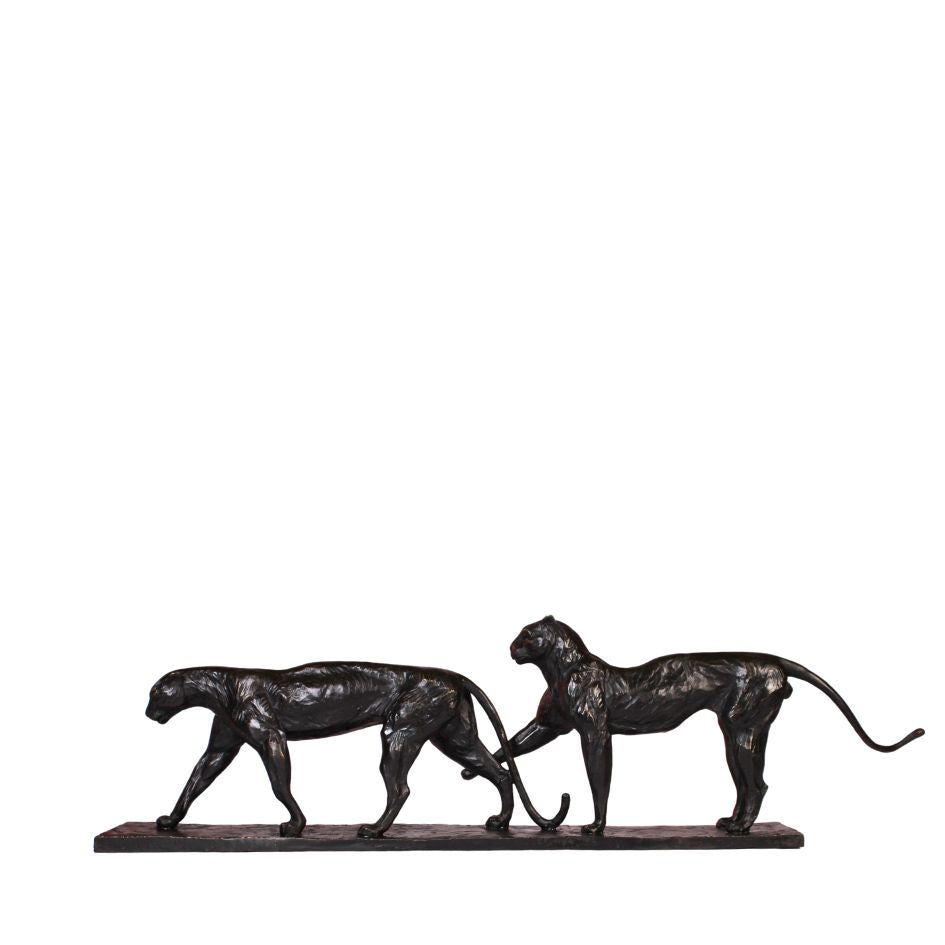
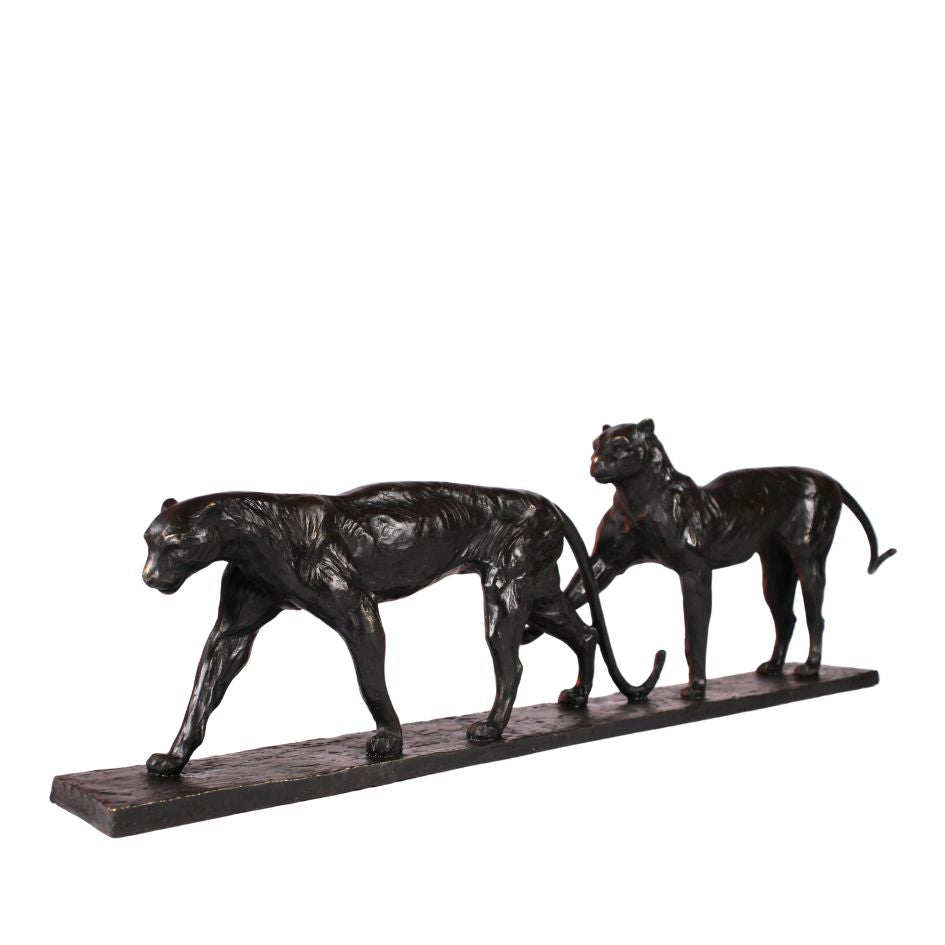
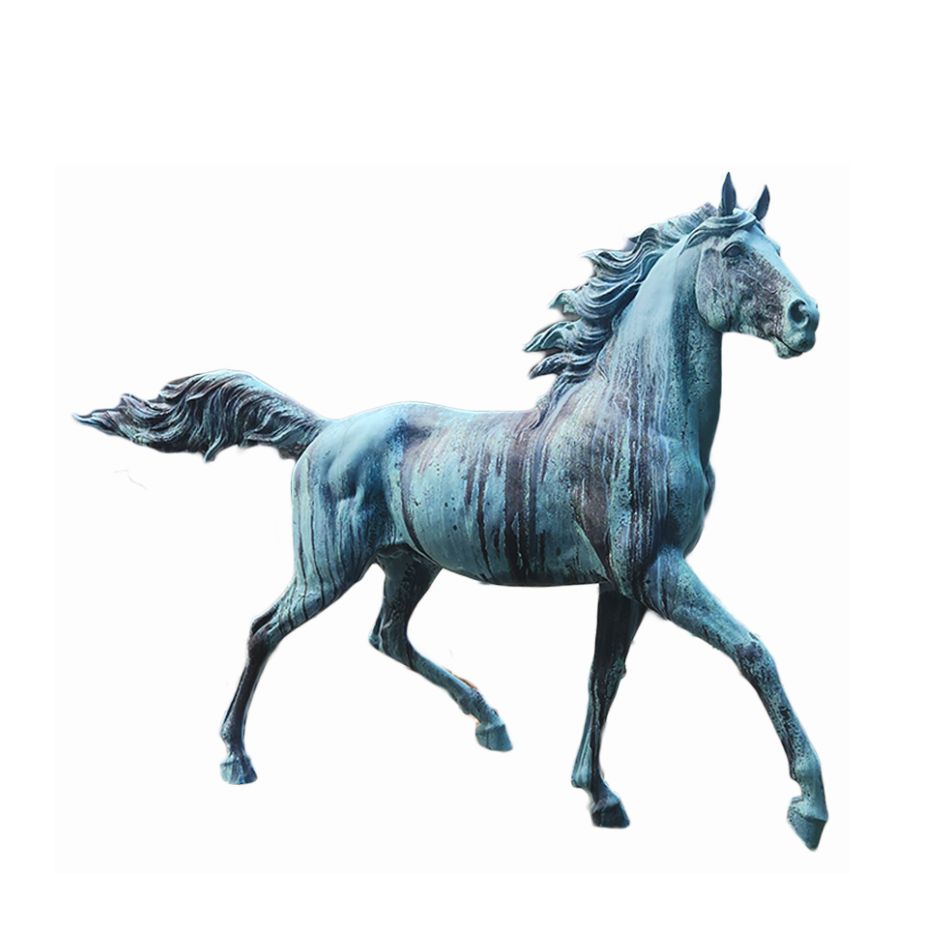
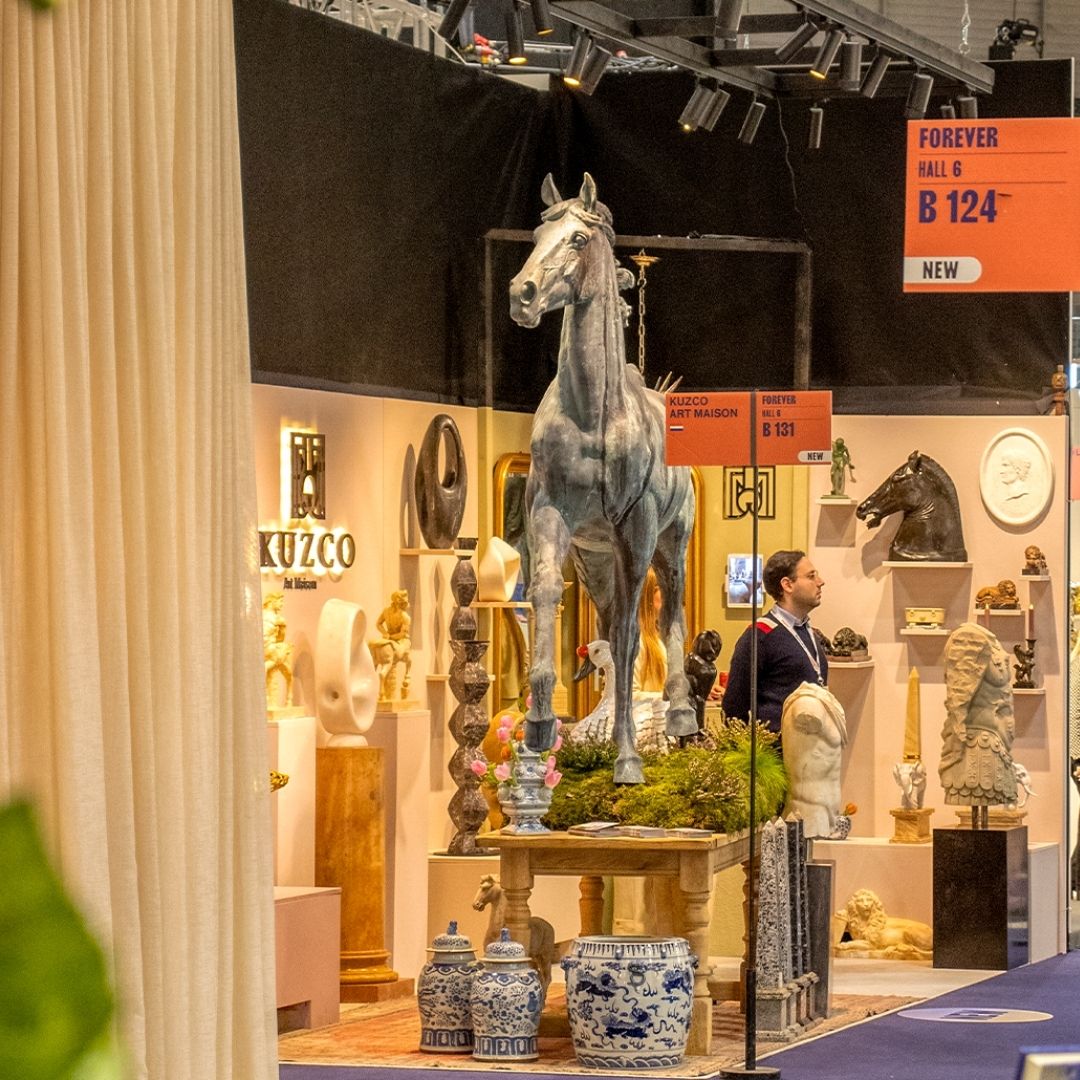
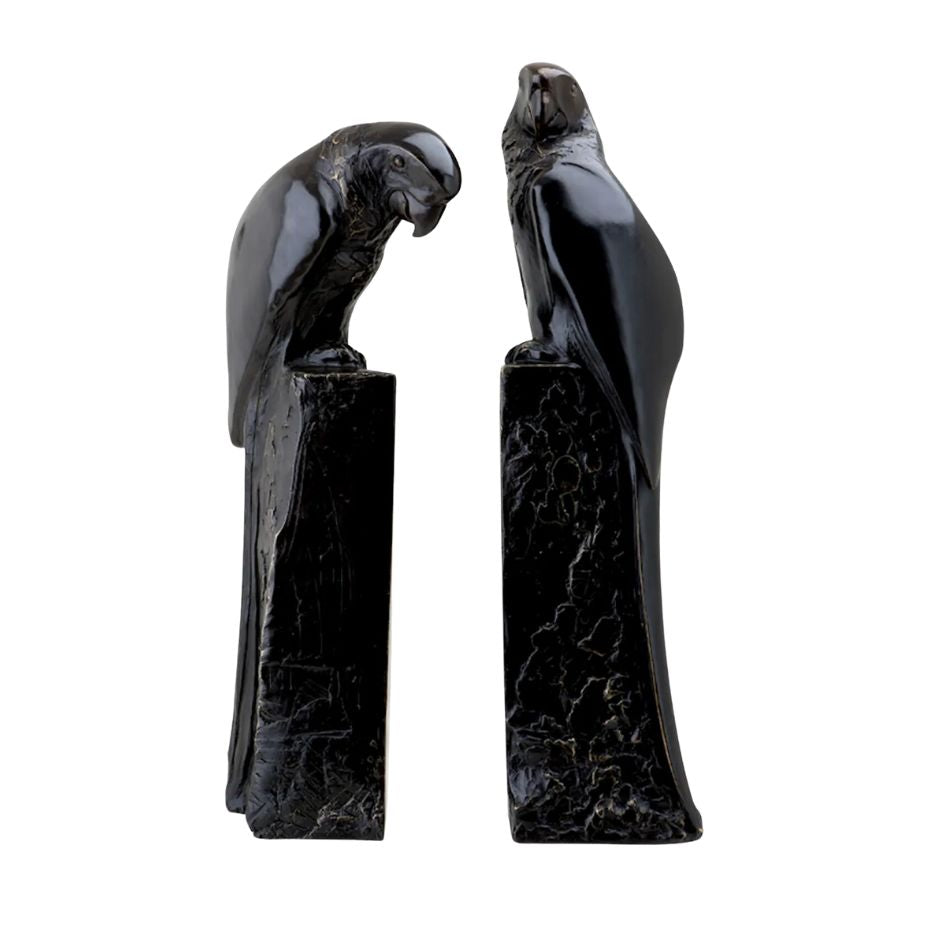
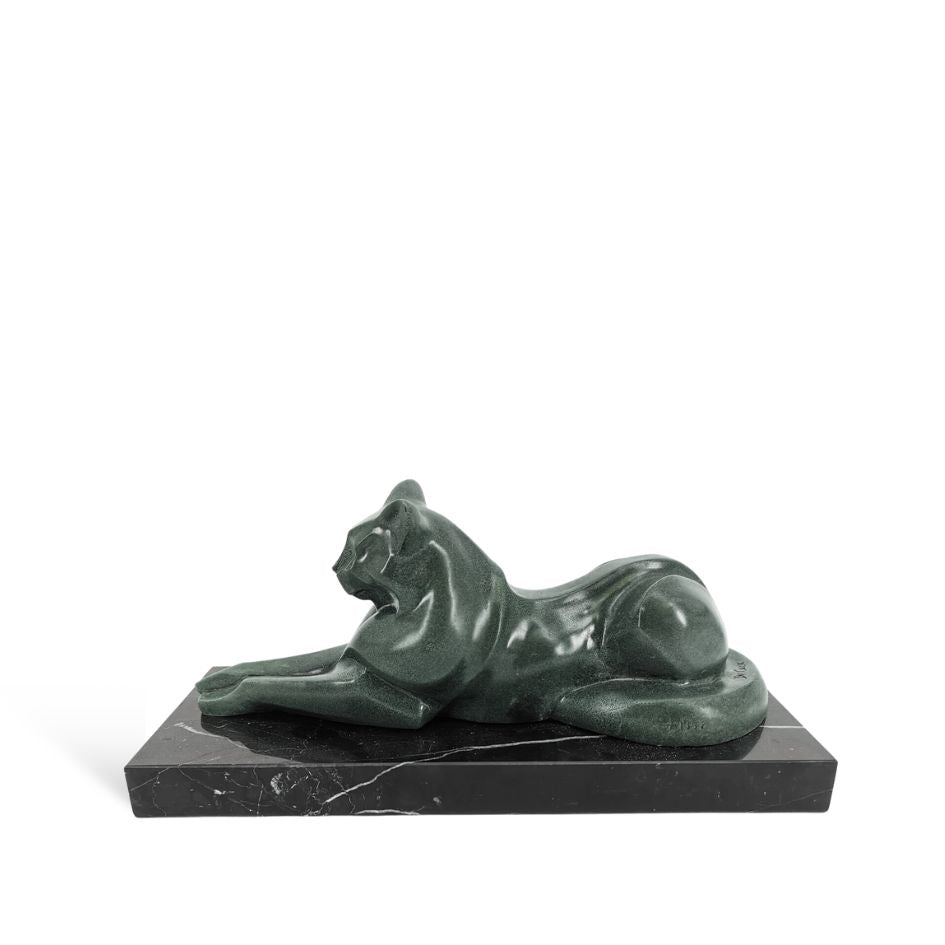
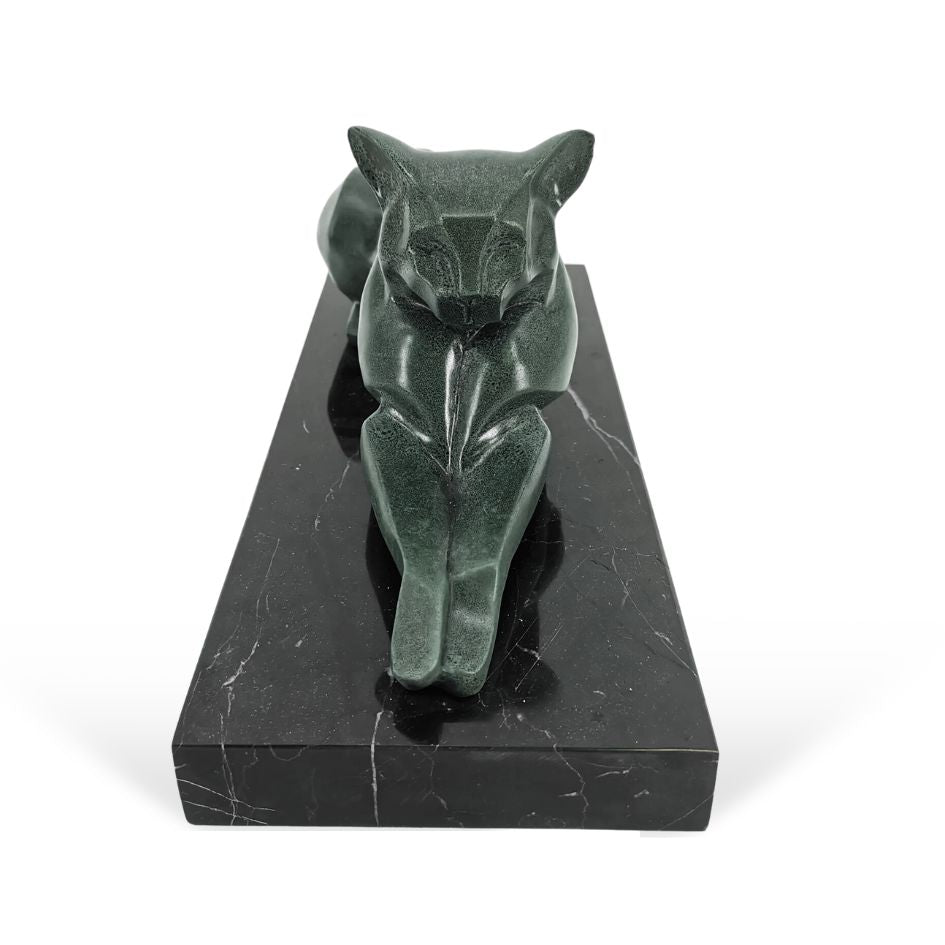
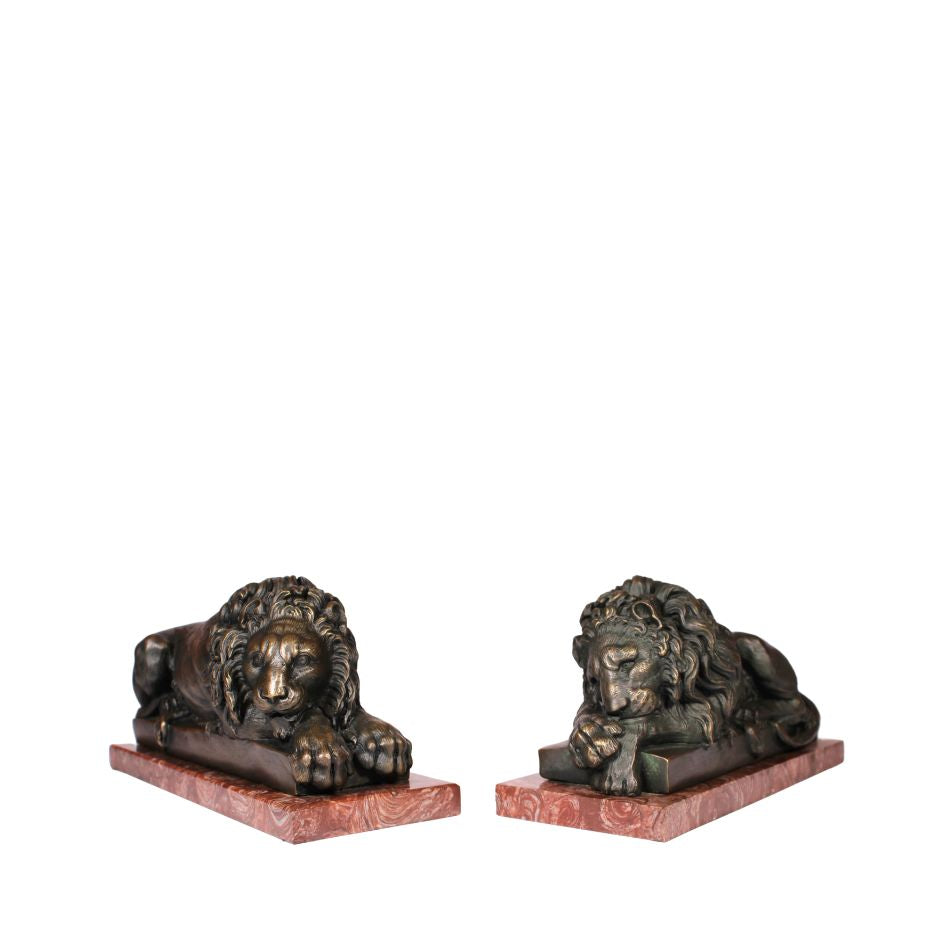
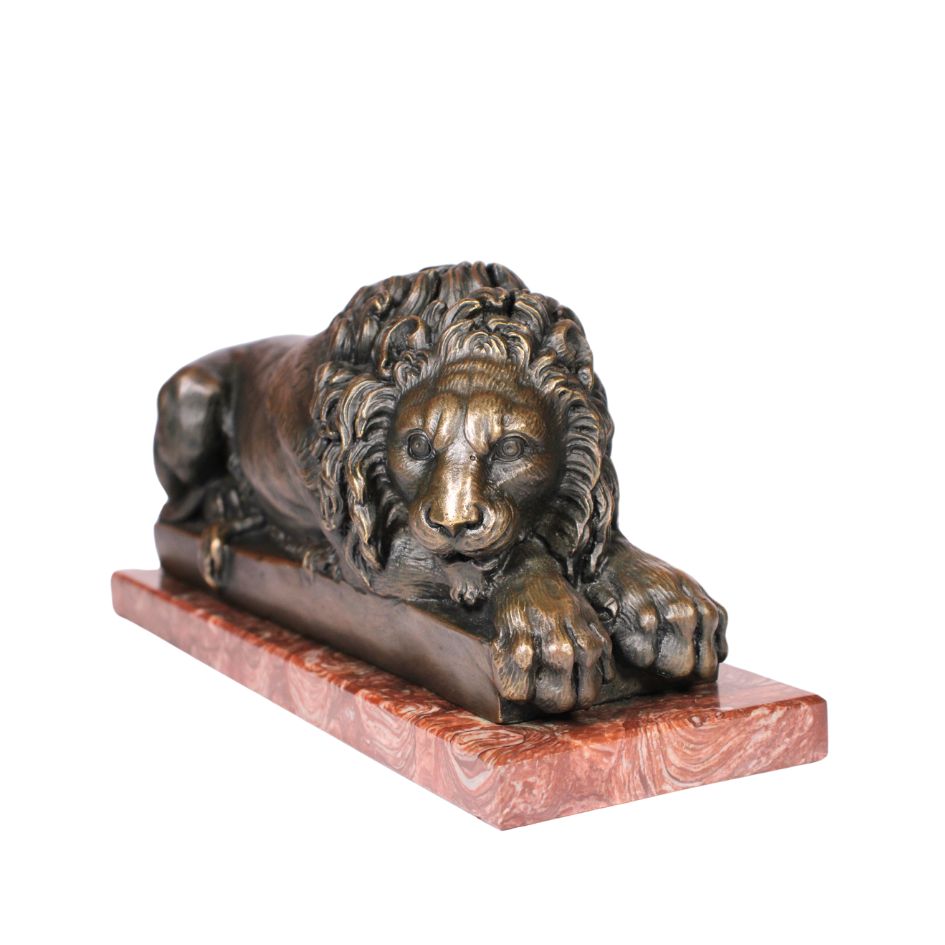
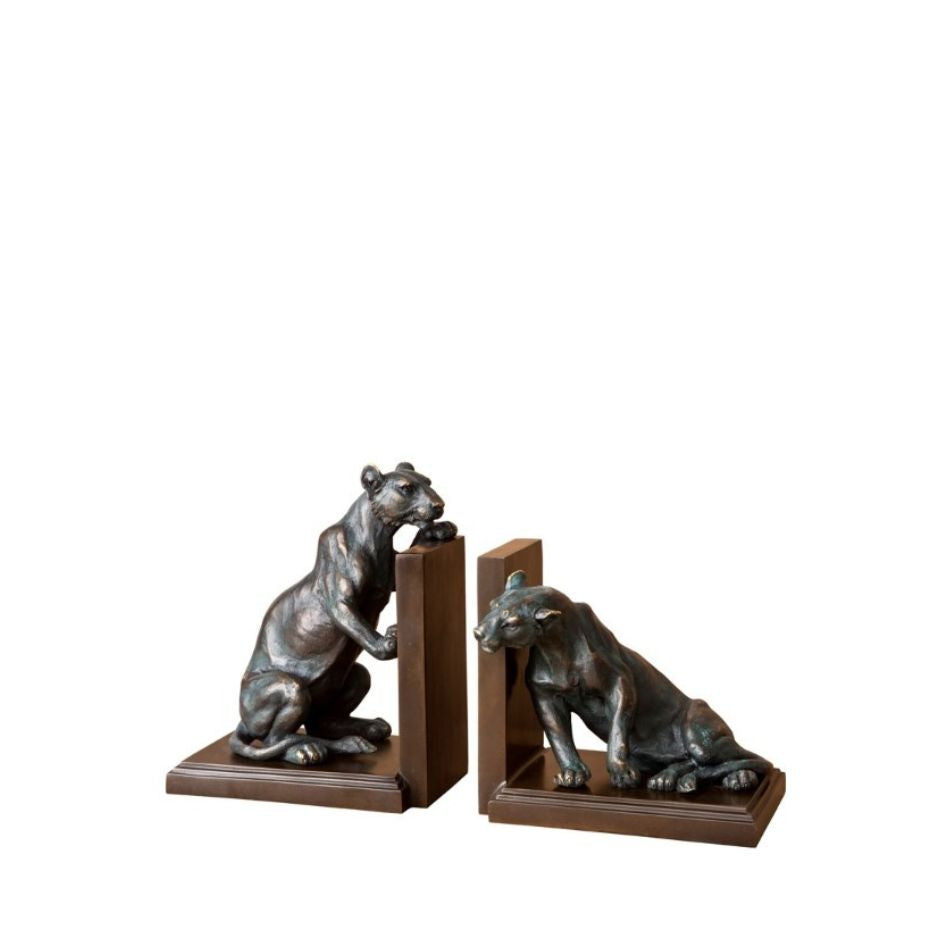
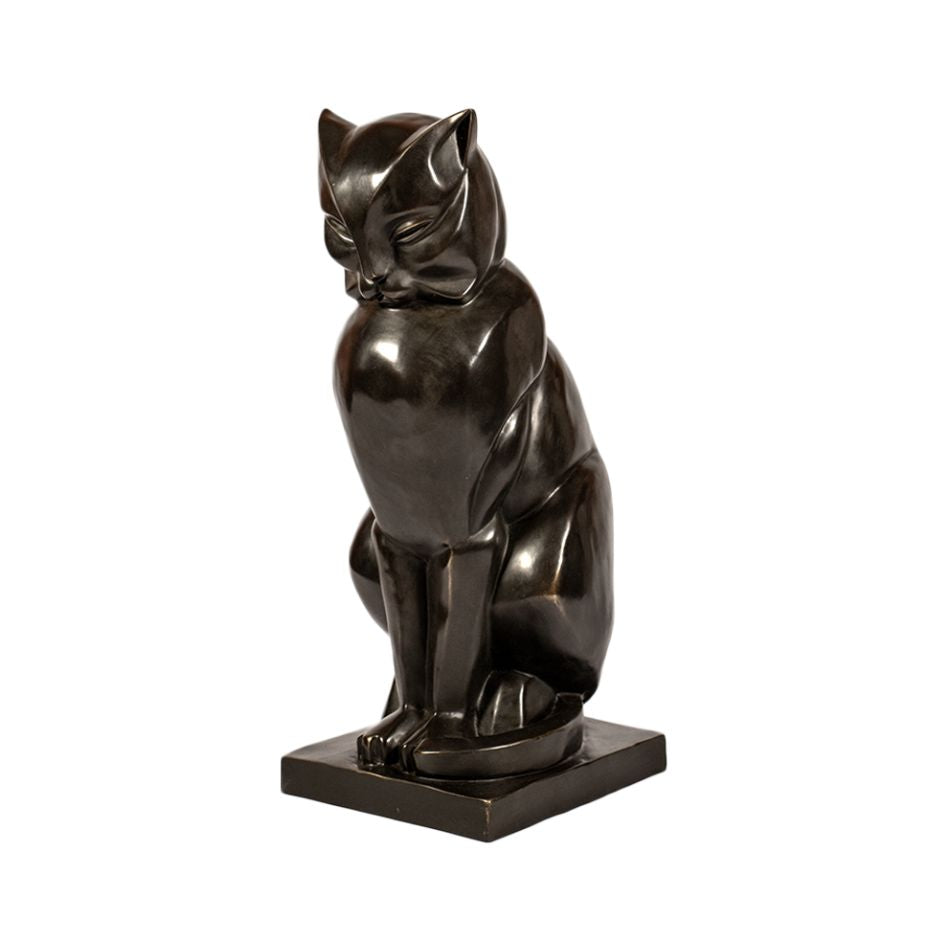

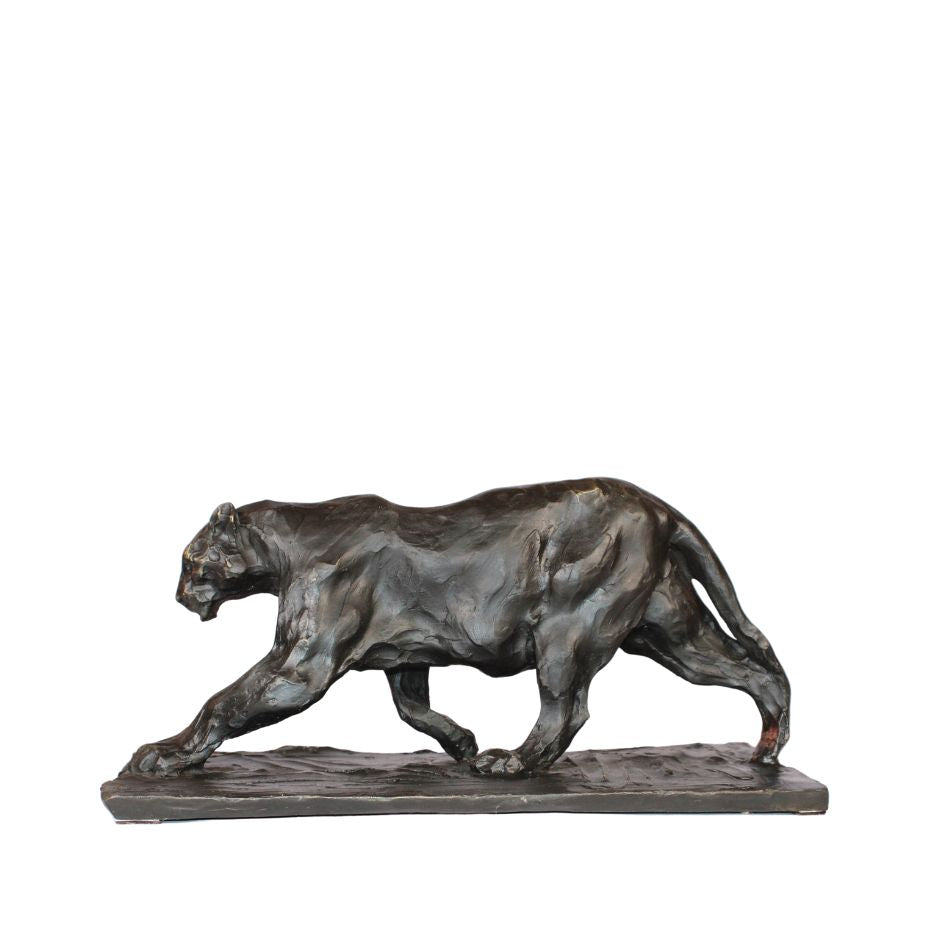
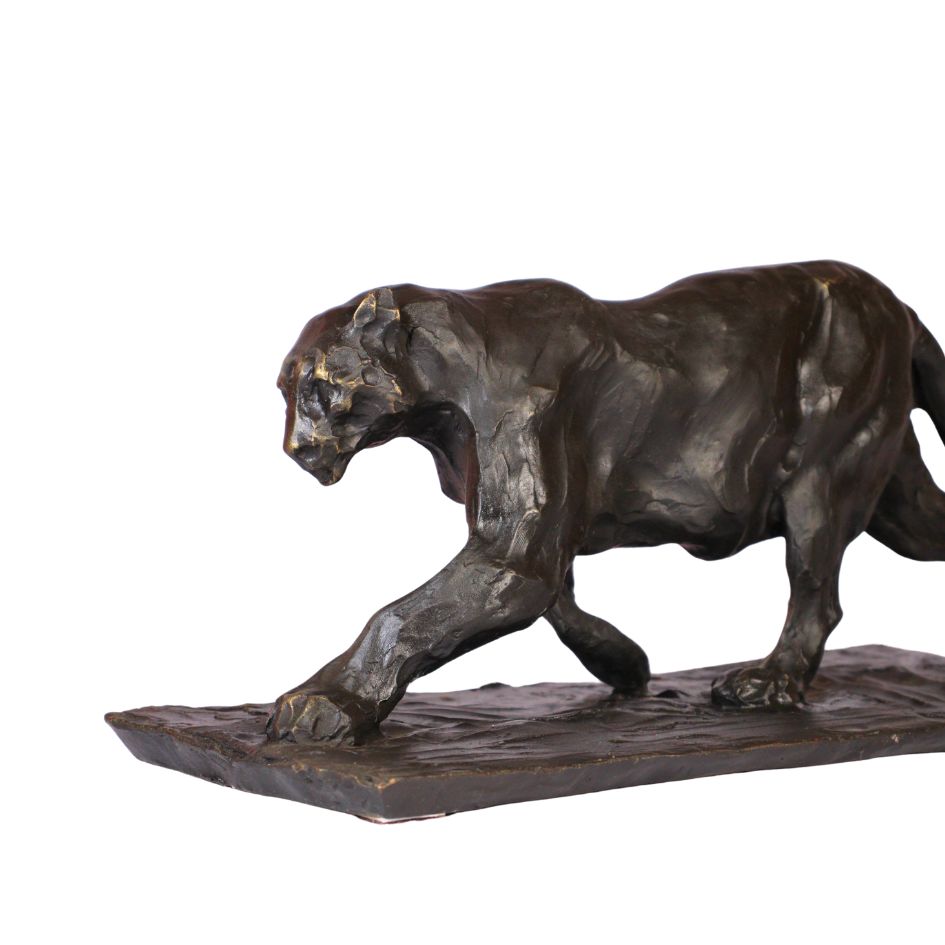
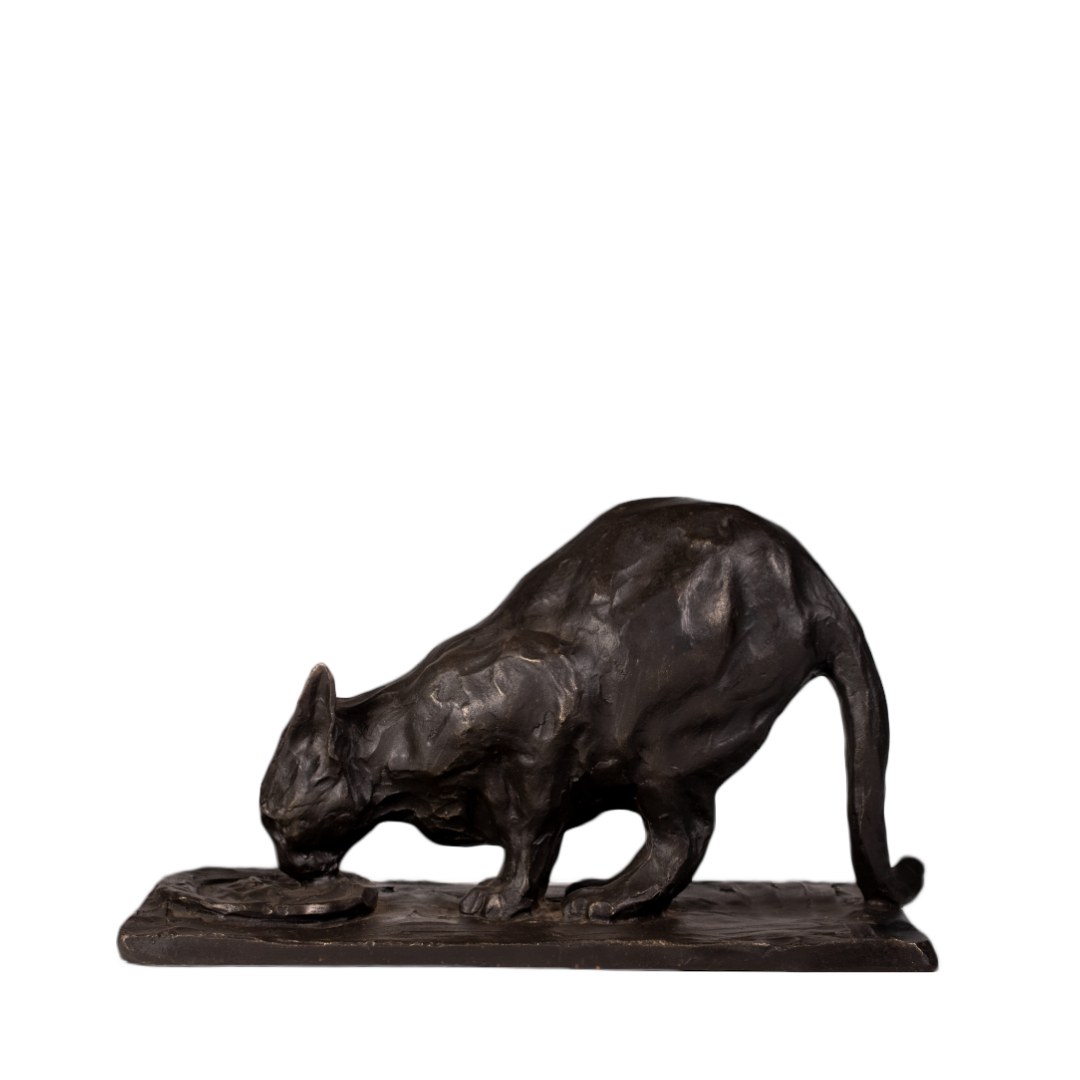
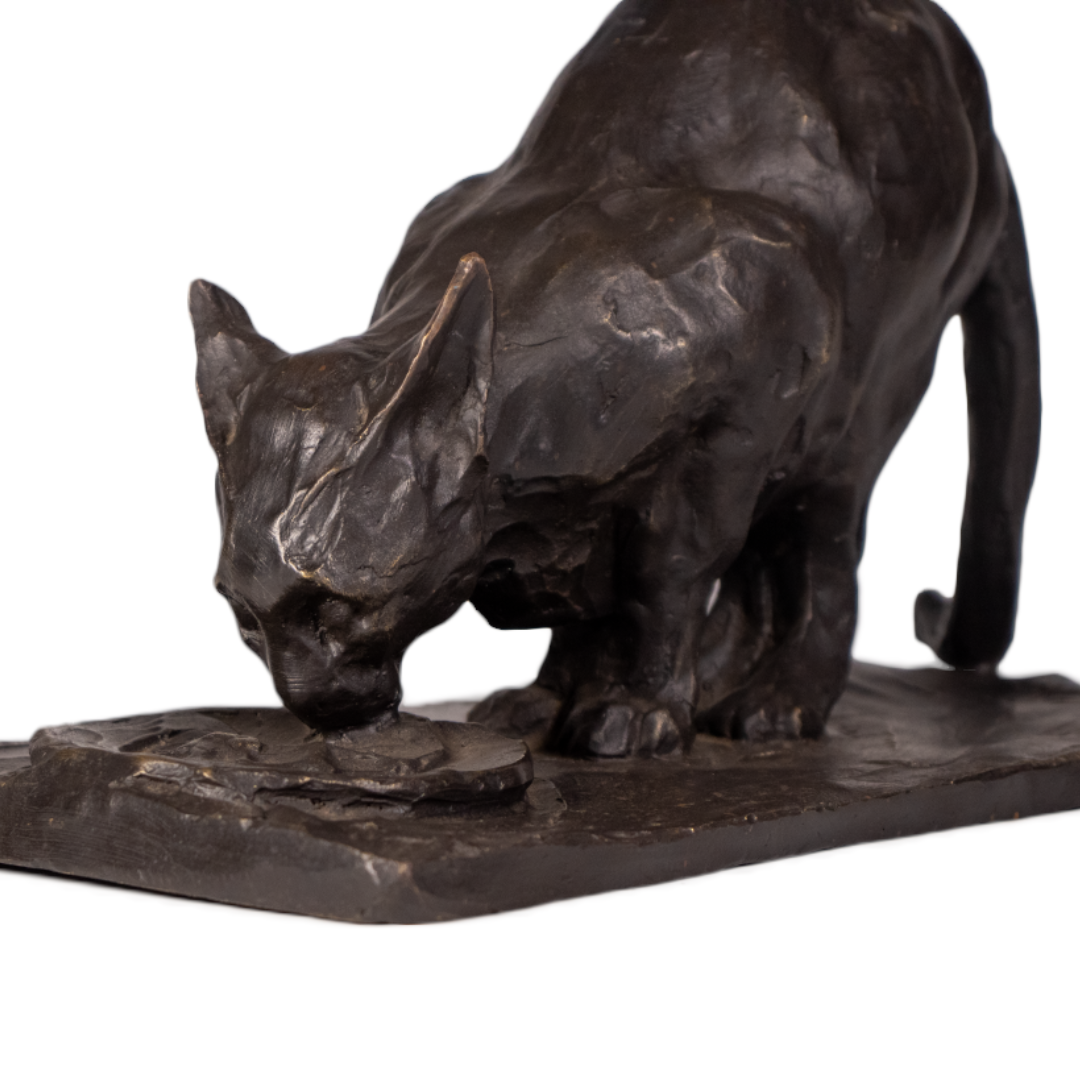
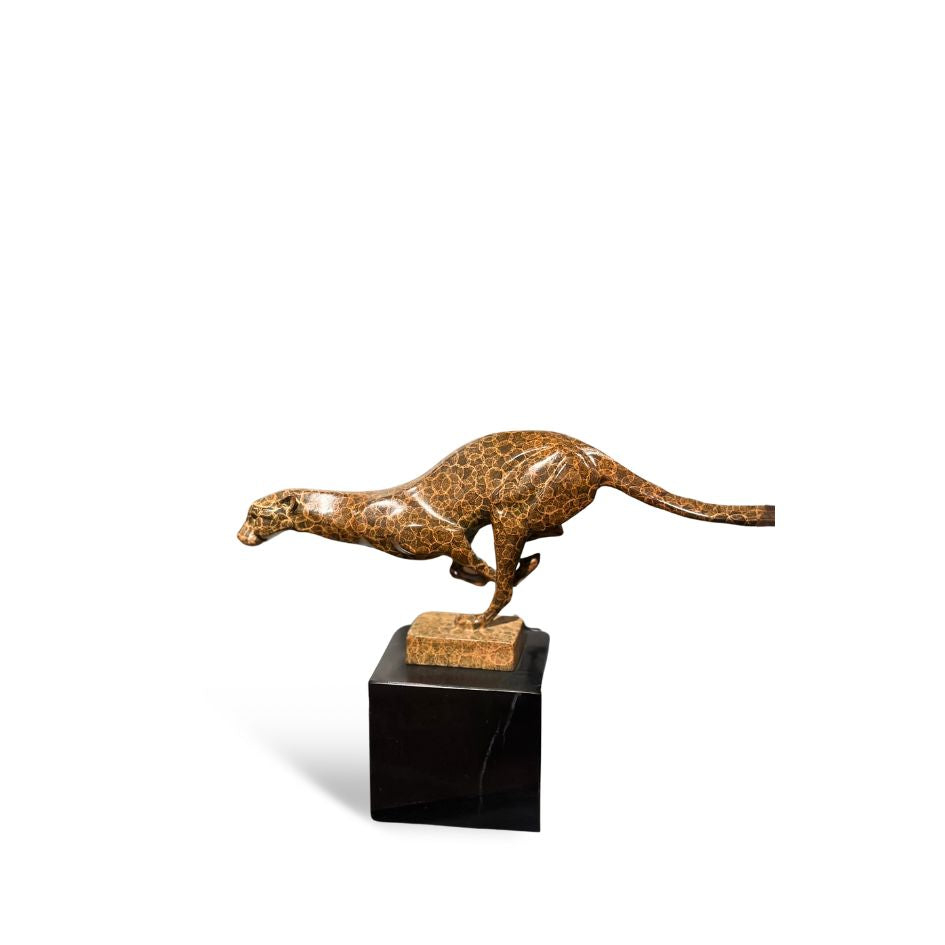
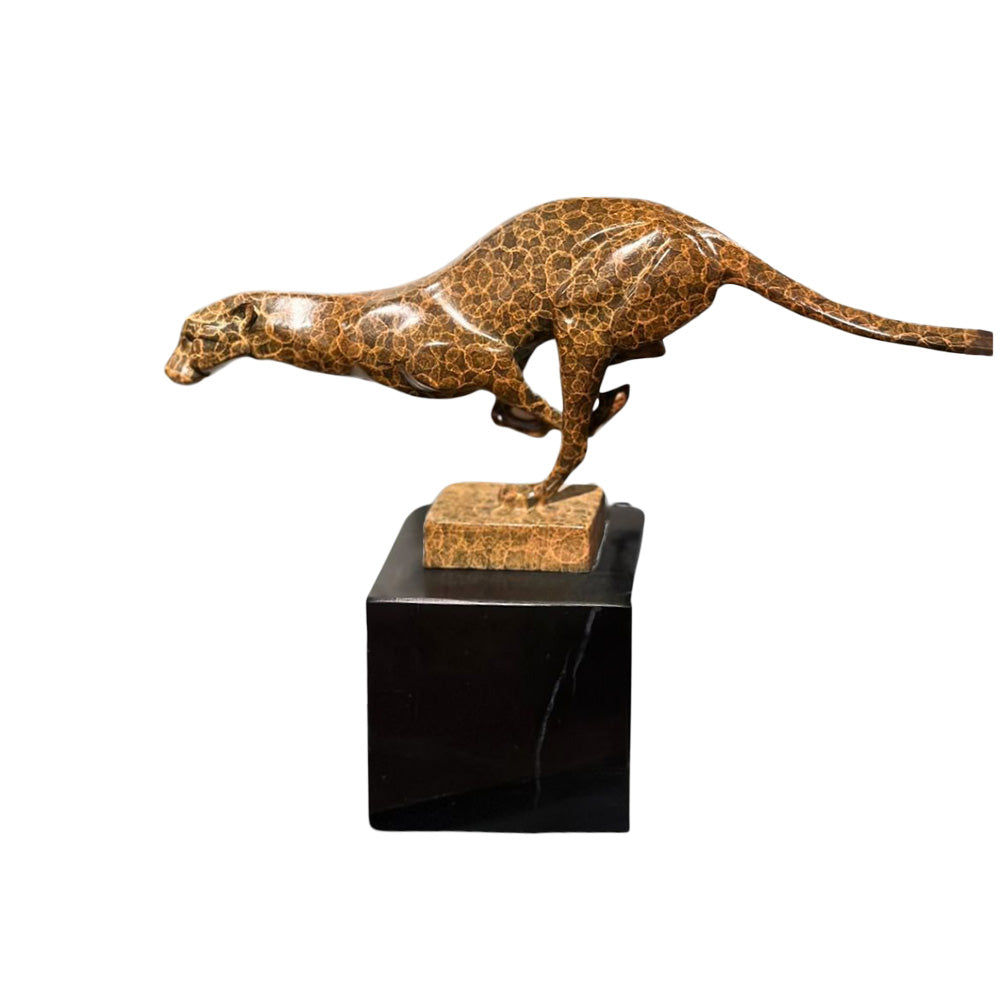
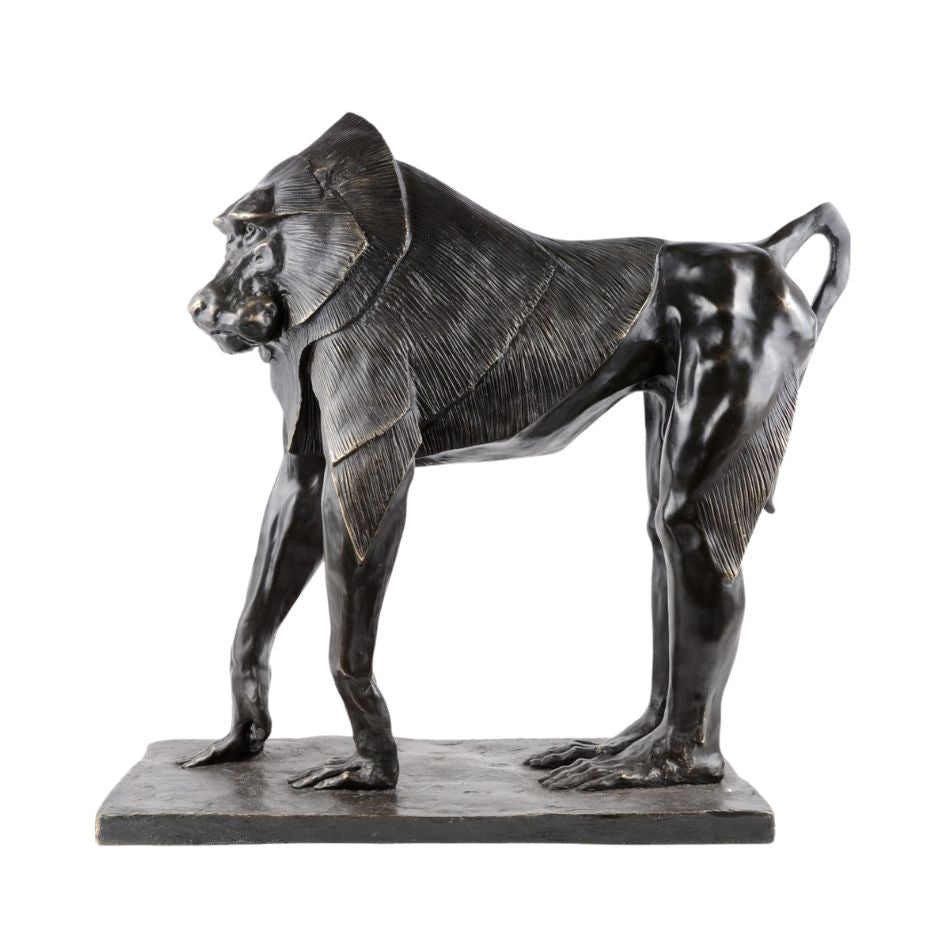
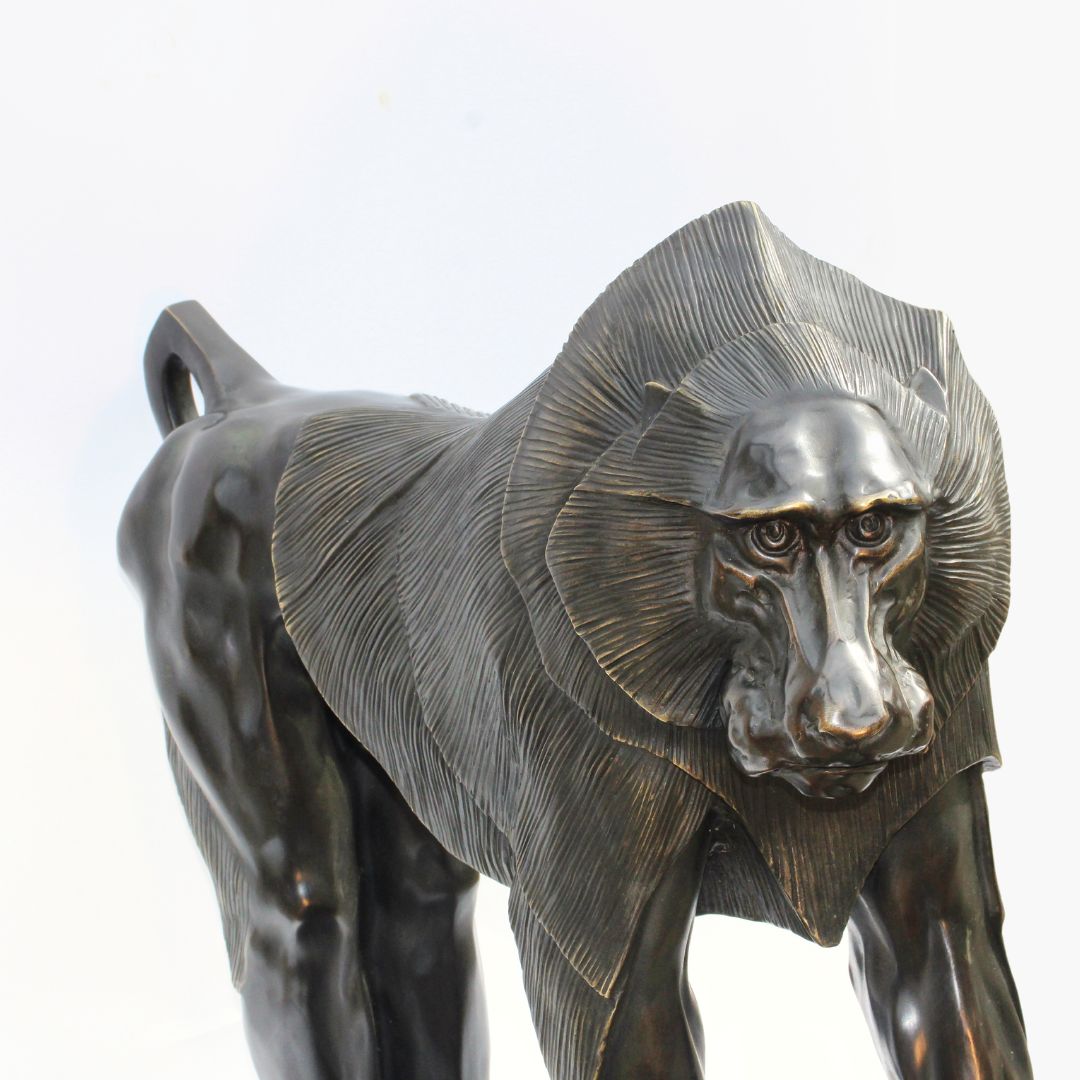
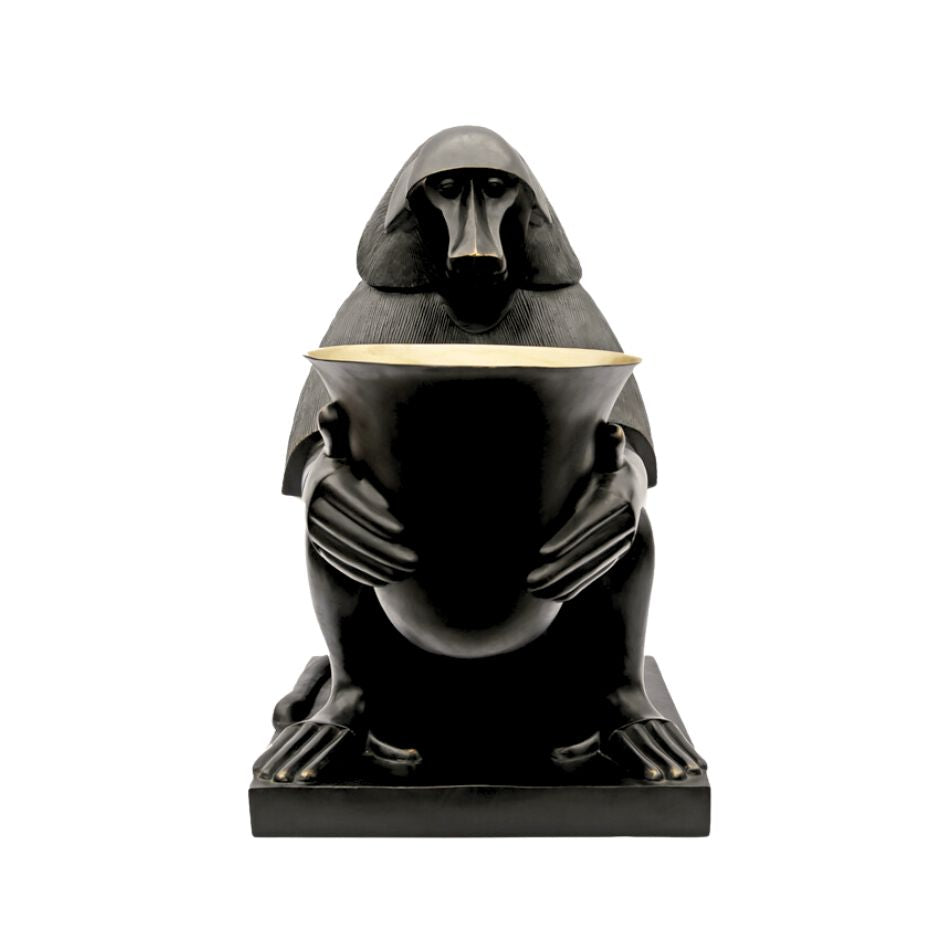

An animal sculpture gives an interior a living presence: a big cat on the prowl, a horse in motion, an elephant at rest. At Kuzco Art Maison, art studio and gallery in Amsterdam, each piece begins with art-historical research; the bronzes are then cast by hand in lost wax, chased and patinated, and the marbles carved by hand. The collection brings together big cats, horses, elephants, monkeys, birds and bears. All are new works, made in the style of historical models and never sold as antiques. This page is part of our sculptures collection; see also our bronze sculptures.
The French Animalier Tradition in Animal Sculpture
Animal sculpture has its great point of reference in the French animalier tradition, which joined faithful observation of the animal with a clear, expressive form. The Louvre holds Antoine-Louis Barye's 'Lion and Serpent' (1832), a bronze that stood in the Tuileries garden before it entered the museum. François Pompon, whose 'Polar Bear' was shown in 1922, opened the way to smooth, stylised forms; Rembrandt Bugatti brought a rare sensitivity to the modelling of exotic animals such as panthers and baboons. Several of our pieces follow the line of these sculptors, such as those gathered under sculptures after Rembrandt Bugatti.
Big Cats: Panthers, Lions and Cheetahs
Big cats are the heart of animal sculpture, from panthers to lions and cheetahs. Few animals suit bronze so well: a dark or greenish patina brings out the tension of the muscle and the suppleness of the movement, from a panther standing still to a cheetah on the hunt.
- Panthers: prowling, walking or seated, with a dark or black patina and often in the Art Deco style.
- Lions: lying down, in bronze or marble; the bronze pair follows the lions of Antonio Canova.
- Cheetah: slender and stretched out, caught at full speed in the hunt.
Horses: Art Deco, Jockey and Horse's Head
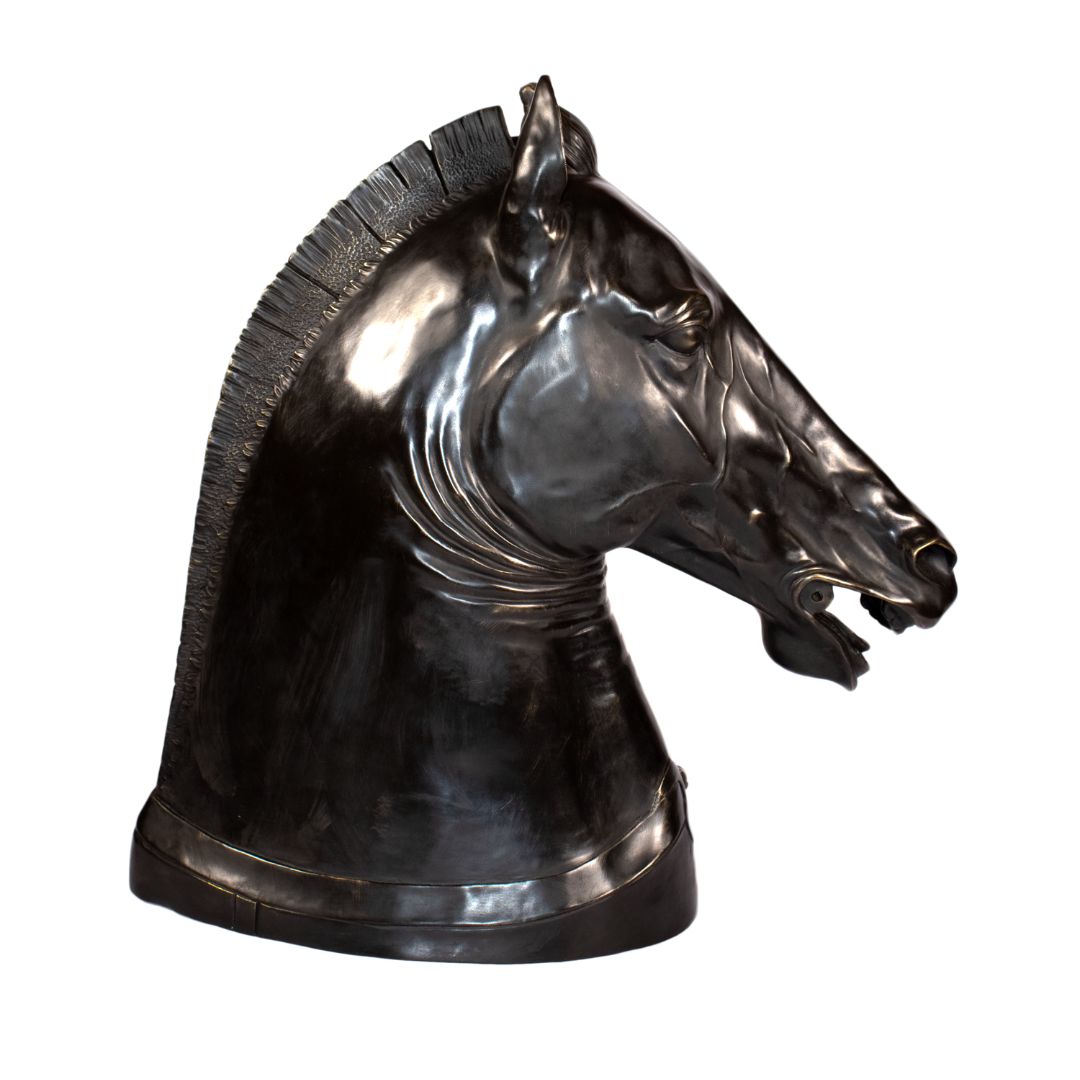
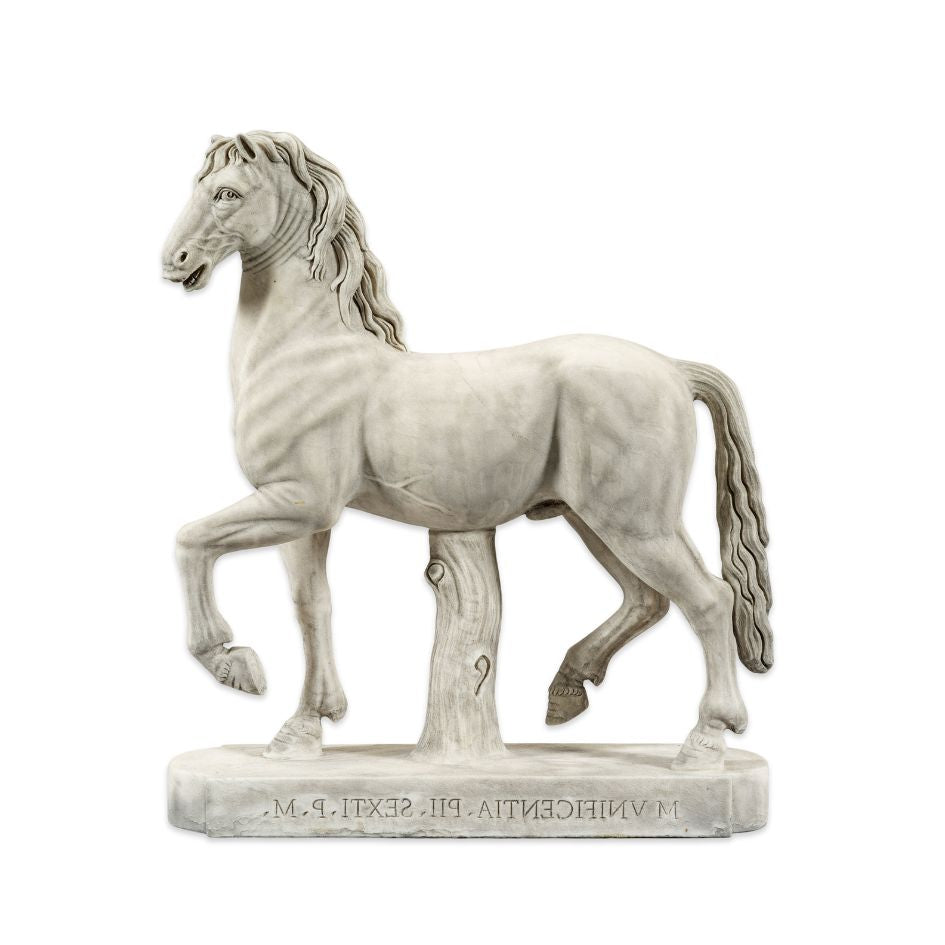
The horse is one of the great subjects of animal sculpture, from the stylised Art Deco horse to the mounted jockey and the classical horse's head. As a symbol of strength and elegance it runs through every period: the taut line of the 1920s and 1930s brings out the neck and bearing, while a horse's head on its plinth sets a graphic accent on a console table.
Here are the Art Deco horse, the jockey on horseback and a life-size bronze horse designed for the garden; for horses in the antique manner, see our Greek and Roman sculptures.
Elephants and Other Animals
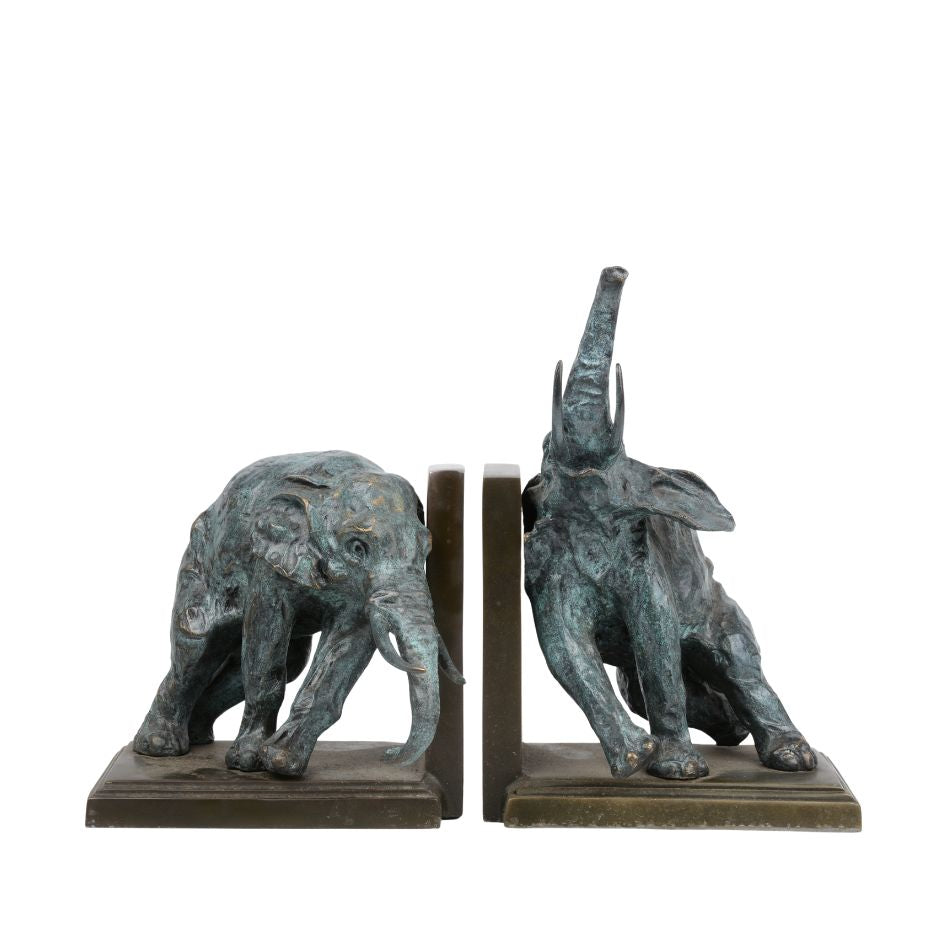
Elephants and other animals take the collection beyond big cats and horses: monkeys, birds, bears and stylised figures. The elephant, associated with wisdom and stability, appears here as a pair of bookends. Monkeys and birds inherit the Art Deco taste for the exotic and the witty.
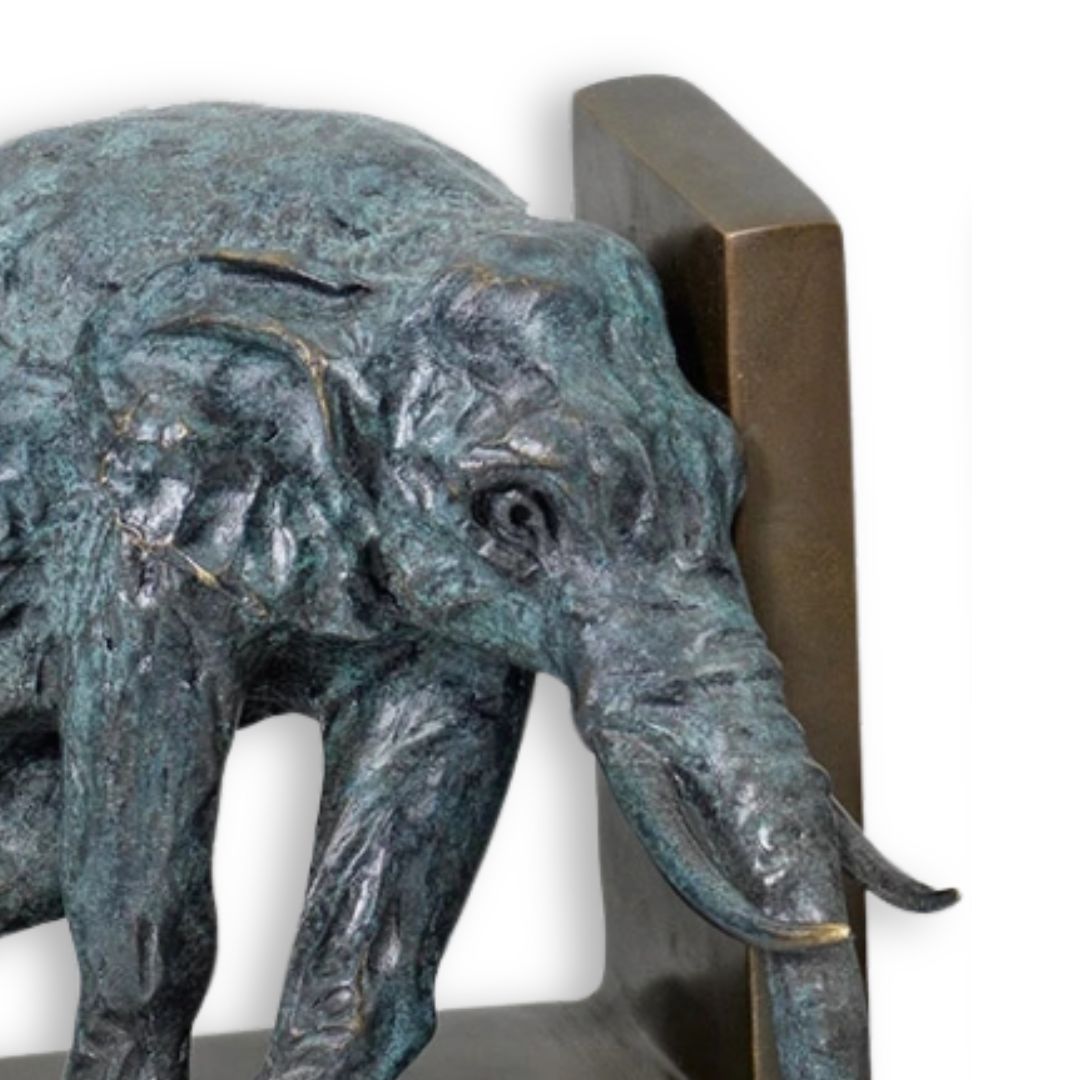
- Elephants: a pair of bronze bookends with a green patina.
- Monkeys: a bronze hamadryas baboon with its cape-like mane, in an Art Deco spirit.
- Birds and bears: parrots, bears at play and a gold-coloured polar bear in the manner of Pompon.
- Bookends: elephants, lions and parrots in pairs, useful and decorative at once.
Animal Sculptures for the Garden
An animal figure for the garden calls for a material that weathers well outdoors, and bronze answers that need. Its patina develops by itself in contact with the air and protects the metal, whereas many stones suffer from frost. A life-size horse or a big cat at the end of a path shows itself from afar, against a backdrop of leaves that changes with the seasons.
See our garden sculptures, designed for outdoor settings.
Patina and Care of a Bronze Animal Sculpture
Caring for a bronze animal is simple. The patina – the colour layer of bronze, from brown to green – comes from controlled oxidation that is then fixed, and little is needed to keep it in good condition for decades.
- Indoors: dust with a soft, dry cloth; apply a colourless microcrystalline wax now and then.
- Outdoors: a patina that shifts over time is normal and welcome; wax once a year if desired.
- Avoid: harsh cleaners and abrasives, which damage the patina.
Kuzco Art Maison: Studio, Gallery and Mission
Behind our animal sculptures stands Kuzco Art Maison, an art studio, art dealership and gallery based in Amsterdam. Under the direction of Lilly-Ann de Zeeuw, MA – artist, art historian and curator (UvA & VU) – every work begins with art-historical research. Our mission is to make art accessible through durable objects, handmade in bronze, marble and porcelain, in the belief that the spaces we live in can inspire us as much as an exhibition. In 2025 Lilly-Ann created one of the largest solid gold sculptures in Europe for GoldRepublic. Read more on our About us page.
Buying a Bronze Animal Figure at Kuzco Art Maison
When buying a bronze animal figure, we look after quality in every detail and guide each step from choice to delivery:
- Bronze cast by hand using lost wax, then chased and given its patina.
- Often mounted on a plinth of real, veined marble.
- New works in the style of the French animaliers, openly presented as such and never as antiques.
- Delivered by insured art transport throughout Europe; pieces over 30 kg travel on a pallet.
- Personal advice on size, weight and placement, online or by appointment at our gallery at Hekelveld 1-1 in Amsterdam.
Frequently Asked Questions about Animal Sculptures
What is an animal sculpture?
A work that depicts an animal: a big cat, a horse, an elephant, a bird. It forms a genre of its own, carried in France by animaliers such as Barye, Pompon and Bugatti.
Are your animal sculptures antiques or new works?
All our animal sculptures are new and handmade, designed in the style of historical models. They are neither antiques nor archaeological finds.
What is lost-wax casting?
One of the oldest techniques for casting bronze: a wax model is encased in a heat-resistant mould, then melted out and replaced by molten bronze. The surface is then chased by hand, so no two pieces are quite alike.
What is the patina of a bronze animal sculpture?
The colour layer of the bronze, from brown to green, obtained by controlled oxidation and then fixed with wax or lacquer. Its quality does much to set the character of a bronze.
How do I care for a bronze animal sculpture?
Indoors, regular dusting and an occasional coat of microcrystalline wax are enough. Avoid harsh cleaners, which damage the patina.
Is an animal sculpture suitable for the garden?
Yes, above all in bronze: it withstands frost and the patina protects the metal. For lasting outdoor use we prefer bronze to marble. See our garden sculptures.
Which animals do you offer?
Panthers, lions, cheetahs, horses, elephants, monkeys, birds and bears: the collection covers the great subjects of animal sculpture, in bronze as well as marble.
Do you offer works in the style of Rembrandt Bugatti?
Yes. Several panthers and a baboon follow the line of Rembrandt Bugatti; they are new works, not period casts.
Can I buy an animal sculpture as a private customer?
Yes. Since 2026 we also sell directly to private customers through our online shop, with a 14-day right of withdrawal. Trade customers order through their own account.
Where can I see the sculptures in person?
At our gallery at Hekelveld 1-1 in Amsterdam, by appointment. The full collection can always be viewed online.
How is a heavy sculpture delivered?
Each piece is carefully packed and shipped by insured art transport throughout Europe; consignments over 30 kg travel on a pallet.
What does an animal sculpture cost?
The price depends on the material, the size and the plinth. The exact price is shown on each product page.
If you are thinking of buying an animal sculpture, we are glad to advise on material, weight and placement. Write to us, or visit our gallery in Amsterdam by appointment.