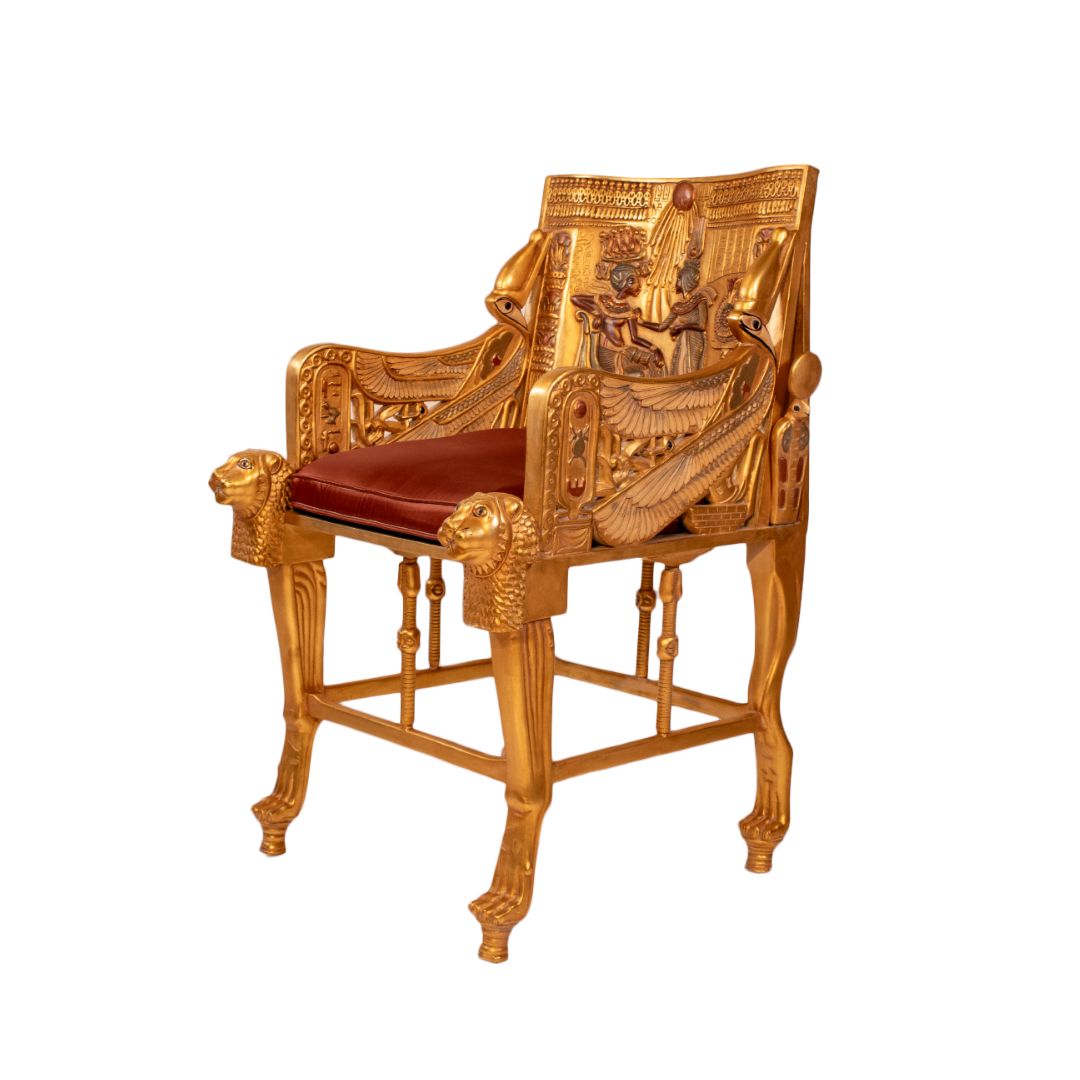

Sculptures
Sculptures in bronze and marble, all hand-made and brought together in one collection: panthers, cats, horses and other animals in the animalier tradition, heads and busts after classical examples, reliefs, bookends and signed contemporary marble works by David Liang. The bronzes come from lost-wax casting with a hand-worked patina; the marble is carved with point and chisel. All are new works, not antiques.
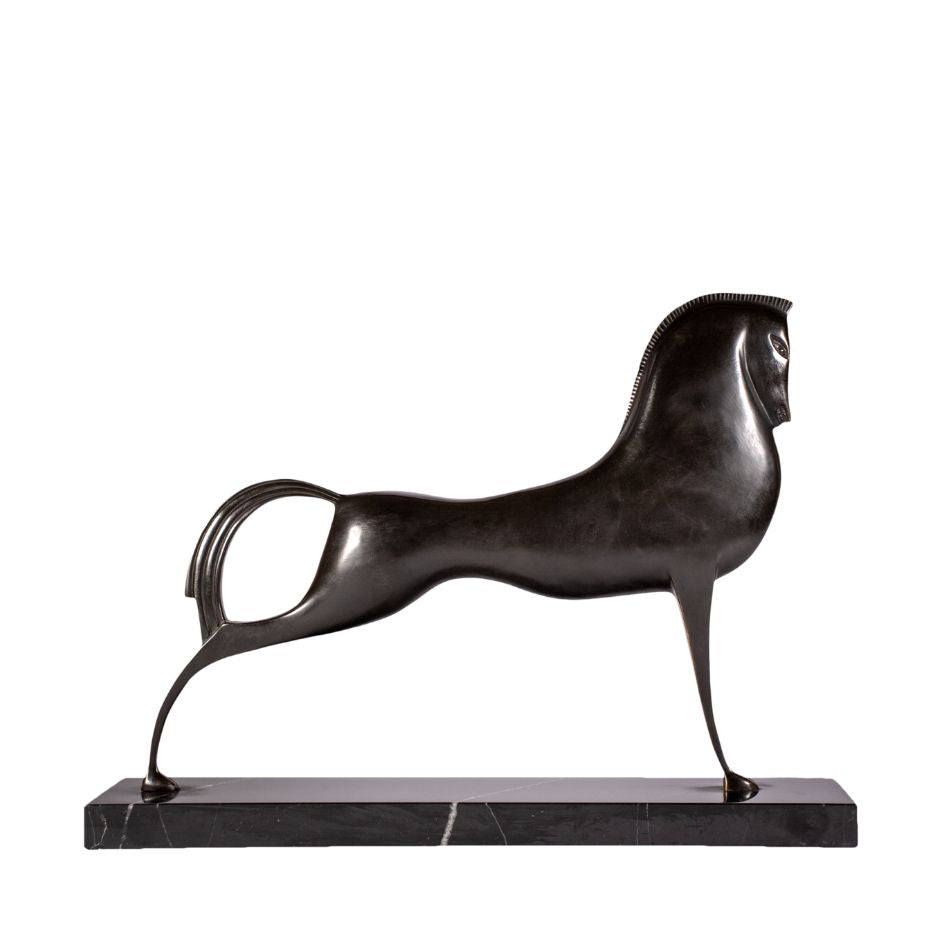
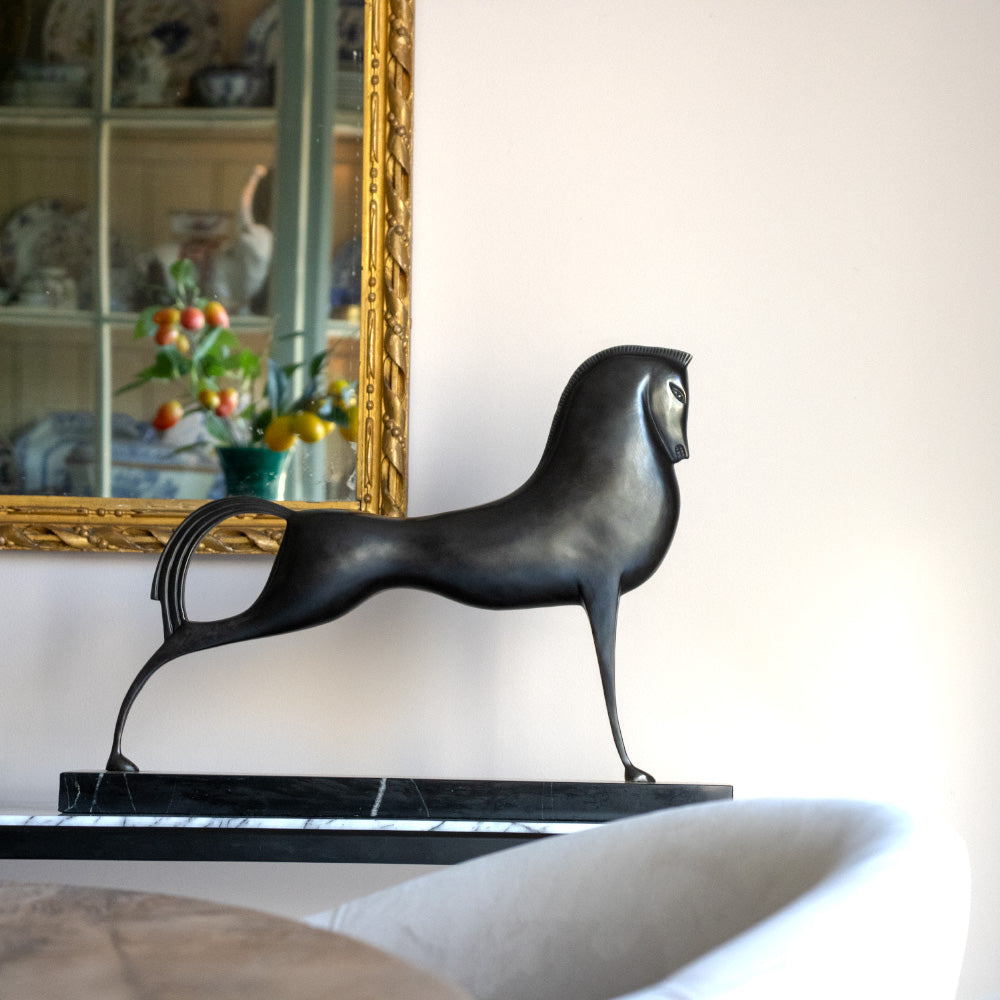
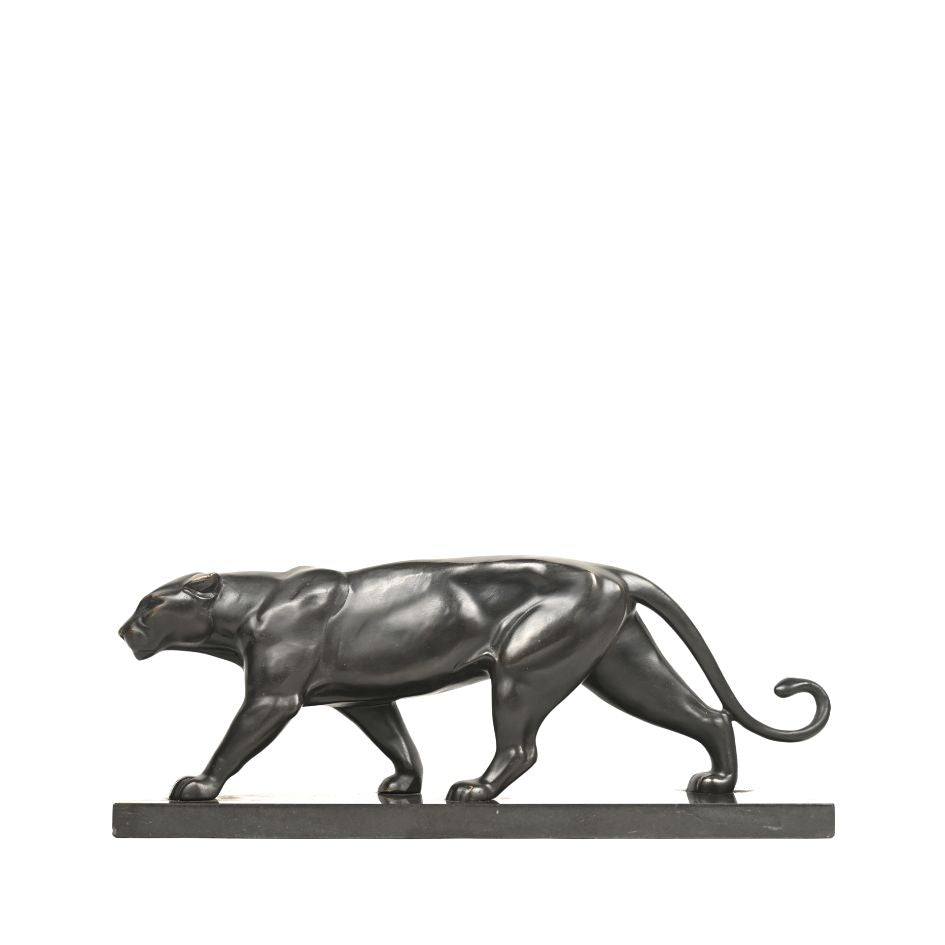
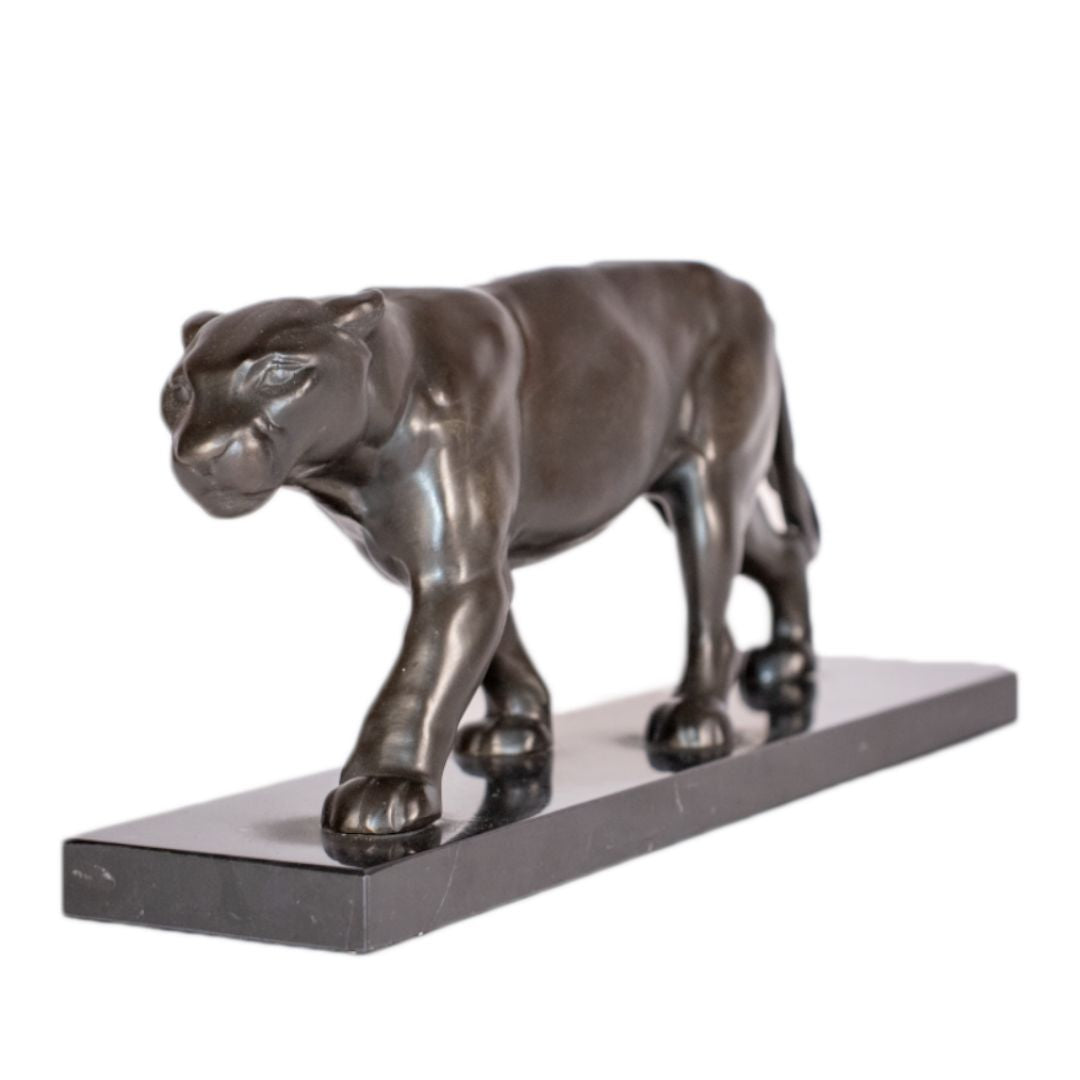
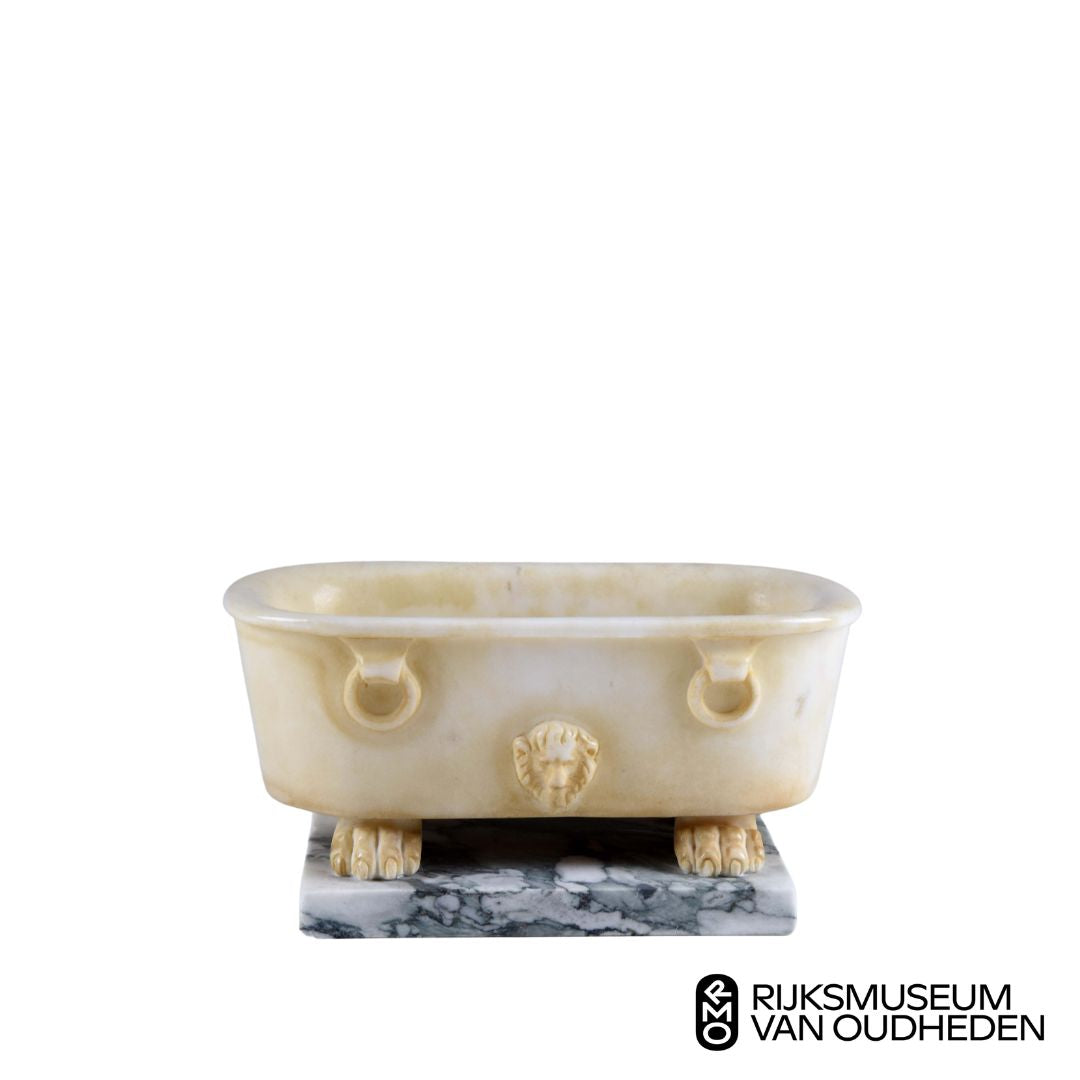
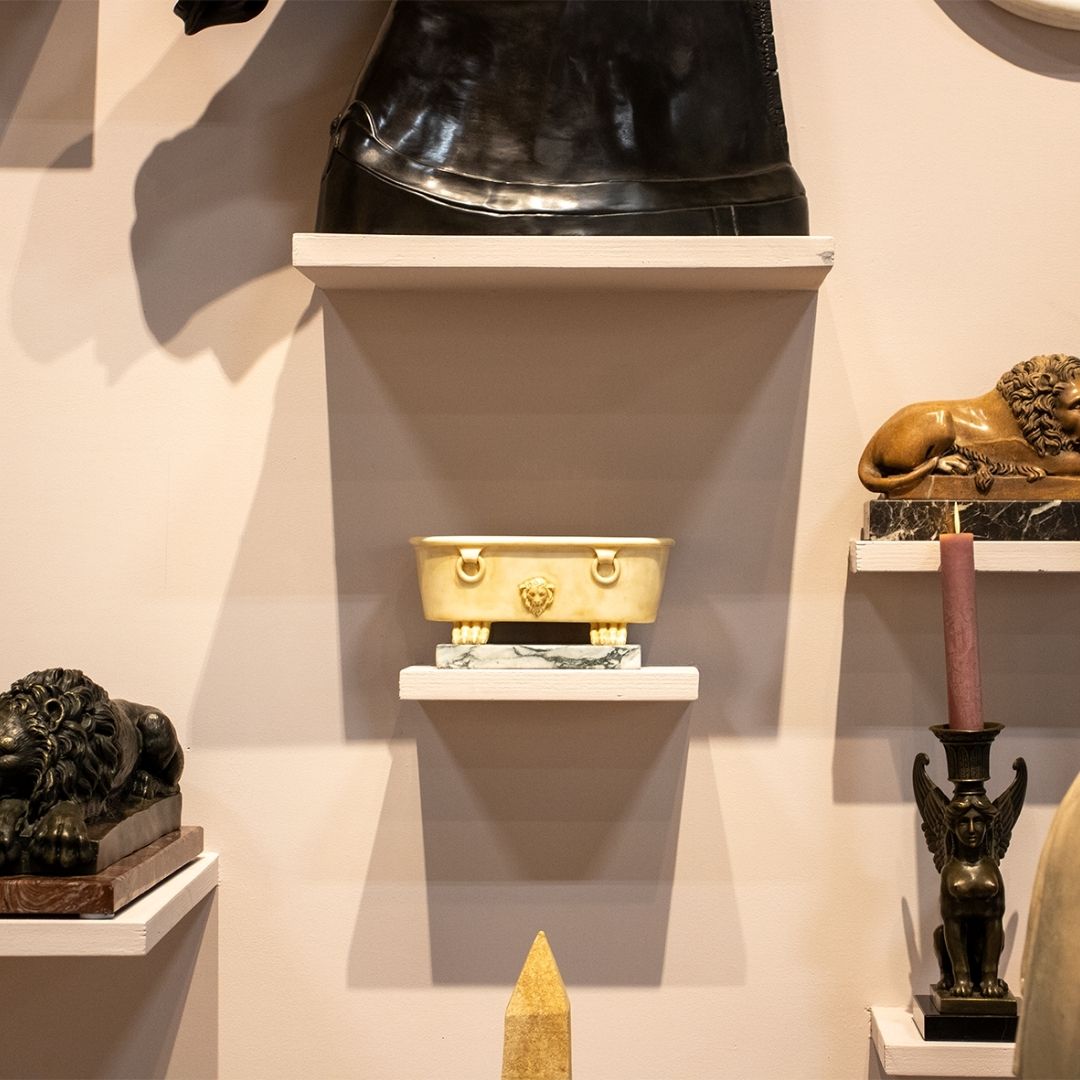
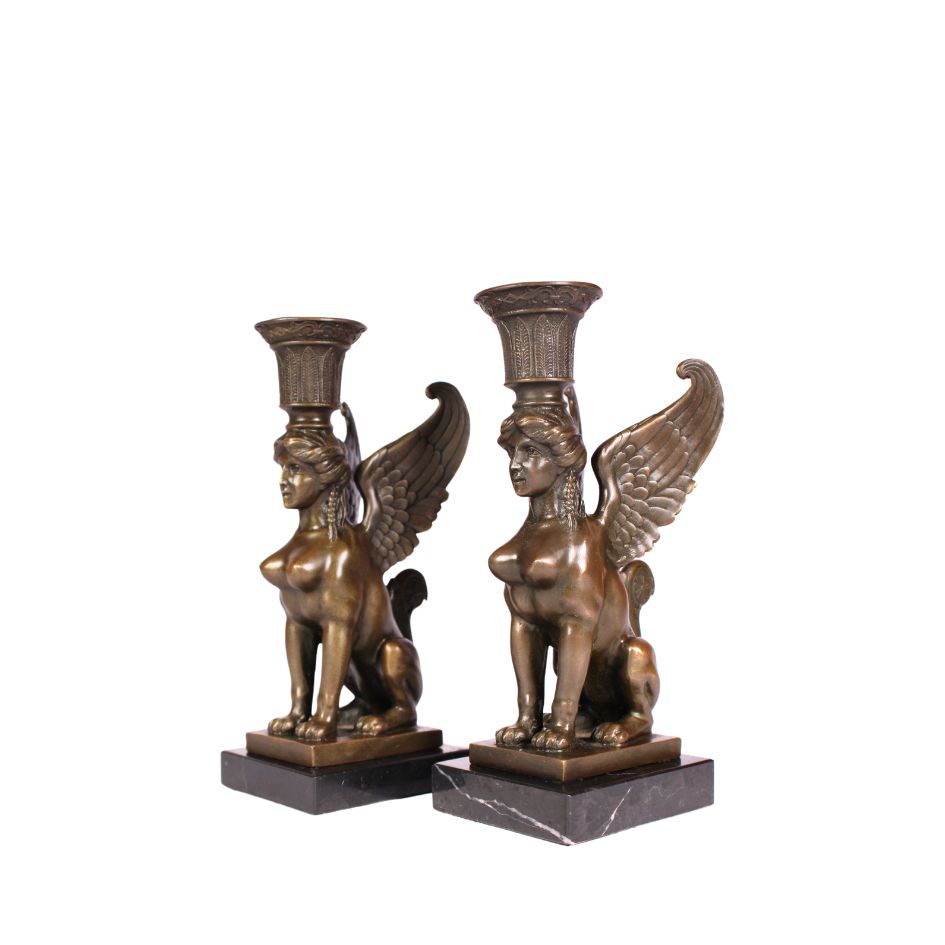
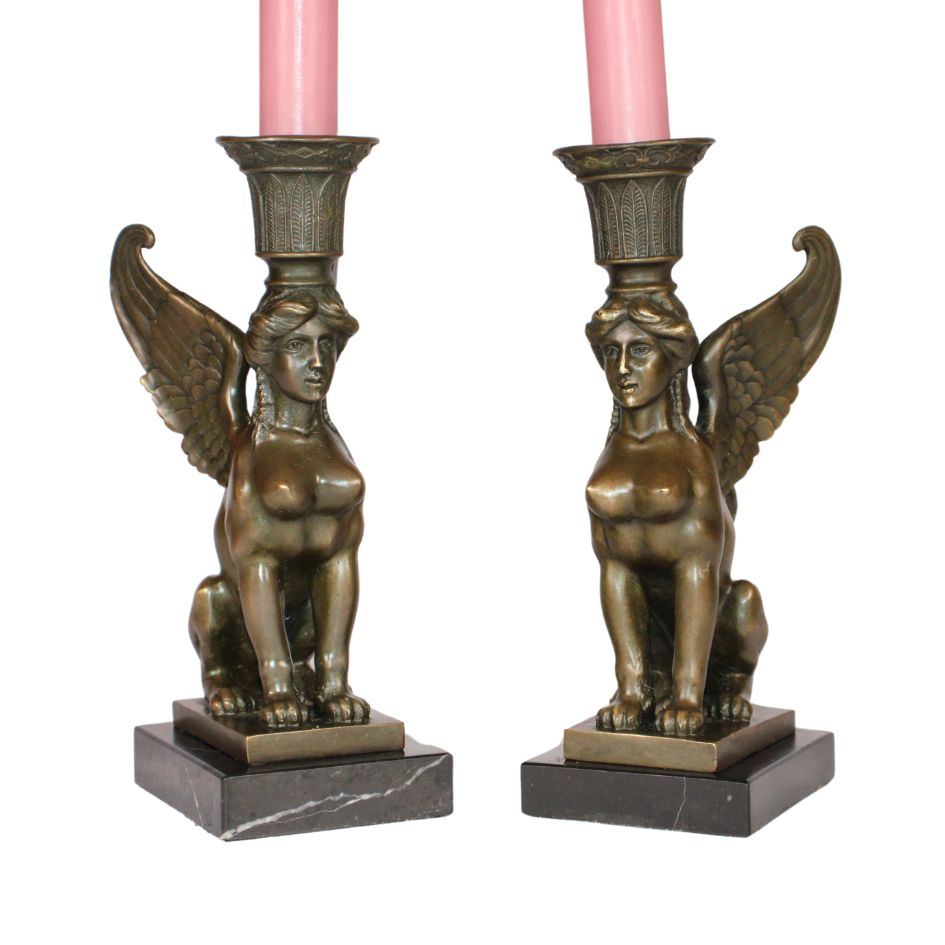
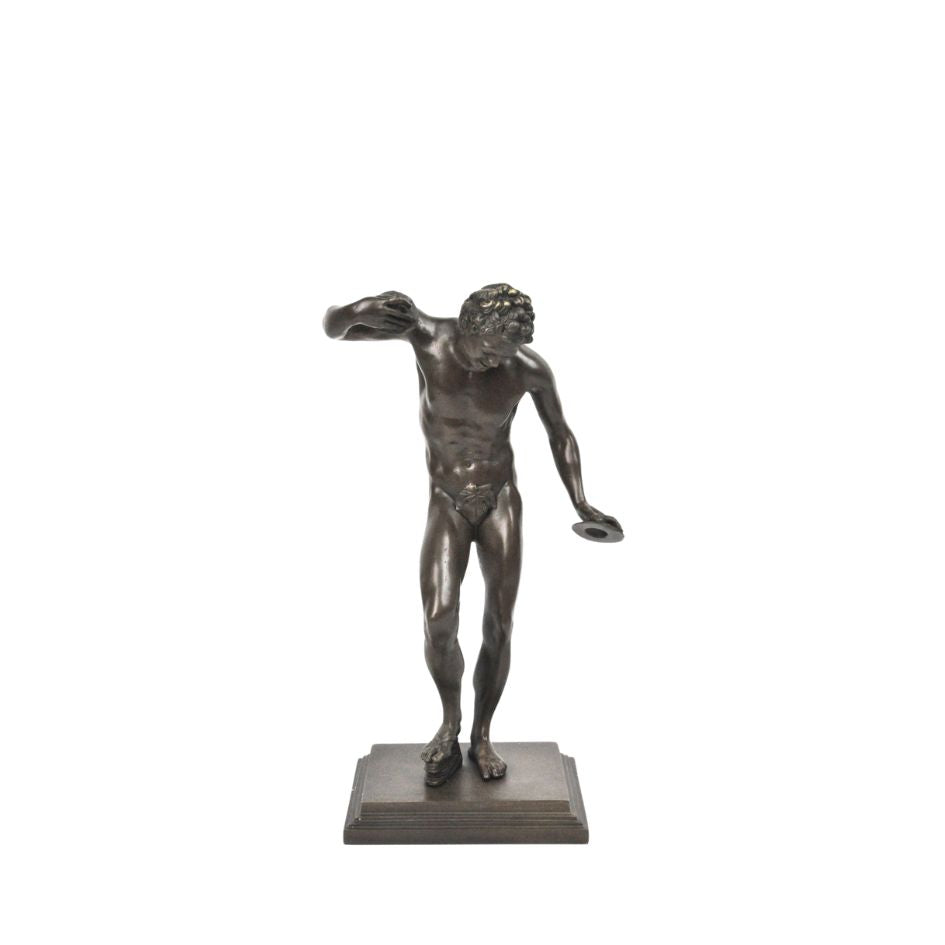

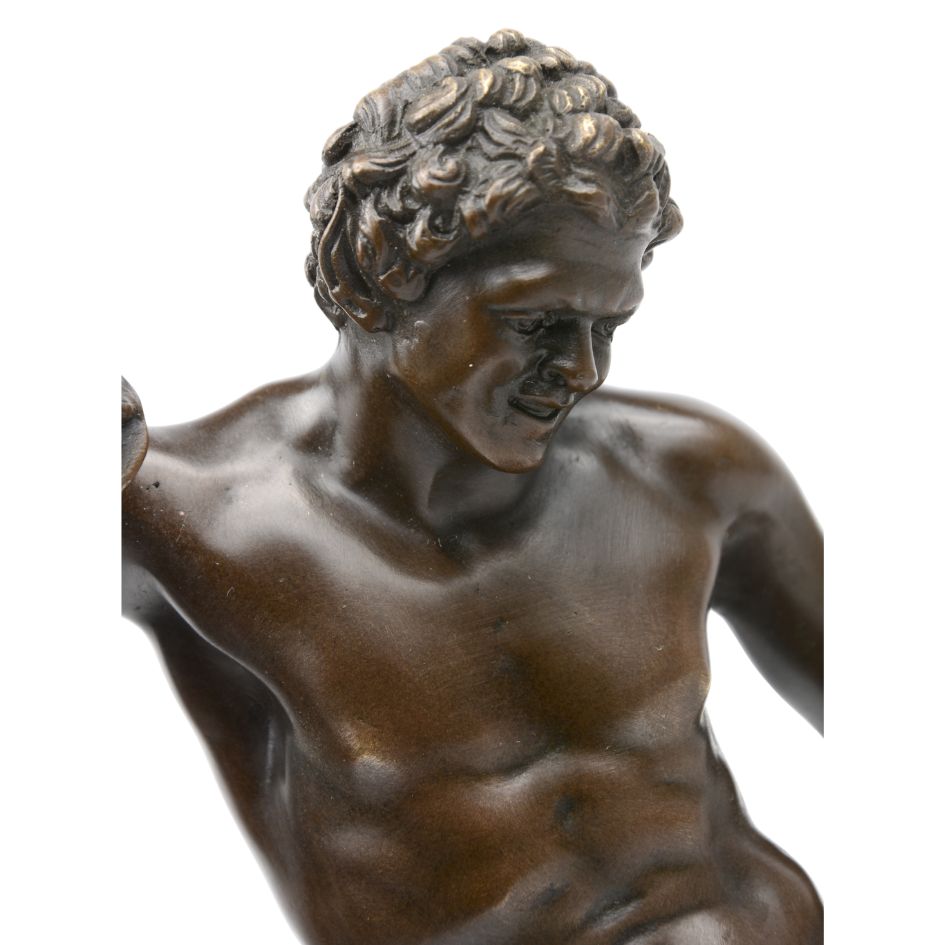
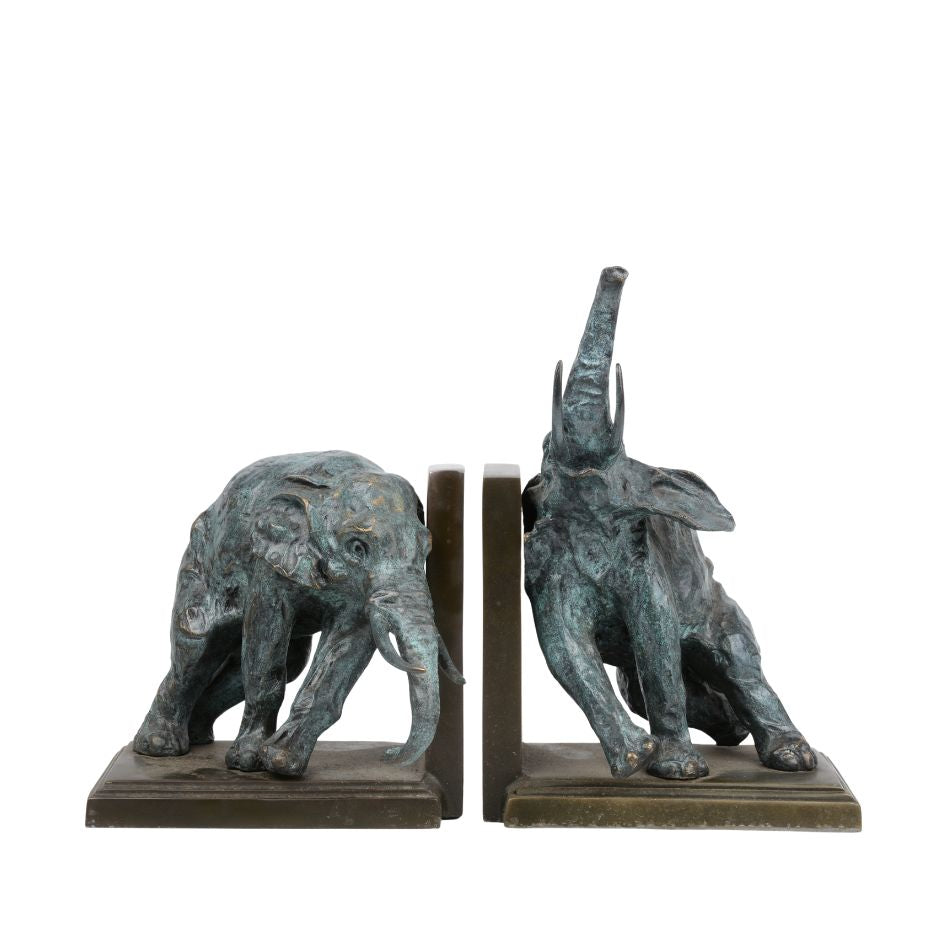
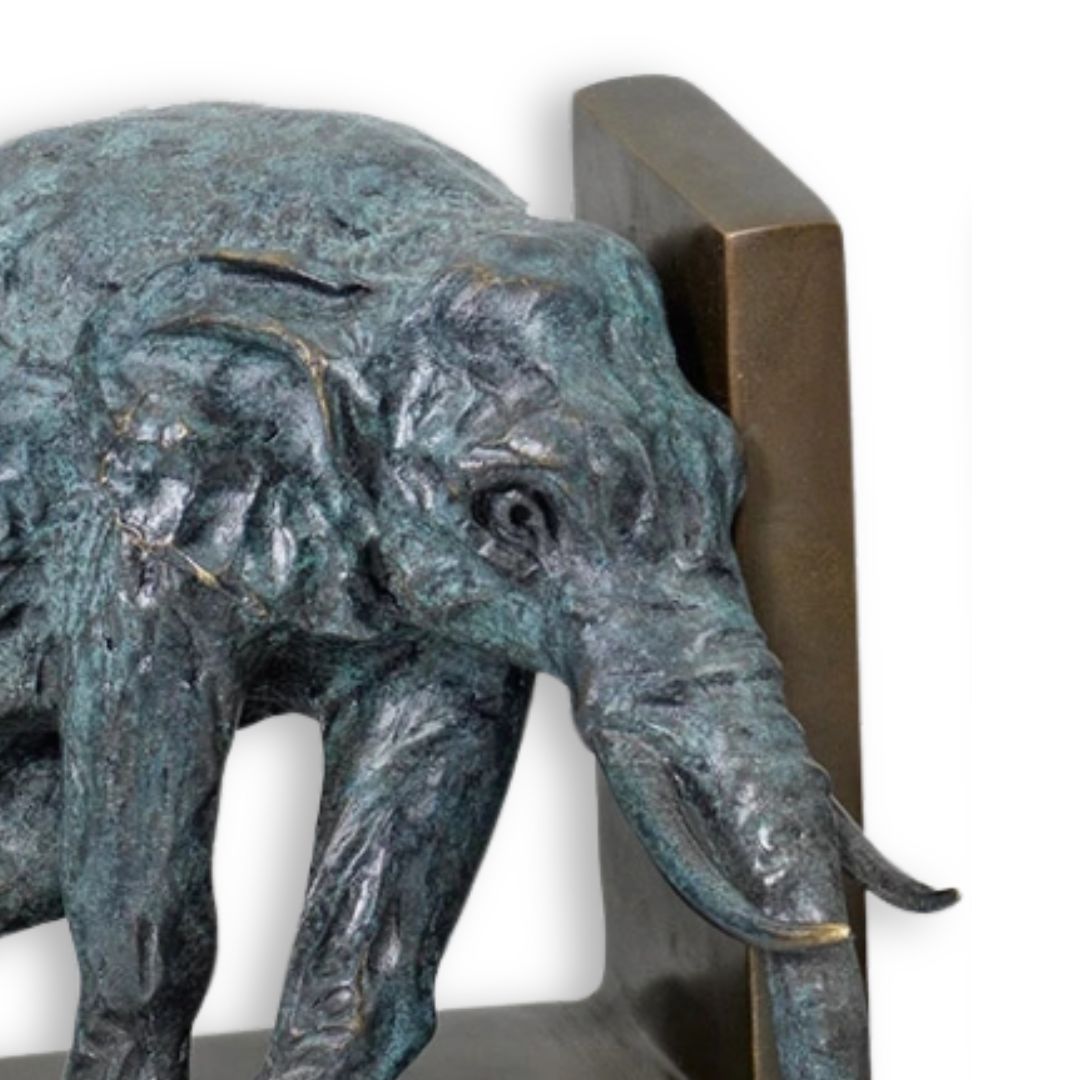
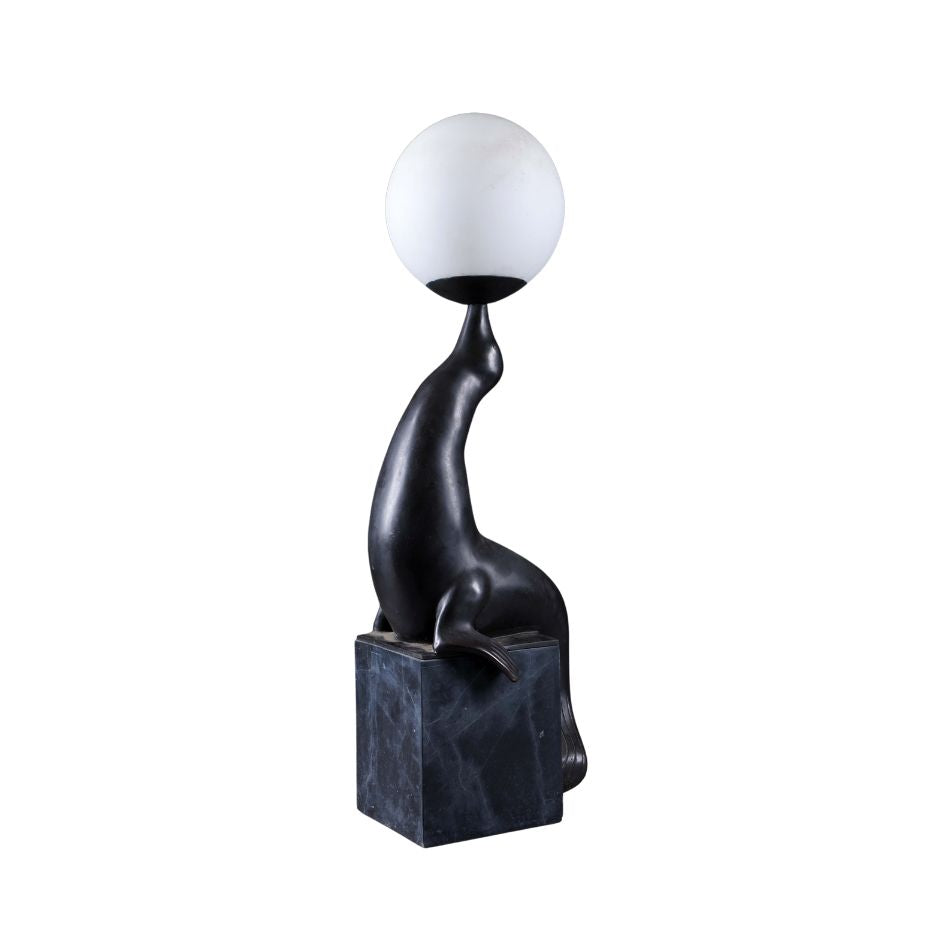
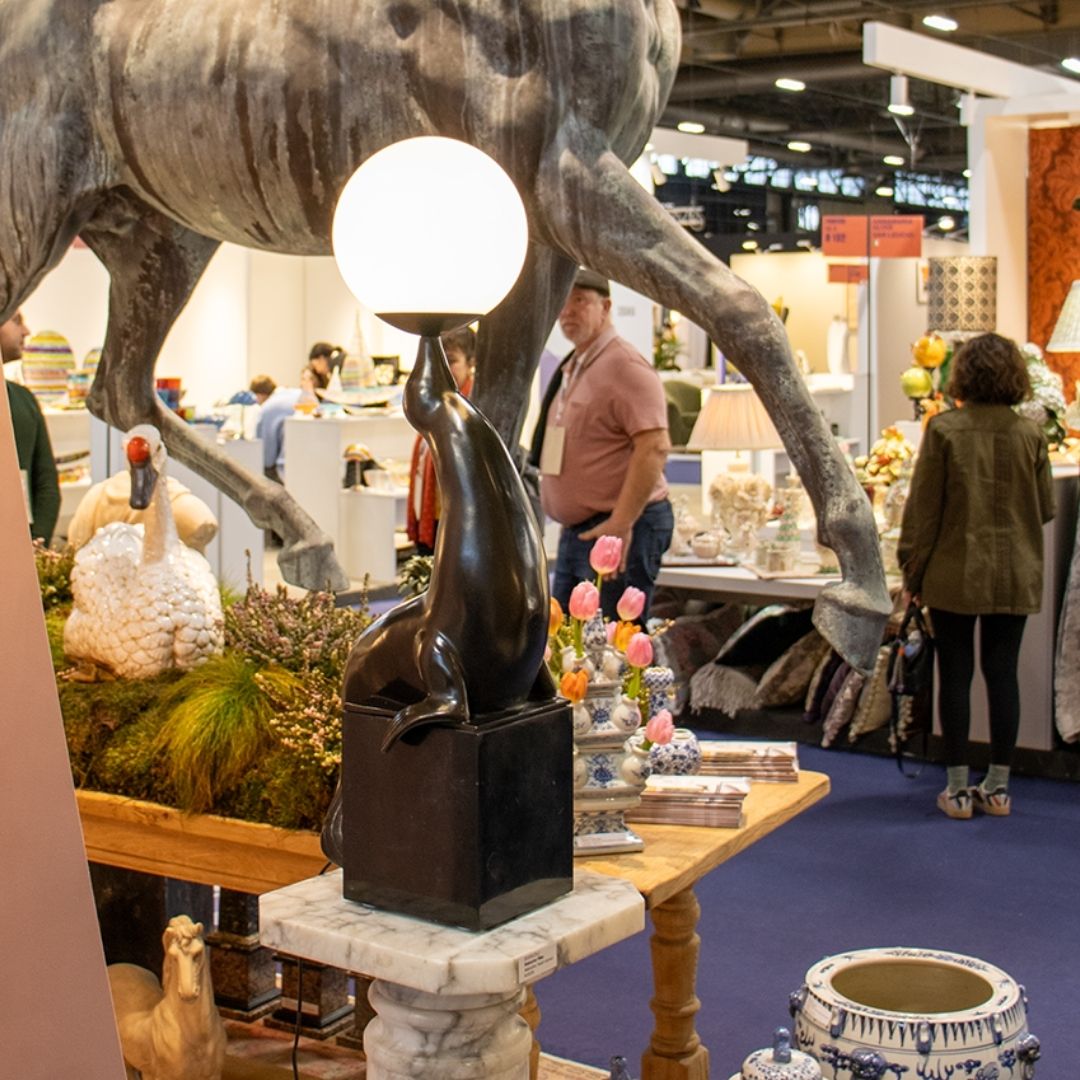
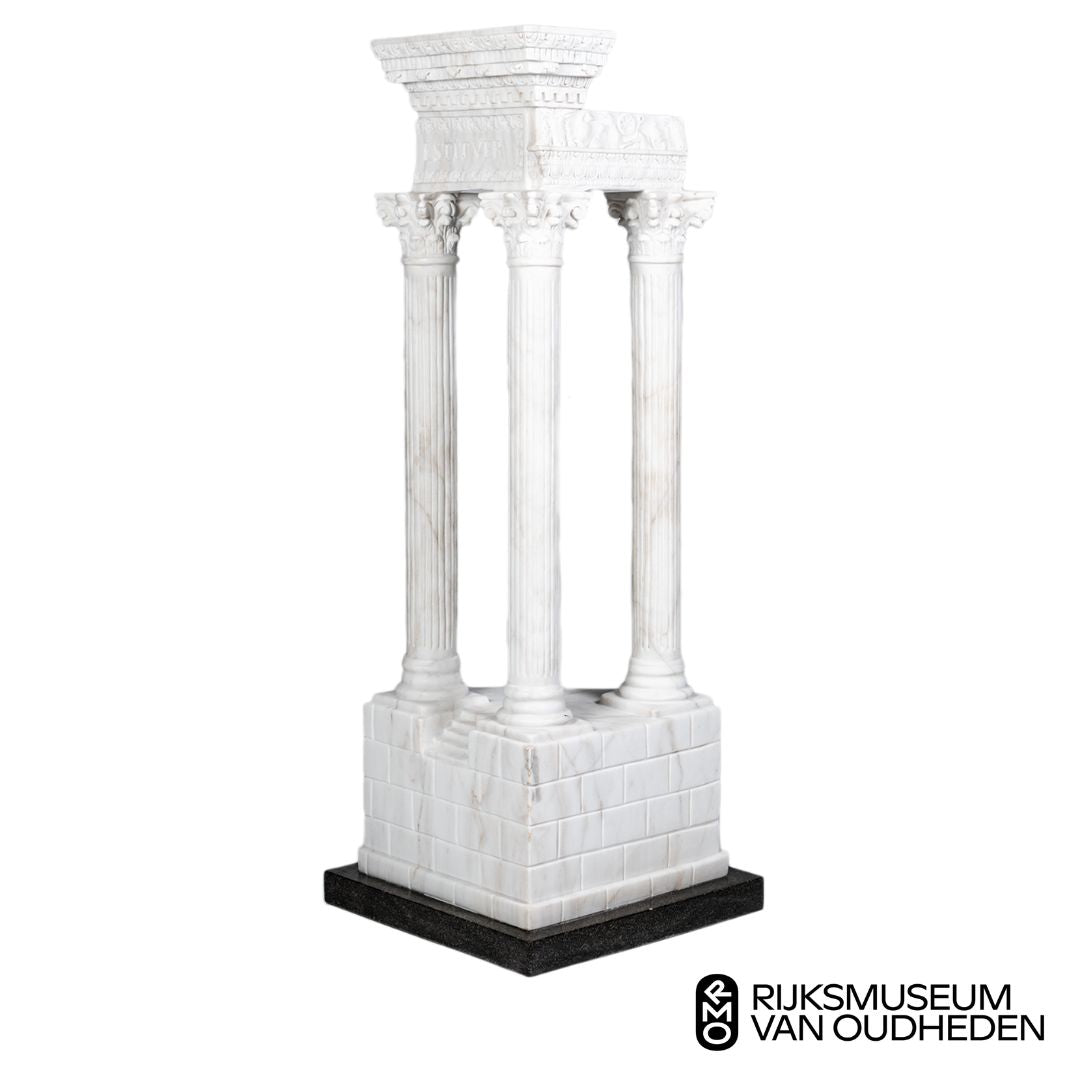
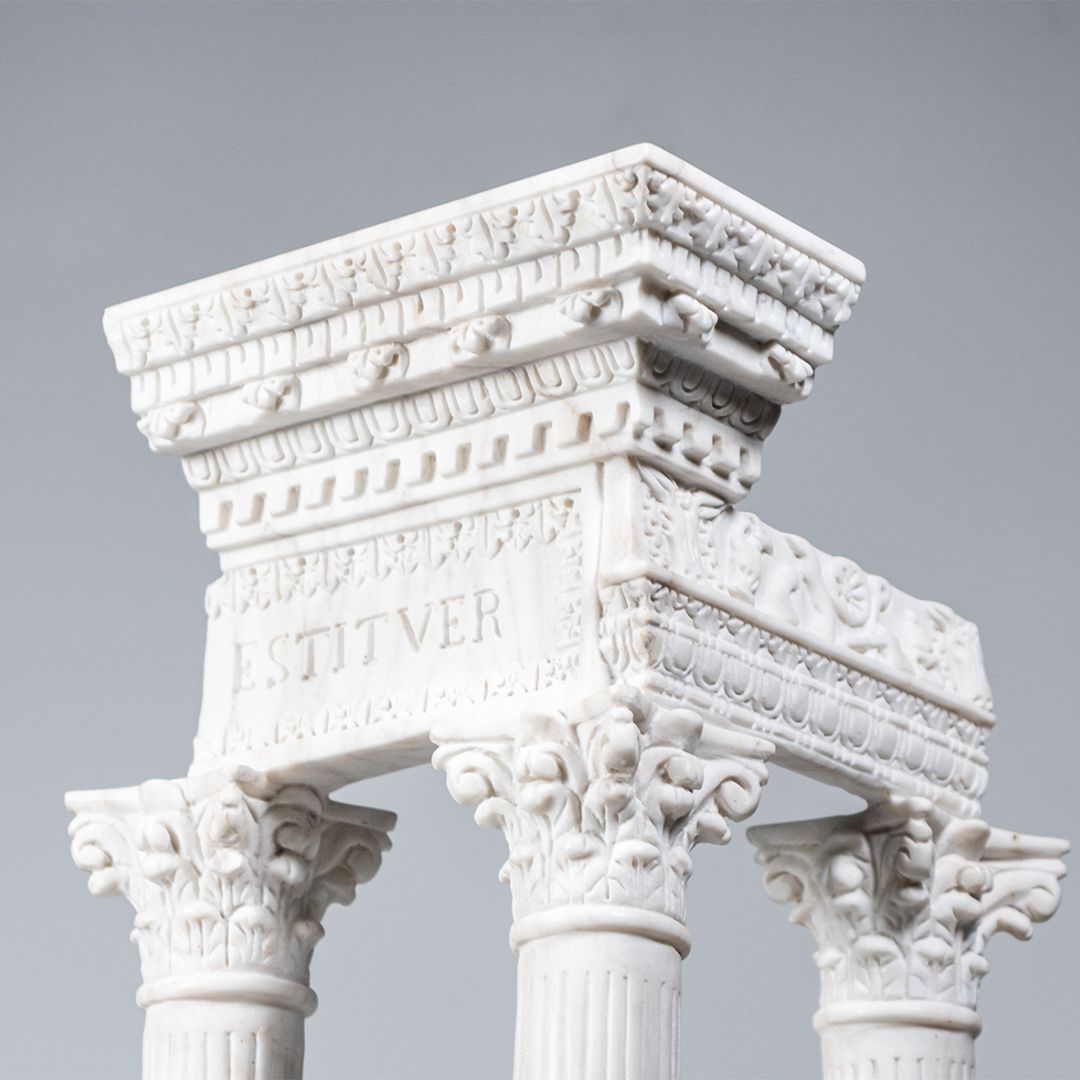
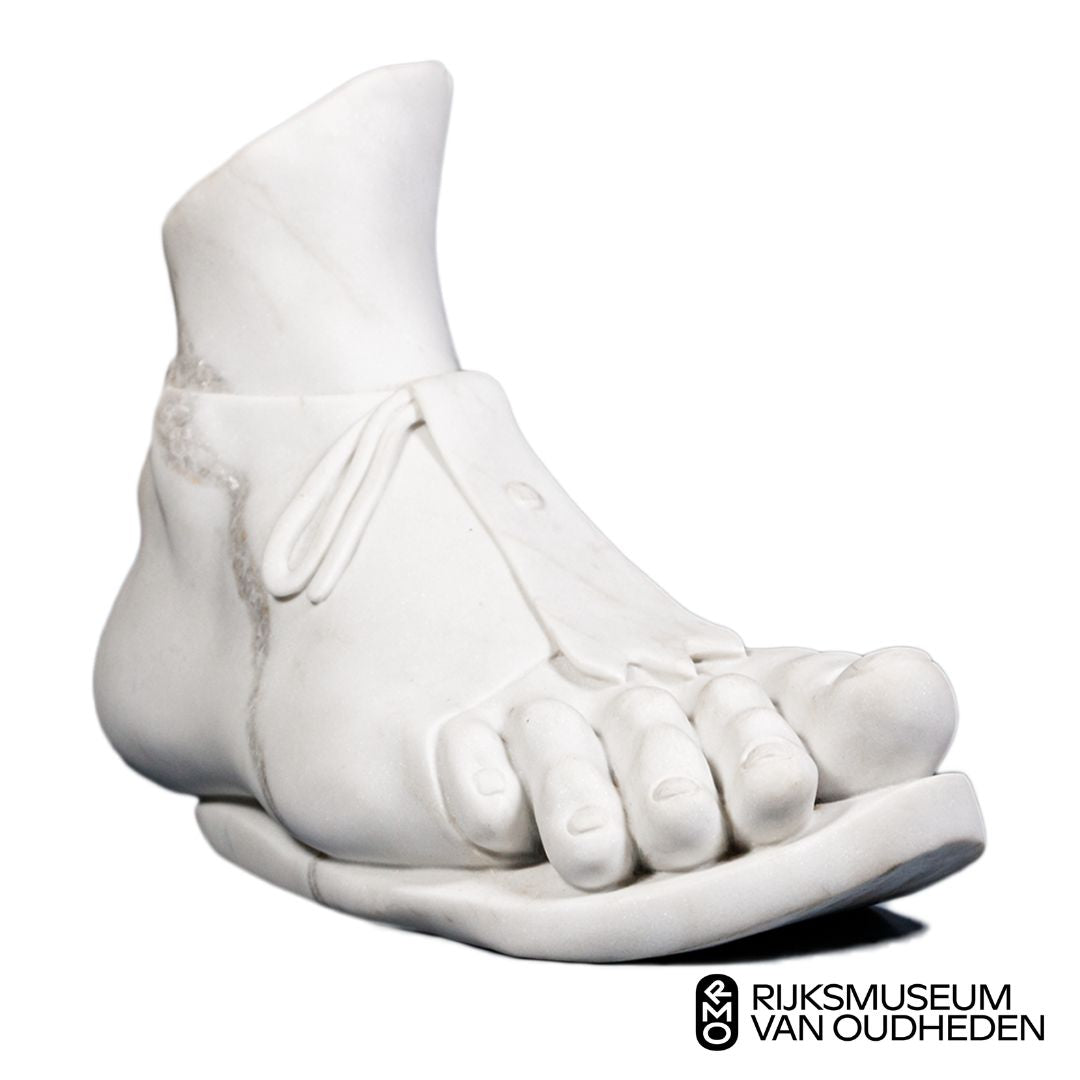
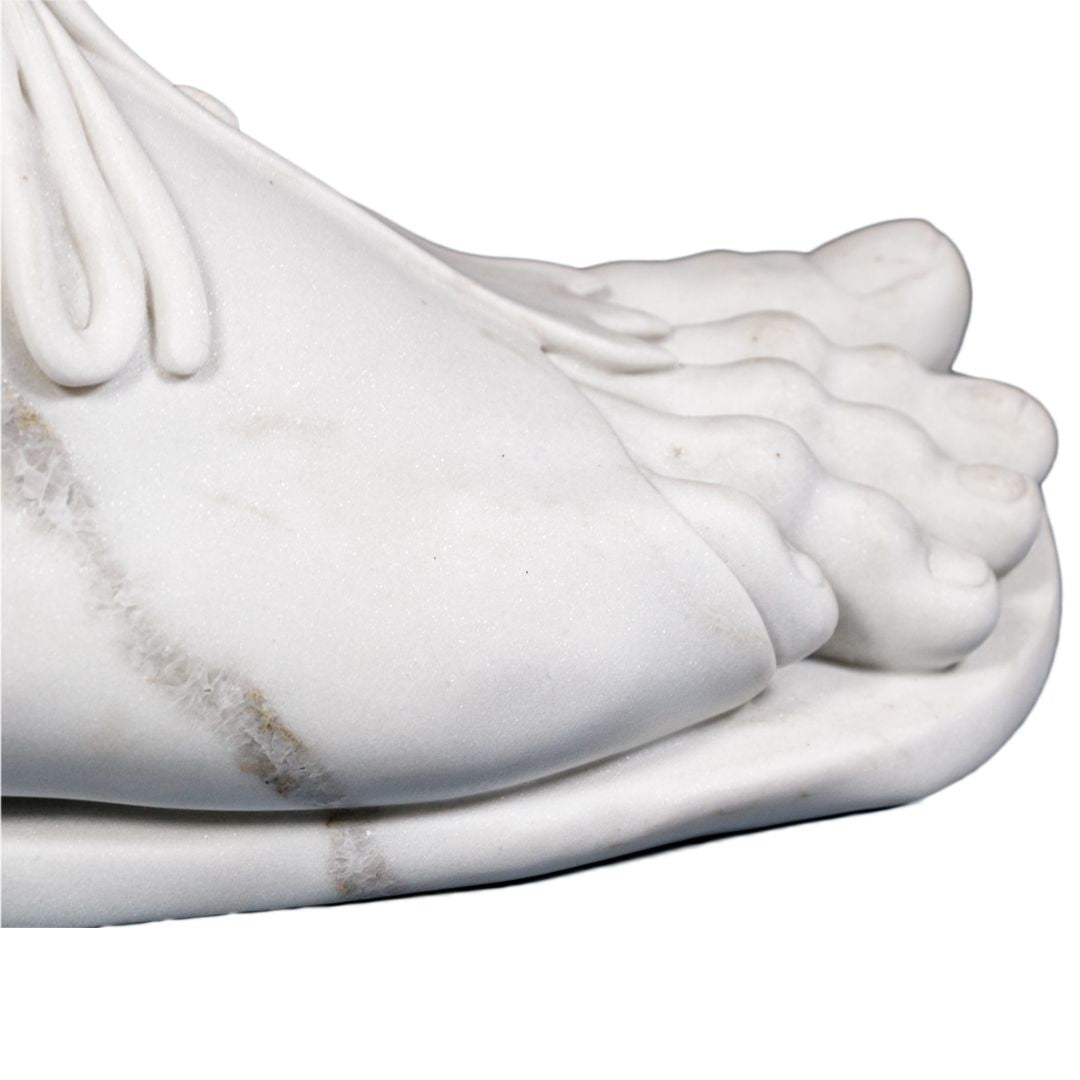
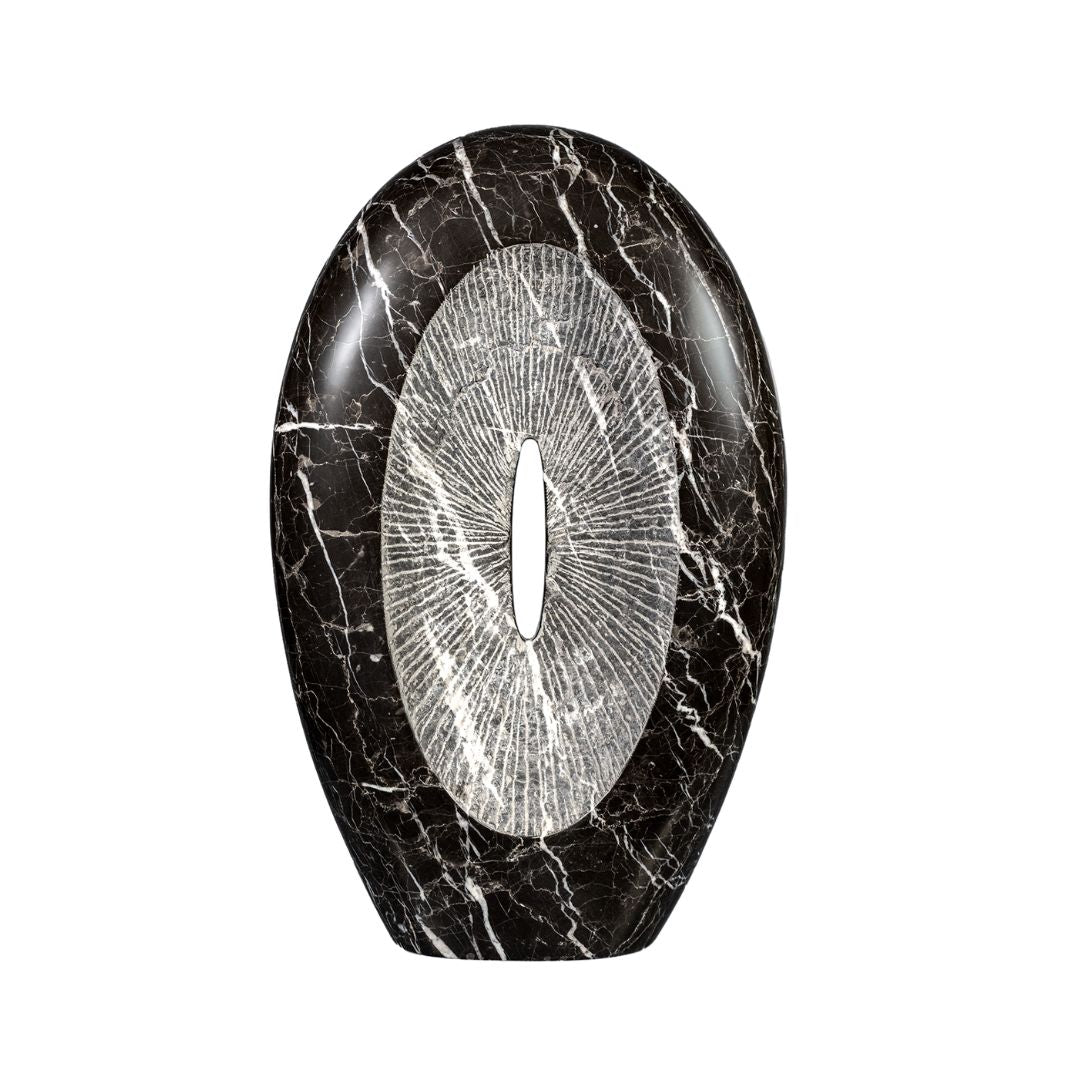
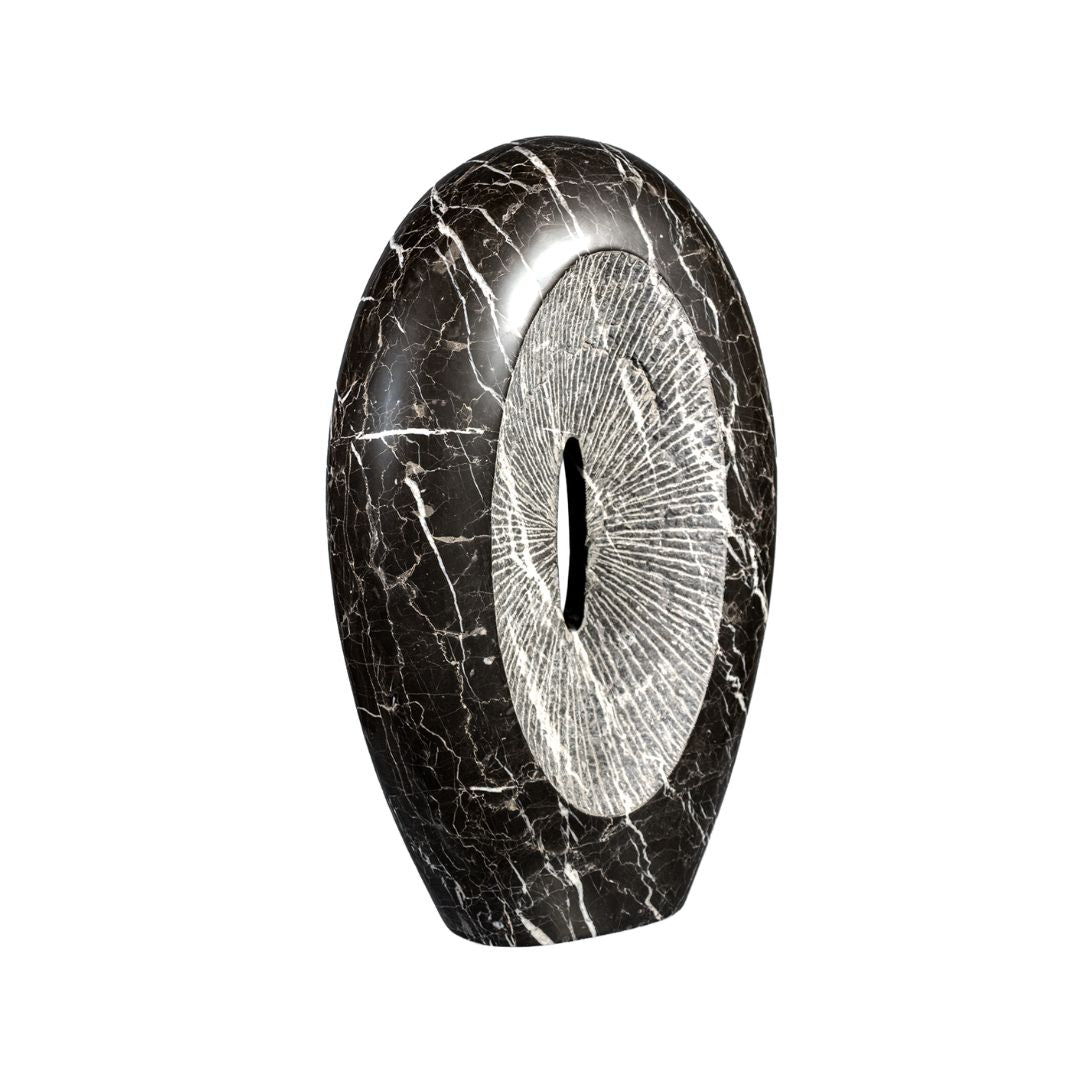
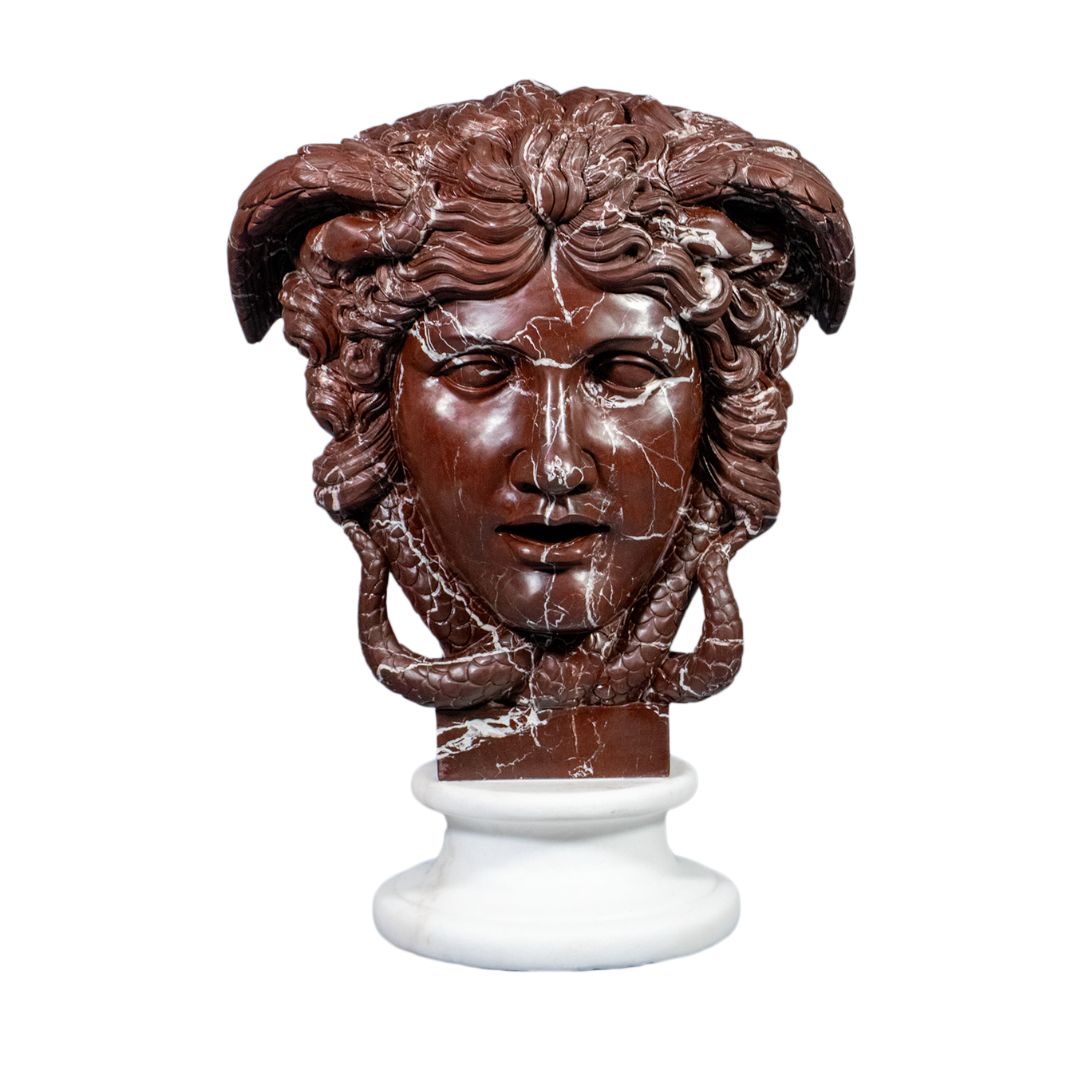
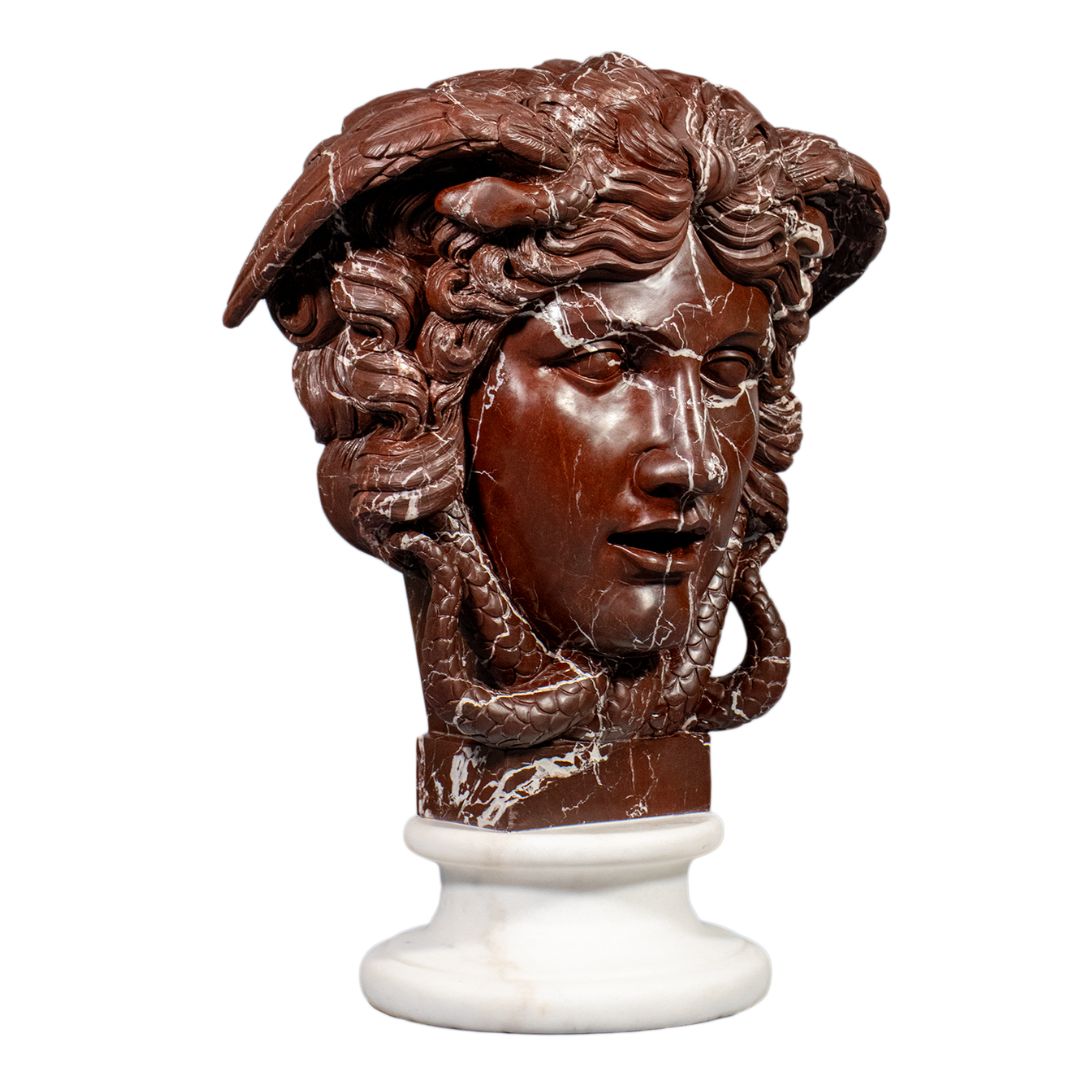
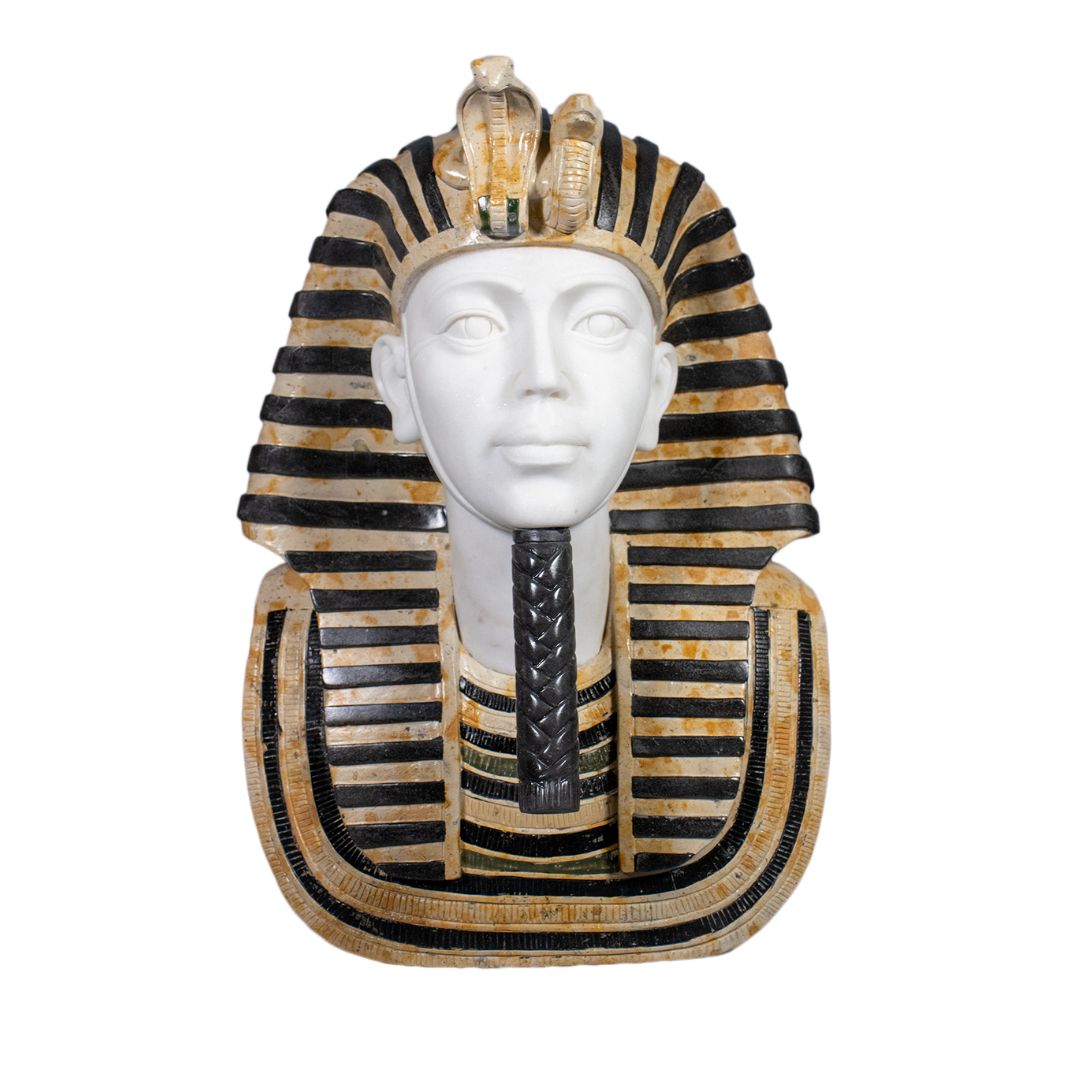
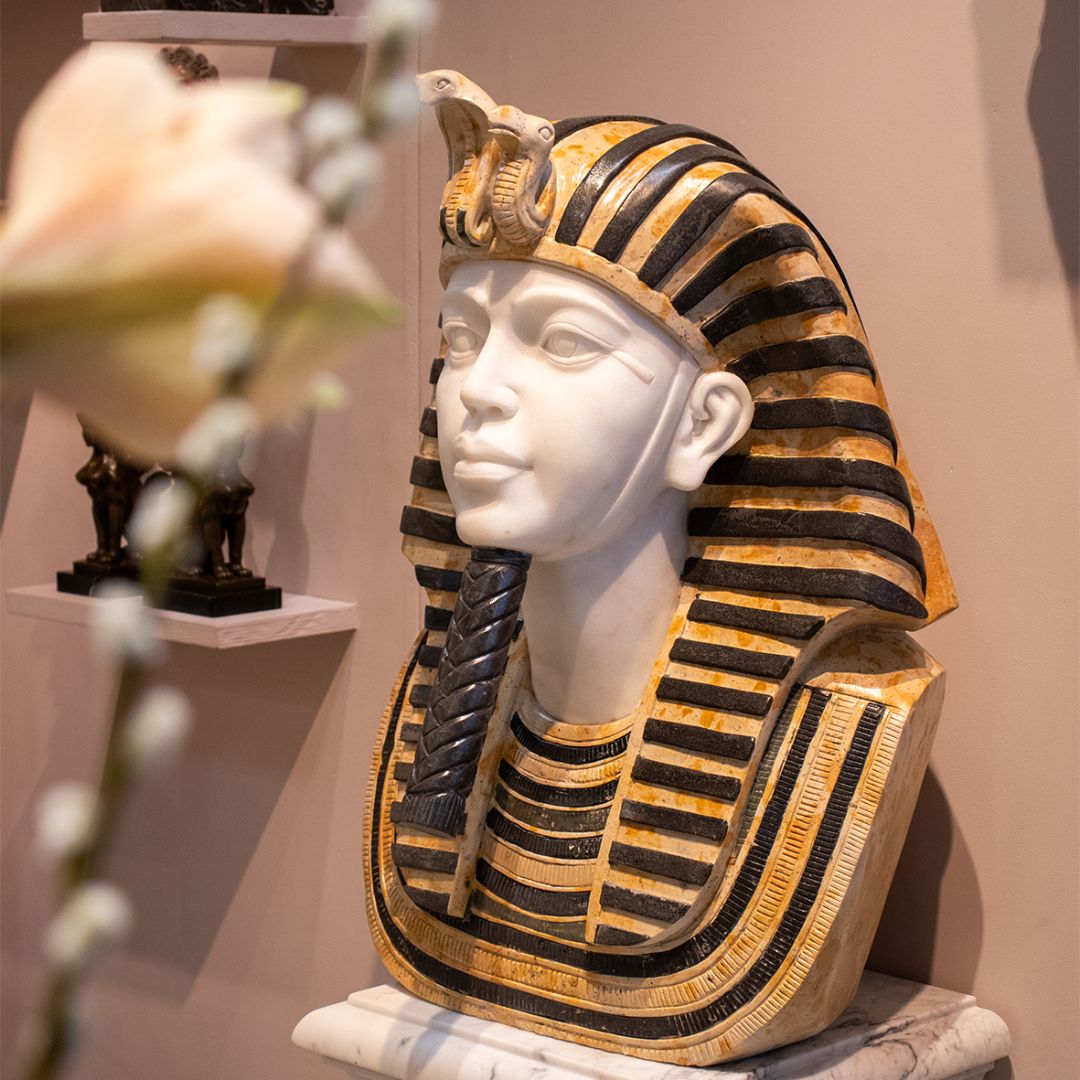
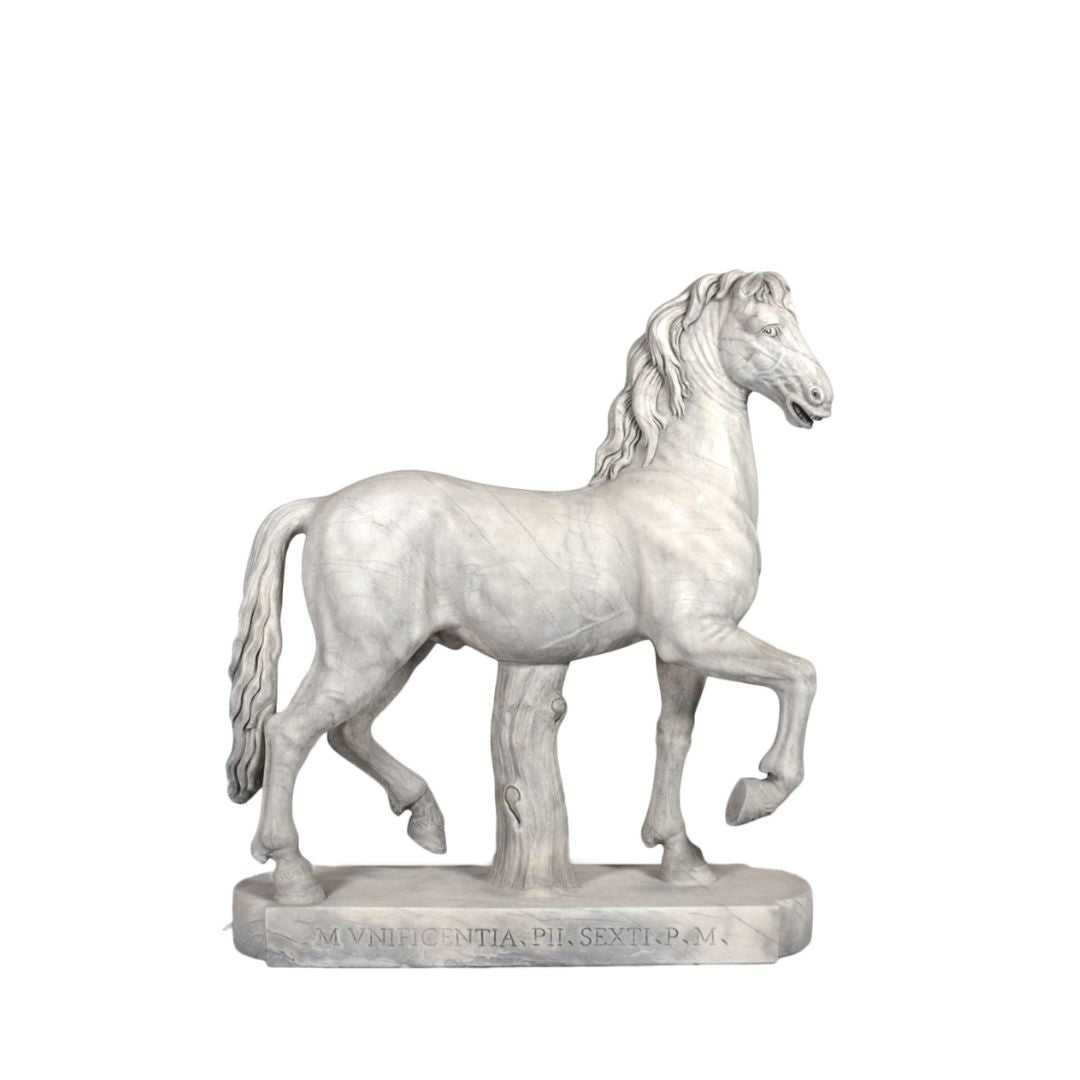

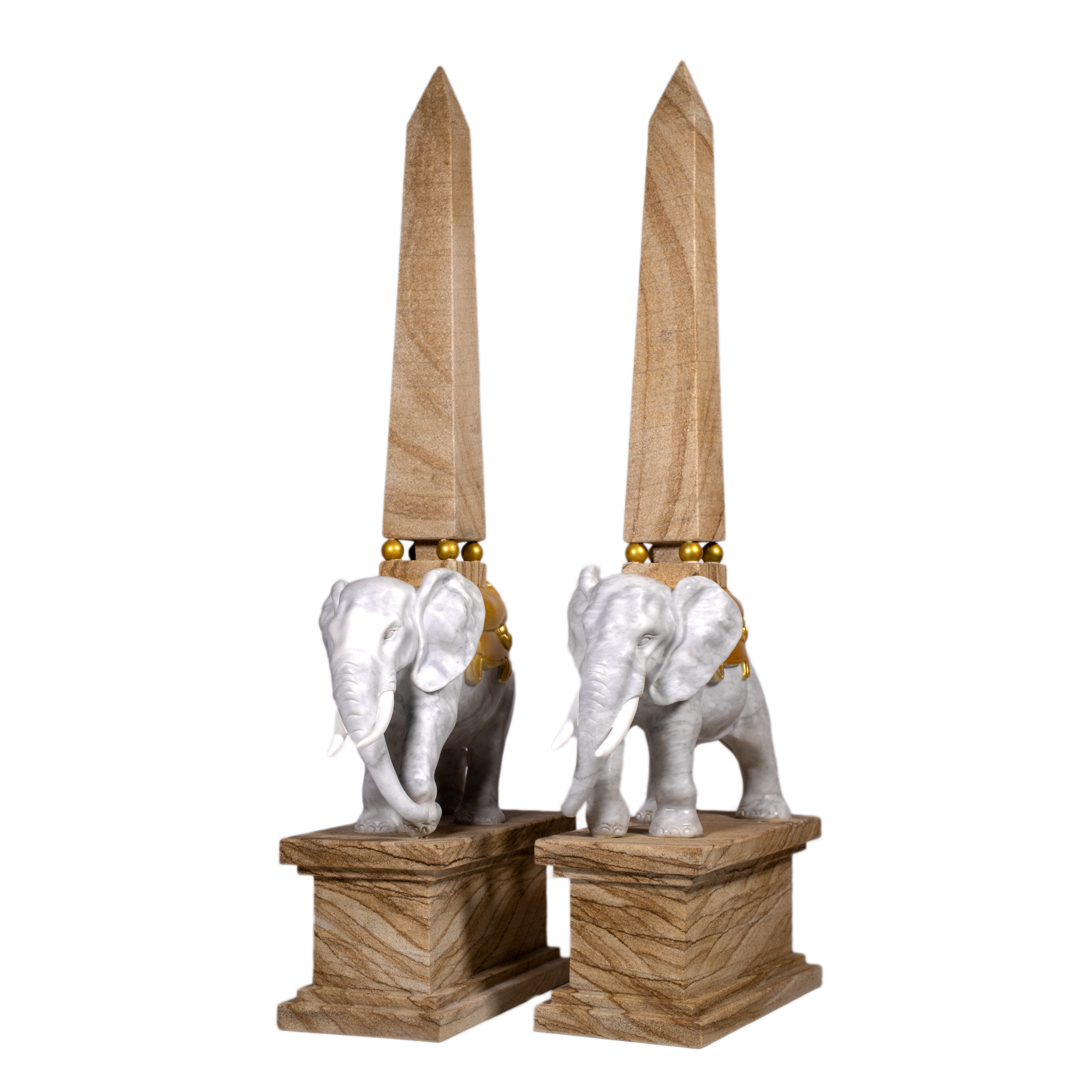
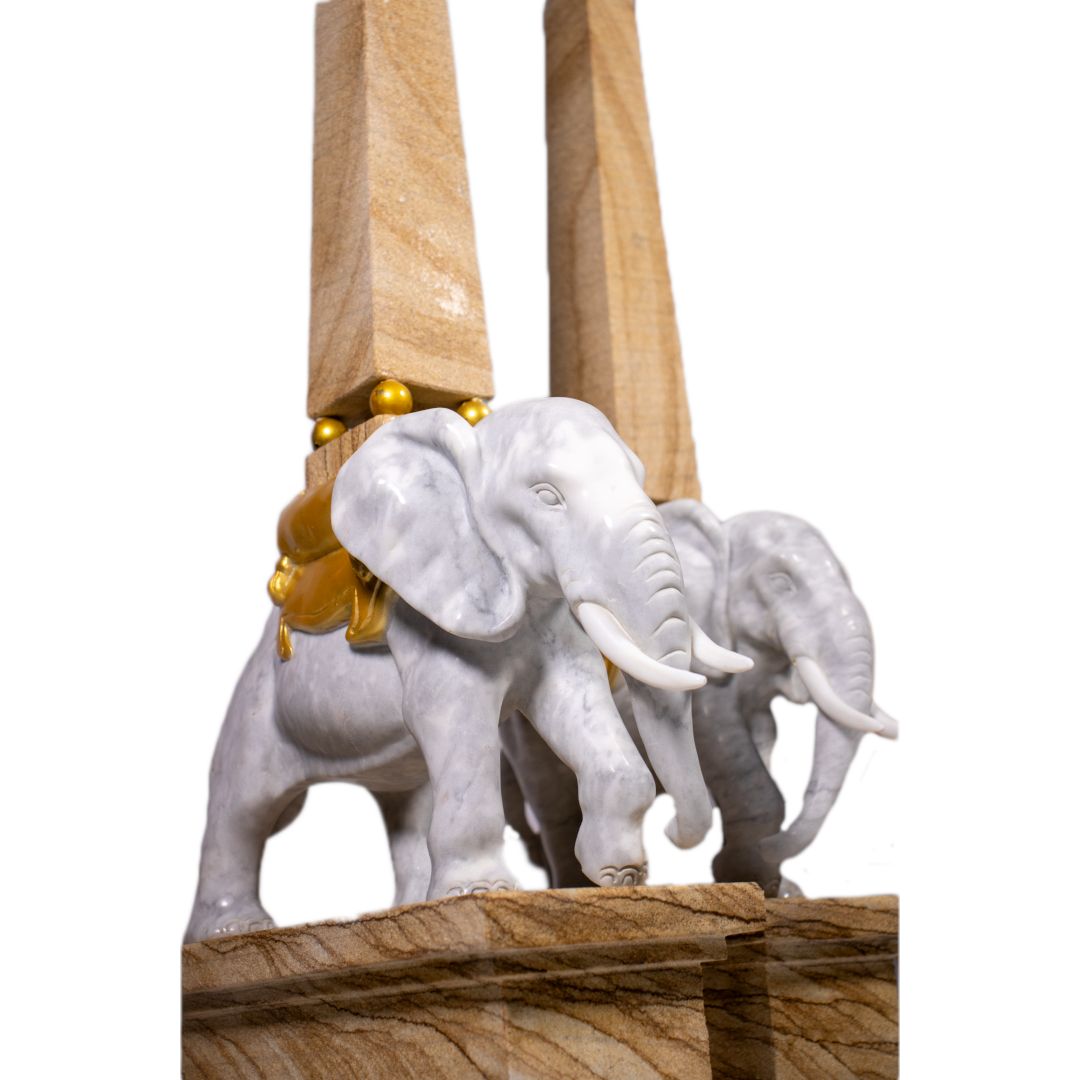
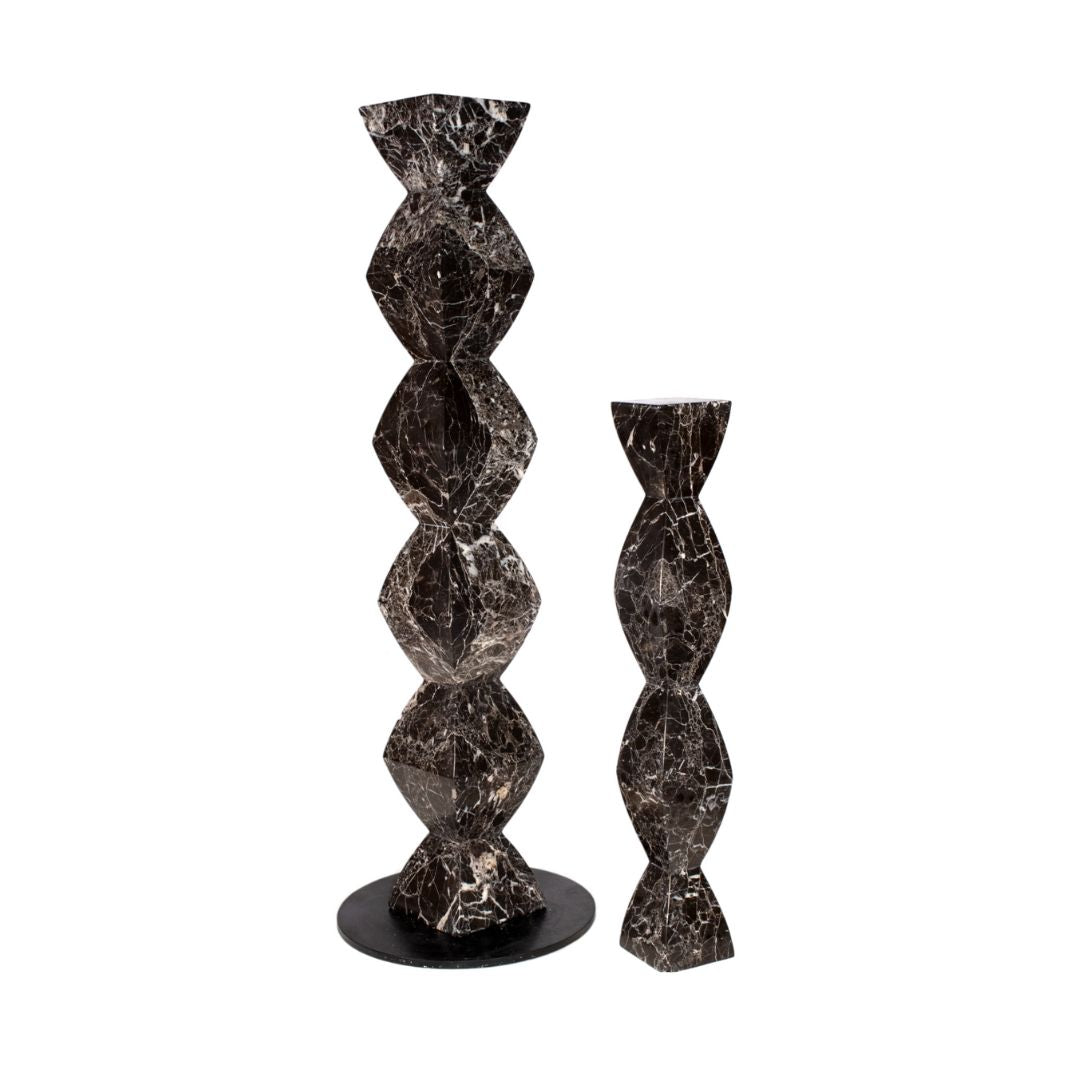
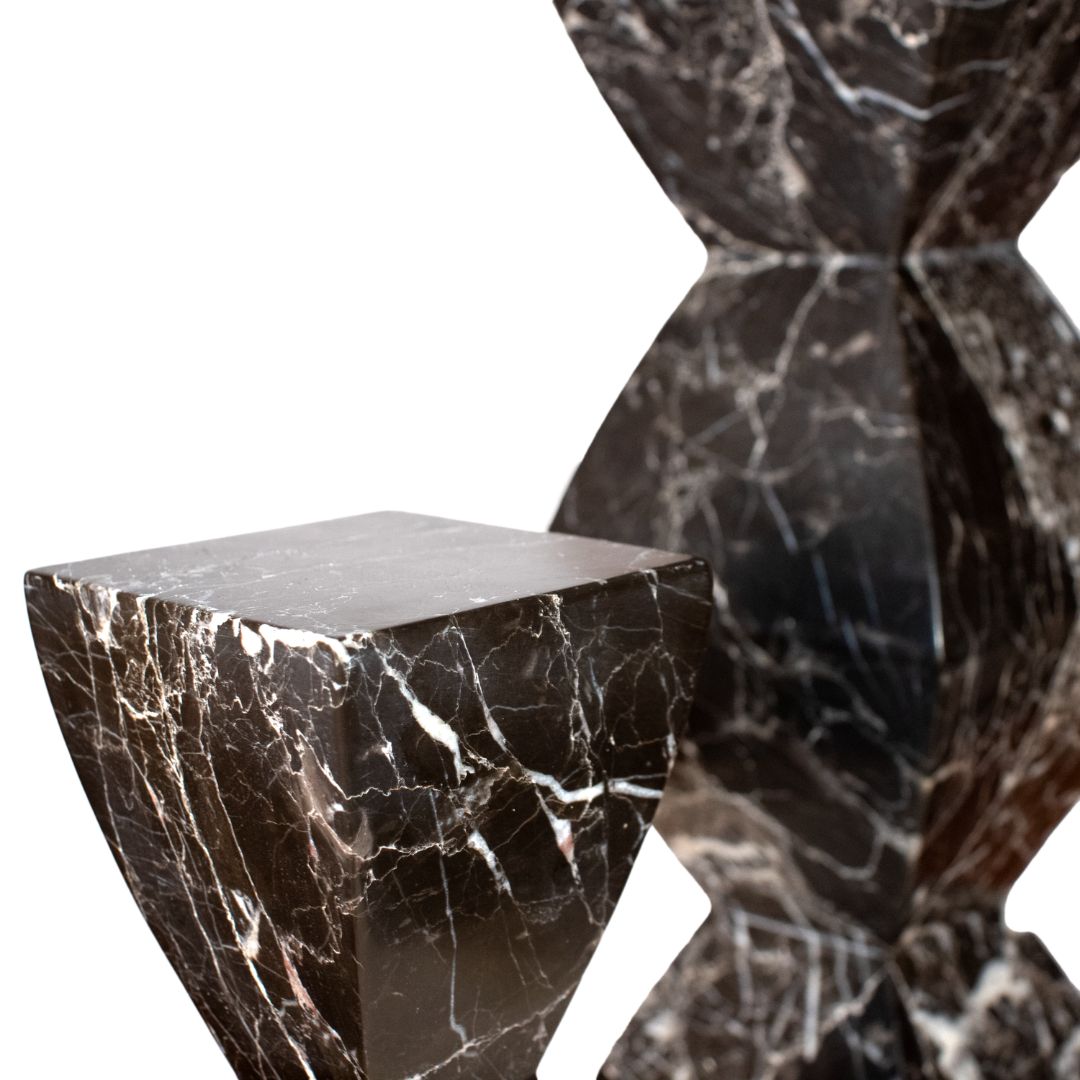
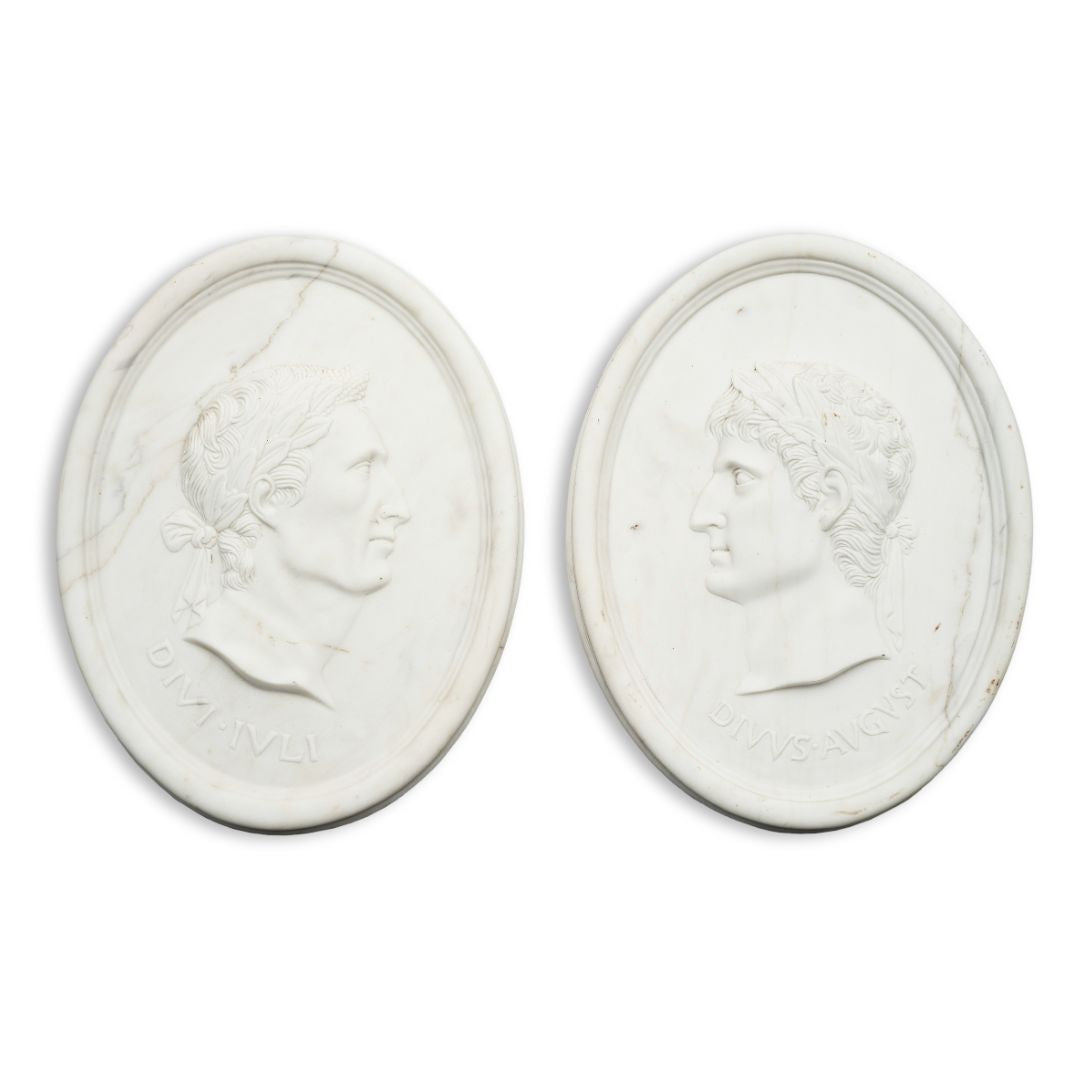
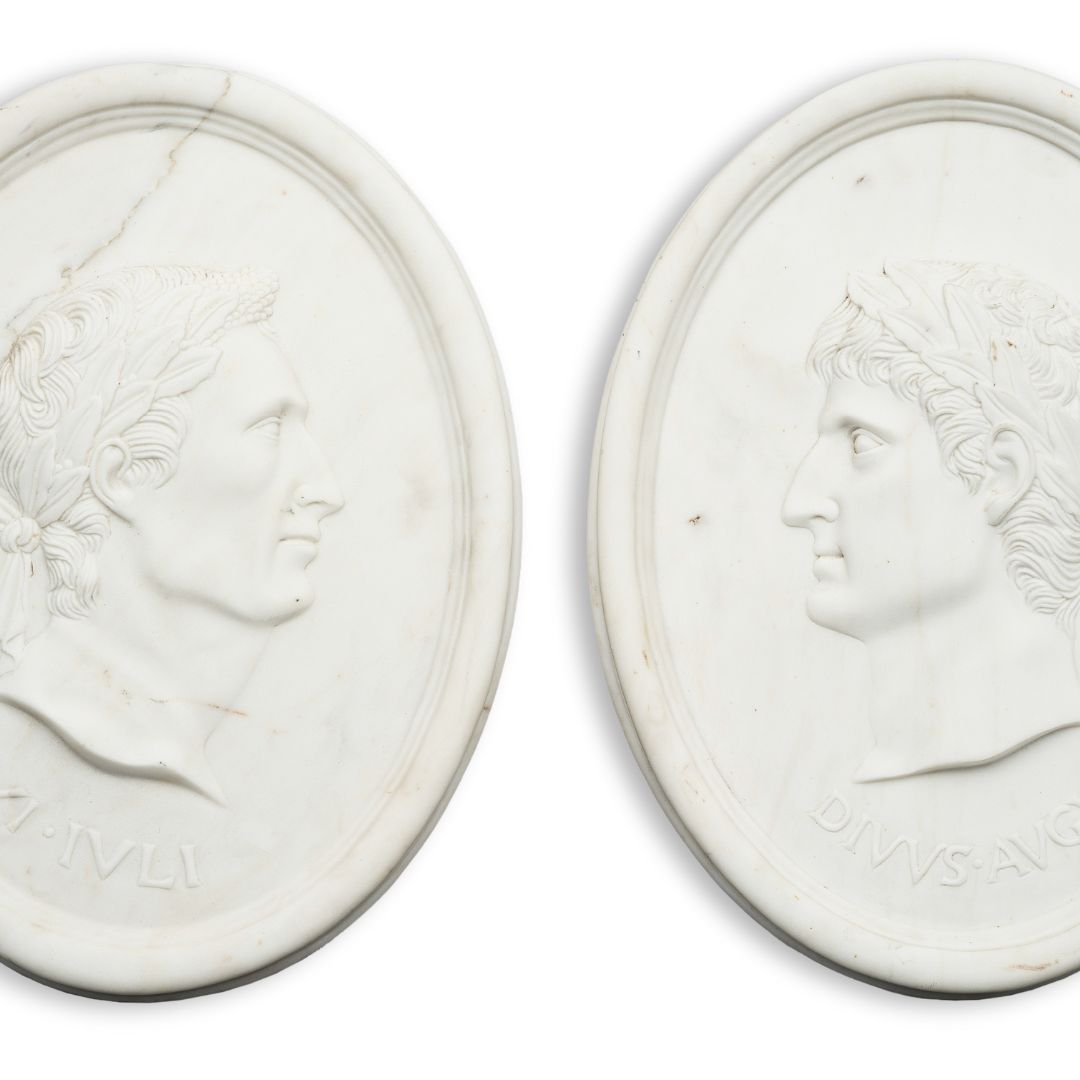
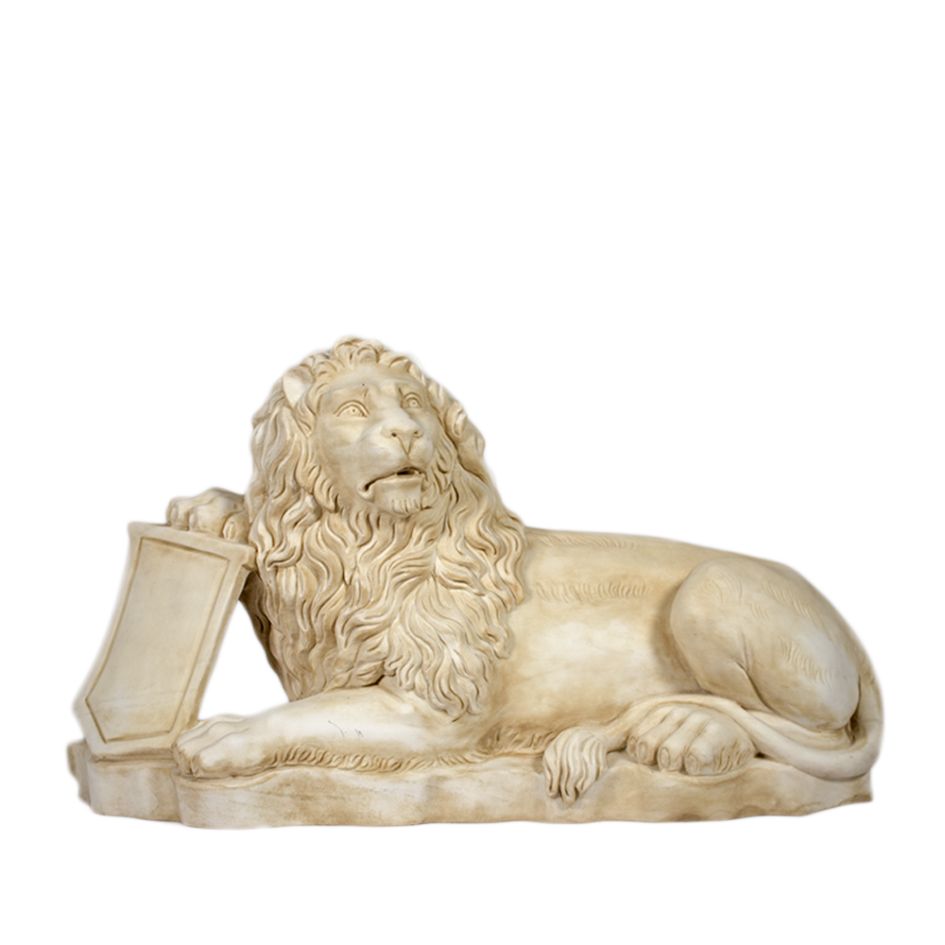
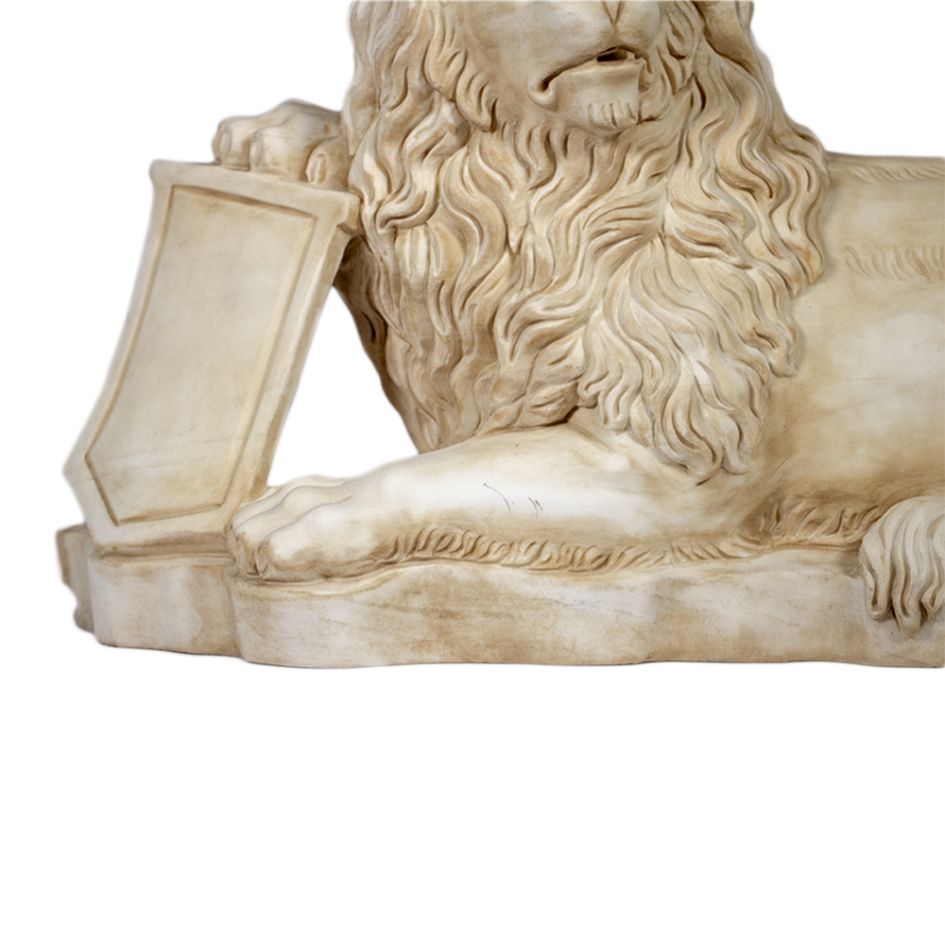
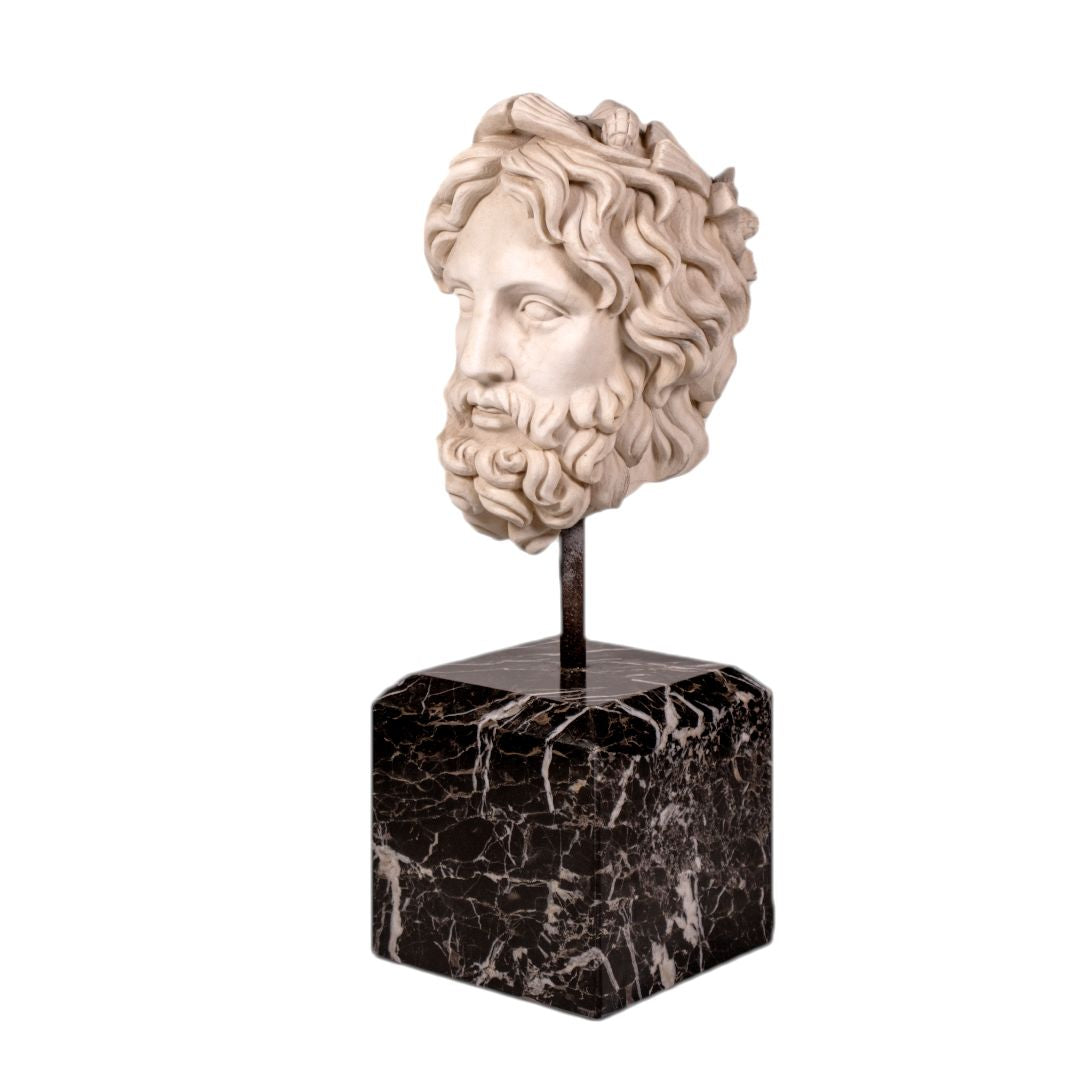
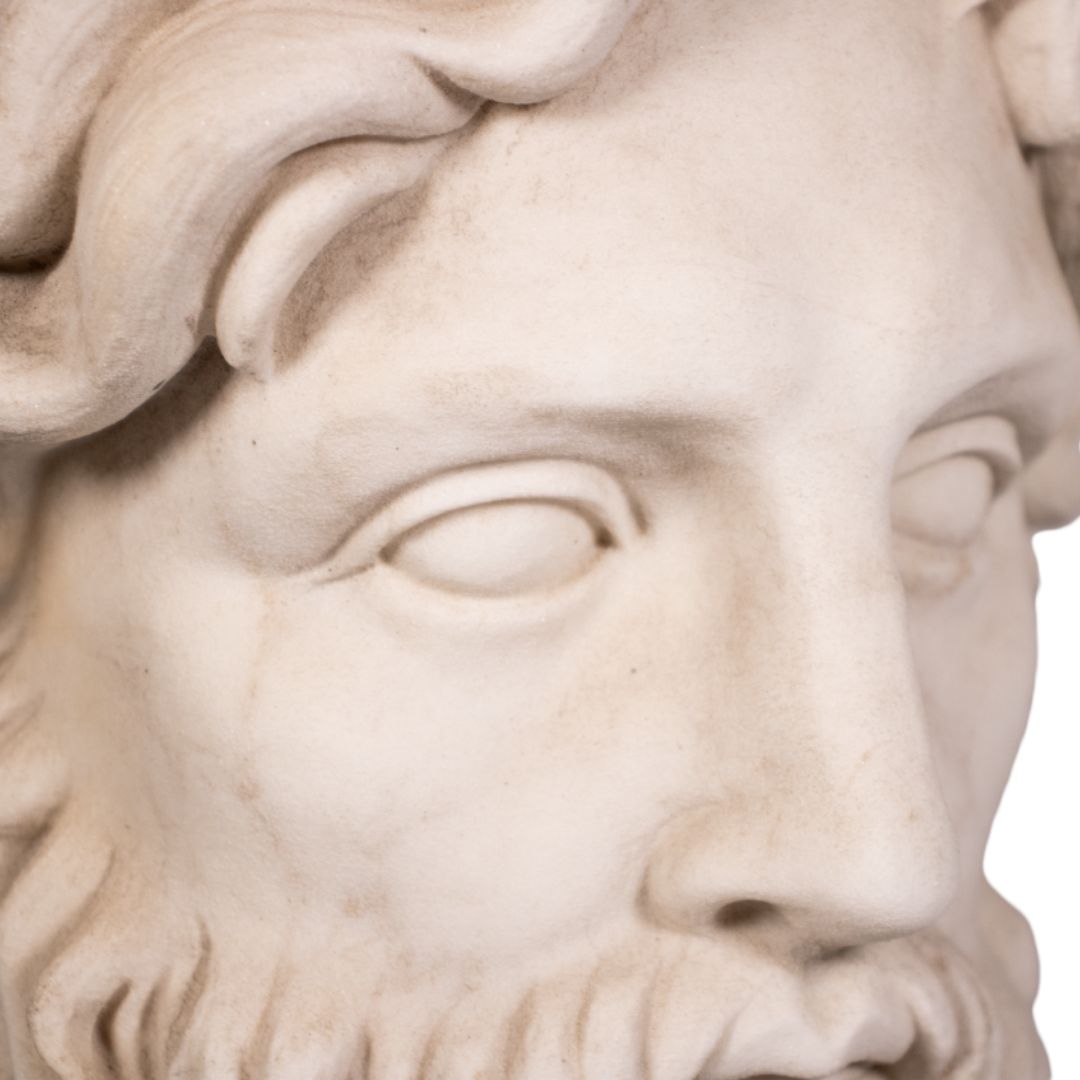
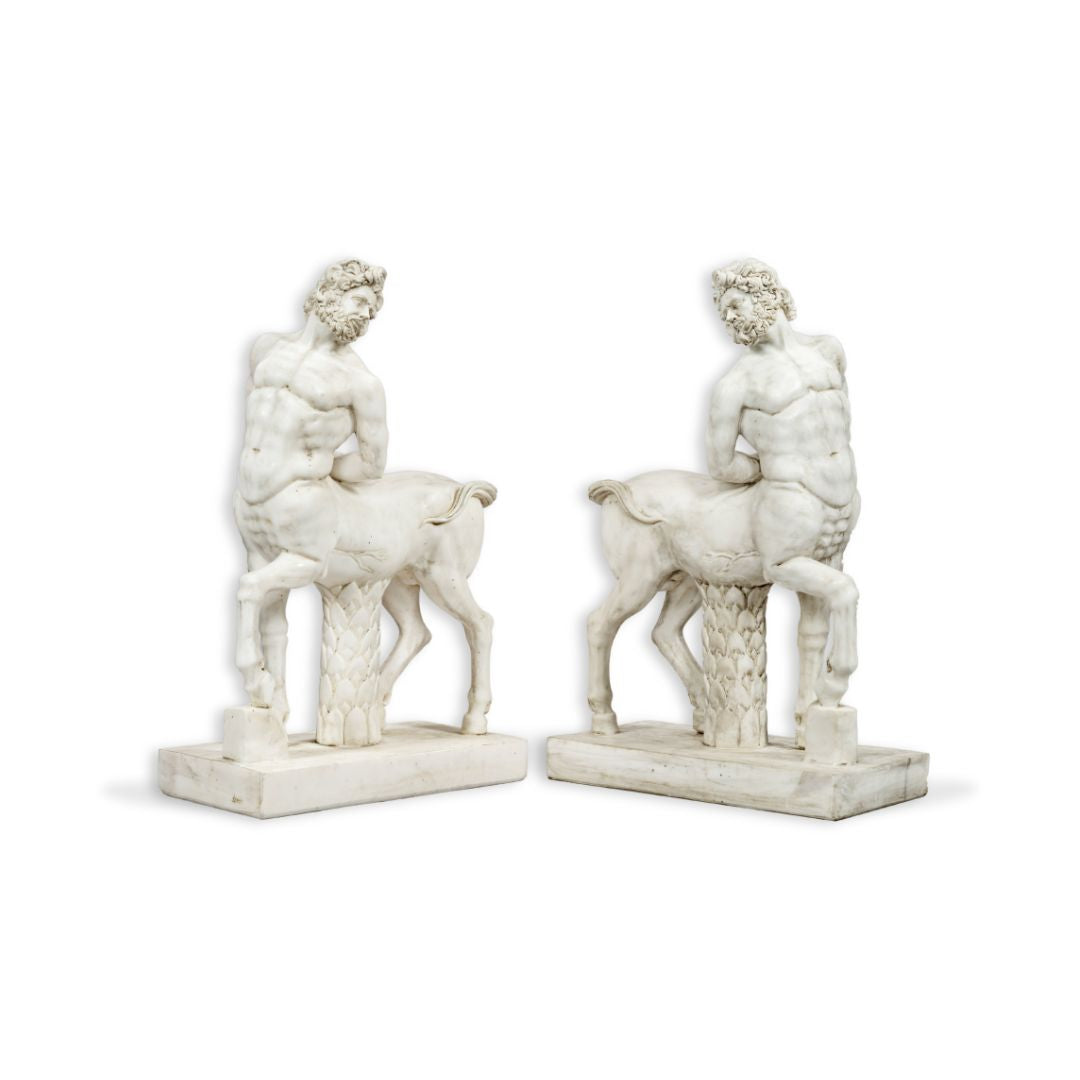
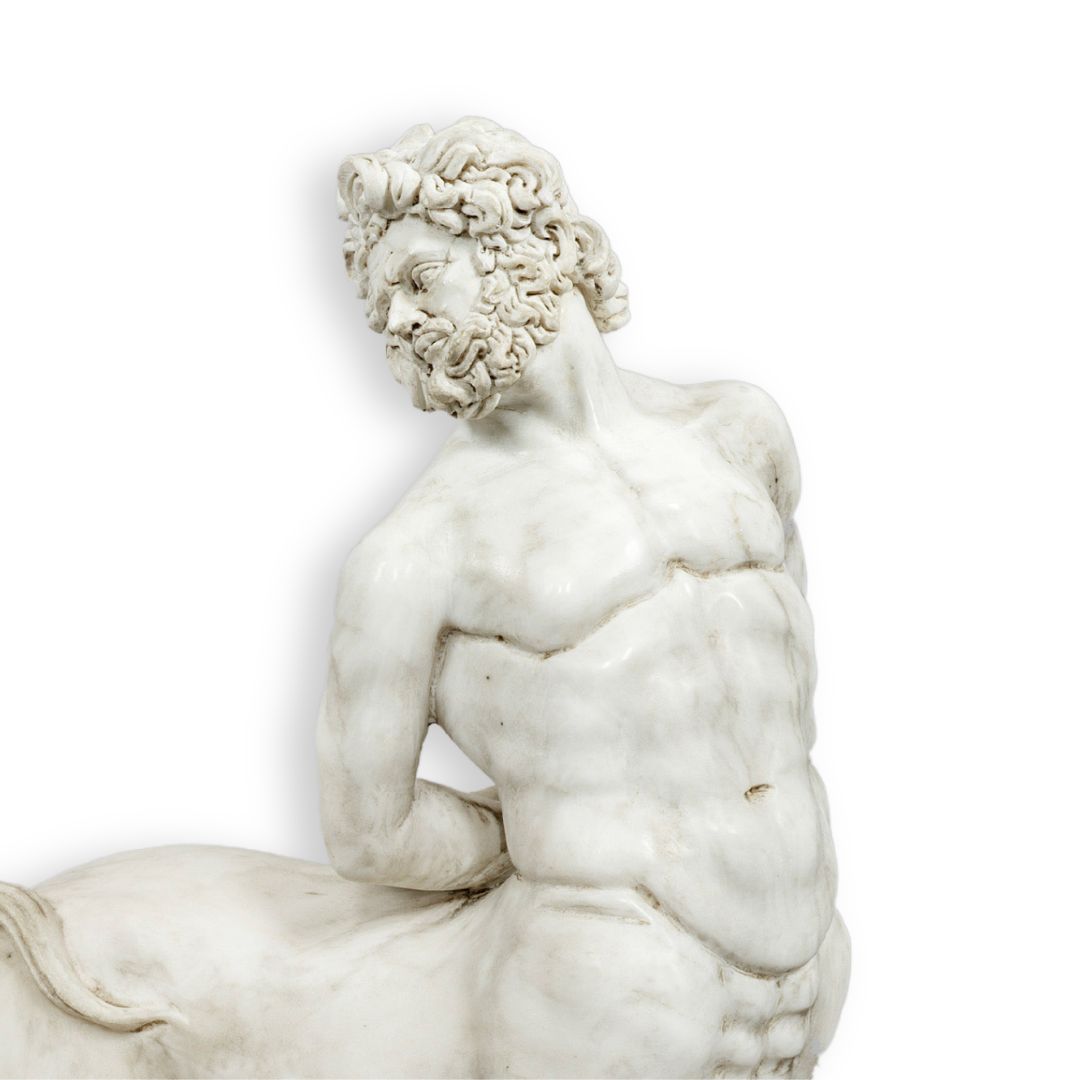
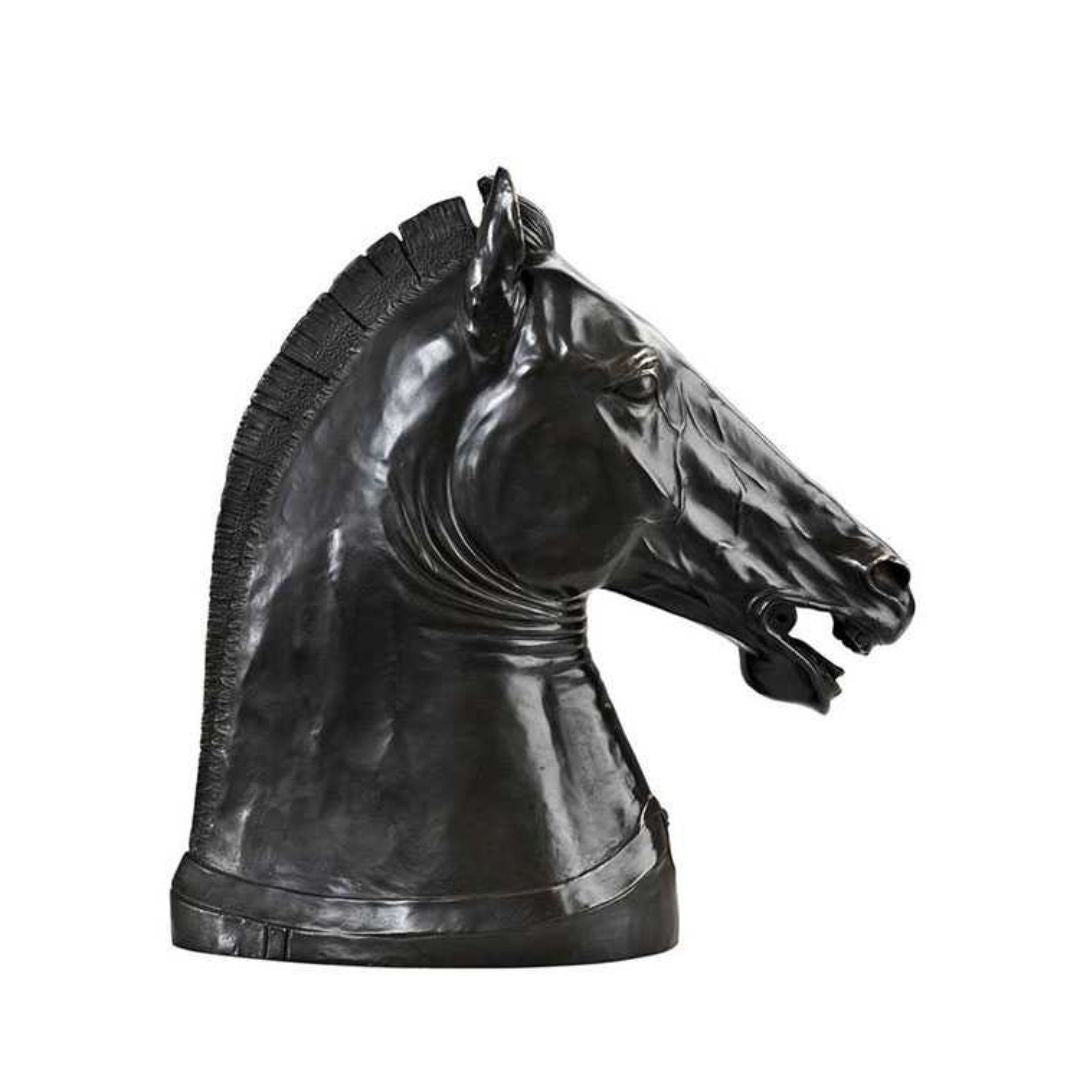
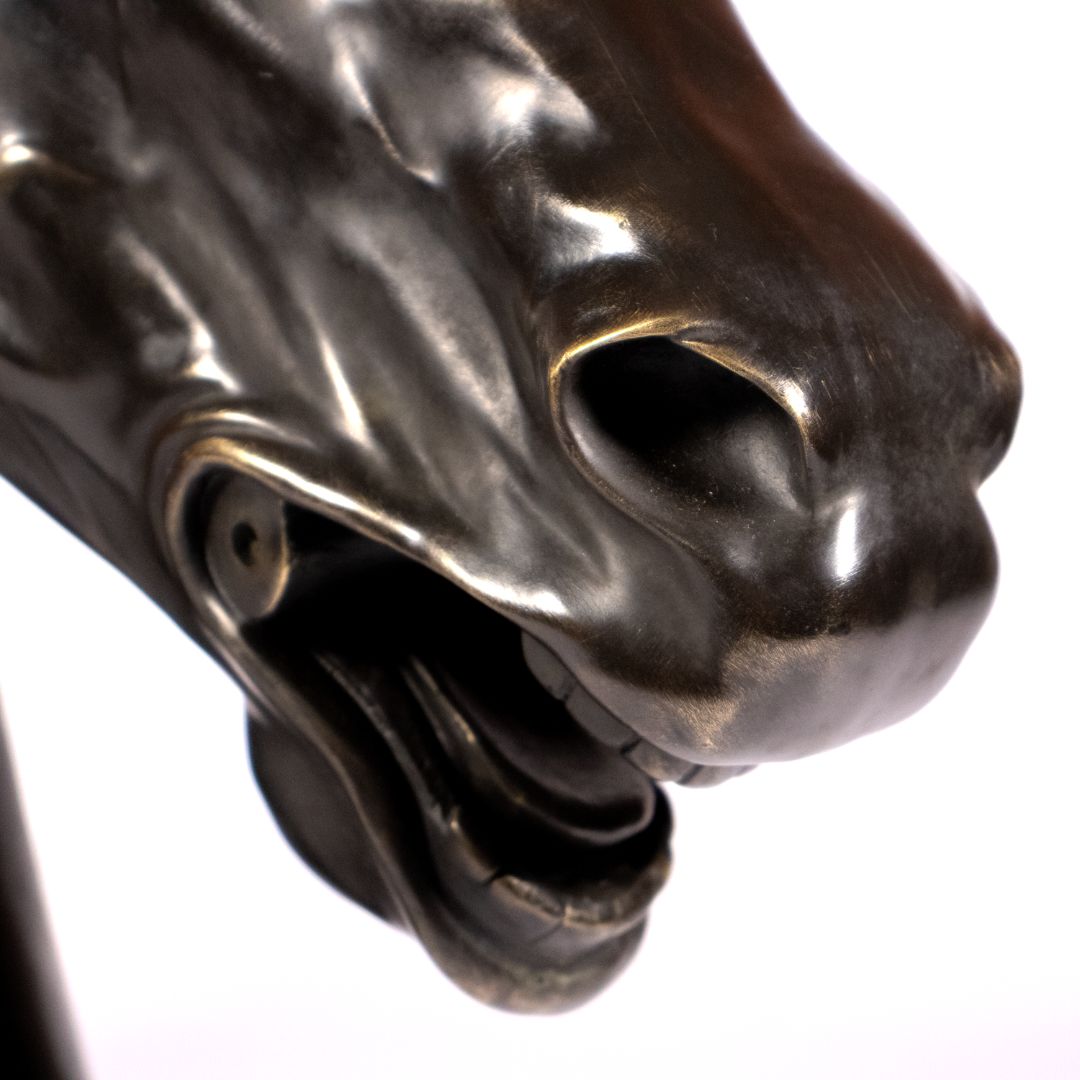
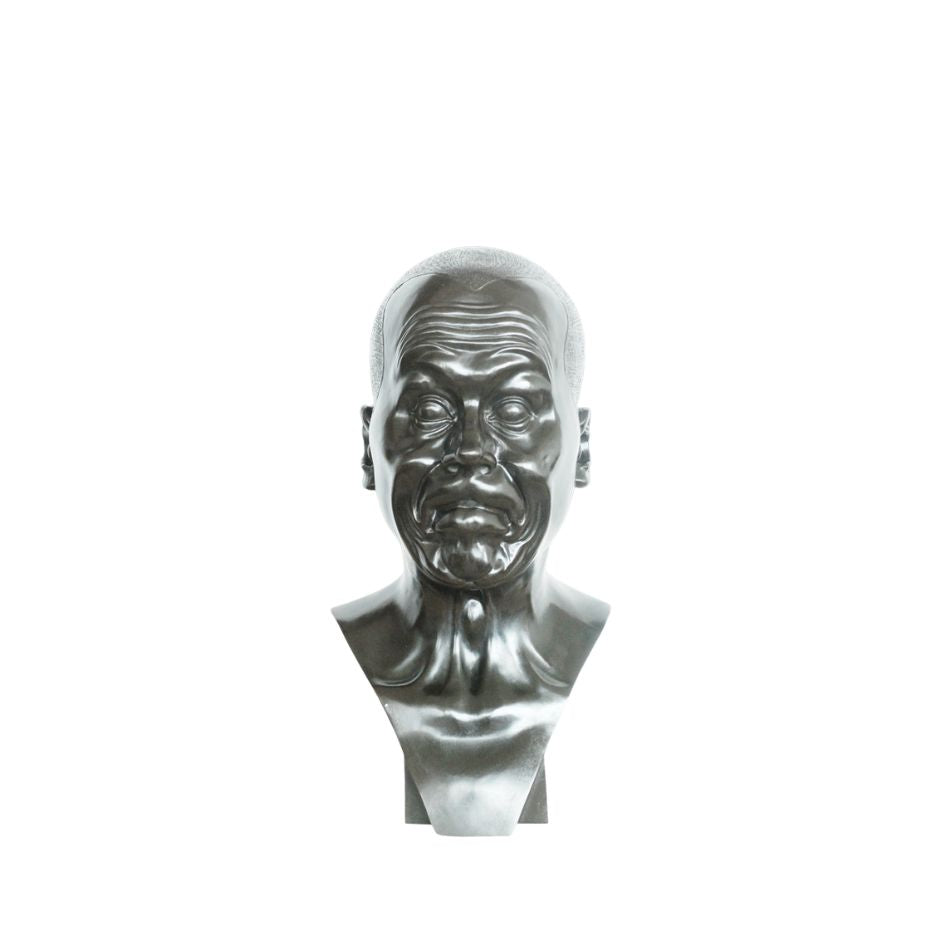
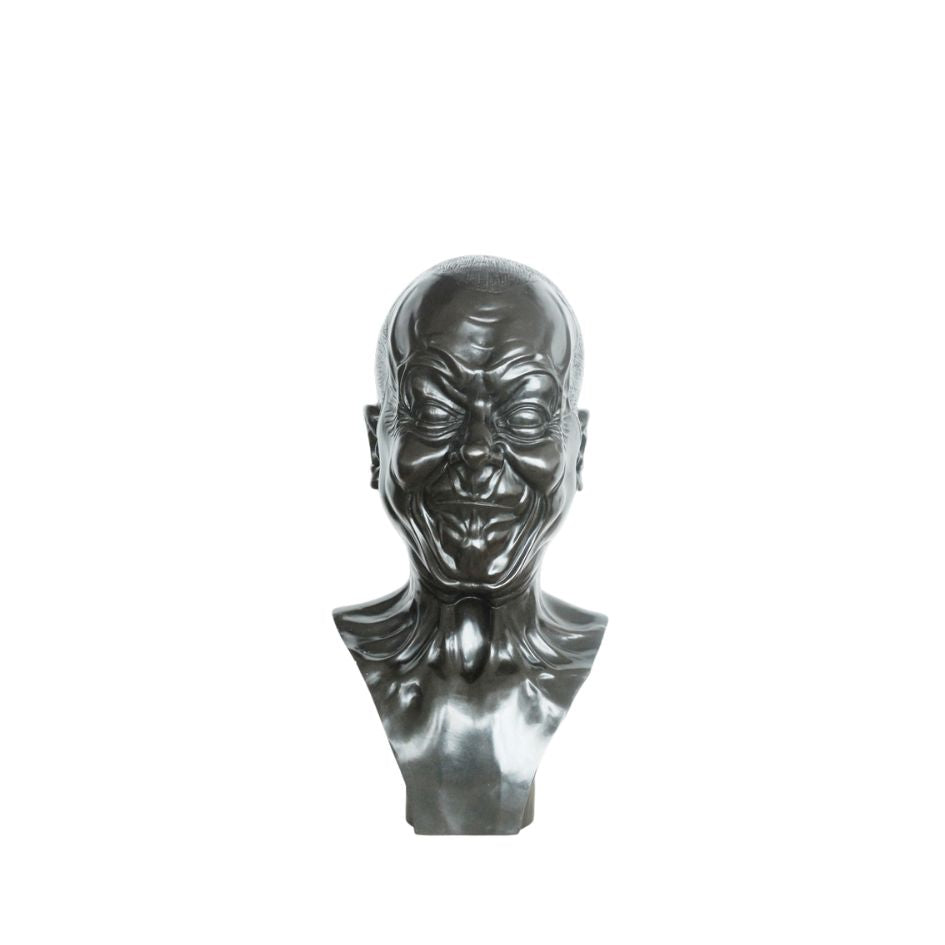
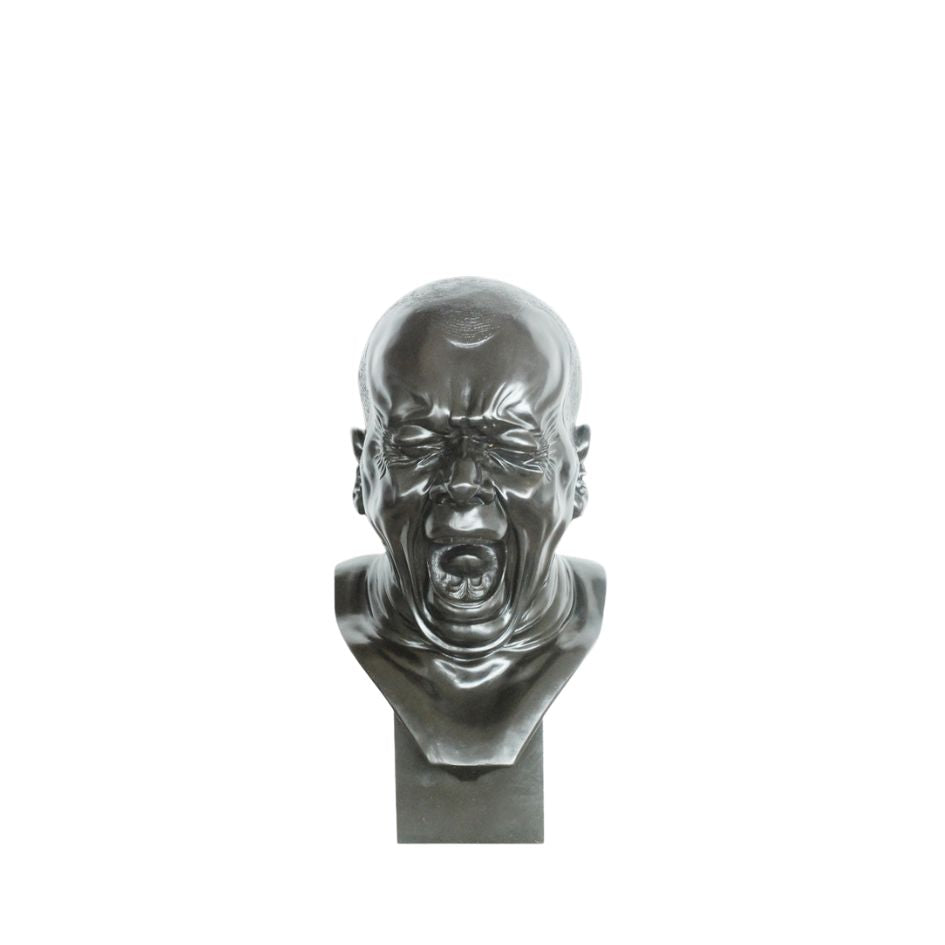
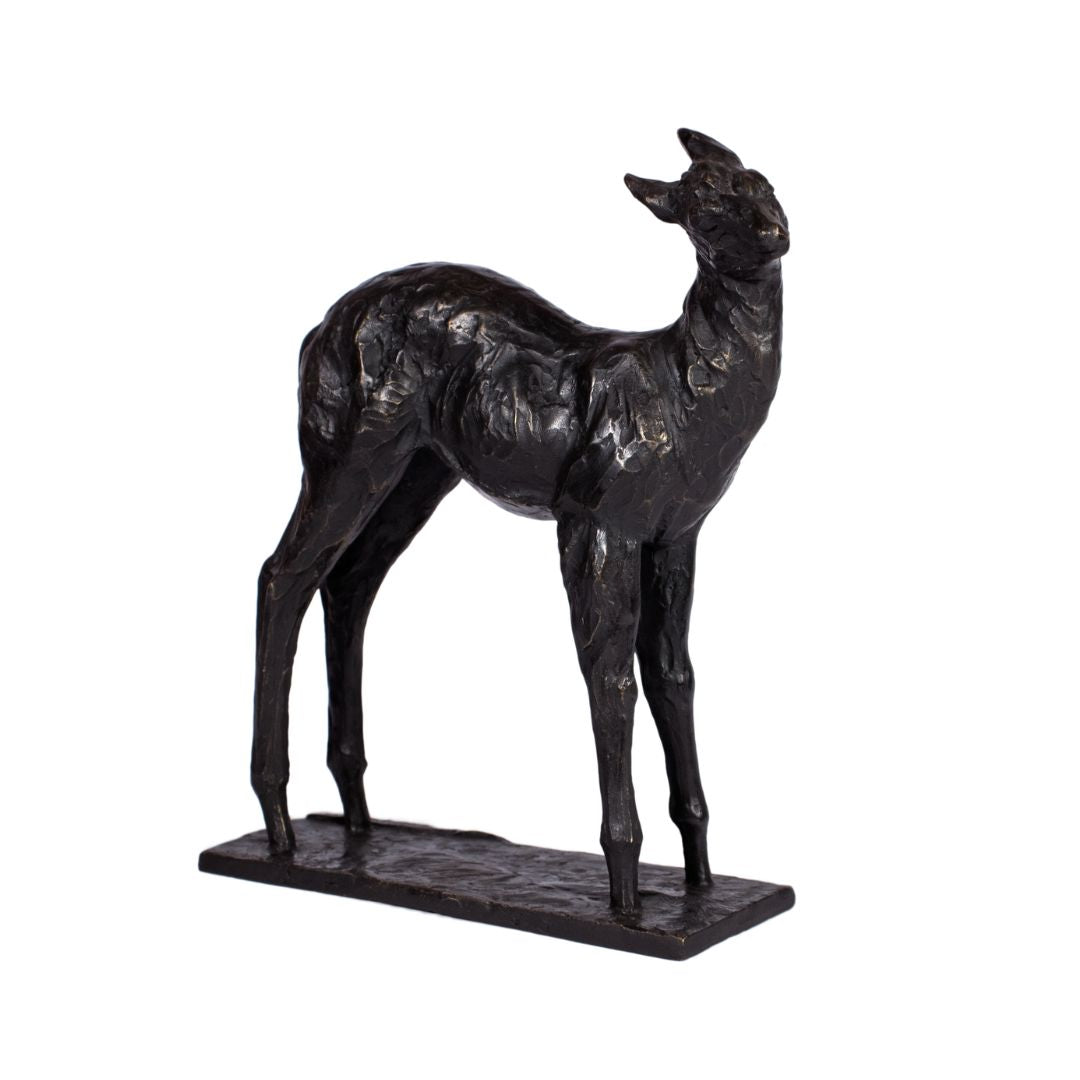

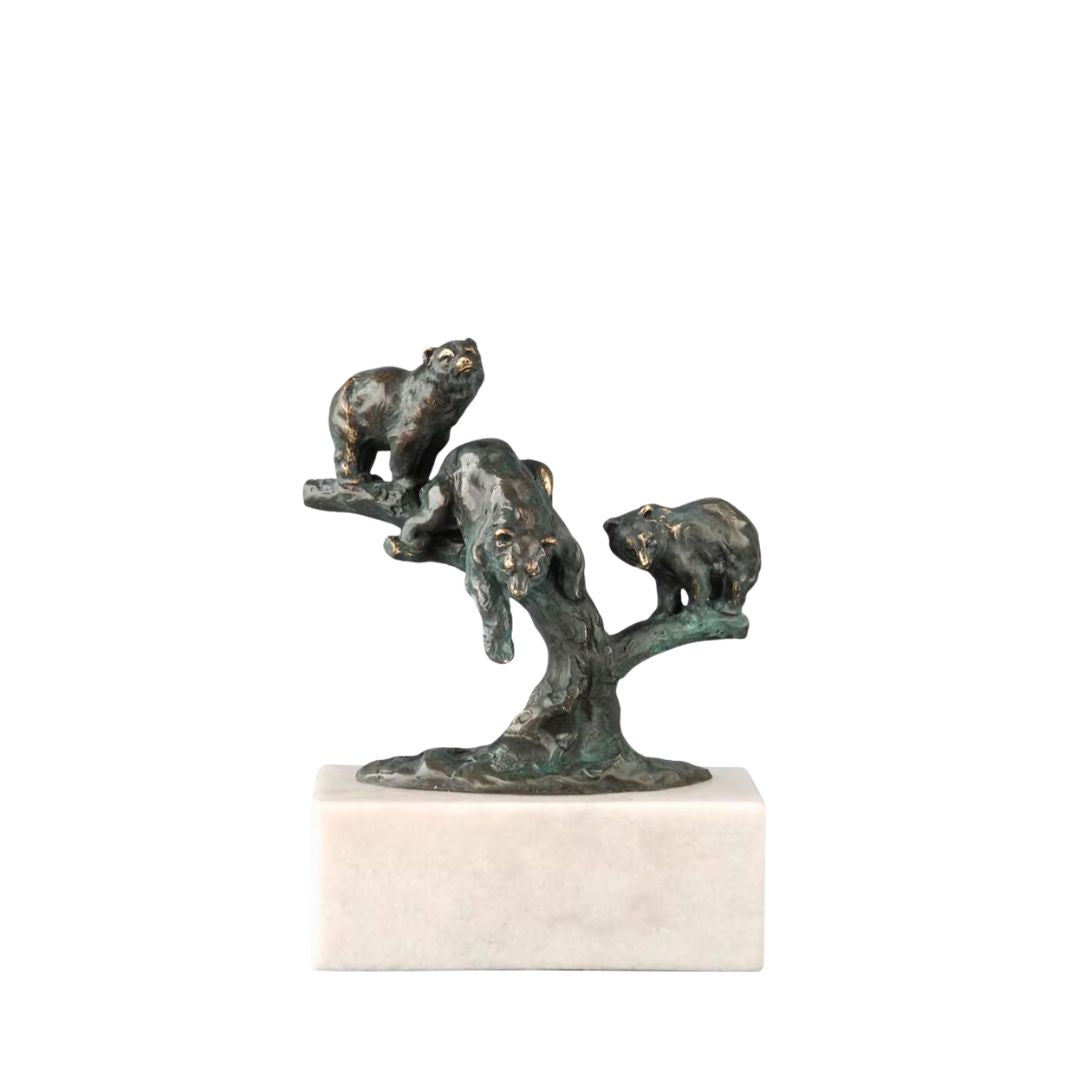
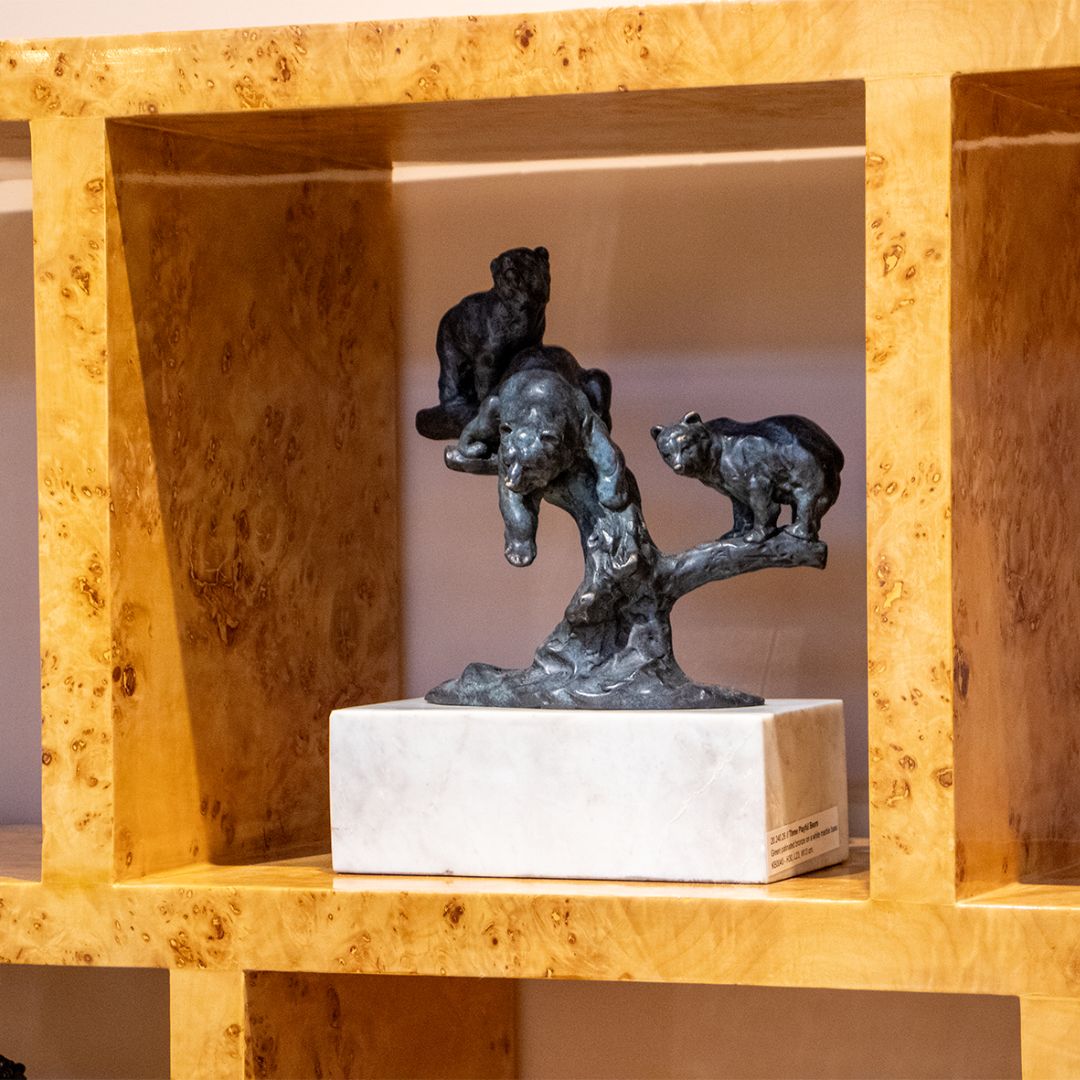
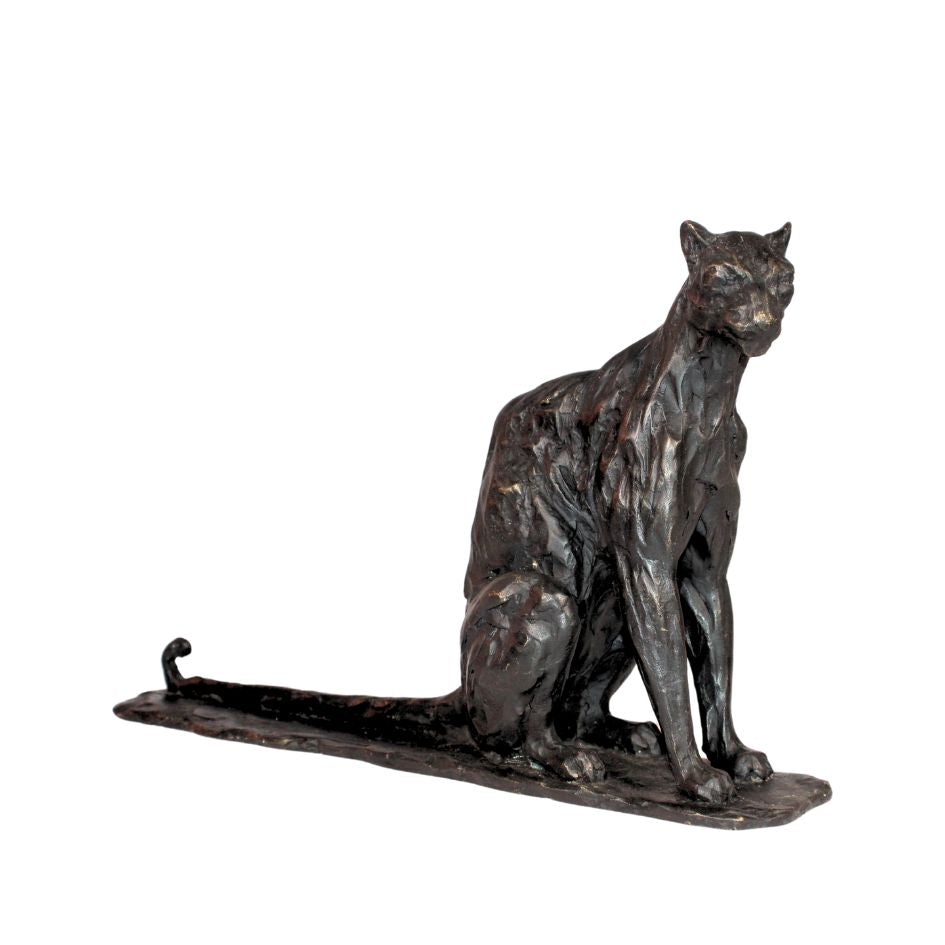
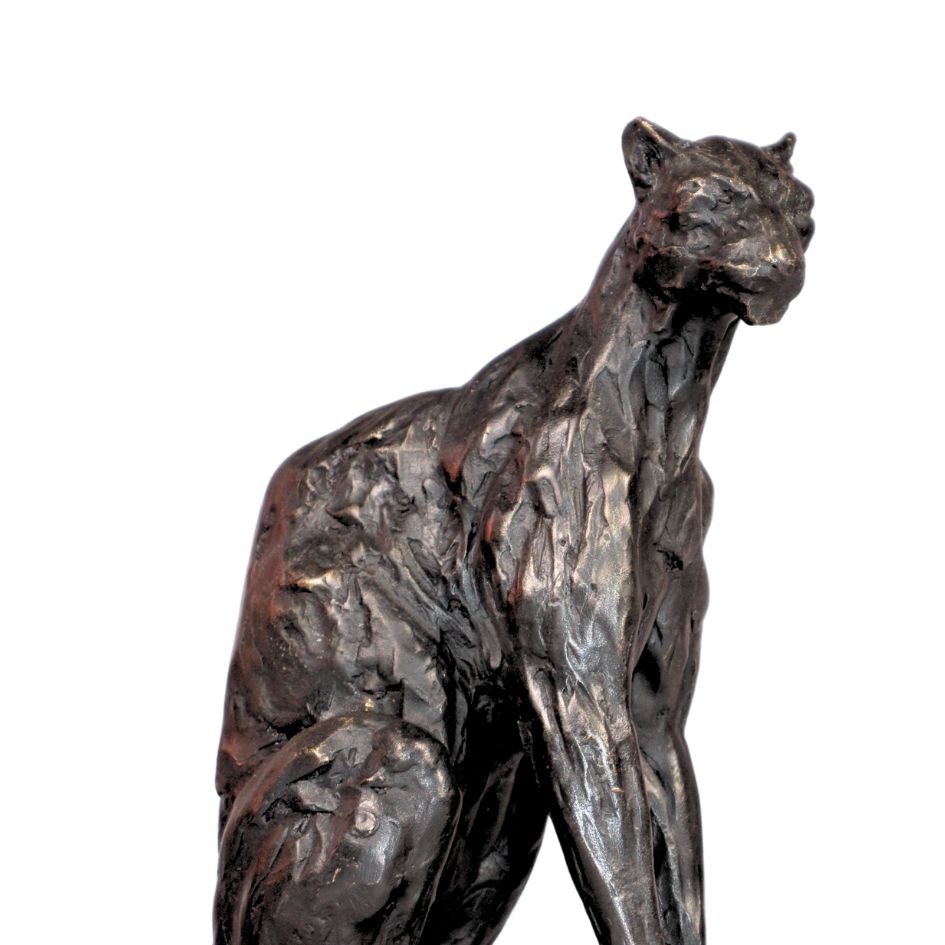
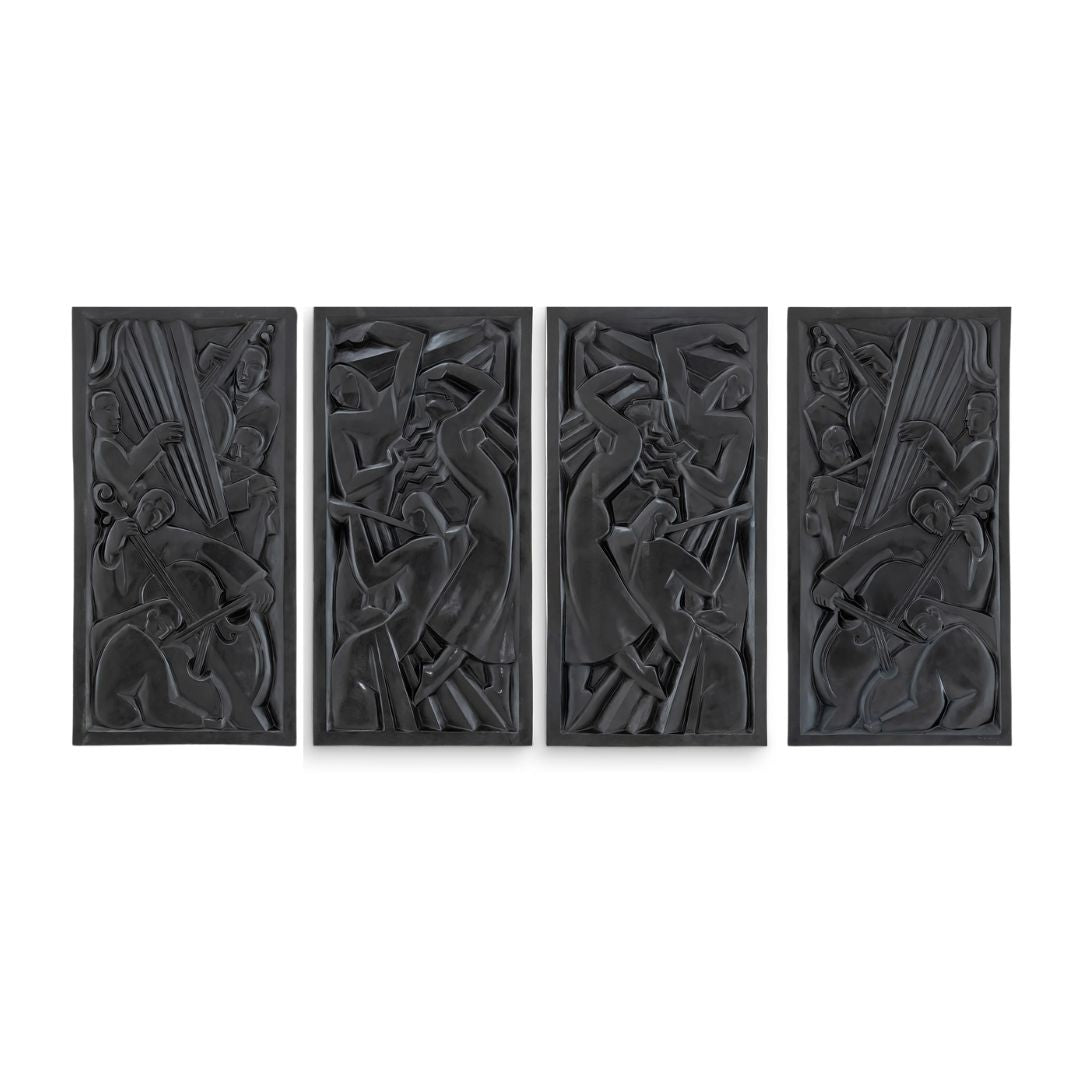
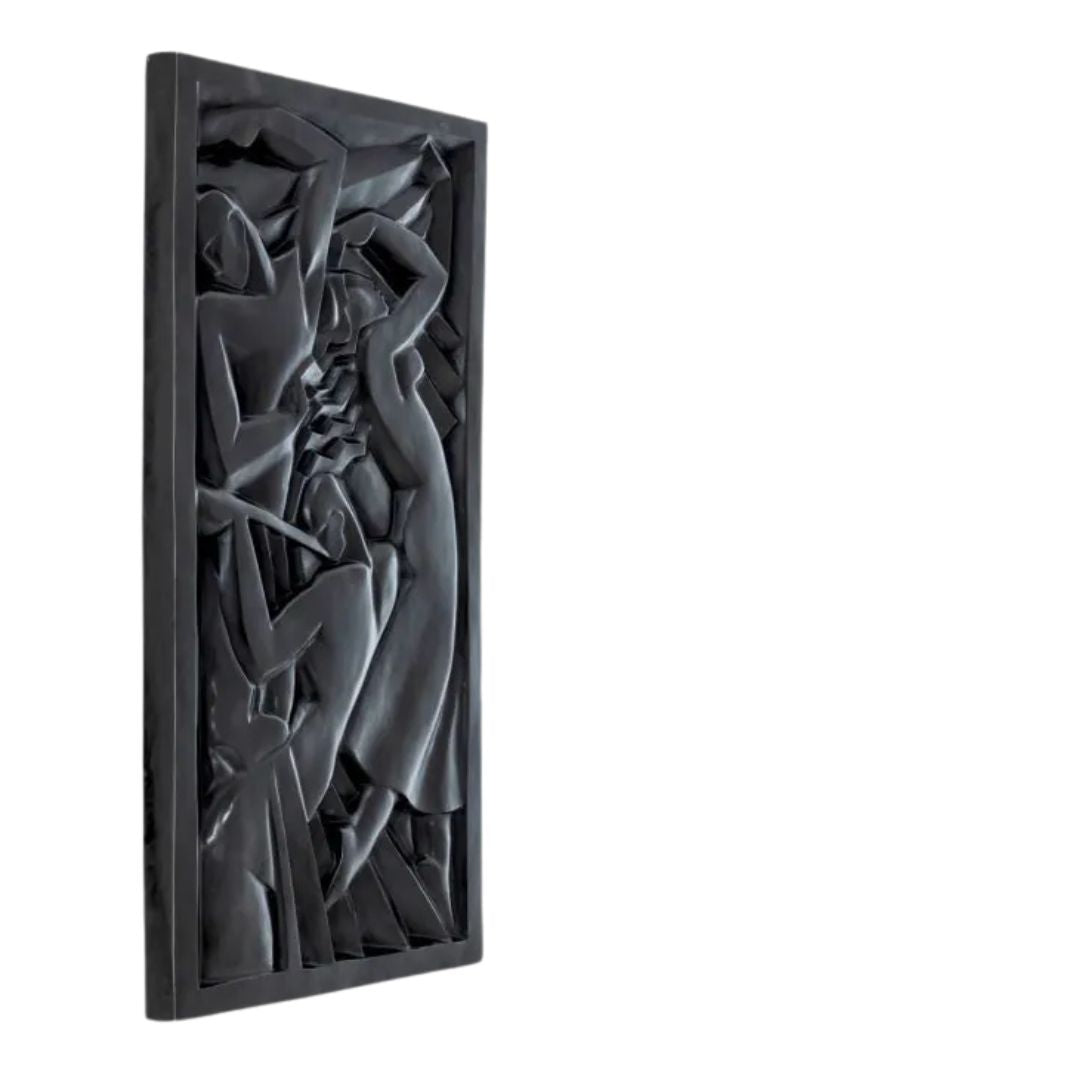
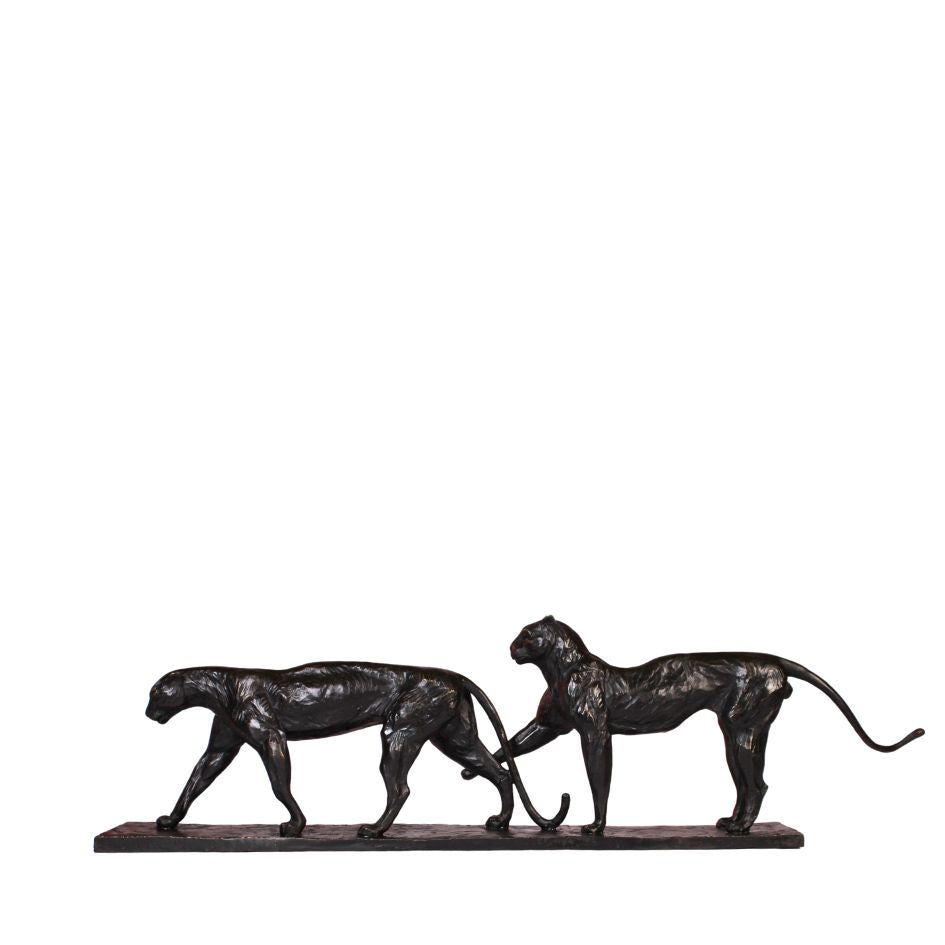
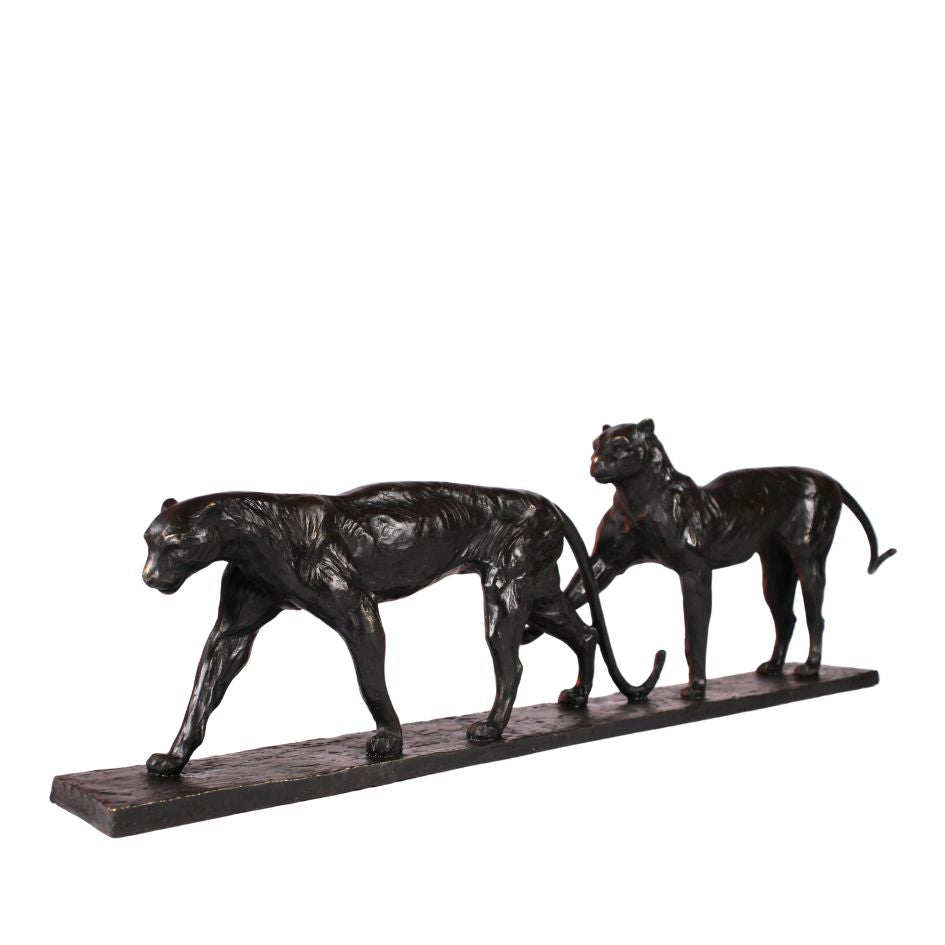
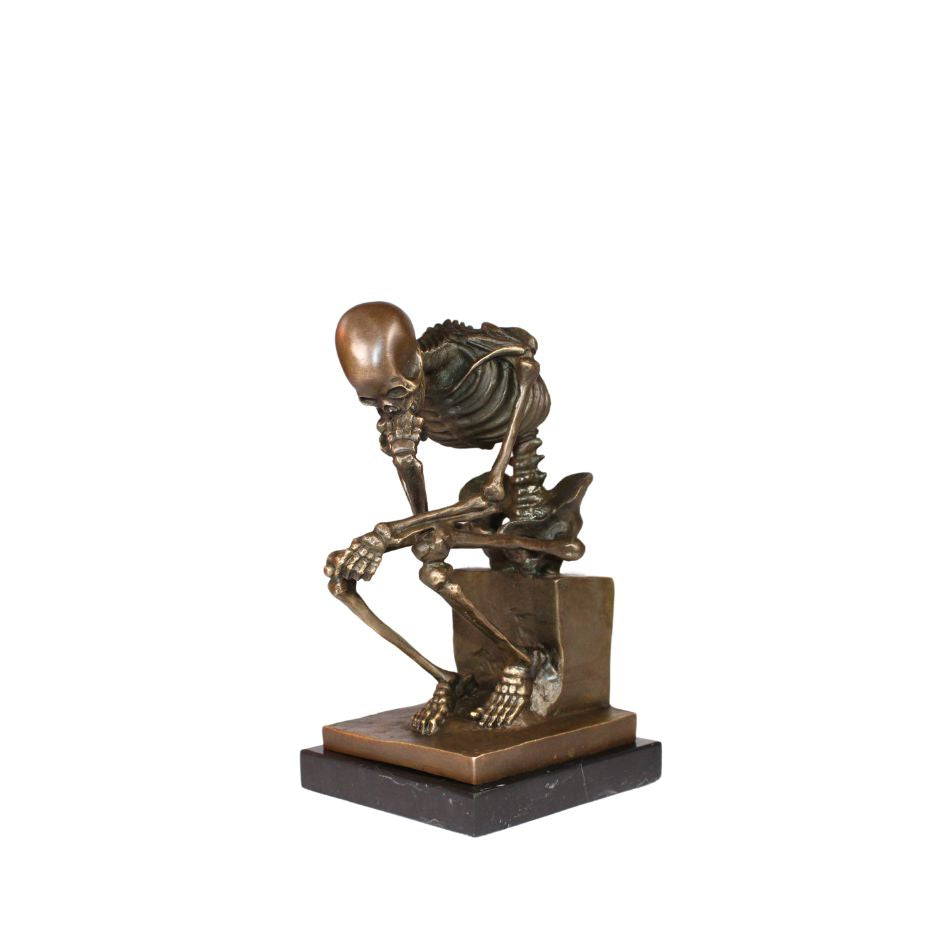
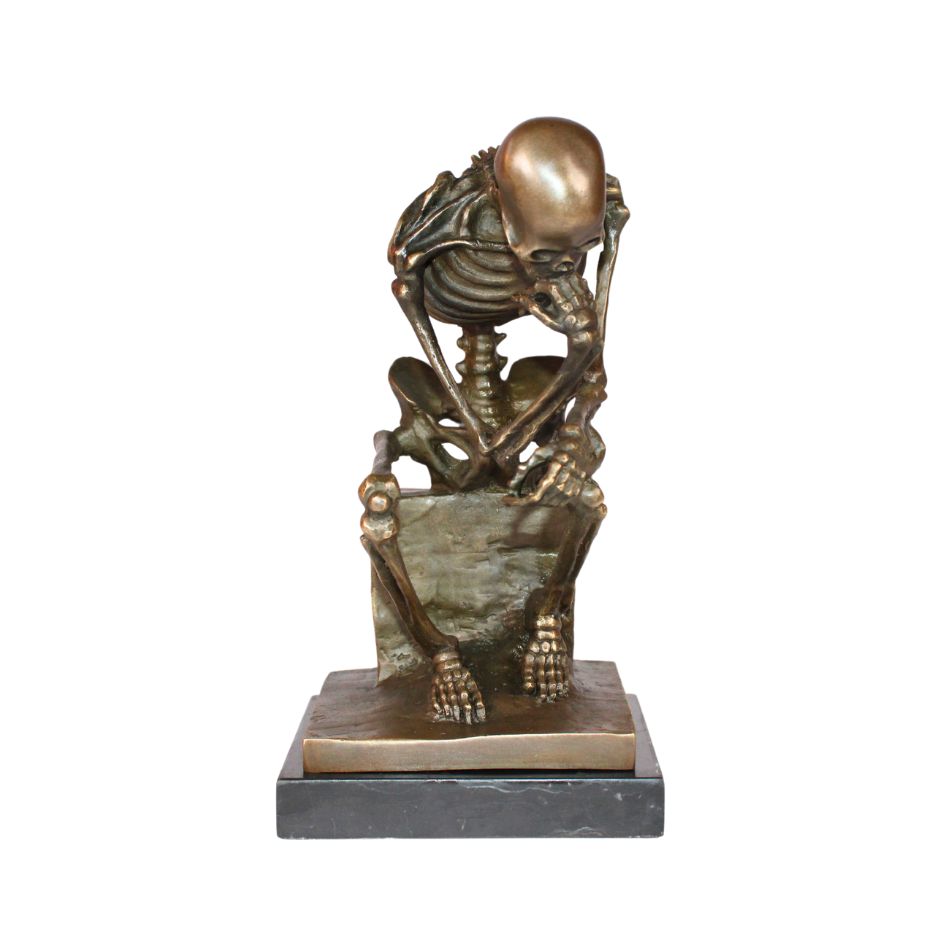
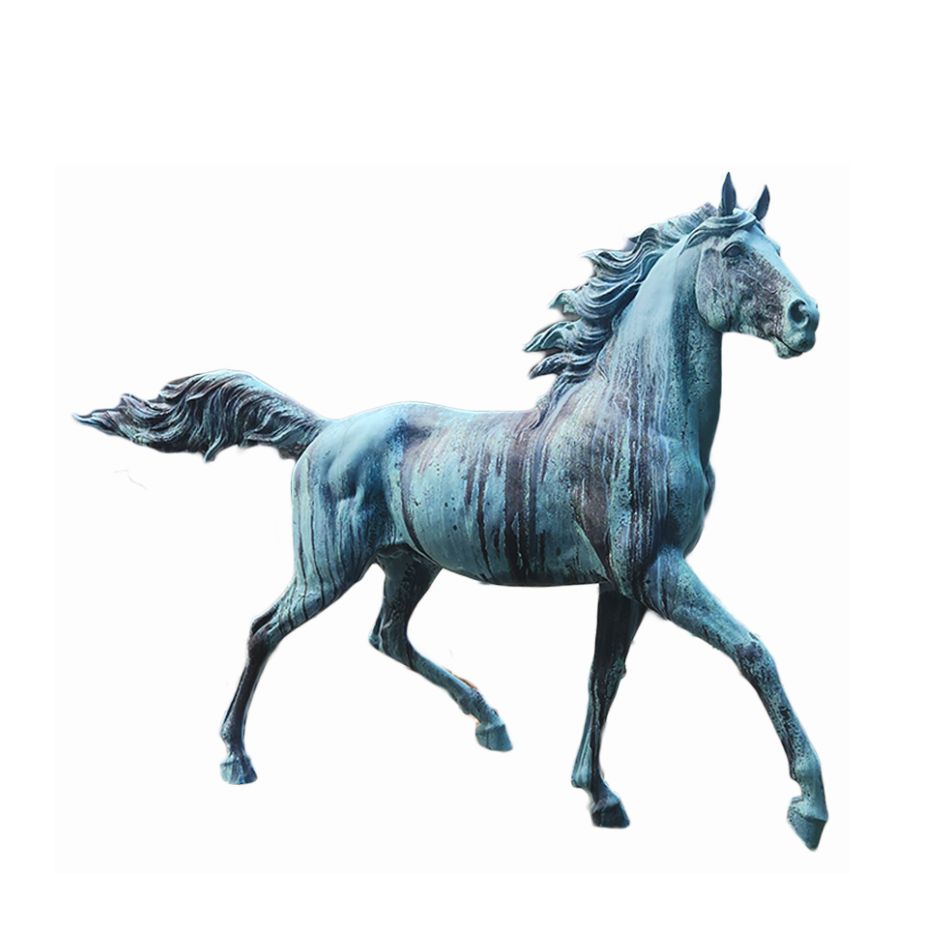
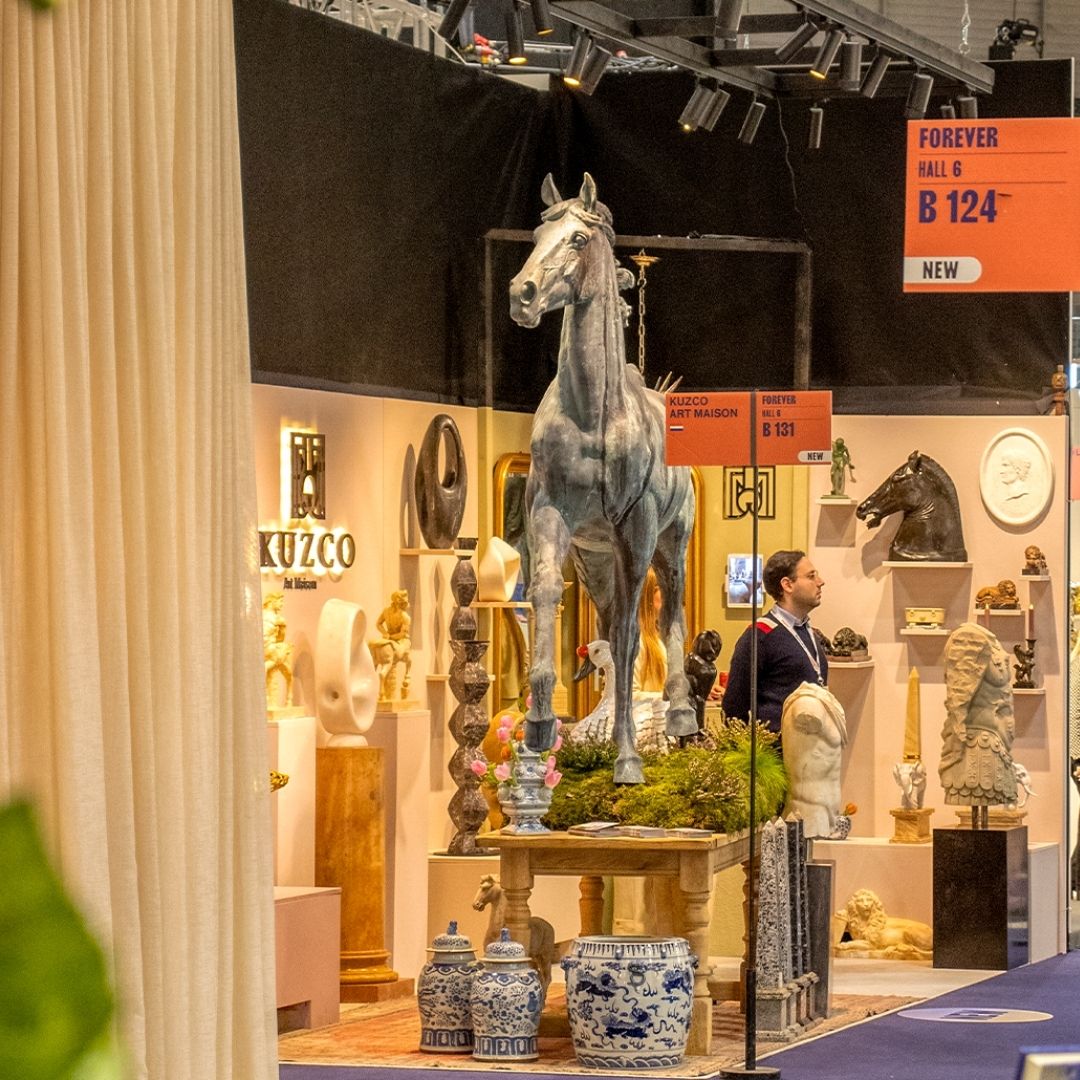
A sculpture gives a room a lasting point of focus: a work the eye keeps returning to. At Kuzco Art Maison, art atelier and gallery in Amsterdam, every sculpture starts with art-historical research and is then made by hand – cast in bronze by the lost-wax method or carved from marble. Our collection of sculptures brings together animal sculptures, busts and works in Roman, Art Deco or contemporary style. They are new works, designed in the style of historical examples – never sold as antiques. Discover the two main families: our bronze sculptures and our marble sculptures.
Kuzco Art Maison: atelier, gallery and mission
Behind our sculptures stands Kuzco Art Maison, an art atelier, art dealer and gallery in Amsterdam. Under the direction of Lilly-Ann de Zeeuw, MA – artist, art historian and curator (UvA & VU) – every work starts with art-historical research and a trained eye for quality. Our mission is to make art accessible, with objects made to last and worked by hand in bronze, marble and porcelain.
We believe the spaces we live in can inspire us as much as an exhibition. Since 2024 we have exhibited at Maison & Objet in Paris, and in 2025 Lilly-Ann created, on commission for GoldRepublic, one of the largest solid gold sculptures in Europe. For a long time our work was reserved for interior professionals, but since 2026 we also sell directly to private clients. Read more on our About us page.
Bronze or marble sculpture: which material to choose?
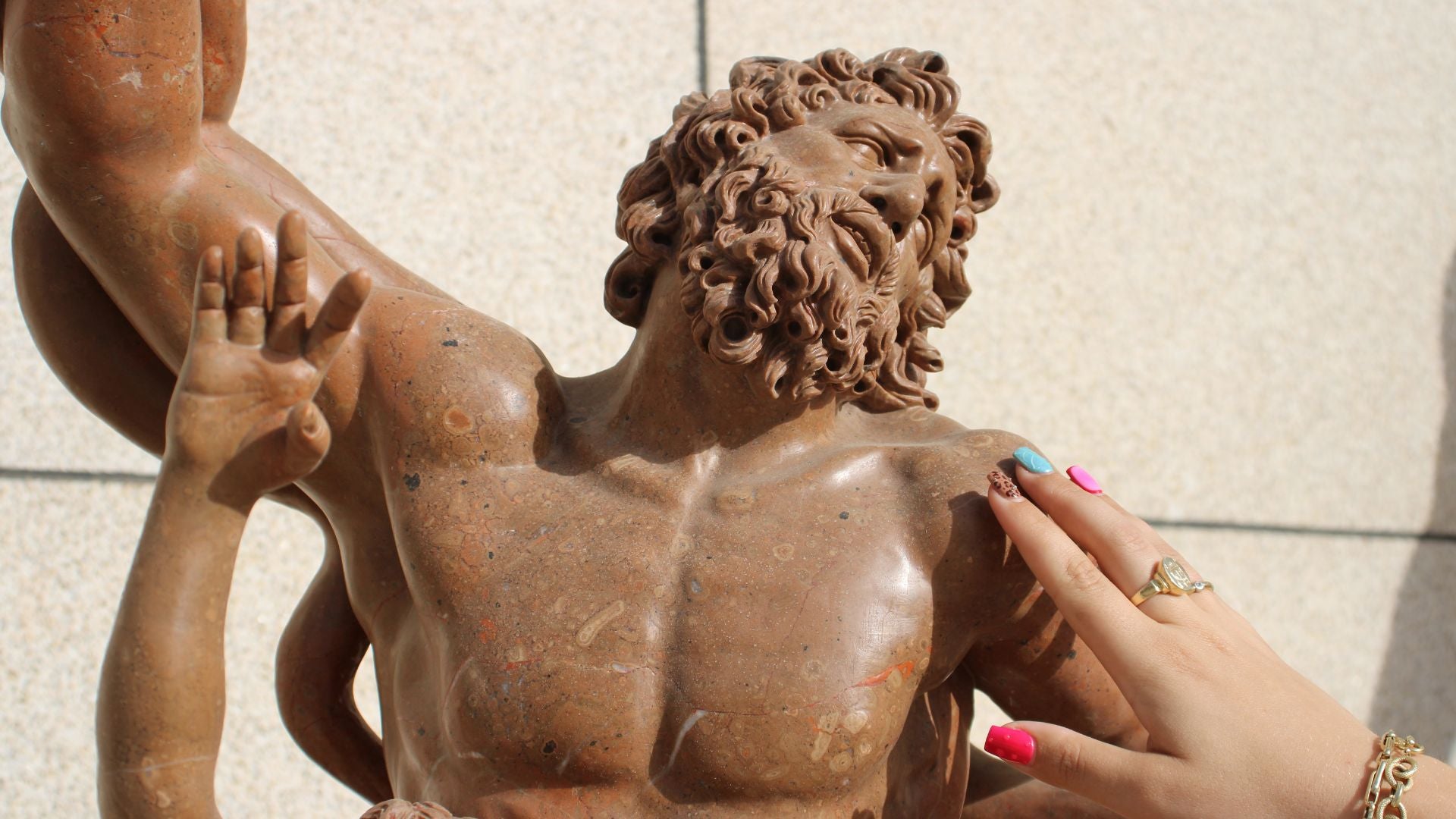
Choosing between a bronze sculpture and a marble sculpture means choosing between two gestures and two kinds of presence. Bronze, an alloy of copper and tin, is poured in liquid form and then patinated: it catches the light, carries movement and lasts for decades. Marble is carved by hand from the block and polished: it diffuses light softly and lends itself to calm volumes and to the smooth skin of busts and torsos.
- Bronze sculpture: the natural choice for animal figures and movement, often on a veined marble plinth. See our bronze sculptures.
- Marble sculpture: suited to busts, Roman-style torsos and clean contemporary forms. See our marble sculptures.
The two materials sit well together in one interior: a dark bronze answers the clarity of white marble.
Animal sculptures in bronze
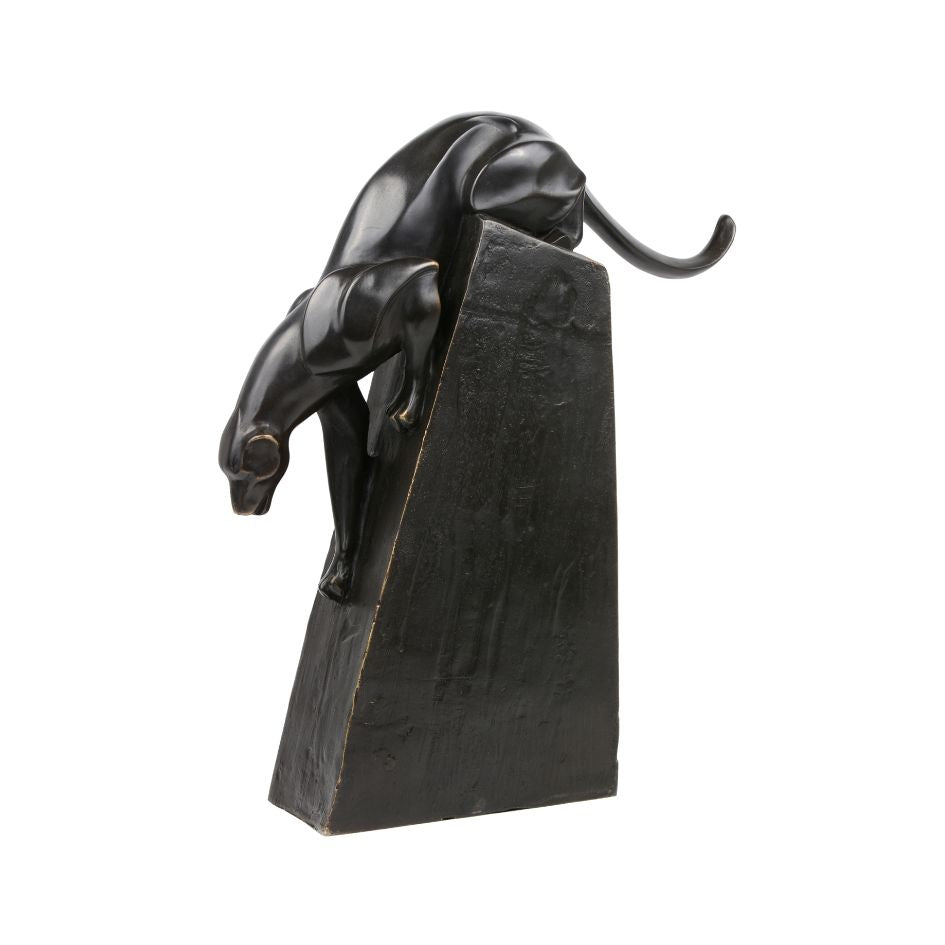
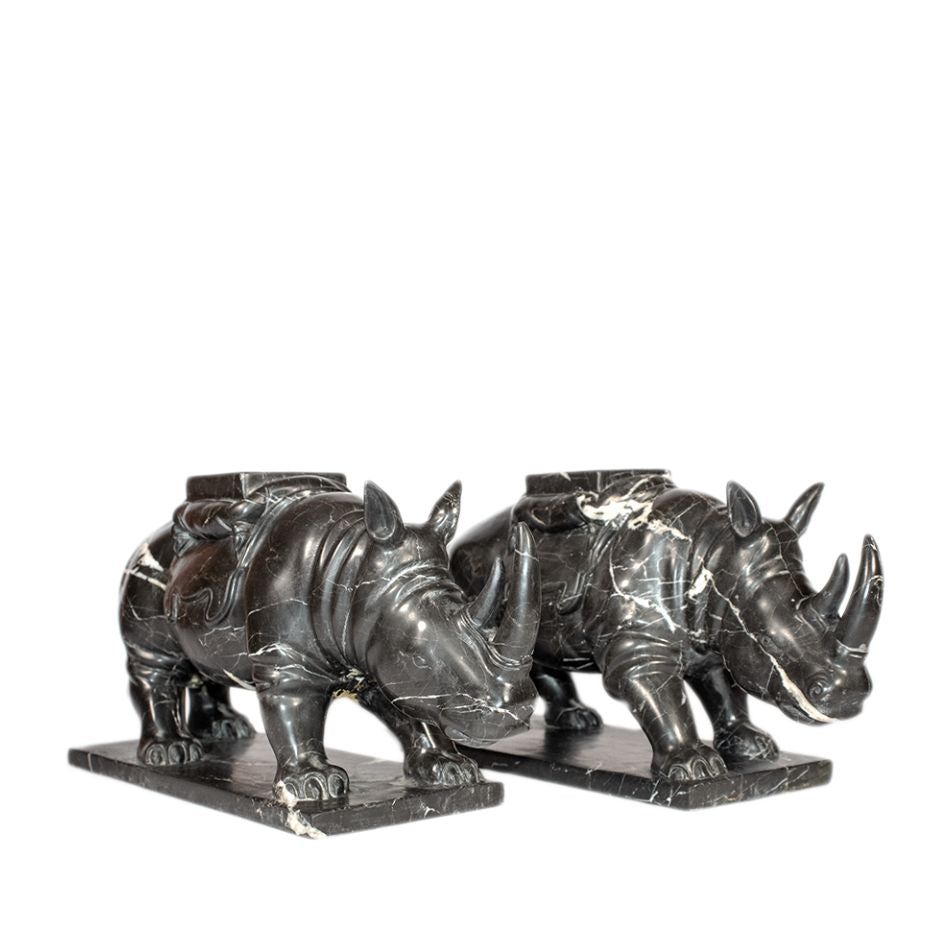
Animal sculpture is the heart of our collection, from panthers and lions to horses, elephants, monkeys and birds. It follows the French animalier tradition of the 19th and early 20th centuries, which joined close observation of the animal to a clear, expressive form. Sculptors such as Antoine-Louis Barye, François Pompon and Rembrandt Bugatti defined this school, and several of our works are designed in their manner.
- Big cats: panthers, lions and cheetahs with a dark or greenish patina.
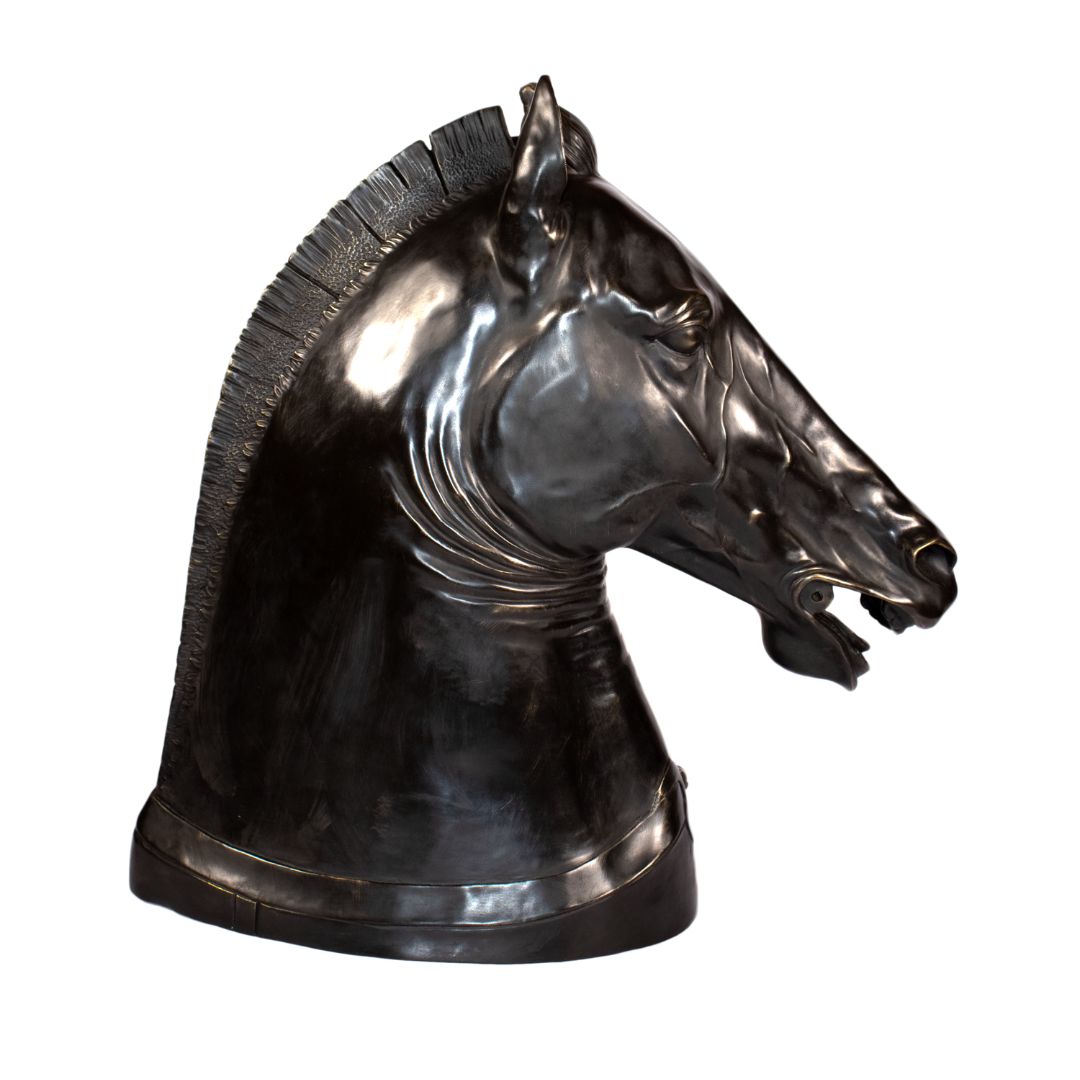
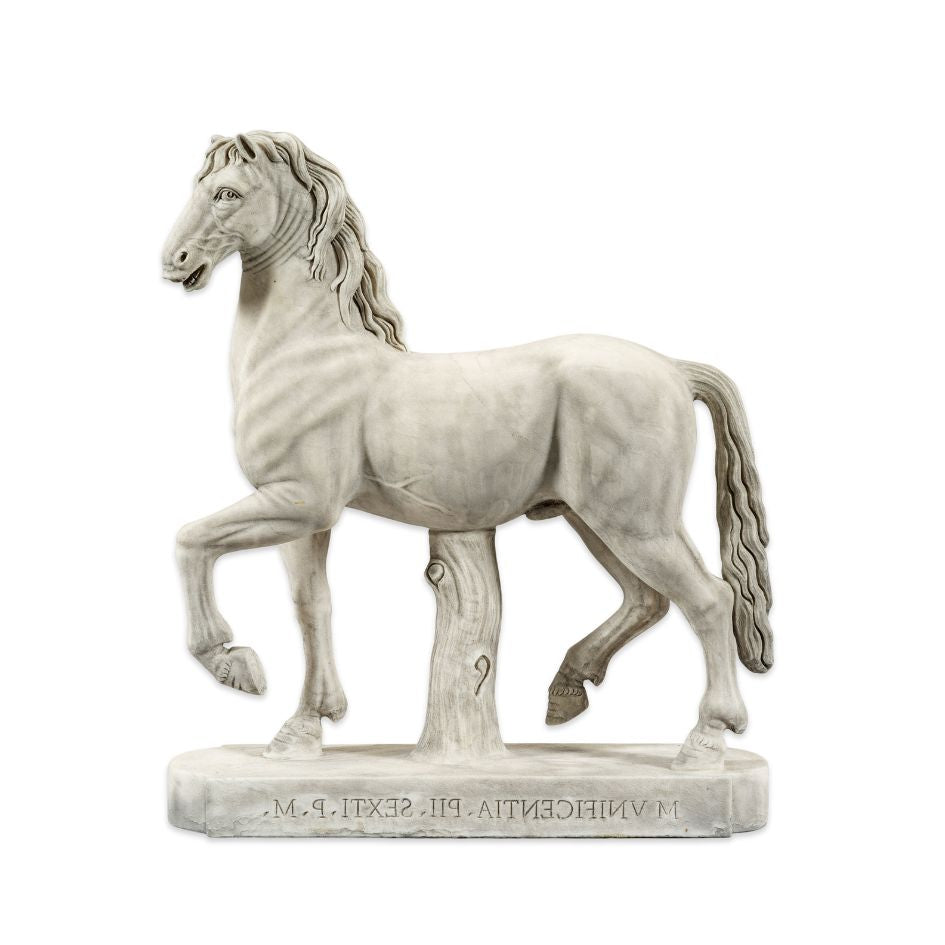
- Horses: from the stylised Art Deco horse to the jockey and the classical horse head.
- Other animals: elephants, monkeys, birds and bears, sometimes as bookends.
Browse our animal sculptures and the works in the manner of Rembrandt Bugatti.
Sculptures in Roman and Greek style
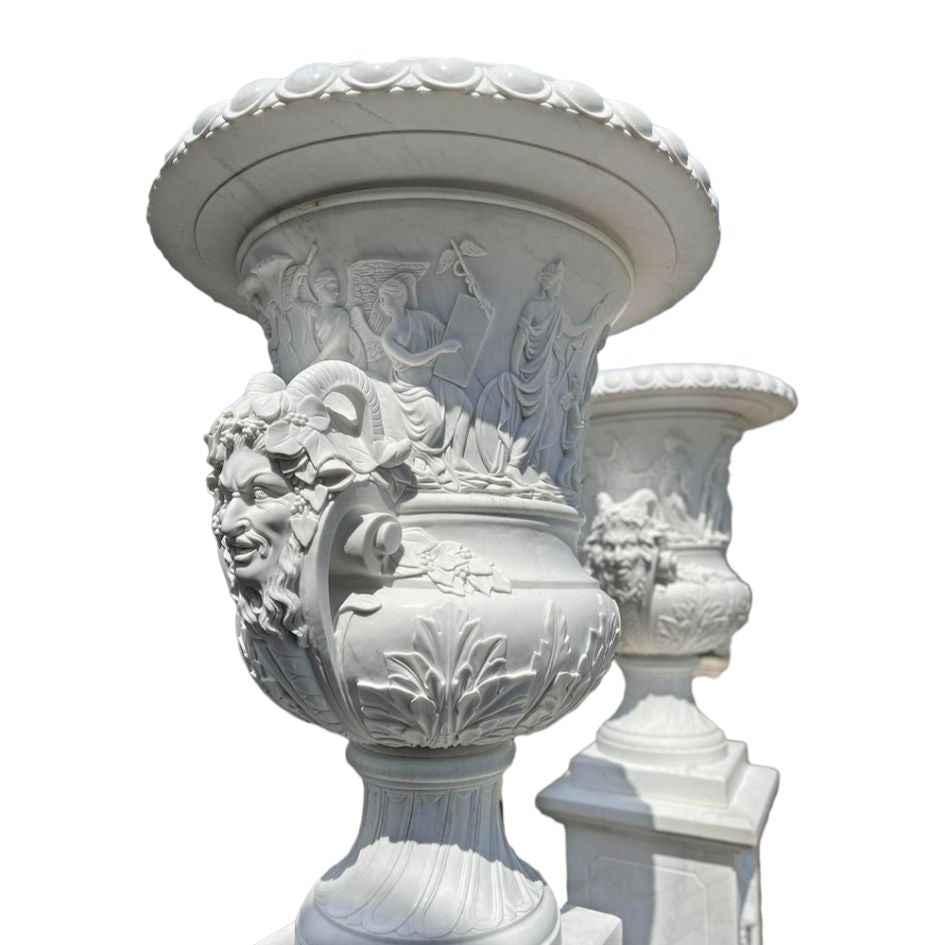
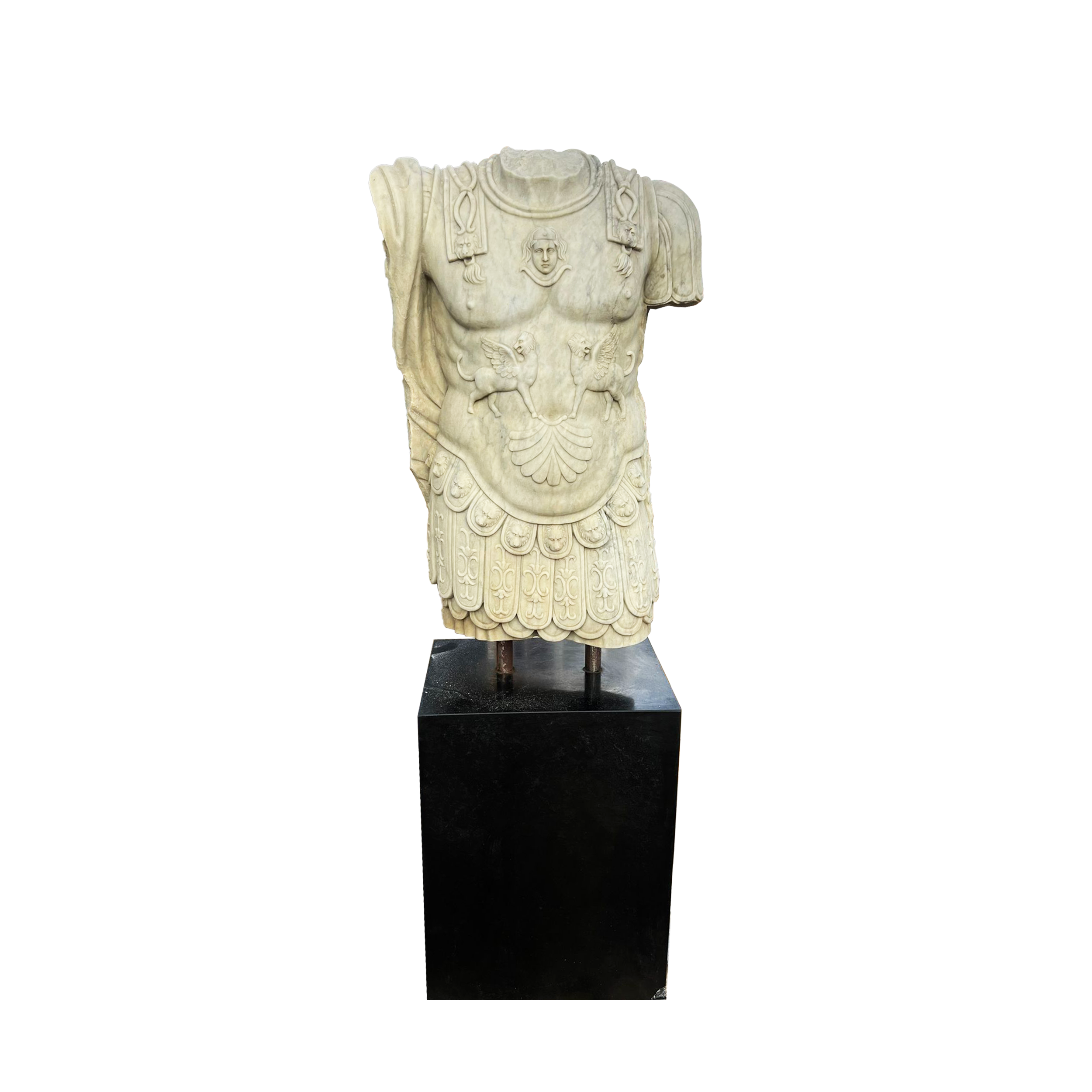
Our sculptures in Roman and Greek style continue the classical canon: armoured torsos, imperial busts, heads of gods and horses. Carved by hand from marble, they take up the balance and ideal proportions of antiquity without being archaeological originals. On a console or column, a Roman-style bust becomes the calm centre of a room.
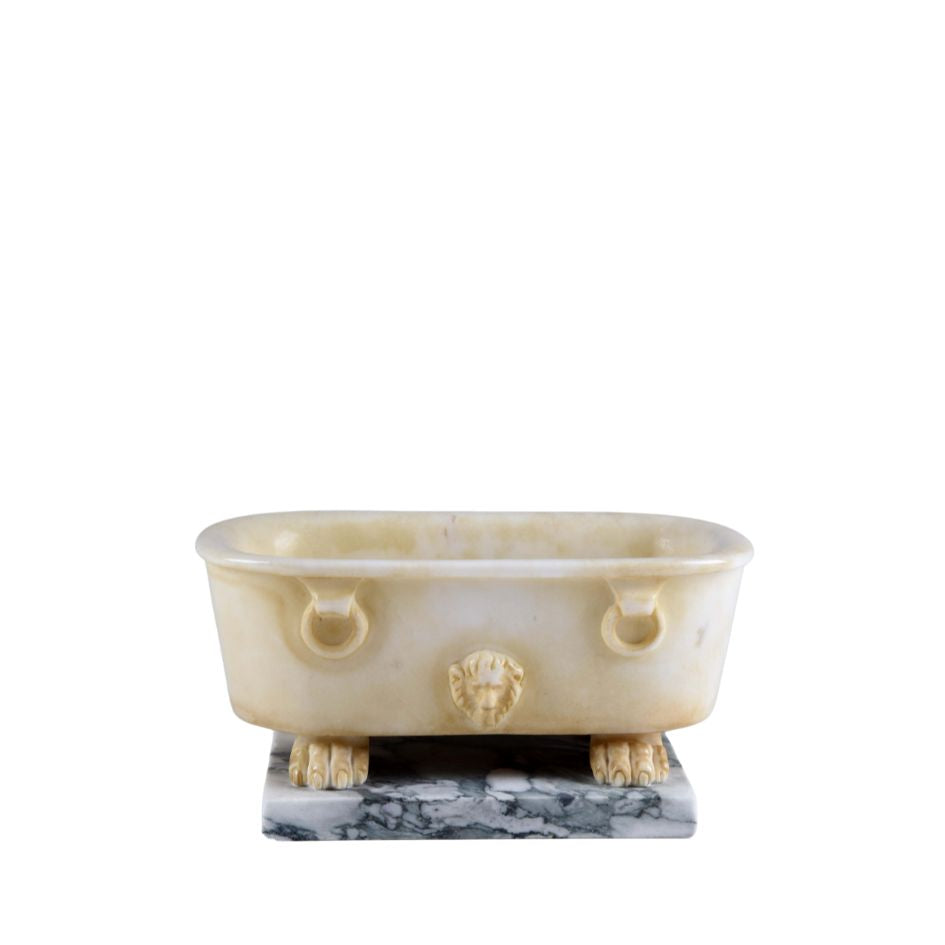
Discover our Greek and Roman sculptures, alongside the pieces in Grand Tour style – reduced souvenirs of the great Italian journeys of the 18th and 19th centuries.
Sculptures in Art Deco and Art Nouveau style
In the 1920s and 1930s Art Deco sculpture spoke a geometric, stylised language: simplified animal bodies, dancers and elegant figures, often on a plinth of black or veined marble. Art Deco joined craft to modern clarity – an aim close to our own.
For the floral wave around 1900, look to Art Nouveau (Jugendstil) and its organic lines. See our Art Deco sculptures and our Art Nouveau sculptures.
Contemporary and abstract sculptures
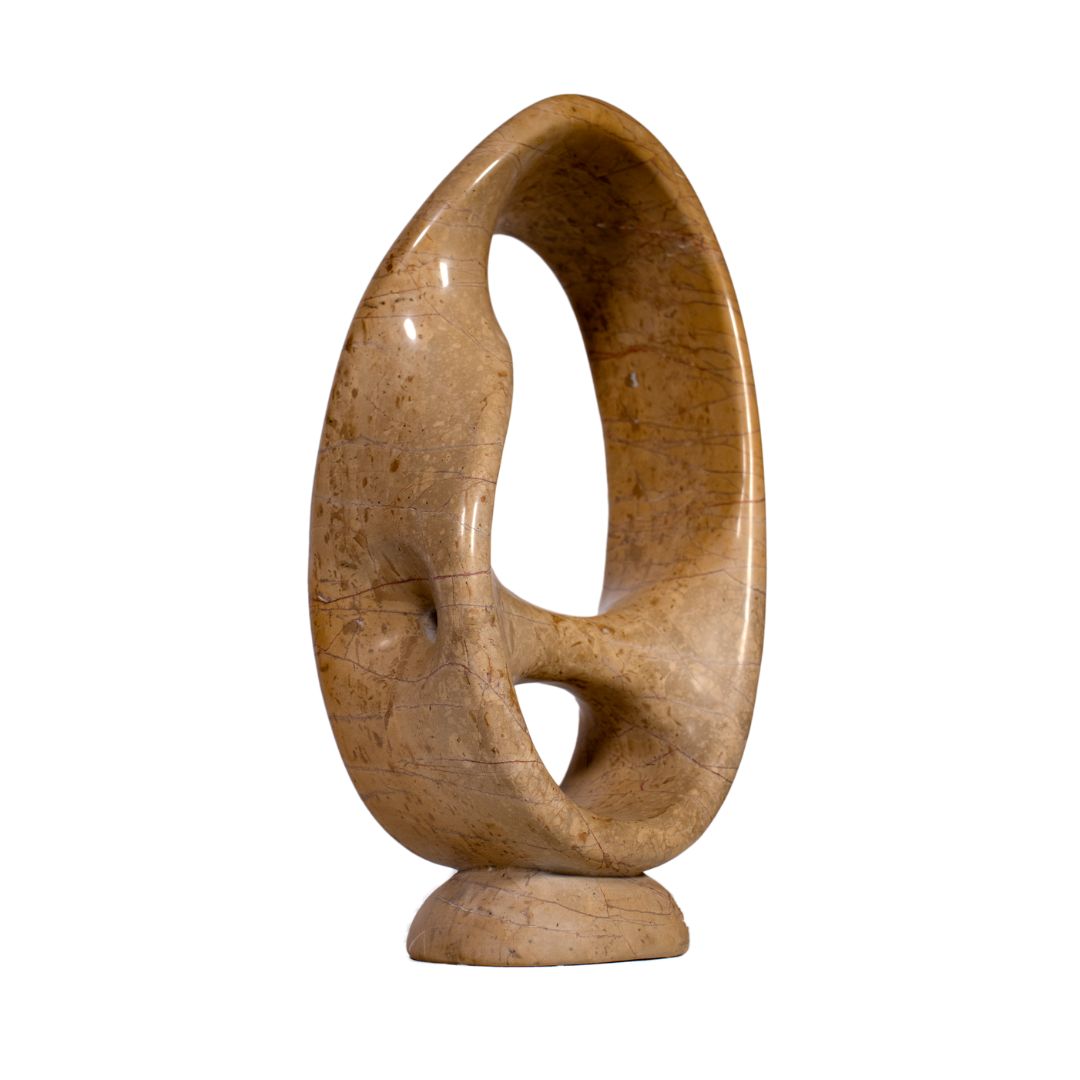
Our contemporary and abstract sculptures bring a modern breath to the collection. They include the marble works of the artist David Liang (b. 1976) – signed contemporary originals rather than pieces in a historical style. Worked in white or black marble or in travertine, these knotted and pierced forms enter into dialogue with the abstraction of the 20th century.
Discover our abstract sculptures: a way of bringing signed sculpture into a contemporary interior.
Garden sculptures
Garden sculptures call for materials that age well outdoors. Bronze is the natural choice here: its patina develops by itself in contact with the air and protects the metal, whereas many types of stone react to frost and acid rain. An animal figure at the end of an avenue, beside a pond or on an open lawn reads well from a distance and against a changing background.
See our garden sculptures, made for outdoors.
A new sculpture in a historical style: our approach
A new sculpture in a historical style is a work made today in the formal language of an earlier period – and we say so clearly. Our pieces are designed 'in the style of' Roman antiquity, the animaliers, Art Deco or Art Nouveau; none is sold as an antique or as an archaeological original. That clarity belongs to our mission: making art accessible, with no confusion about what is being bought.
The one deliberate exception is the marble work of David Liang, which consists of contemporary, original and signed sculptures. Everything else is a new, hand-made work, with an aged finish or antique patina where the style calls for it.
Caring for a bronze or marble sculpture
Caring for a bronze or marble sculpture is simple and keeps it in good condition for decades. The patina of bronze – its coloured layer, from brown to green – and the polished surface of marble stay beautiful with very little effort:
- Bronze, indoors: dust with a soft, dry cloth; apply a colourless microcrystalline wax from time to time.
- Bronze, outdoors: an evolving patina is normal and even desirable; wax once a year if you wish.
- Marble: dust dry; clean with lukewarm water and no acidic cleaner, which dulls the polish.
- Avoid: harsh or abrasive cleaning products, which attack the patina and the stone.
Buying a sculpture from Kuzco Art Maison
When you buy a sculpture from us, we check the quality in every detail and guide you from choice to delivery:
- Cast by hand in bronze by the lost-wax method, chased and patinated, or carved by hand from marble.
- Often mounted on a plinth of real, veined marble.
- New works in the style of historical examples, honestly presented as such – never as antiques.
- Delivered by insured art transport throughout Europe; over 30 kg on a pallet.
- Personal advice on dimensions, weight and placement, online or by appointment at our gallery at Hekelveld 1-1 in Amsterdam.
Frequently asked questions about sculptures
What is the difference between a bronze sculpture and a marble sculpture?
A bronze sculpture is cast in metal and then patinated; it renders movement well and stands up to outdoor conditions. A marble sculpture is carved by hand from the block and polished; it suits busts, torsos and calm volumes.
What is the lost-wax method?
The lost-wax method is the oldest technique for casting bronze: a wax model is enclosed in a heat-resistant mould, then melted out and replaced by molten bronze. Once cool, the mould is broken and the surface chased by hand, so each cast shows small differences of its own.
Are your sculptures antique originals or new works?
All our sculptures are new and hand-made, designed in the style of historical examples (antiquity, the animaliers, Art Deco, Art Nouveau). They are not antiques. Only the marble works of David Liang are signed contemporary originals.
What is the patina of a bronze, and why does it change?
The patina is the coloured surface layer of a bronze, obtained by controlled oxidation and then sealed with wax or lacquer. Outdoors it keeps developing by itself over time: that is part of the character of a bronze.
How do I care for a bronze sculpture?
Indoors, regular dusting and an occasional coat of microcrystalline wax are enough. Avoid harsh cleaning products, which attack the patina.
How do I care for a marble sculpture?
Dust it dry and clean with lukewarm water, without acidic or abrasive products. That way the marble keeps its lustre and clarity.
Are the sculptures suitable for a garden or for outdoors?
Yes, bronze above all: it withstands frost and the patina protects the metal. For lasting outdoor use, bronze is preferable to marble. See our garden sculptures.
Can I buy a sculpture as a private client?
Yes. Since 2026 we also sell directly to private clients through our online shop, with a 14-day right of withdrawal. Trade clients order through their own account.
Where can I see the sculptures in person?
At our gallery at Hekelveld 1-1 in Amsterdam, by appointment. The full collection can always be viewed online.
How is a heavy sculpture delivered?
Each piece is carefully packed and sent by insured art transport throughout Europe; consignments over 30 kg travel on a pallet. Weight and dimensions are listed on the product page.
Who makes the sculptures of Kuzco Art Maison?
Kuzco Art Maison is an art atelier and gallery in Amsterdam, led by Lilly-Ann de Zeeuw, MA, artist, art historian and curator. Every work starts with art-historical research.
Are David Liang's sculptures originals?
Yes. The marble works of David Liang (b. 1976) are original, signed contemporary sculptures – a deliberate exception in a collection otherwise made up of pieces in historical styles.
What does a sculpture cost?
The price depends on the material, the size and the plinth. The exact price is shown on each product page.
If you are looking to buy a sculpture, we are glad to advise on material, weight and placement. Write to us or visit our gallery in Amsterdam by appointment.