Kuifspiegels

Crested Mirrors

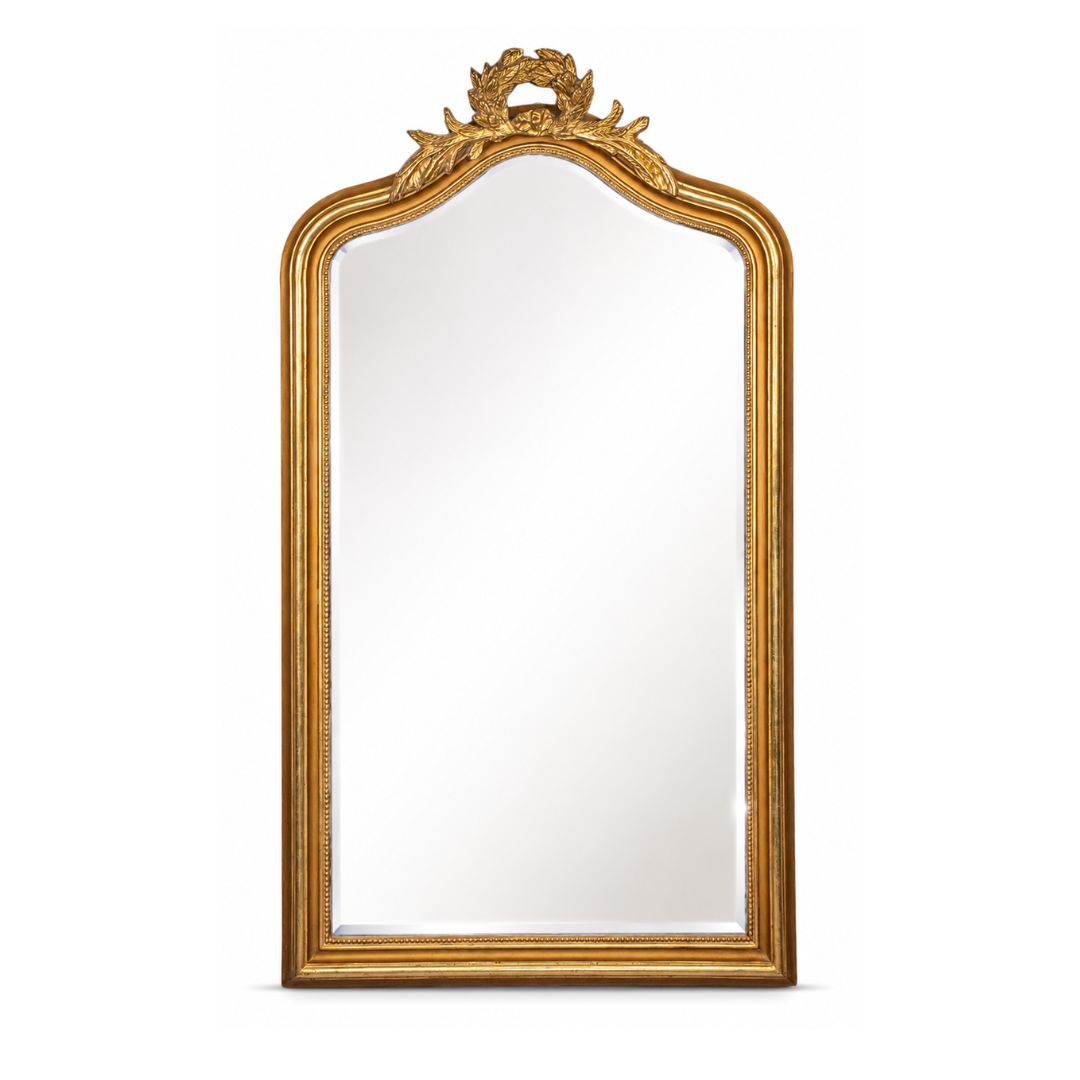
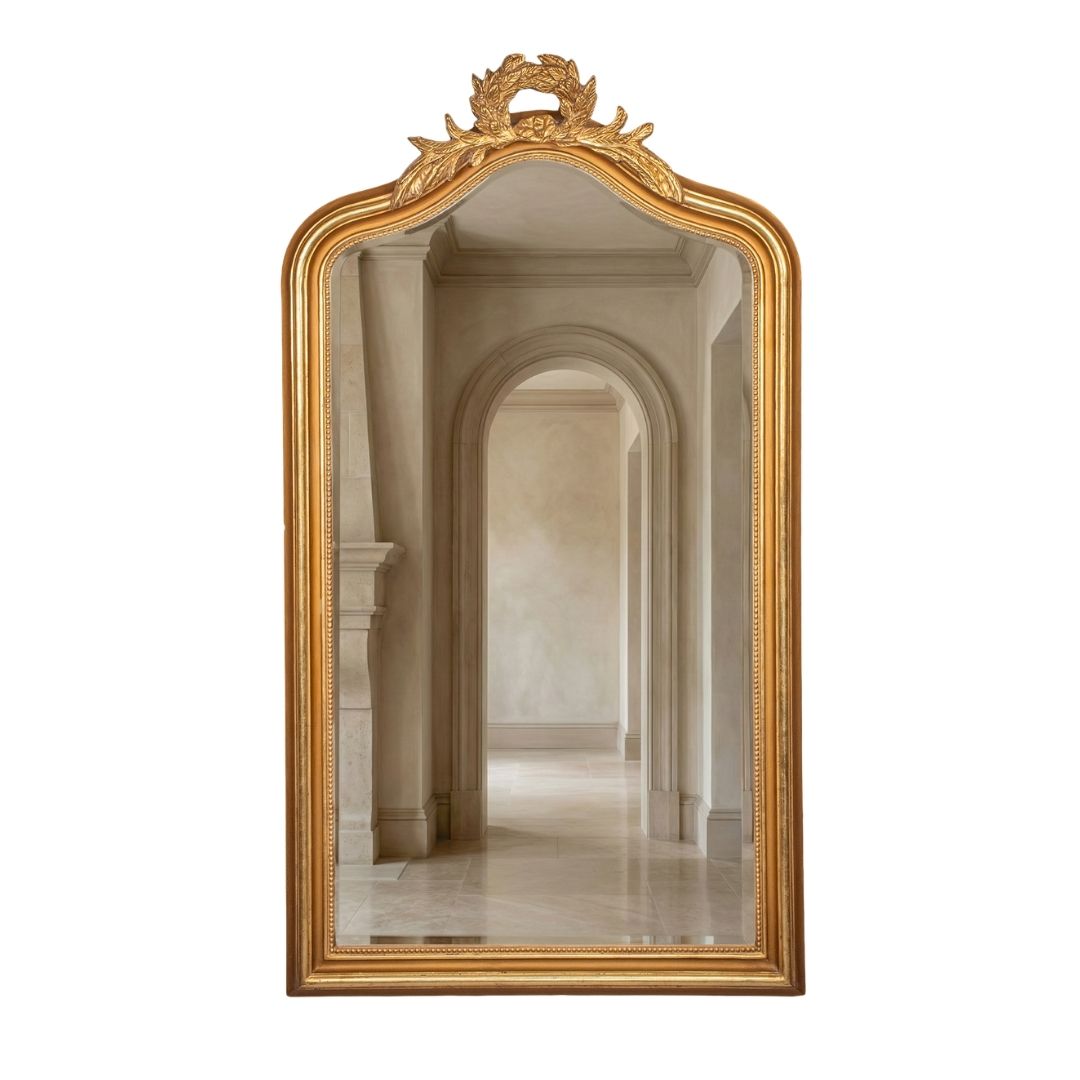
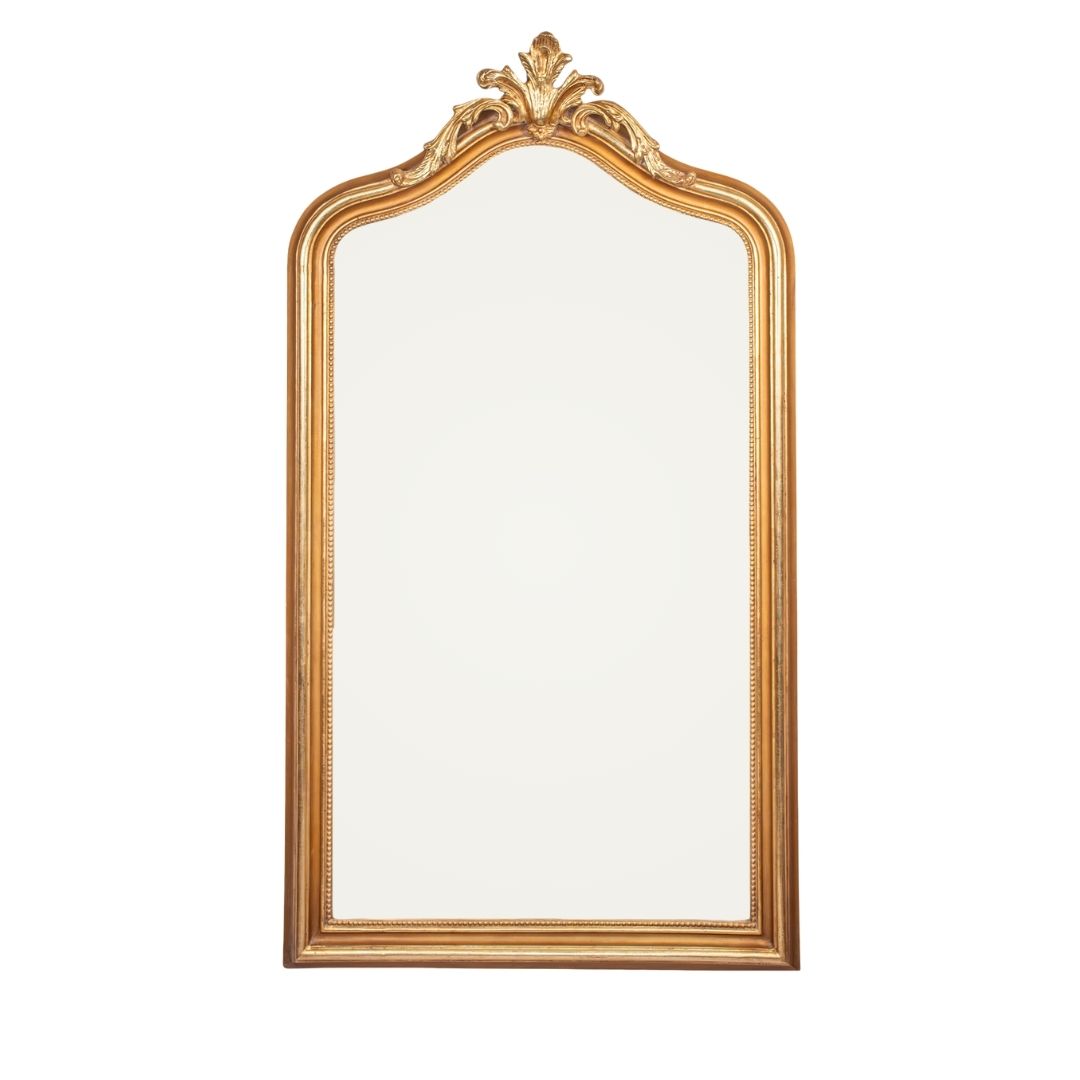
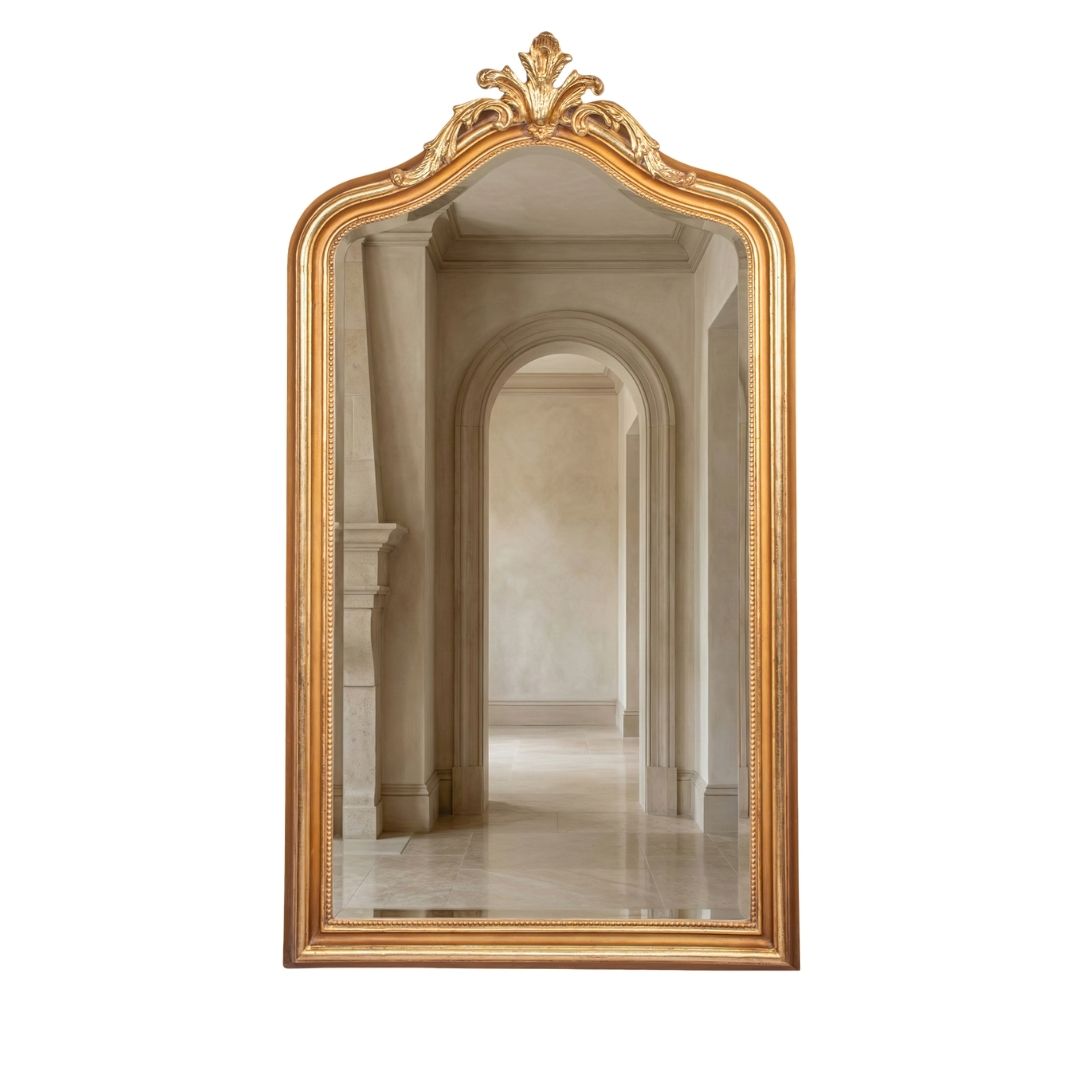
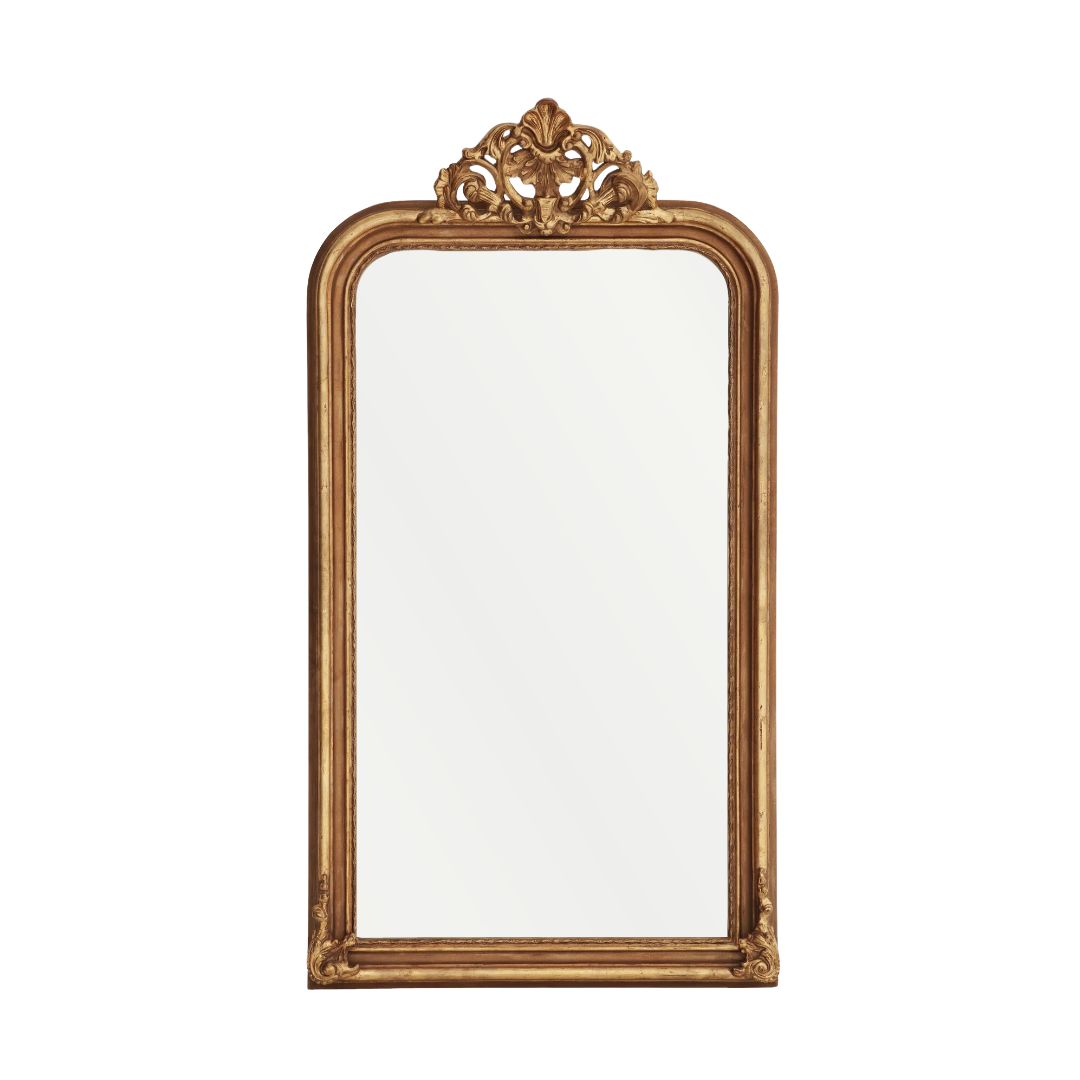
Discover our gilded crested mirrors — handcrafted gold mirrors, carved from wood, fitted with crystal glass and finished with genuine gold leaf. A timeless eye-catcher for your interior.

Filters

5 products
Sort by
Sort by
Gold Mirror - Pearl
Sale price€420,00
Gold Mirror - Louise
Sale price€460,00
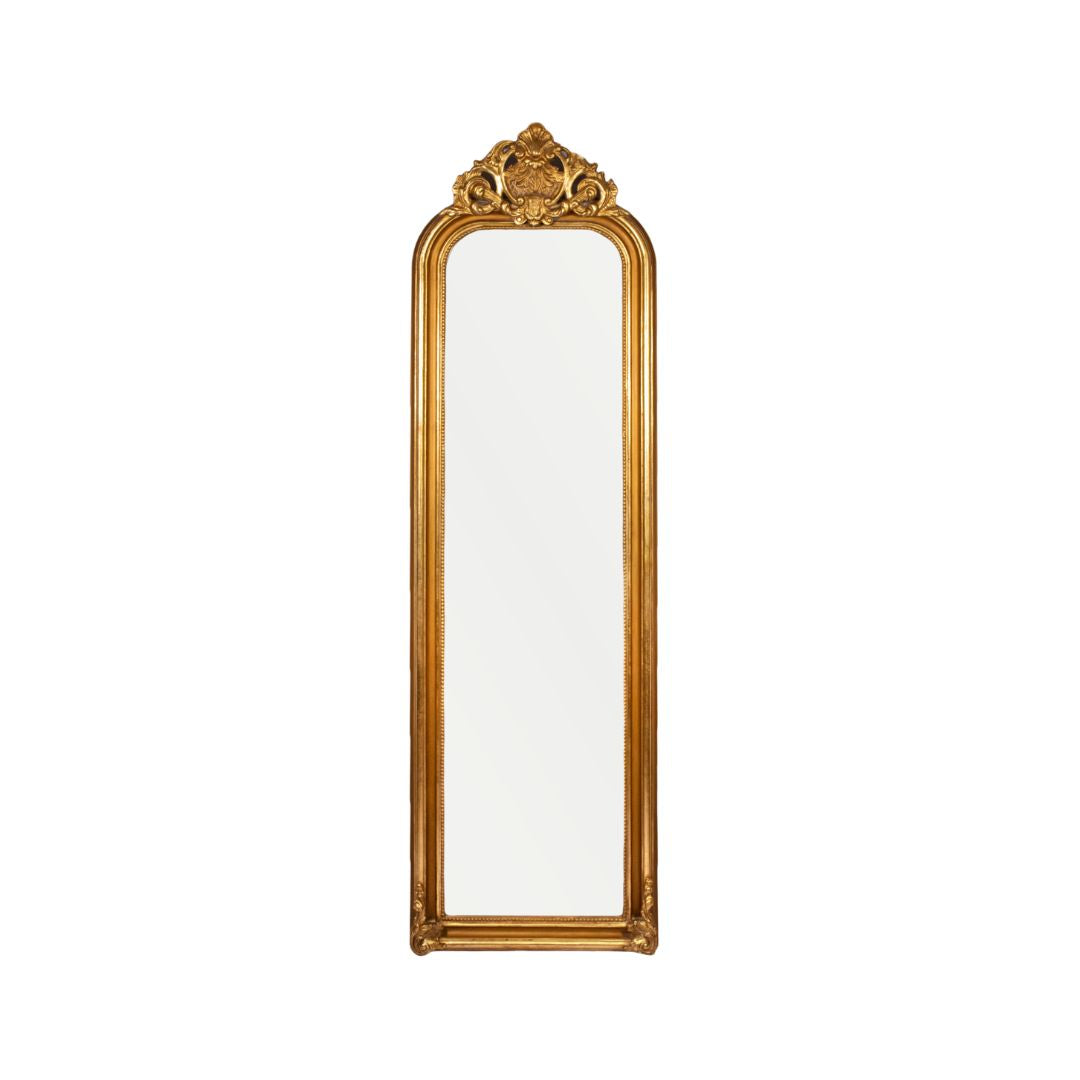
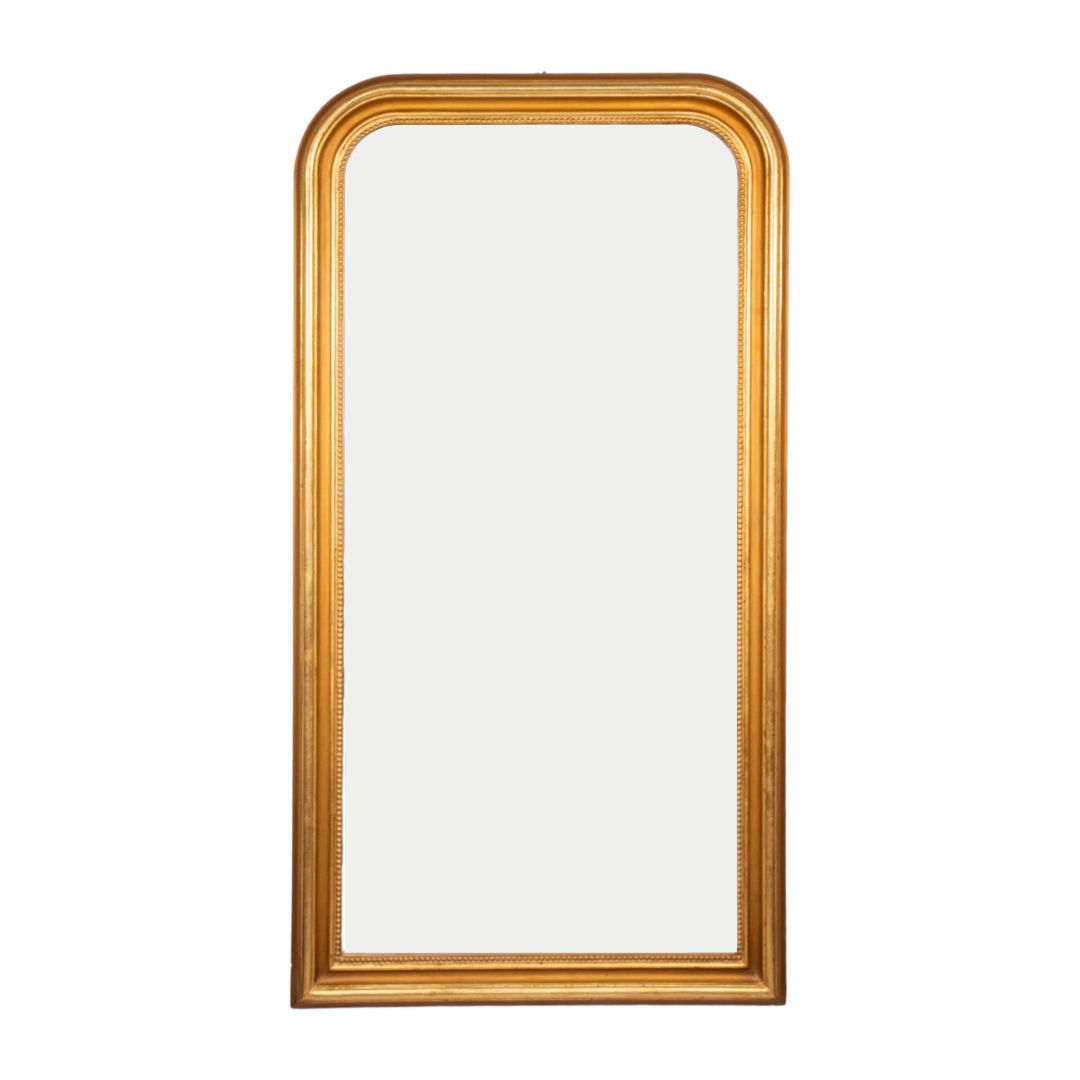
Gold Mirror - Gisèle
Sale price€520,00
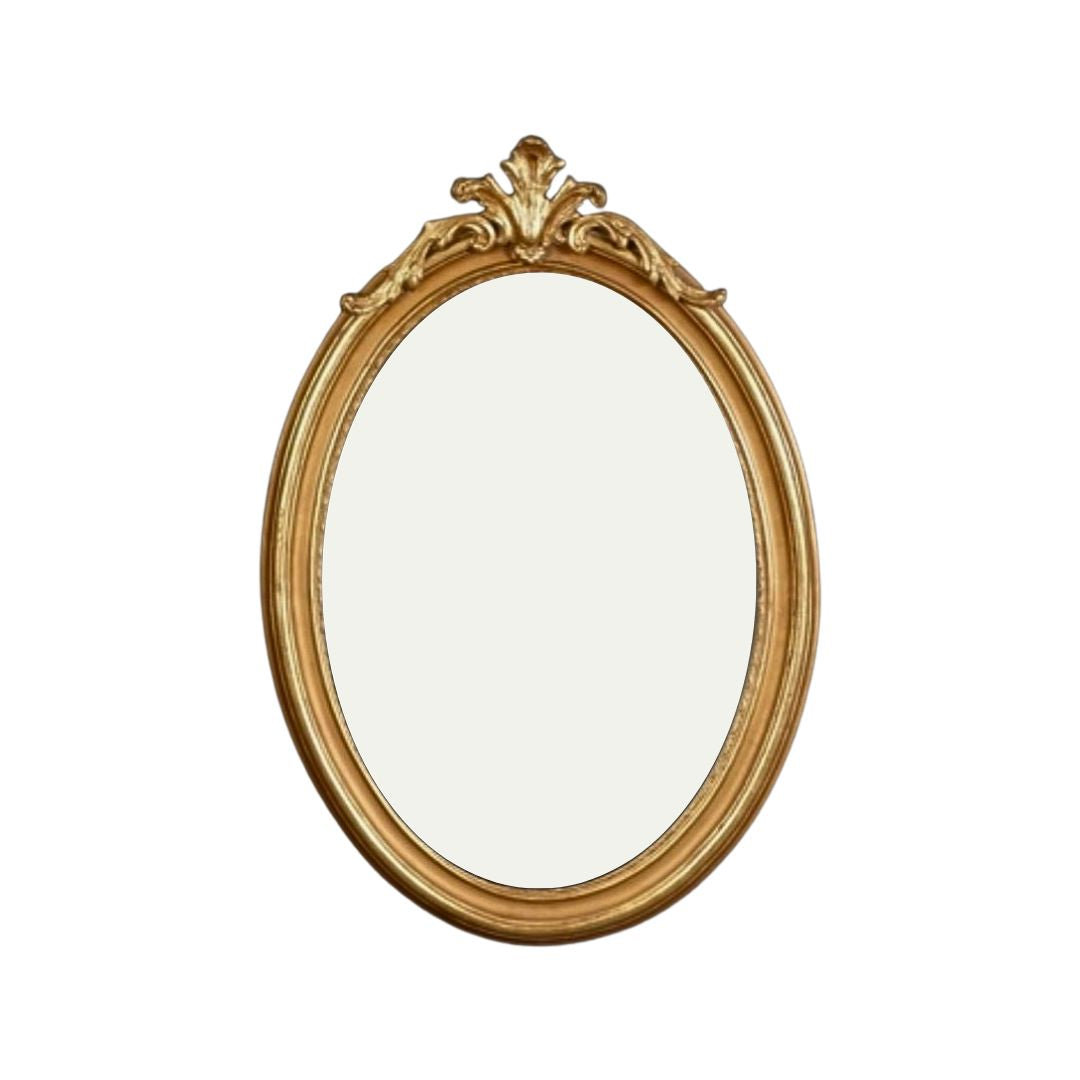
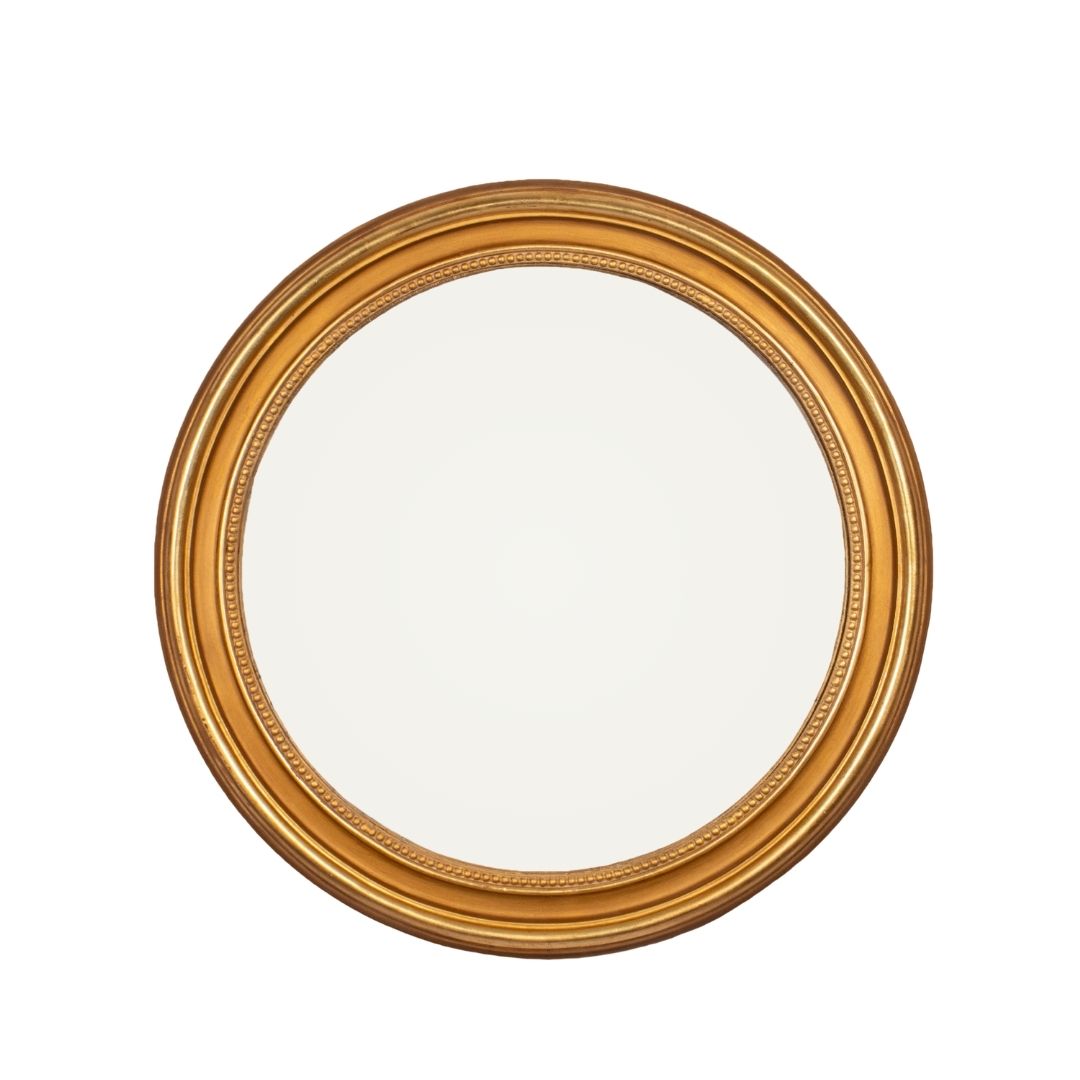
Golden Mirror - Fontaine
Sale price€260,00
Gold Mirror - Beauvoir
Sale price€380,00

Buy Crested Mirrors

What Is a Crested Mirror?

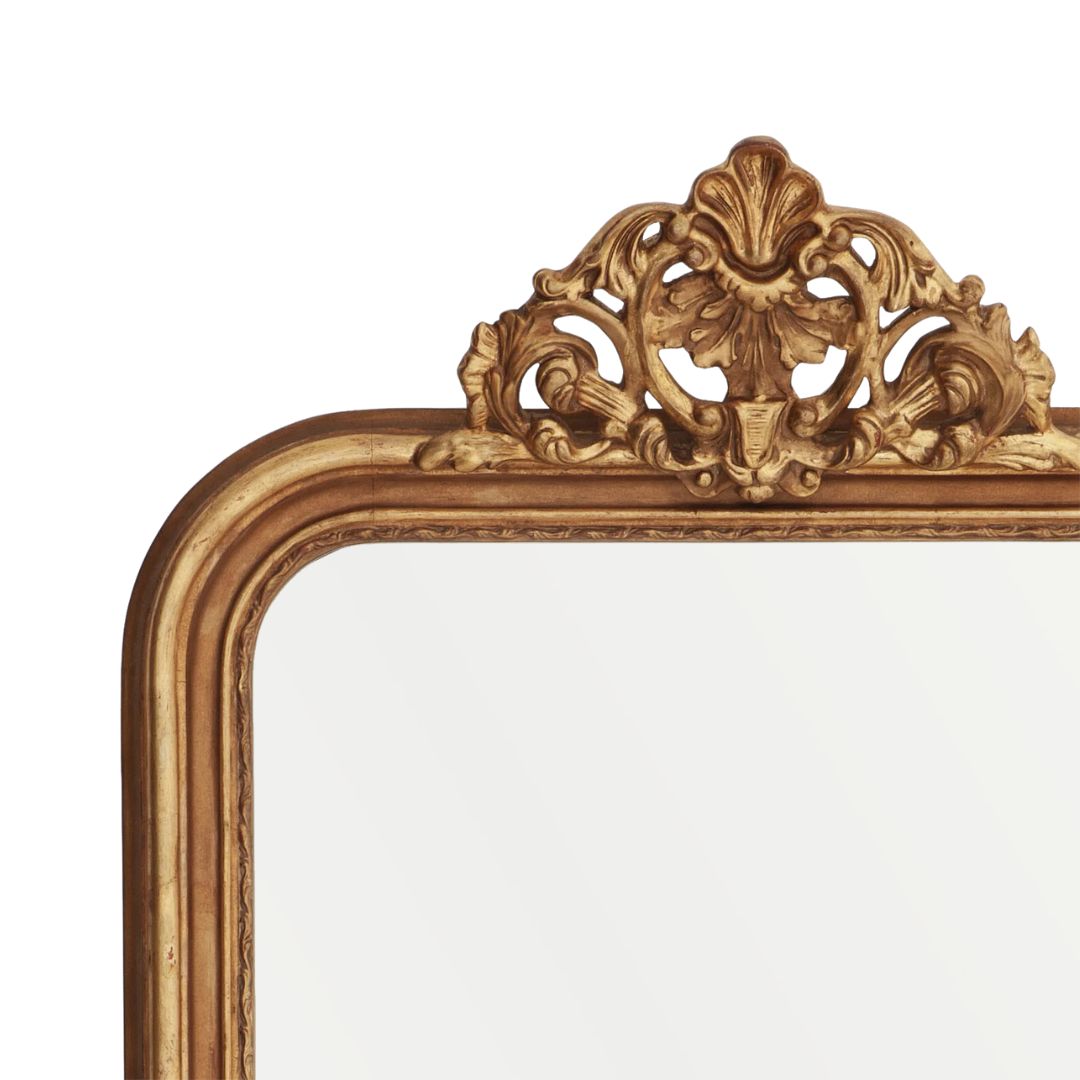
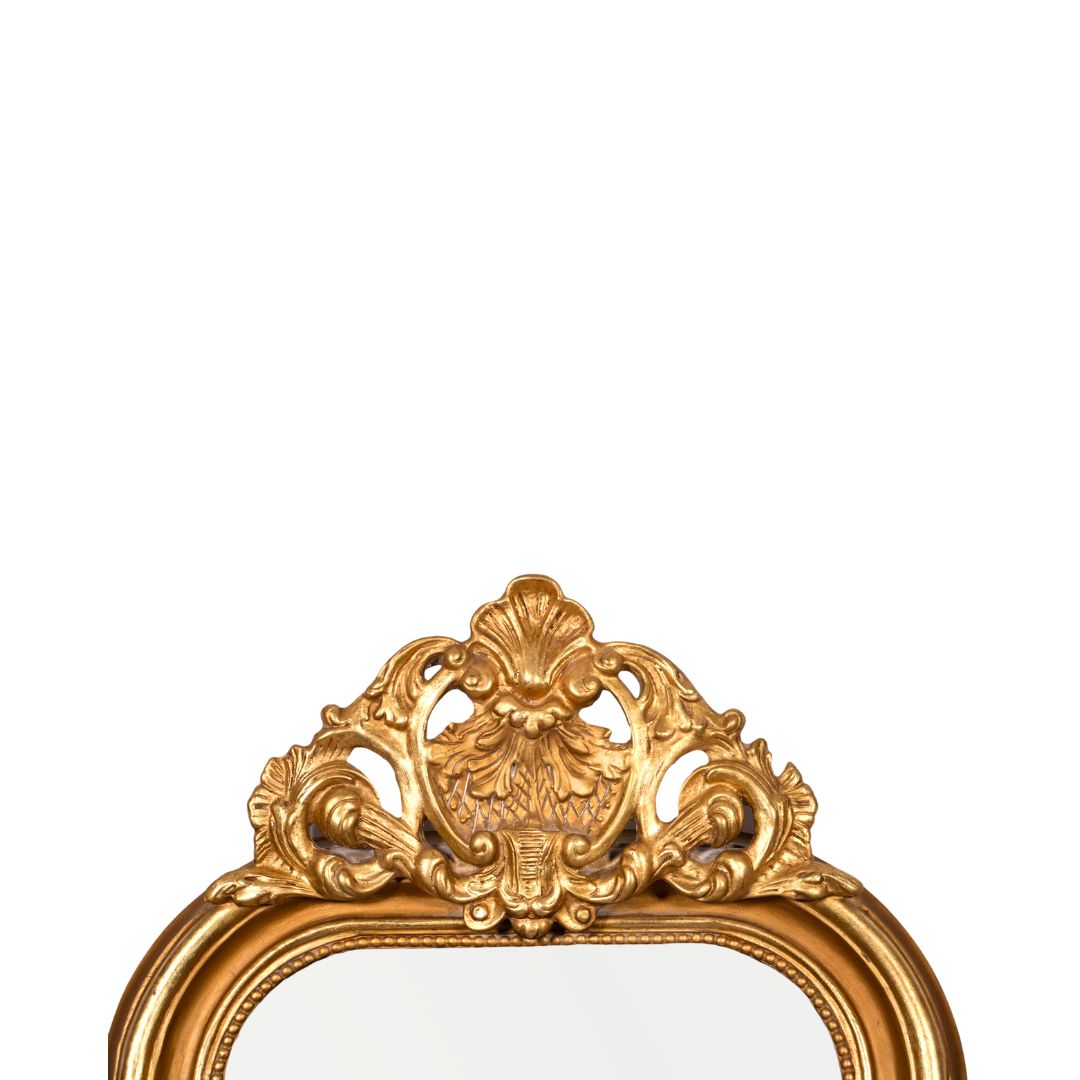
A crested mirror is recognisable by the graceful pediment crowning the frame—the 'crest'. This decorative top element, often featuring acanthus leaves, ribbons or rocaille motifs, originated in 17th-century France. Unlike the austere, straight mirror forms of later periods, the crested mirror was designed to elevate light within a room to something monumental.

Where paintings told stories in paint, mirrors achieved this through reflection. The crest functioned as a sculptural accent, an extension of the architecture, transforming the whole from mere decoration into an integral component of the space.

An authentic crested mirror isn't an object of superficial splendour, but a piece that unites form, light and history.

Why Kuzco Art Maison Creates Crested Mirrors

At Kuzco Art Maison, we view interiors as exhibitions—spaces that evoke emotion and inspiration. Our crested mirrors are crafted with the same respect for material and proportion as the exemplars that once graced the salons of Louis XV and Louis XVI.

Whilst antique mirrors are rare and fragile, and modern imitations often lose their significance, we create new pieces that remain faithful to the original. Each mirror is constructed from a wooden base, prepared with gesso ground, and covered with gold leaf in multiple layers. This creates a soft glow that doesn't reflect light but carries it—precisely as the masters of Versailles intended.

The French Tradition: From Versailles to Paris

The history of the crested mirror runs parallel to the rise of the French court as cultural epicentre. In the Hall of Mirrors at Versailles, the mirror was elevated to a symbol of power and beauty. The gilded frames with sculptural ornaments reflected not only the light of chandeliers but also the grandeur of French Baroque.

In the 18th century, this ideal transferred to the town palaces of Paris, where mirror ateliers such as Saint-Gobain and Flandrin perfected the crested mirror as an art form. We continue this lineage—not through copying, but by reinterpreting the essence of that period: harmony between symmetry, ornament and light.

Crested Mirror Styles: Louis XV to Empire

Crested mirrors evolved through distinct French stylistic periods, each with characteristic formal languages.

Louis XV Crested Mirrors (Rococo)

The Louis XV period (circa 1715–1774) represents Rococo at its most exuberant. Crested mirrors from this era feature asymmetrical compositions, C-scrolls and S-curves, naturalistic floral carvings and playful rocaille ornament. The crest might incorporate shells, foliage or even birds—organic forms that appear to grow from the frame itself.

These mirrors suit interiors seeking visual richness, romantic character and a sense of collected luxury. The ornamental complexity provides textural depth whilst the gilding unifies the composition.

Louis XVI Crested Mirrors (Neoclassical)

Louis XVI style (circa 1774–1792) marked a return to classical restraint. Crested mirrors became more architectural: straight lines replaced curves, symmetry governed composition, and ornament drew upon Greco-Roman vocabulary—palmettes, urns, laurel wreaths, ribbon bows tied in perfect geometry.

The crest becomes more disciplined—a pediment echoing classical temple architecture rather than organic growth. This formality suits contemporary interiors beautifully, providing historical gravitas without visual excess.

Empire Crested Mirrors

Empire style (circa 1804–1814) represents Napoleon's visual language of power. Mirrors from this period feature bold, archaeologically inspired motifs: eagles, victories, Egyptian elements (sphinxes, lotus), military trophies. The gilding is often darker, richer—intended to convey imperial authority.

Empire crested mirrors possess monumental presence. They work brilliantly in spaces requiring visual weight—grand halls, formal dining rooms, hospitality environments seeking dramatic impact.

The Kuzco Art Maison Crested Mirror Collection

Our collection encompasses various interpretations of the French crested mirror:

Gold Mirror – Perle

A subtly profiled frame with fine pearl edging, inspired by early Louis XVI models. The restrained ornament and delicate proportions suit interiors requiring elegance without excess.

Gold Mirror – Louise

An architectural mirror with understated crest, appropriate for symmetrical interiors. The clean lines and balanced proportions reference neoclassical discipline.

Gold Mirror – Gisèle

Tall and refined, ideal for classical entrances and restaurants requiring grandeur. The vertical emphasis creates height whilst the gilding adds luminosity.

Gold Mirror – Fontaine

An oval model with soft contours and lightly distressed gold leaf. The organic form softens formal interiors whilst maintaining historical authenticity.

Gold Mirror – Beauvoir

Elongated, with vertical strength and restrained ornamental crest. The proportions suit contemporary spaces where traditional mirrors might feel dated.

Each mirror is individually gilded and patinated, ensuring the gold leaf develops a warm, lived-in glow that only grows richer over time.

How Crested Mirrors Are Made: Traditional Gilding Techniques

Our crested mirrors are created using time-honoured processes that cannot be replicated through industrial shortcuts.

Frame Construction and Preparation

Each frame begins with seasoned hardwood, carved (for ornamental elements) or milled (for profile mouldings) to precise dimensions. The raw wood is then prepared with multiple layers of gesso—a traditional ground made from chalk and animal glue. This creates an absolutely smooth, absorbent surface essential for gilding.

Once the gesso is cured and sanded to perfection, a specialised adhesive size is applied. This remains tacky for a limited window, during which the gilder must work.

Gold Leaf Application (Water Gilding)

Gold leaf sheets—each impossibly thin and delicate—are carefully laid onto the sized surface. Traditional water gilding allows the leaf to be burnished to high shine or left matte, creating depth through contrast between polished and unburnished areas.

Multiple layers of gold leaf ensure complete coverage and allow for subtle distressing that mimics centuries of gentle wear. This antiqued gold finish distinguishes authentic-appearing mirrors from brash, uniformly shiny reproductions.

Patination and Finishing

The final stage involves controlled patination—selectively darkening recesses, highlighting raised elements, and creating the subtle tonal variation that gives gilded frames their characteristic warmth. This process cannot be rushed; it requires understanding how gold leaf ages naturally and replicating that evolution intentionally.

The result: mirrors that appear not freshly made but carefully preserved—objects with the gravitas of age but the structural integrity of new craftsmanship.

Interior Design Guidance: Placing Crested Mirrors

The crested mirror functions as a focal point within a space. Placement determines whether it enhances or overwhelms.

Above the Mantelpiece

Positioned above a fireplace, a crested mirror creates vertical emphasis, drawing the eye upward and increasing perceived ceiling height. The gilding reflects firelight and candle glow, amplifying warmth. Ensure the mirror's width doesn't exceed the mantel's breadth—visual balance requires the mirror to feel anchored, not precariously perched.

In Entrance Halls and Stairwells

Halls and staircases benefit enormously from crested mirrors. They capture daylight from adjacent rooms and diffuse it throughout transitional spaces that might otherwise feel dim. The crest adds architectural interest to otherwise plain walls, whilst the reflection expands perceived space.

For maximum impact, position opposite or adjacent to natural light sources—windows, skylights, glass doors.

Formal Dining Rooms

In dining environments, crested mirrors multiply candlelight and create visual depth. A pair of matching crested mirrors flanking a sideboard or console creates formal symmetry appropriate to the room's ceremonial function.

Hospitality and Commercial Interiors

Hotels, restaurants and luxury retail environments employ crested mirrors to establish immediate cultural sophistication. A gilded crested mirror in a hotel lobby signals European refinement and collected taste—a visual shorthand for established luxury.

In restaurants, crested mirrors enhance atmosphere whilst serving practical functions: checking appearance before entering the dining room, creating the illusion of larger space, reflecting candlelight to increase perceived warmth.

Combining Crested Mirrors with Other Materials

Crested mirrors achieve their full effect through material relationships—juxtapositions that emphasise contrast between matte and reflective, warm and cool, solid and transparent.

With marble: The cool, veined surface of marble provides tactile contrast to warm gilding. Marble mantels, console tops or floor tiles create a classical material palette—stone and gold, permanence and light.

With bronze: Bronze sculptures, candelabras or decorative objects share gold's warmth whilst offering dimensional contrast. Both materials develop patina over time, creating visual conversation.

With limewash and natural plasters: Matte, textured wall finishes (limewash, tadelakt, Venetian plaster) prevent visual competition with the mirror's reflective surface whilst enhancing the gilding's glow through contrast.

With dark woods: Walnut, mahogany or ebonised wood creates dramatic contrast, making gilding appear more luminous. This combination suits Empire or Louis XV interiors particularly well.

Crested Mirror Finishes: Antique Gold to Champagne Gold

Whilst all our crested mirrors feature genuine gold leaf, final appearance varies through patination and burnishing choices.

Antique Gold

Antique gold finish features deliberate distressing: darkened recesses, selective wear on raised ornament, and tonal variation suggesting centuries of gentle oxidation. This finish suits interiors seeking collected character rather than showroom perfection.

Bright Gold (Burnished)

Bright gold is achieved through burnishing—polishing the gold leaf with agate or other hard stones to create mirror-like reflectivity. This finish references the original appearance of Versailles gilding—radiant, confident, celebratory.

Champagne Gold

Champagne gold employs paler gold alloys or lighter patination, creating softer, warmer tones. This finish integrates beautifully with contemporary neutral palettes—creams, taupes, pale greys—providing warmth without overwhelming restraint.

Silver Gilt

Though less common in crested mirrors, silver gilt (white gold or palladium leaf) offers cool-toned elegance. This suits neoclassical interiors or contemporary spaces where yellow gold might feel too traditional.

Real Gold Leaf vs Gold-Effect Finishes: Knowing the Difference

Understanding what distinguishes authentic gold leaf from imitation finishes protects against misrepresentation and ensures appropriate investment.

Genuine Gold Leaf Characteristics

  • Depth and luminosity: Real gold leaf creates three-dimensional glow—light appears to emanate from within rather than bounce off surface
  • Layered application: Multiple sheets create subtle overlaps and variations visible upon close inspection
  • Weight: Genuinely gilded frames feel substantial due to gesso layers and hardwood construction
  • Durability: Properly applied gold leaf doesn't chip, flake or discolour; it may darken slightly (desirable patina) but remains intact

Warning Signs of Imitation Gold

  • Flat, uniform appearance: Gold paint or spray creates one-dimensional colour without depth
  • Degradation: Painted finishes chip, peel and fade; plastic "gold" flakes away
  • Lightweight construction: Imitation frames use composite materials or thin veneers
  • Price disparity: Authentic water gilding is labour-intensive; suspiciously cheap "gilded" mirrors indicate shortcuts

Terms indicating imitation: "gold-tone," "gold-effect," "gold-painted," "gold-finish." These describe surface treatments, not traditional gilding.

Caring for Your Crested Mirror

A gilded crested mirror maintains its glow best with gentle light and careful handling.

Regular Maintenance

  • Dusting: Use a soft, dry cloth—microfibre or cotton muslin work well
  • Dry environment: Excessive humidity can affect gesso; maintain stable conditions

Positioning for Longevity

Hang the mirror securely and level, preferably opposite a window or light source to allow the gold leaf's natural depth to be fully appreciated. Avoid direct sunlight for extended periods, which can fade certain patinas, though gold leaf itself is colourfast.

For valuable or antique crested mirrors, consult professional conservators for any intervention beyond basic dusting.

Crested Mirrors FAQ

What's the difference between a crested mirror and an overmantel mirror?

A crested mirror specifically features a decorative pediment (the crest) crowning the frame—a sculptural element extending upward. An overmantel mirror is defined by placement (above the mantel) rather than form; it might be crested, but could equally be rectangular, arched or otherwise shaped. Many crested mirrors function as overmantel mirrors, but not all overmantel mirrors are crested.

Are crested mirrors only suitable for traditional interiors?

Not at all. Whilst crested mirrors originated in traditional French contexts, they work brilliantly in eclectic, transitional and even contemporary interiors. The key is intentional contrast: a gilded crested mirror in a minimalist space provides warmth and cultural depth that prevents coldness. In maximalist or collected interiors, it reinforces layered sophistication. The mirror's formality is an asset, not a limitation—it anchors diverse elements through its own clarity of form.

Can I use a crested mirror in a bathroom?

Whilst technically possible, bathrooms present challenges for gilded mirrors. High humidity can affect gesso layers, and water splashes may damage gold leaf over time. If using in a bathroom, ensure excellent ventilation, keep the mirror distant from direct water contact, and accept that it may require more maintenance. For wet environments, consider having the reverse sealed by a professional gilder.

What size crested mirror should I choose?

Mirror size should relate to both wall proportions and furniture scale. Above a mantelpiece, the mirror's width should be 50–75% of the mantel's width—large enough for visual impact but not so wide it appears unstable. In entrance halls, larger mirrors create drama and expand space. Consider ceiling height: tall ceilings accommodate (and benefit from) mirrors with pronounced vertical crests.

How do Louis XV and Louis XVI crested mirrors differ?

Louis XV crested mirrors (Rococo, circa 1715–1774) feature asymmetrical, organic ornament—C-scrolls, shells, naturalistic flowers, playful irregularity. Louis XVI mirrors (Neoclassical, circa 1774–1792) emphasise symmetry, straight lines, architectural pediments and Greco-Roman motifs—palmettes, urns, laurel wreaths. XV is romantic and exuberant; XVI is disciplined and refined. Choose based on the character you wish to establish.

Do you supply to private clients or only trade?

Kuzco Art Maison operates primarily B2B, serving interior designers, decorators, hospitality projects and galleries. In exceptional cases, we supply to private collectors, with retail pricing applied. This maintains market positioning and protects our trade relationships.

Can I view crested mirrors before purchasing?

Yes. Viewing is available by appointment at our showrooms in Amsterdam (La Maison Creative Salon) and Bleiswijk. For interior professionals, we offer consultation on sizing, finish selection and placement within specific design schemes—ensuring the mirror genuinely enhances your project rather than simply filling wall space.

Are these antique mirrors or new production?

Our crested mirrors are new production, crafted using traditional techniques—hand-carved frames, genuine gesso ground, water gilding with real gold leaf, controlled patination. They're not antiques in the strict sense (100+ years old) but heirloom-quality pieces made to endure generations. This approach makes French gilded mirrors accessible beyond the antiques market whilst maintaining authentic craftsmanship and materials.

Service & Quality from Kuzco Art Maison

  • Handcrafted in limited editions: Each mirror individually gilded, never mass-produced
  • Transparent, fair pricing: Museum-quality craftsmanship without auction-house premiums
  • Genuine gold leaf gilding: Traditional water gilding, not spray paint or imitation
  • Optically clear crystal glass: High-quality mirrors, not distorted or greenish glass
  • Available in period styles: Louis XV, Louis XVI, Empire, plus custom finishes
  • B2B support for designers, hotels and galleries: Trade pricing, project consultation, specification assistance
  • European delivery: Secure shipping throughout EU, with installation guidance for large pieces
  • Exhibited at Maison & Objet: Featured at Europe's leading interiors fair
  • Personal consultation available: At La Maison Creative Salon, Amsterdam, and Bleiswijk showroom

Need expert guidance on crested mirrors? Contact Kuzco Art Maison for curatorial advice on style selection, sizing, finish options and placement. Our expertise in French decorative arts and gilding traditions ensures you'll find a crested mirror that elevates your interior from decorated space to curated environment.