

Kuzco Art Maison
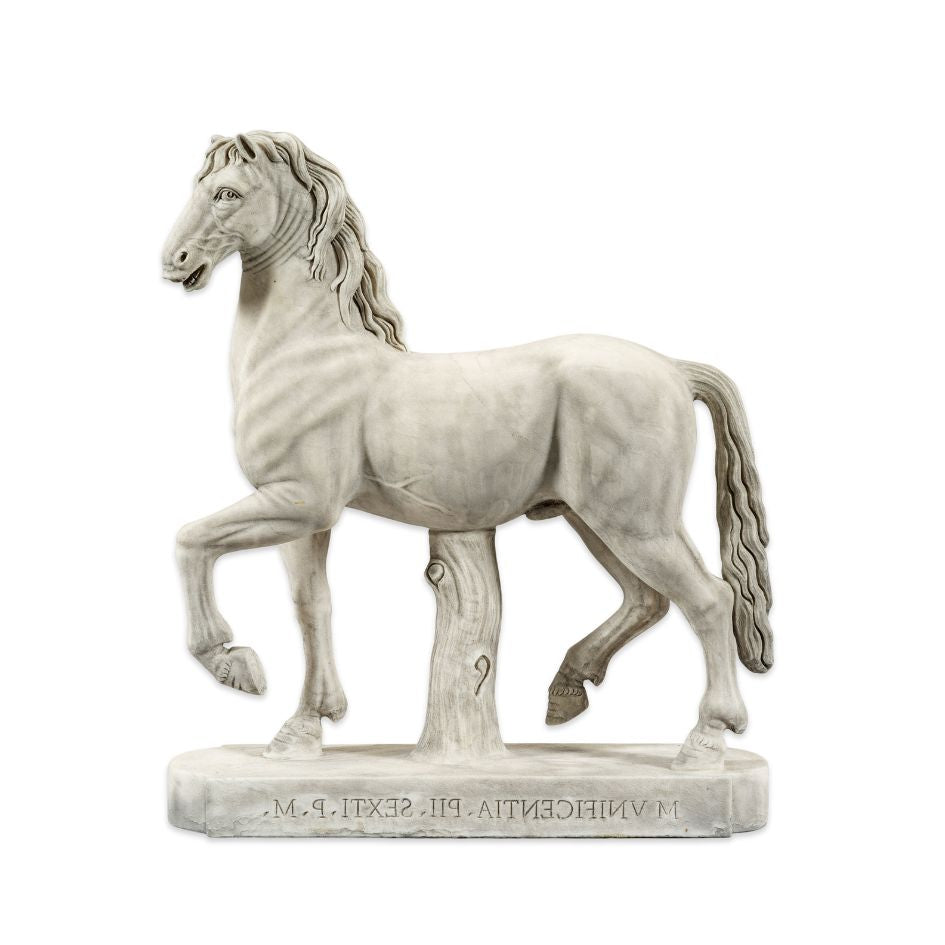
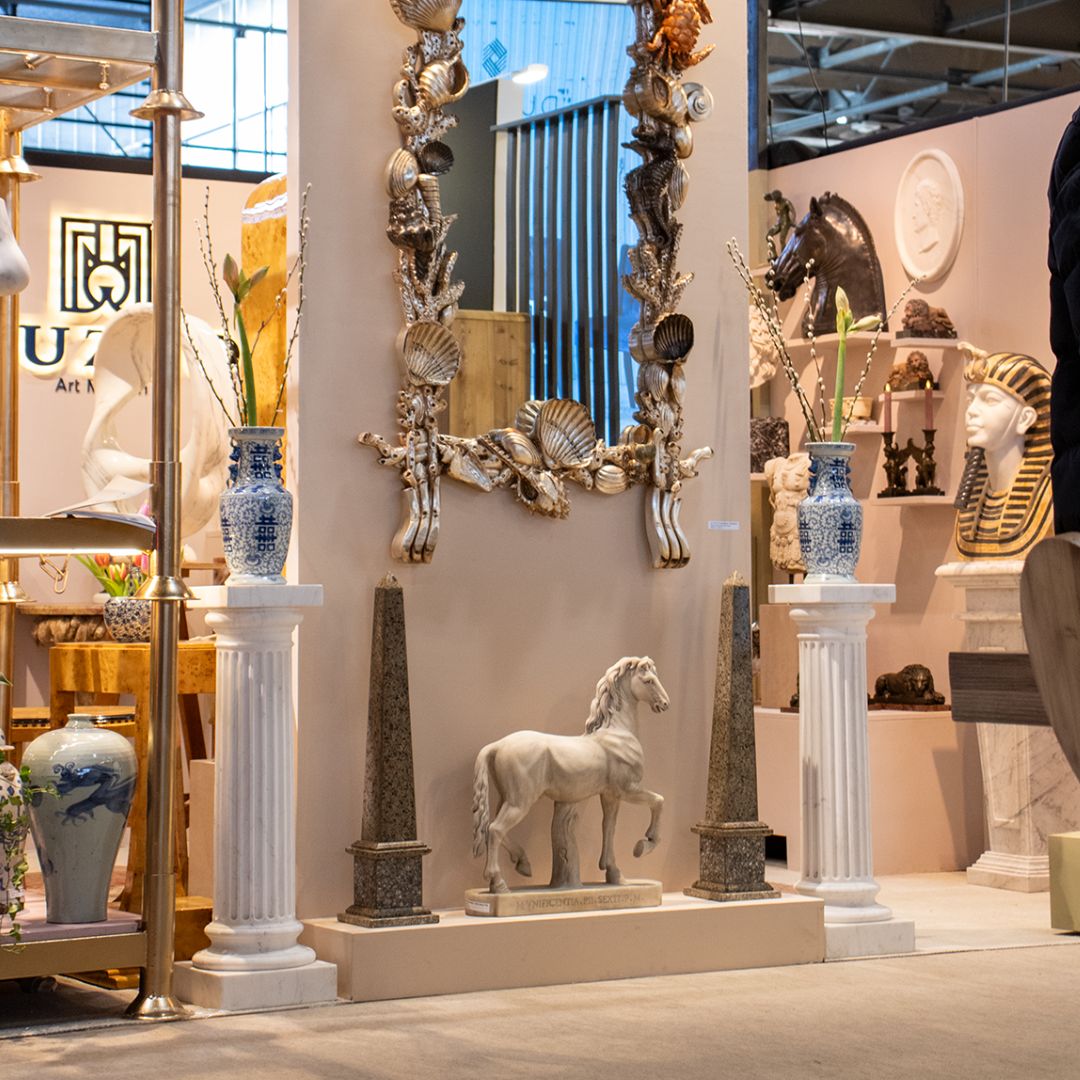
Roman Marble Horse – After the Vatican Stallion
Roman Marble Horse – After the Vatican Stallion
Showroom Amsterdam
Hekelveld 1
1012 SN Amsterdam
Netherlands
Warehouse Bleiswijk
Overbuurtseweg 6
2665 CA Bleiswijk
Netherlands
Have this piece made for you
Personal reply with lead time and price within 1 business day.
Choose options
Have this piece made for you
Personal reply with lead time and price within 1 business day.
Have this piece made for you
Personal reply with lead time and price within 1 business day.
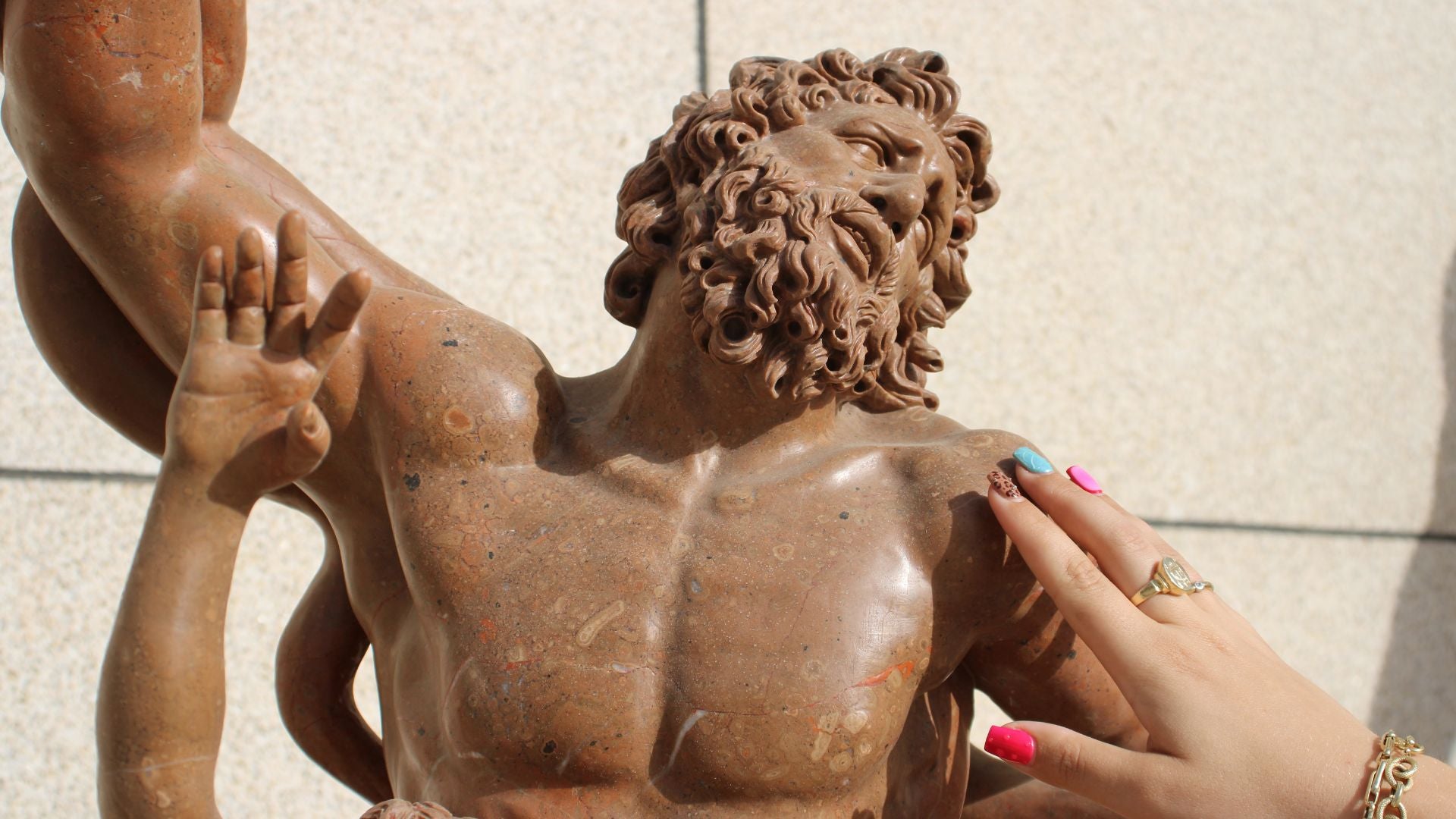
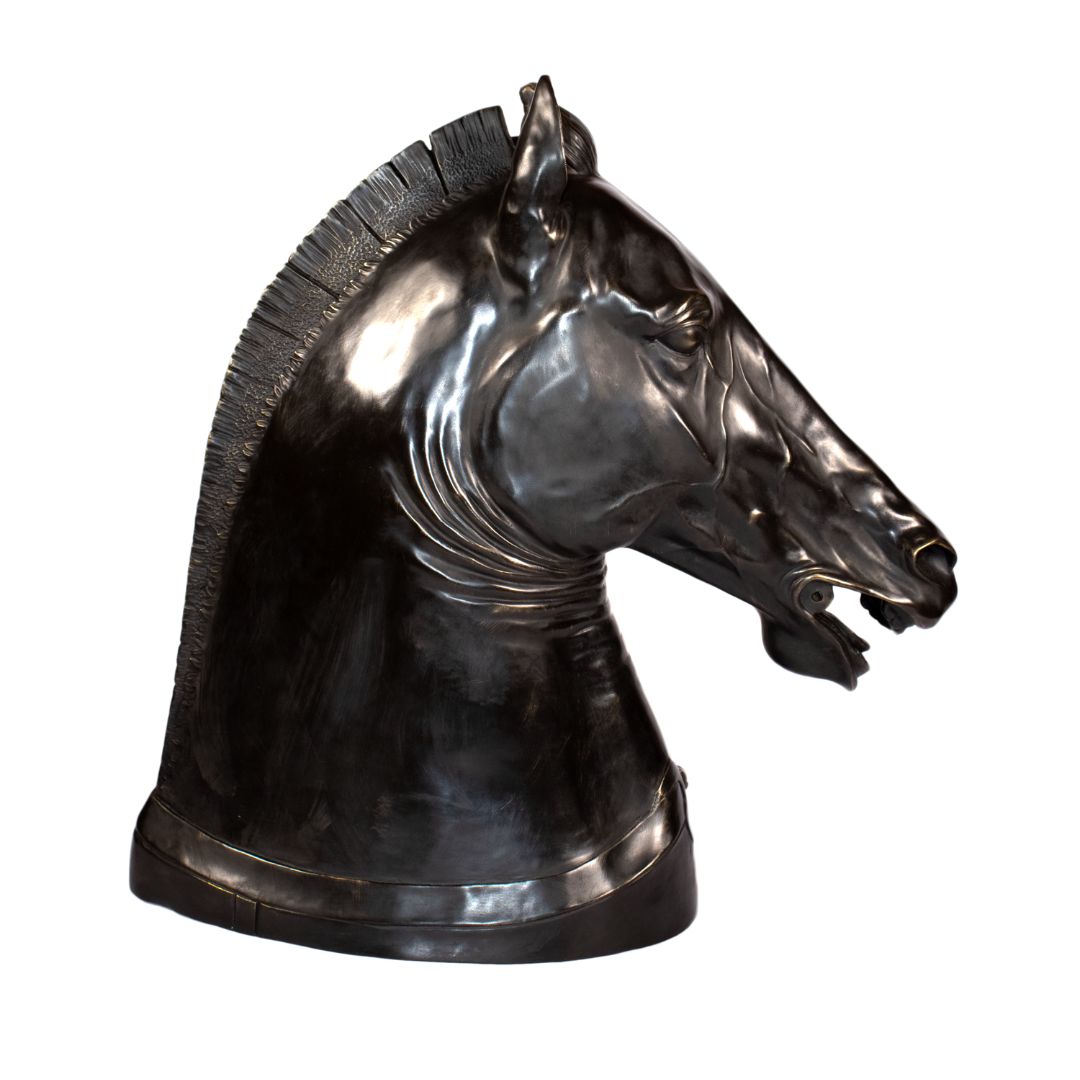
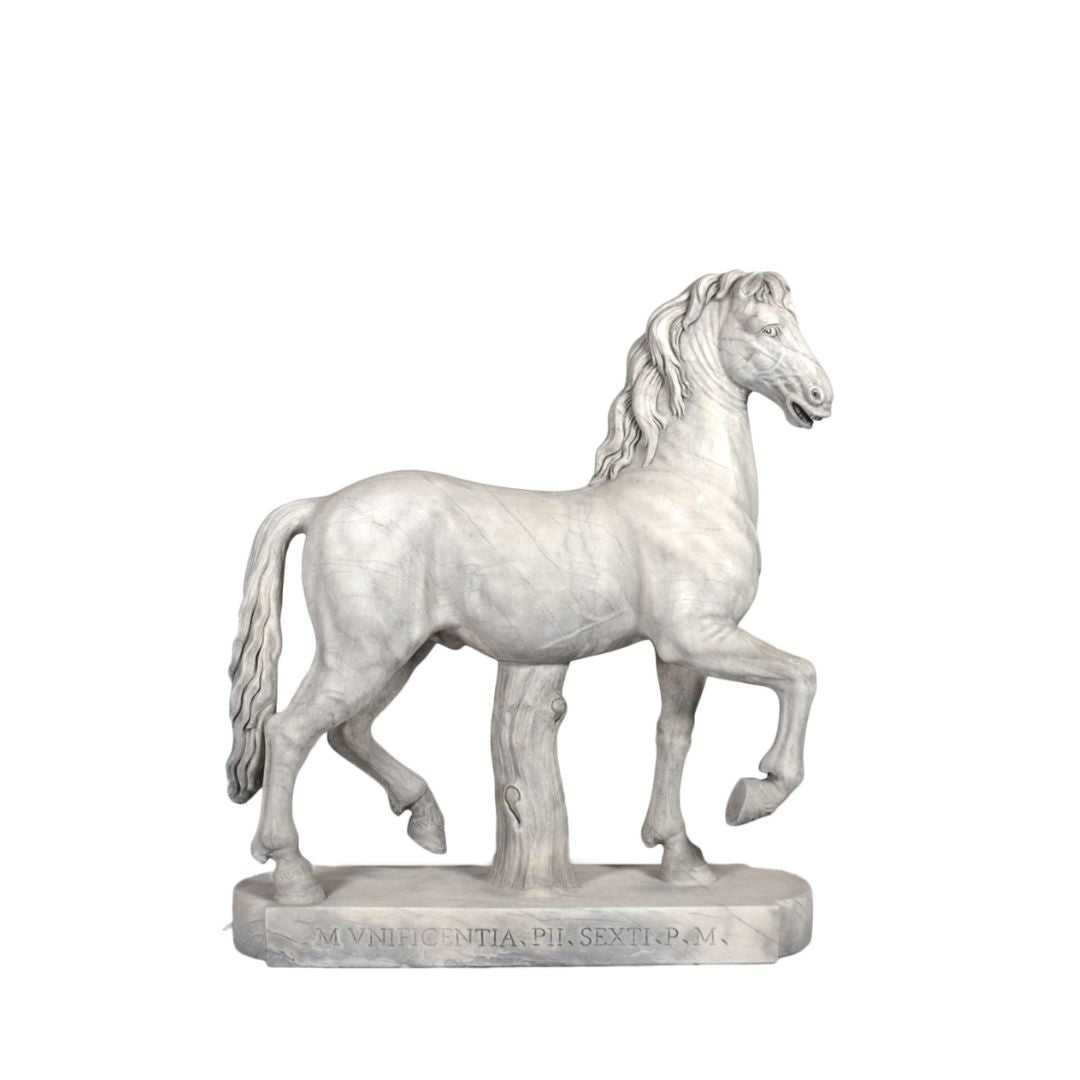
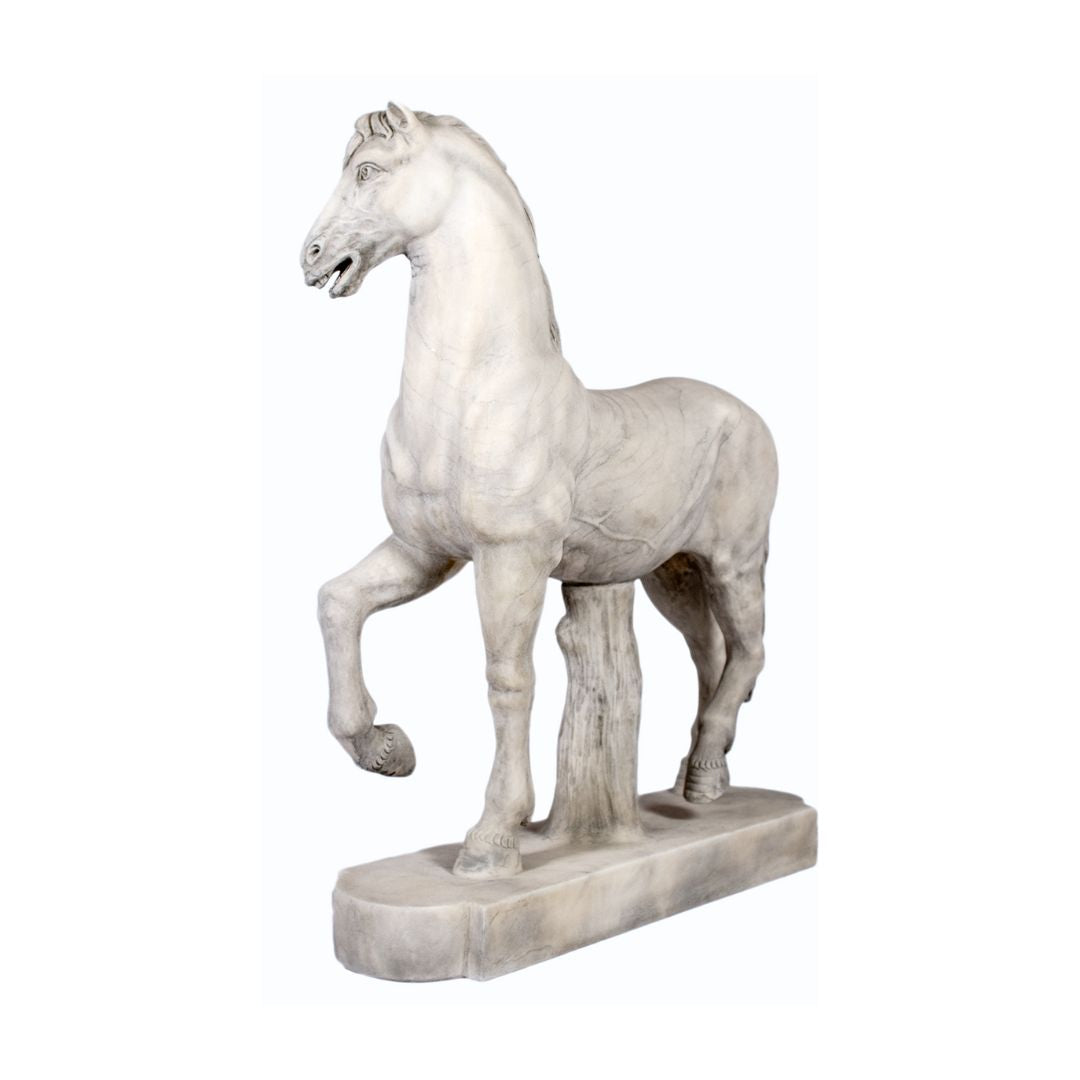
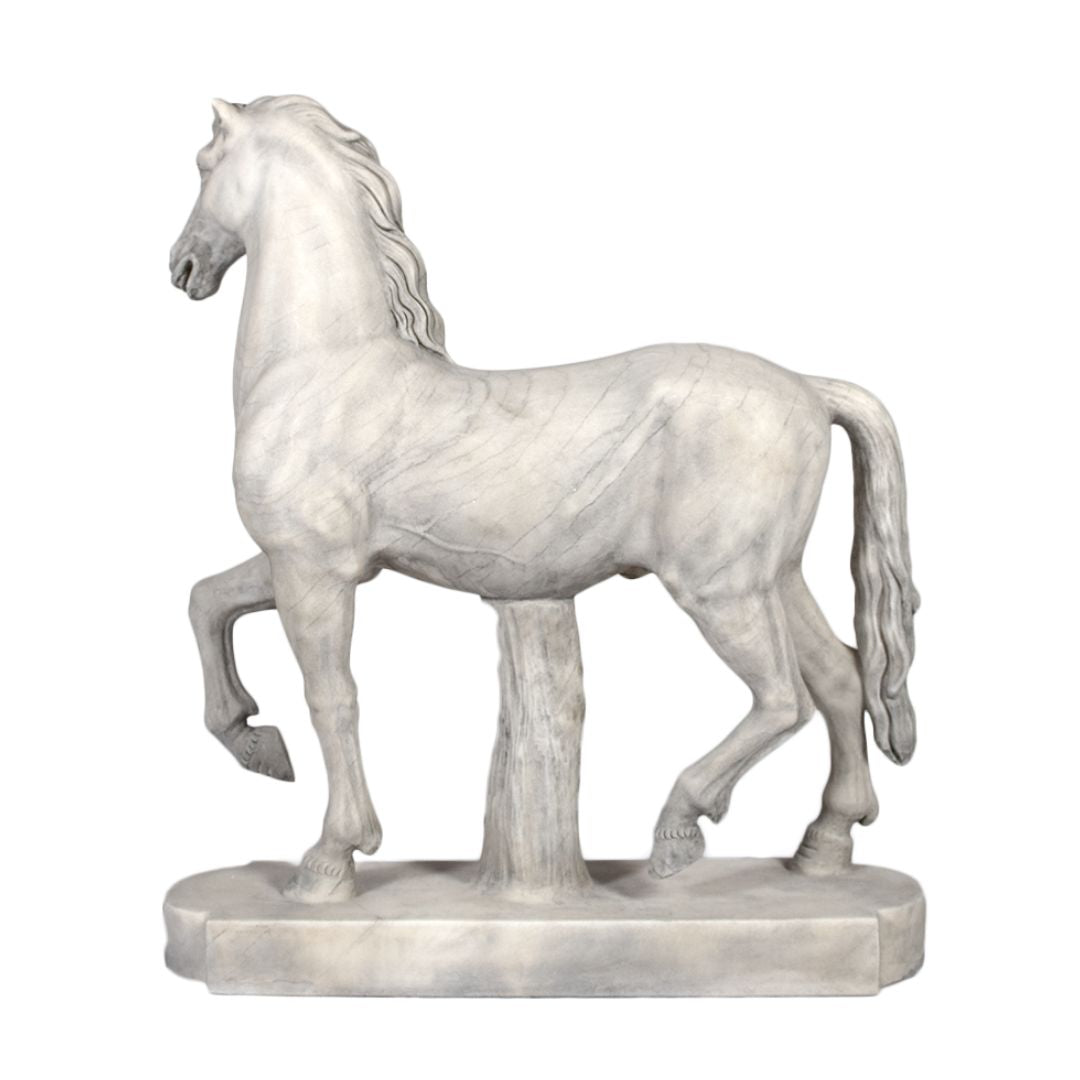
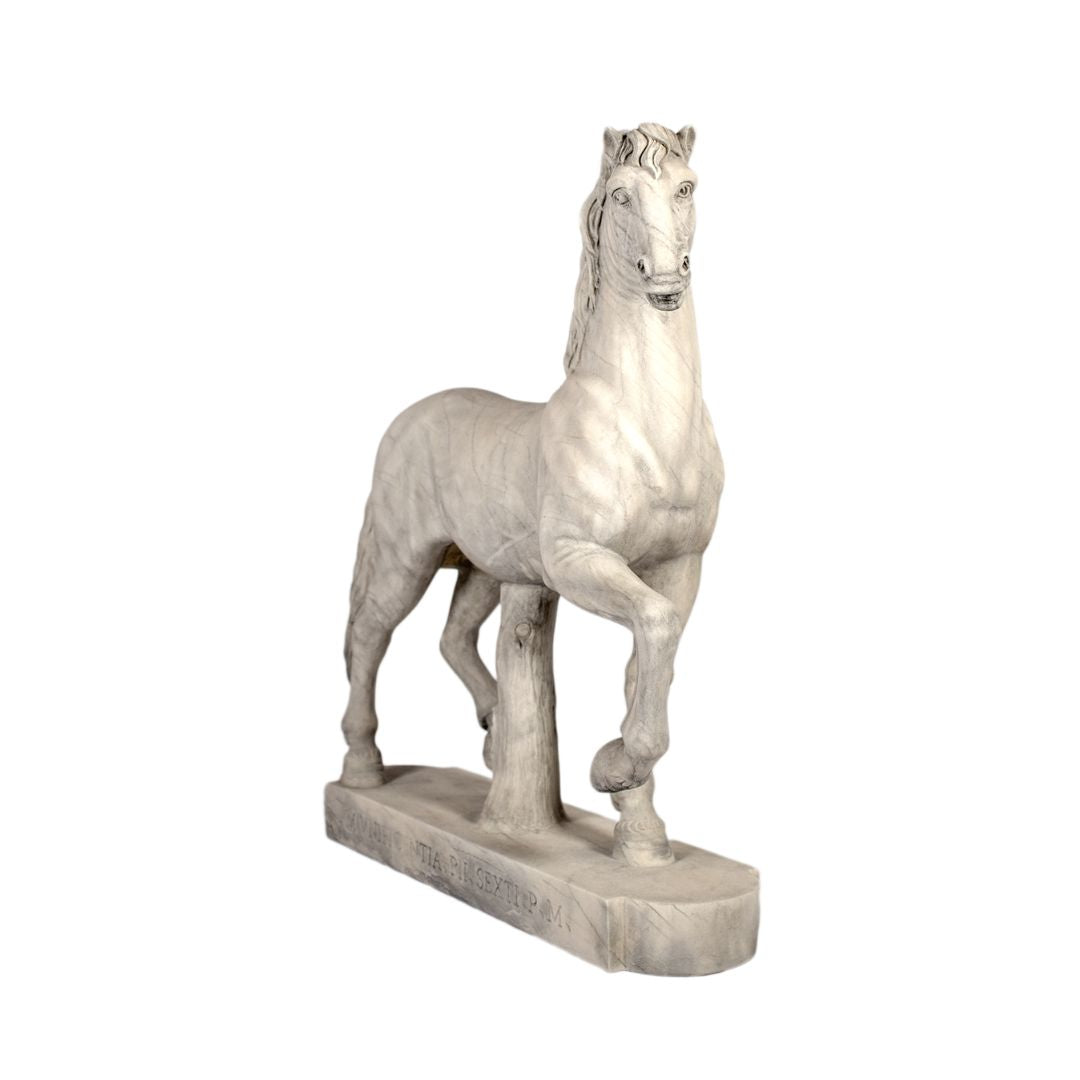
This Roman marble horse is hand-carved from white marble, following the stallion in the Vatican Museums. Muscles, tendons and veins are finely worked, the mane and tail fall in calm, curving lines, and the slightly turned head and raised foreleg give the walking horse movement and tension. Beneath the belly a tree trunk serves as a support, as is usual in marble horse sculpture.
The model stands in the Sala degli Animali, the 'room of the animals' in the Museo Pio-Clementino – a stone menagerie that Pope Pius VI had fitted out in the late eighteenth century, where Carrara sculptors completed and reworked antique marble animals. The Vatican horse itself was largely composed in that period by Francesco Antonio Franzoni around an antique fragment. The base carries the inscription MVNIFICENTIA PII SEXTI P M, a reference to the same pope.
At 60 cm high with a slim 14.5 cm profile, the horse suits a column in a conservatory, where side light brings out the grey veining of the marble.
Each piece is a new reproduction cut by hand after the Vatican model, so the carving of the mane and the veining of the stone differ slightly from one horse to the next.
Worldwide shipping
We work with reliable freight carriers worldwide who are experienced in transporting heavy and delicate works of art. This ensures that your order arrives safely. Shipping costs are calculated on the basis of the weight, dimensions and destination of your order. We aim for competitive rates and provide a detailed quote once the order has been confirmed.
Estimated delivery times vary depending on your location and the size of the order. Domestic shipments usually take 3-7 working days, while international deliveries can take 3-60 working days.
For shipments outside the EU, please note that import duties and taxes may apply under the rules of your country. These costs are not included in our prices and are payable by the buyer.
Warranty
We aim for the highest standards of quality and craftsmanship in our bronze sculptures. All our products carry a 24-month warranty against defects in materials and workmanship under normal use and care. This warranty covers any problems that arise during this period; we will repair or replace the product free of charge. For warranty questions, please contact our customer service.