
Bronze Sculptures
Bronze sculptures cast by hand using the lost-wax method, then chased and patinated in layers until the surface gains depth. The collection runs from Art Deco animals and character heads to Empire candelabra, bookends and life-size garden pieces. Each work starts from art-historical research led by Lilly-Ann de Zeeuw, MA, at our gallery in Amsterdam. All pieces are new, made in the manner of historical examples.

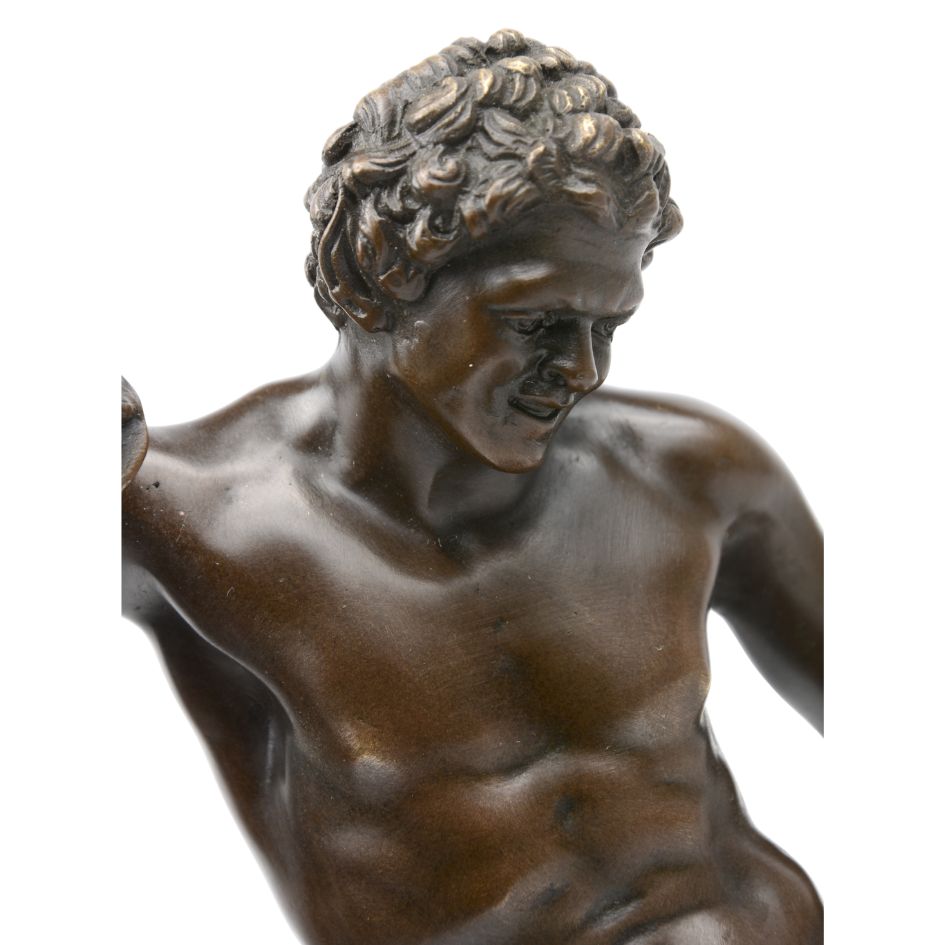
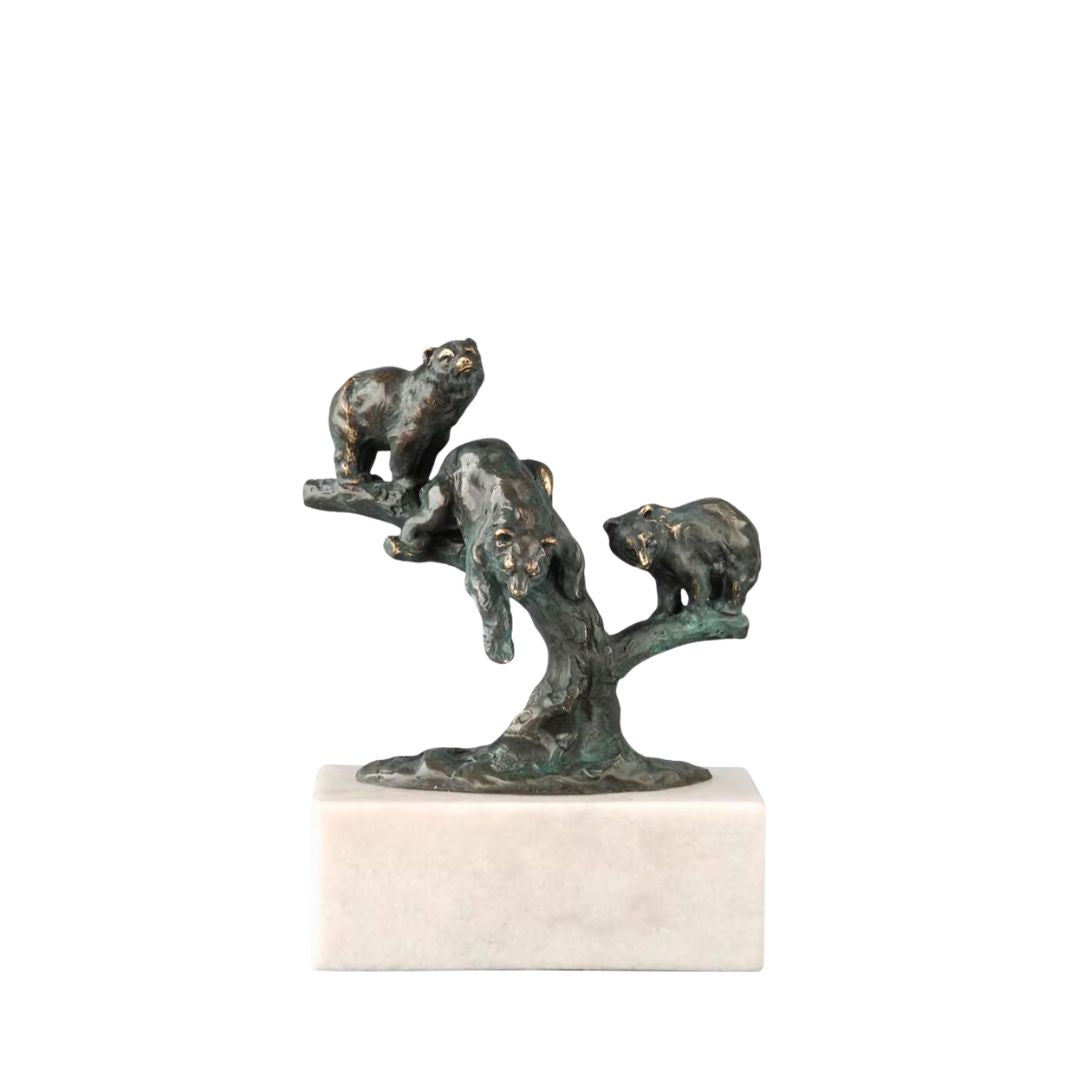
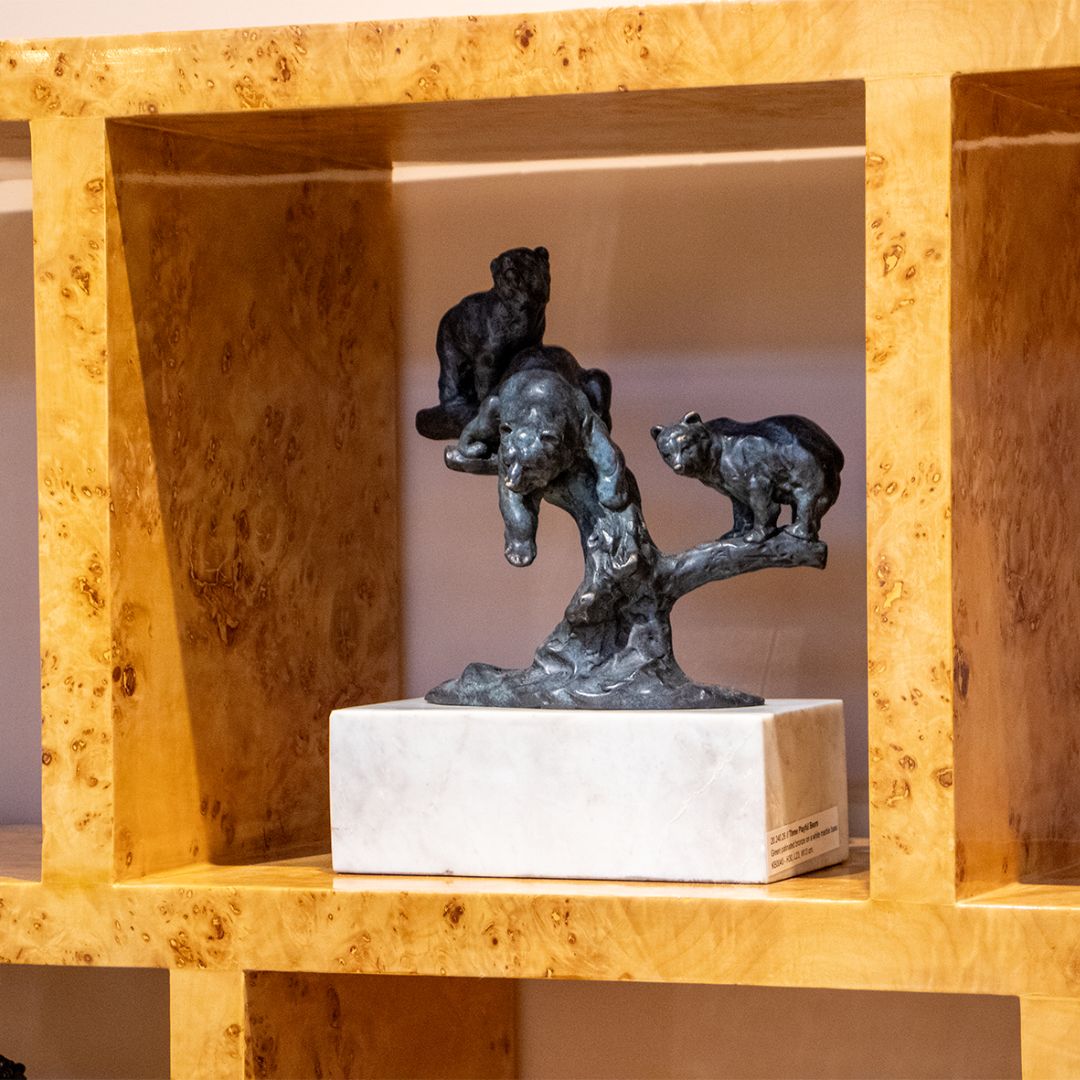
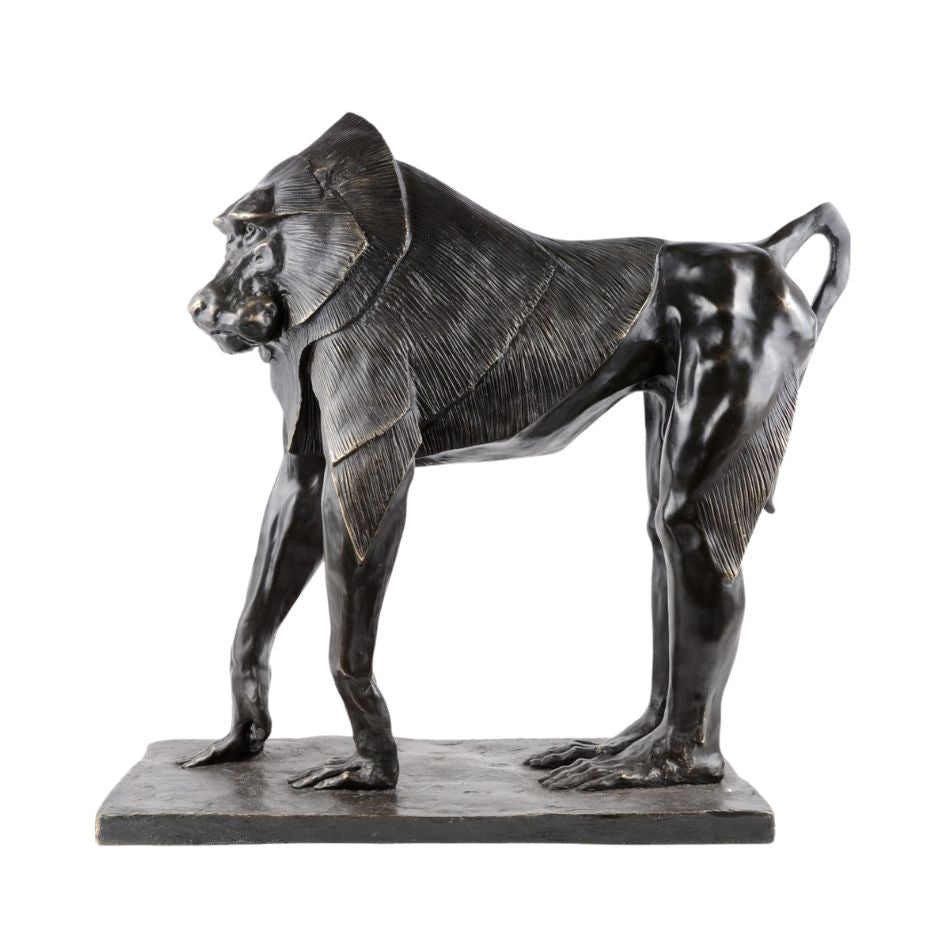



Buy bronze sculptures
Kuzco Art Maison offers not decoration but carefully selected works of art in bronze, each with a story behind it. Every sculpture starts from art-historical research and is cast by hand using the traditional lost-wax method, then individually finished and patinated. The collection deliberately moves between heritage and the contemporary interior: sculptural objects with weight, detail and substance, made to give a room the depth of an exhibition. For interiors that go beyond trend and chance.
The selection and quality control of our bronze sculptures rest on art-historical research and connoisseurship. Kuzco Art Maison is led by Lilly-Ann de Zeeuw, MA, artist, art historian and curator (Museum Studies and Art, Market & Connoisseurship – UvA & VU). In 2025 she completed a commission for one of the largest solid gold sculptures in Europe.
What is a real bronze sculpture?
A real bronze sculpture is not a styling prop but a work of art, with substance in its material and in what it says. The difference lies not in appearance alone but in how it is made, its weight, its finish and the story it tells. At Kuzco Art Maison bronze is approached as it has been for centuries: as a durable sculptural medium in which technique, art-historical knowledge and handwork meet. Below we explain what to look for when choosing real bronze, and why the difference matters.
How are our bronze sculptures made?
Our bronze sculptures are made by the traditional lost-wax method (cire perdue), a process with a history of thousands of years: according to the Metropolitan Museum of Art, lost-wax casting had become the main technique for Greek bronze statuary by the Late Archaic period (c. 500–480 BC). Each sculpture begins as a model worked out in detail, from which a wax version is made with a carefully judged wall thickness. During casting the wax melts away and makes room for molten bronze.
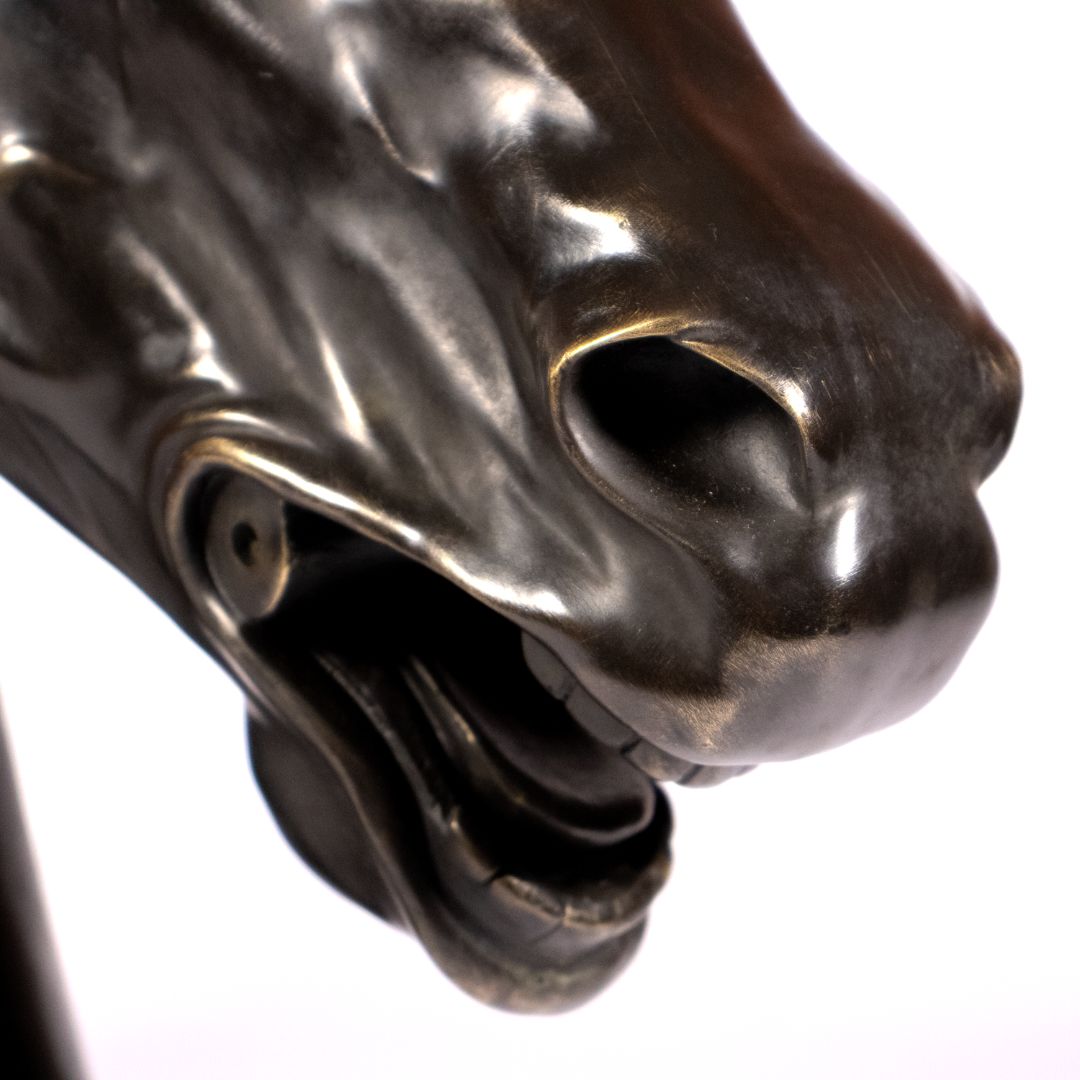
Casting is followed by a stage that mass production does not know: finishing by hand. Casting seams are chased away, surfaces refined and details sharpened. Finally the sculpture is patinated – layer by layer, with heat and chemicals – which gives the bronze depth, nuance and character. Every object that leaves our atelier has been polished and checked by hand. The result is sculpture that does not age through wear but grows richer with time.
How to tell real bronze from decorative imitations
Real bronze can be recognised by qualities that cannot be imitated. It starts with weight: a bronze sculpture feels substantial and stable. The surface also shows nuance – not an even coat of lacquer, but subtle variations in colour and texture, especially in recesses and relief.
How a piece is made is decisive too. A bronze sculpture is cast in metal, not moulded in resin and spray-painted afterwards. That means visible traces of handwork, a solid base and a finish that does not disappear with touch or light wear. Decorative imitations, by contrast – often in synthetic resin – are light, smooth and uniform. They look convincing at a distance but lack durability and depth. Many of these imitation bronzes cannot be placed outdoors either, which is a clear red flag. Be wary of terms such as 'polyresin', 'poly-…' or 'bronze look': these are figures made of plastic.
Bronze, brass and polyresin: the difference
Bronze is a copper-based alloy, usually with tin, valued for its strength, stability and long life. Brass has a high zinc content, is lighter and is used more often for decorative objects without sculptural ambition. Polyresin and other plastics are not metals at all, but cast synthetic resins given a bronze appearance with paint or powder.
The difference shows over time. Where bronze develops a natural patina and lasts for generations, imitations fade and wear beyond repair. Outside their decorative function they have no future, and after a few years they end up in the bin as the plastic they are. Choosing bronze means choosing a material that is not replaced but handed down.
How much does a bronze sculpture weigh?
The weight of a bronze sculpture depends on its size, wall thickness and design. In our collection, sculptures range from a few kilos to monumental works of several hundred kilos. Most interior pieces – Art Deco animal bronzes, for example, or sculptural objects for a console or plinth – weigh on average between 5 and 20 kg.
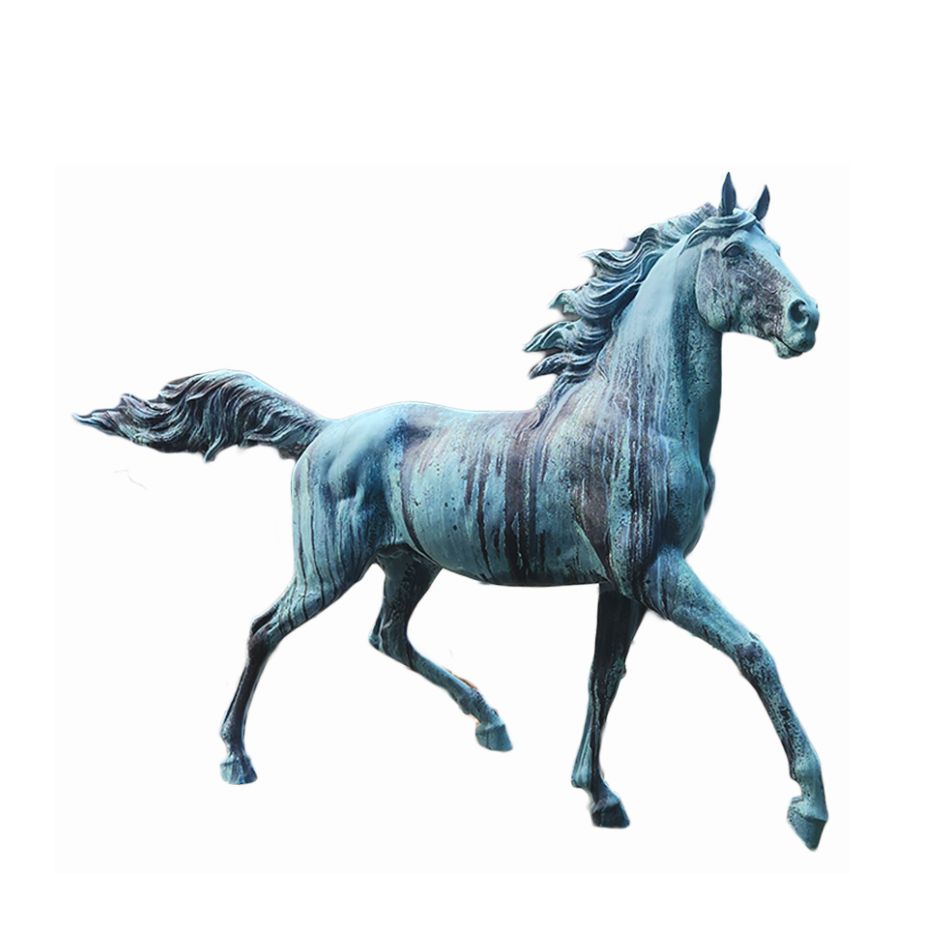
For outdoor projects and garden sculptures we also work on a larger scale: a life-size horse can weigh 400 to 500 kg. That weight is no side issue. It follows directly from the material and gives stability, durability and presence in a space.
The price of a bronze sculpture: what it depends on
The price of a bronze sculpture is set by material, size, complexity and finish. Our collection runs from small pieces for a bookshelf to large hand-cast sculptures such as a life-size running horse for a garden or estate; the price of each work is shown on its product page.
Bronze is also offered more cheaply, but that difference in price almost always comes from compromises: thin casting, minimal finishing or imitations that only approach the look of bronze. A bronze sculpture is not bought for one season; well-made bronze outlasts generations. Resin and imitation bronze, by contrast, age quickly and lose all meaning.
Choosing real bronze is a choice made once – for an object that keeps speaking for a lifetime.
Would you like advice on which bronze sculpture to buy? Get in touch: we think along with your interior and your plans.
The most common mistake when buying a bronze sculpture
The most common mistake is to judge a bronze sculpture like any other interior object. Many people are taken aback by the price and compare bronze with home accessories that are replaced after a few years. Our bronze sculptures are art, and what the material itself brings is often underestimated. A bronze sculpture is not chosen for a phase or a passing style, but for a lifetime.
Bronze is not an impulse purchase. It is an object one grows attached to slowly: through its weight, its surface, its presence in the room. A well-chosen bronze sculpture still fits when the interior around it changes. What is bought here lasts, in material and in meaning.
Need personal advice? Make an appointment and visit our office in Amsterdam or our atelier in Bleiswijk.
Cheap bronze figures versus foundry-cast sculpture
In the bronze market, cheap and valuable are often confused, just as art and craft are. Lower prices almost always result from technical compromises: thin casting, simplified forms, mass production, a superficial patina, or resins and coatings that merely suggest bronze ('bronze look'). Such objects attract with their low price but soon lose their quality – and with it any meaning.
Foundry-cast bronze sculpture is approached differently: as art. It is cast by methods thousands of years old, with sufficient wall thickness, finished by hand and given a patina chemically bonded to the surface. Each piece carries the traces of handwork and of time. That makes it more durable and lets it move from one interior to the next. It is made not for quick replacement but to be kept for many years.
Why choose a bronze sculpture?
A bronze sculpture is a deliberate choice: for art, for story, for material, for technique and for cultural continuity. Bronze has proved itself as a sculptural medium for millennia – not because it is fashionable, but because it lasts. In an interior a bronze sculpture acts as a focal point: an object that adds meaning to the room.
At Kuzco Art Maison bronze sculpture is approached from a curatorial point of view. Each work relates to art-historical examples and is selected or developed to last for generations.
Need personal advice? Make an appointment and visit our office in Amsterdam or our atelier in Bleiswijk.
Our bronze sculptures by style and category
Our bronze collection is conceived as an 'exhibition' for any interior: from Art Deco animal bronzes to Empire candelabra and architectural wall pieces. Every piece is cast by the lost-wax method, and that is precisely where the difference lies between a decorative object and a sculpture made to last.
Why interior designers choose bronze sculptures from Kuzco
- Hand-cast bronze: traditionally cast, finished by hand, with a patina that has depth
- Clients in more than ten countries: interior designers, interior shops, decorators and art dealers
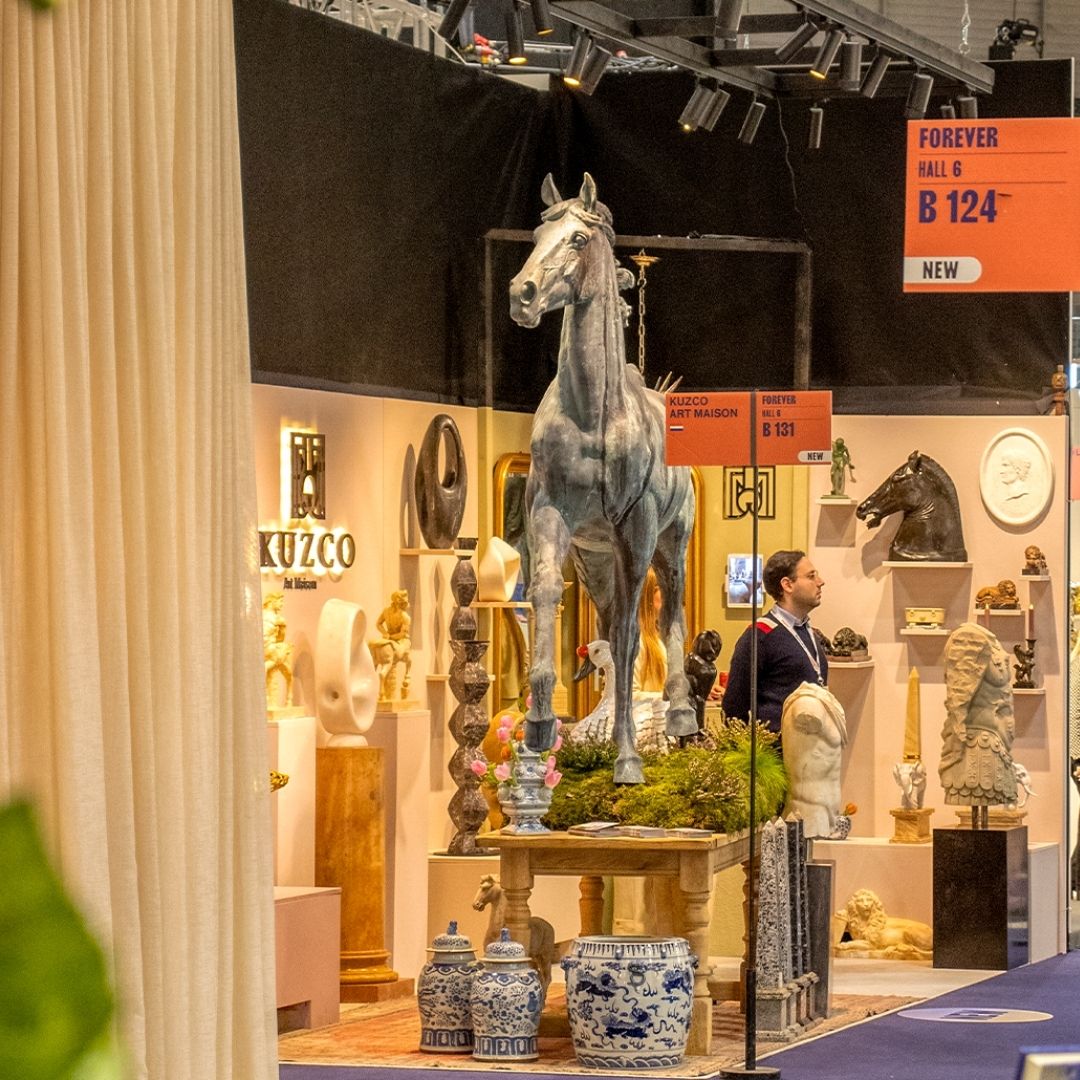
- At Maison & Objet (Paris) since 2024, and earlier at La Maison Creative Salon (Amsterdam)
- Insured transport across Europe: careful shipping, on a pallet where needed, from atelier to interior
- Quality guarantee: every work is selected on content and technique – for form, finish and material.
Art Deco bronze sculptures
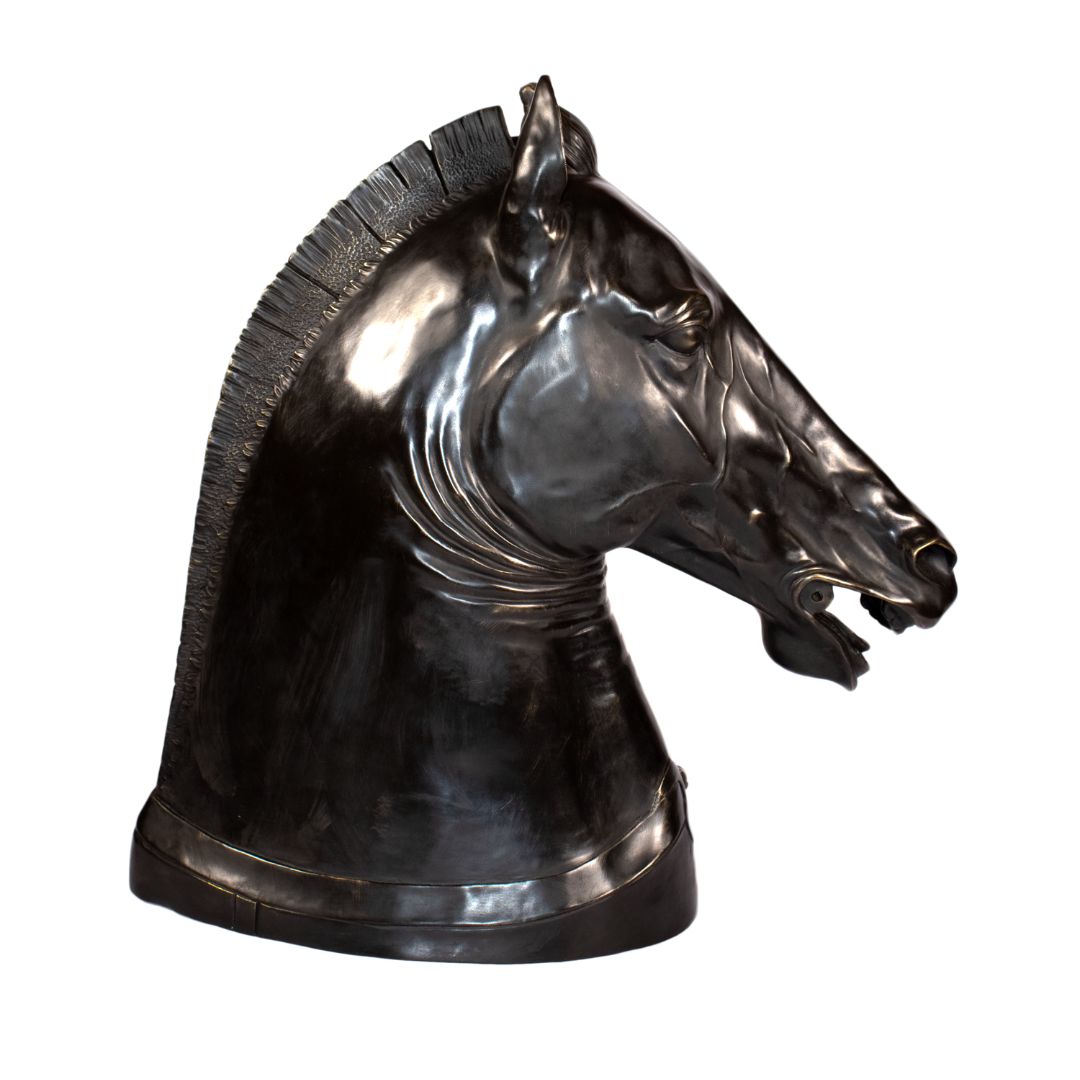
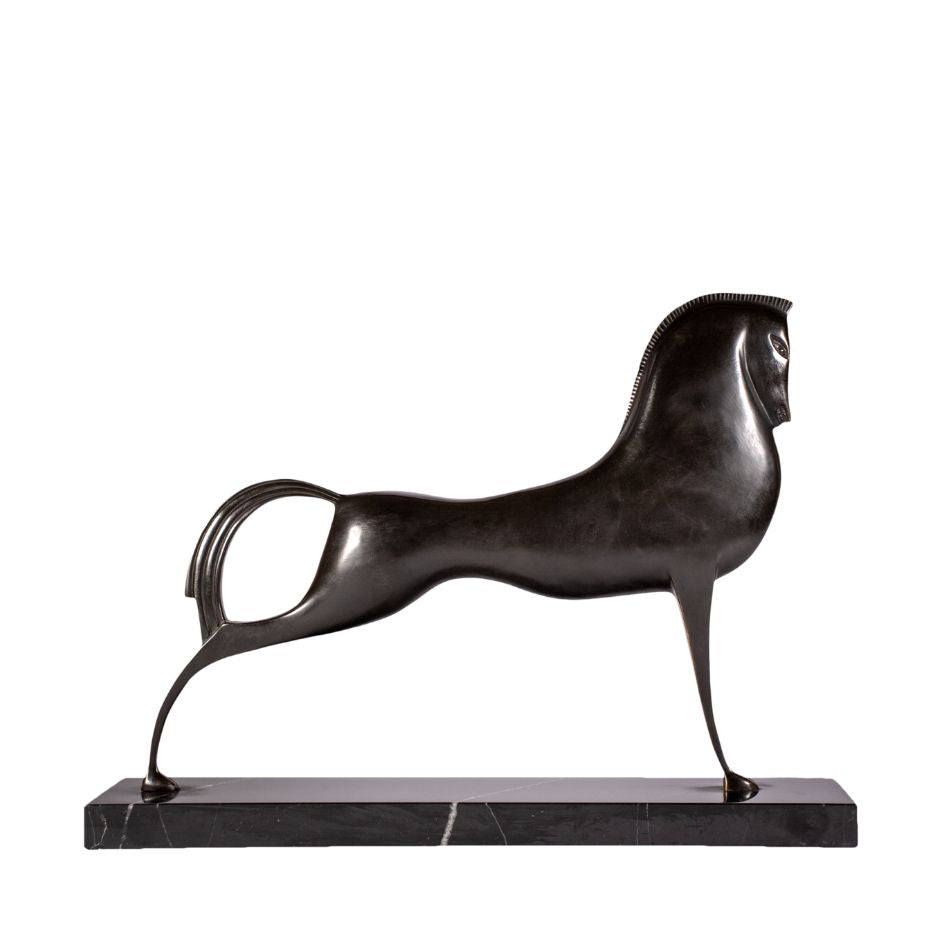
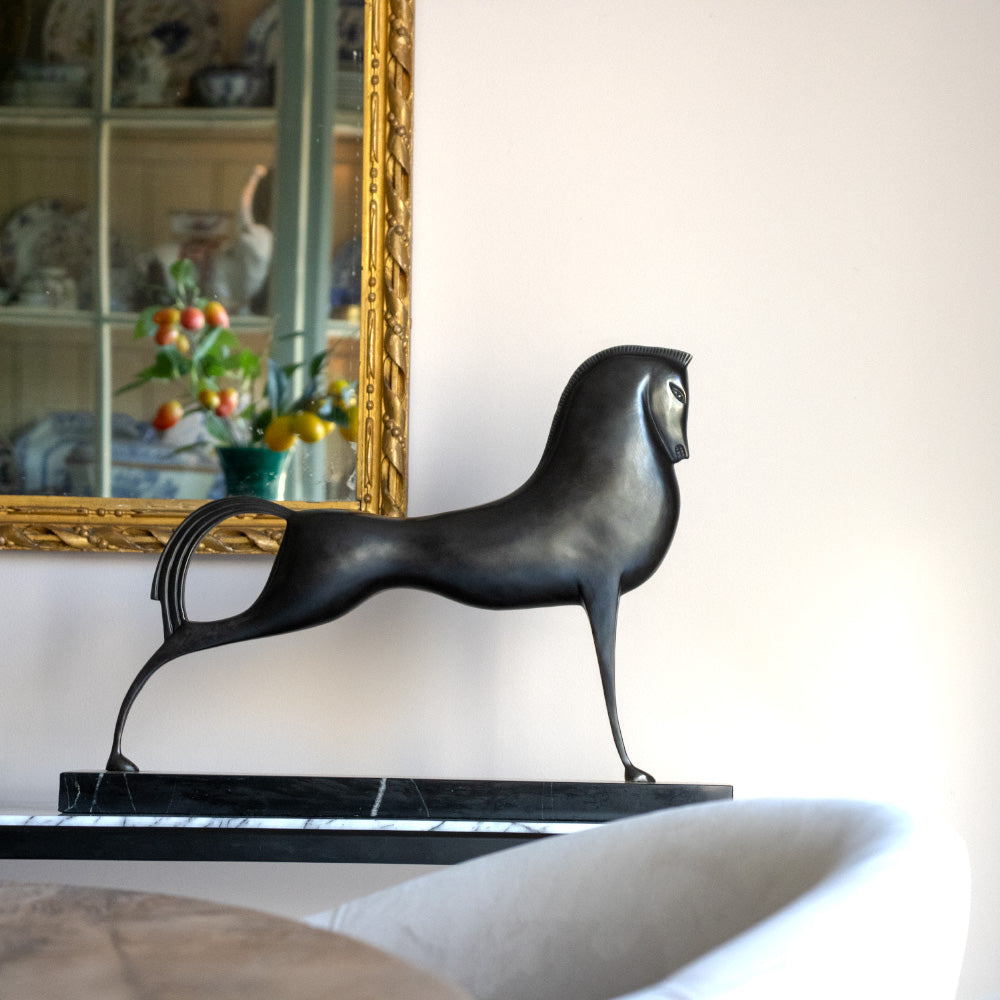
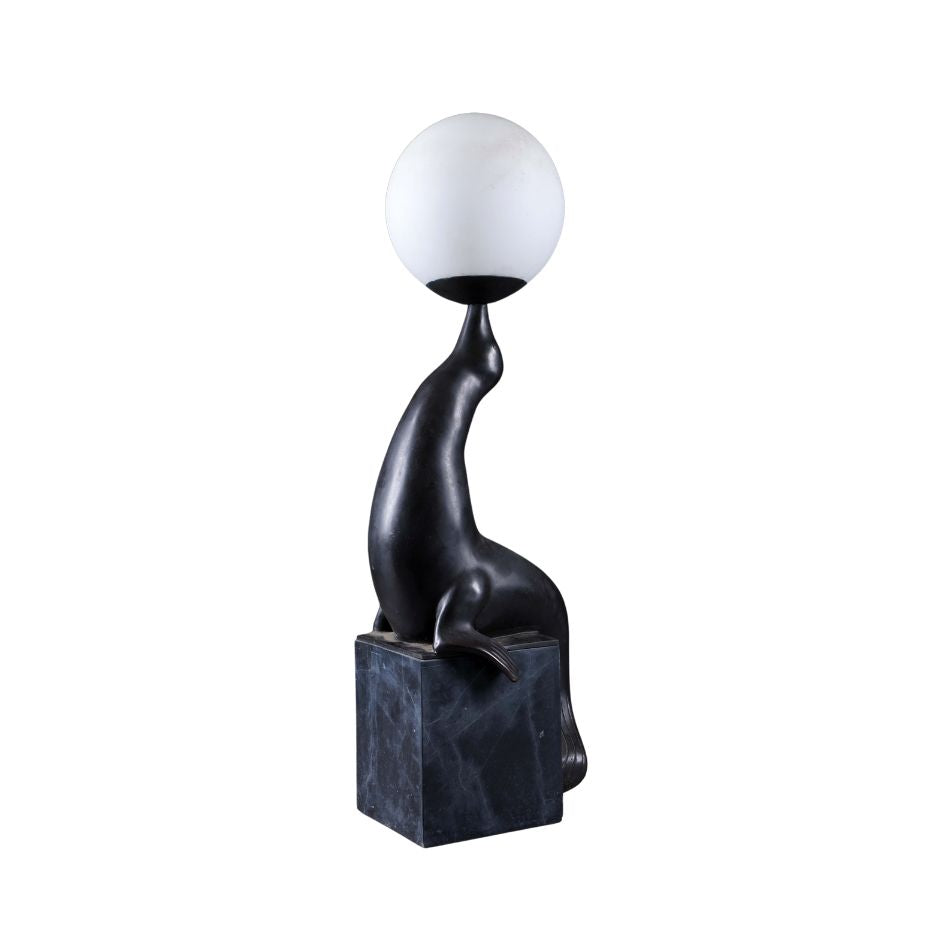
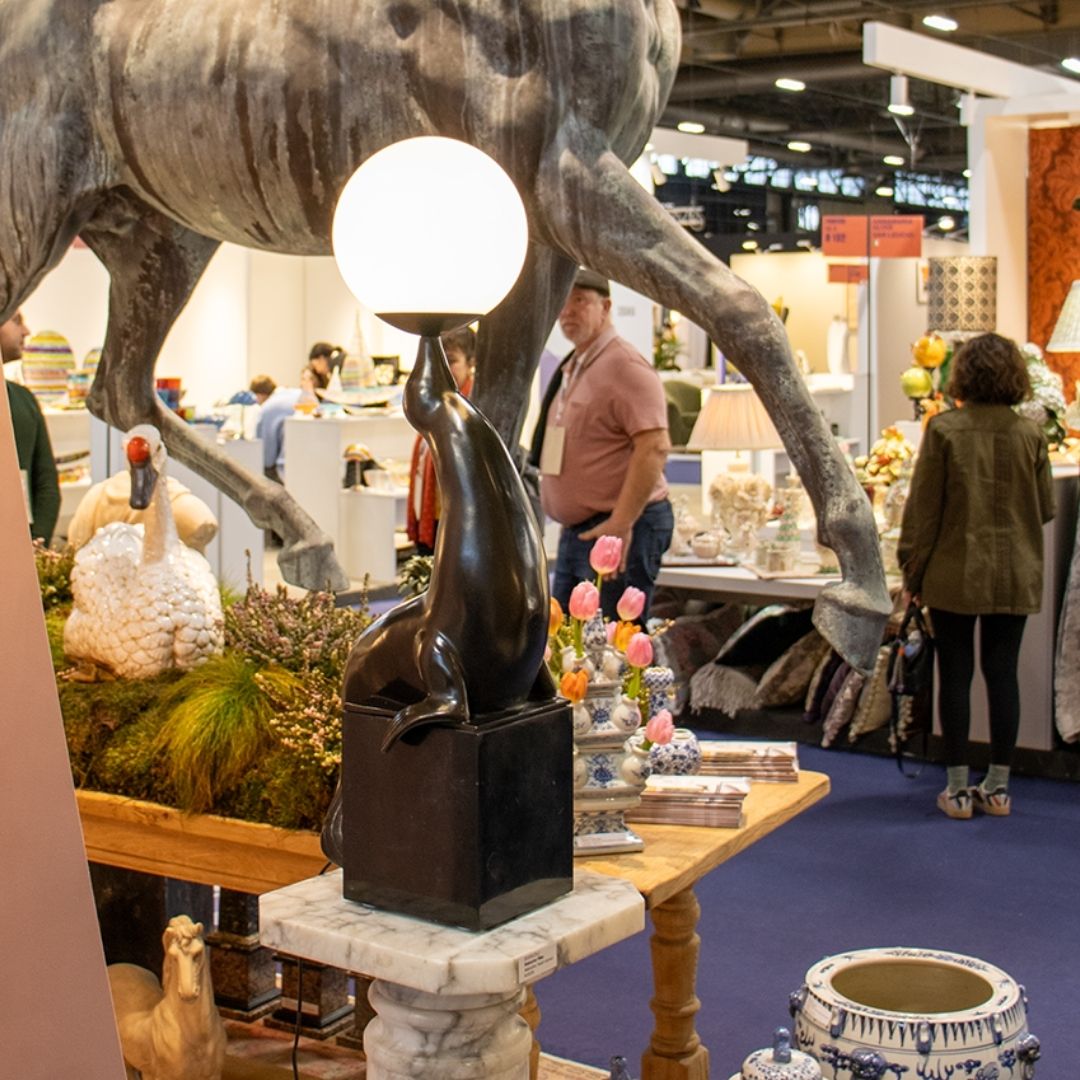
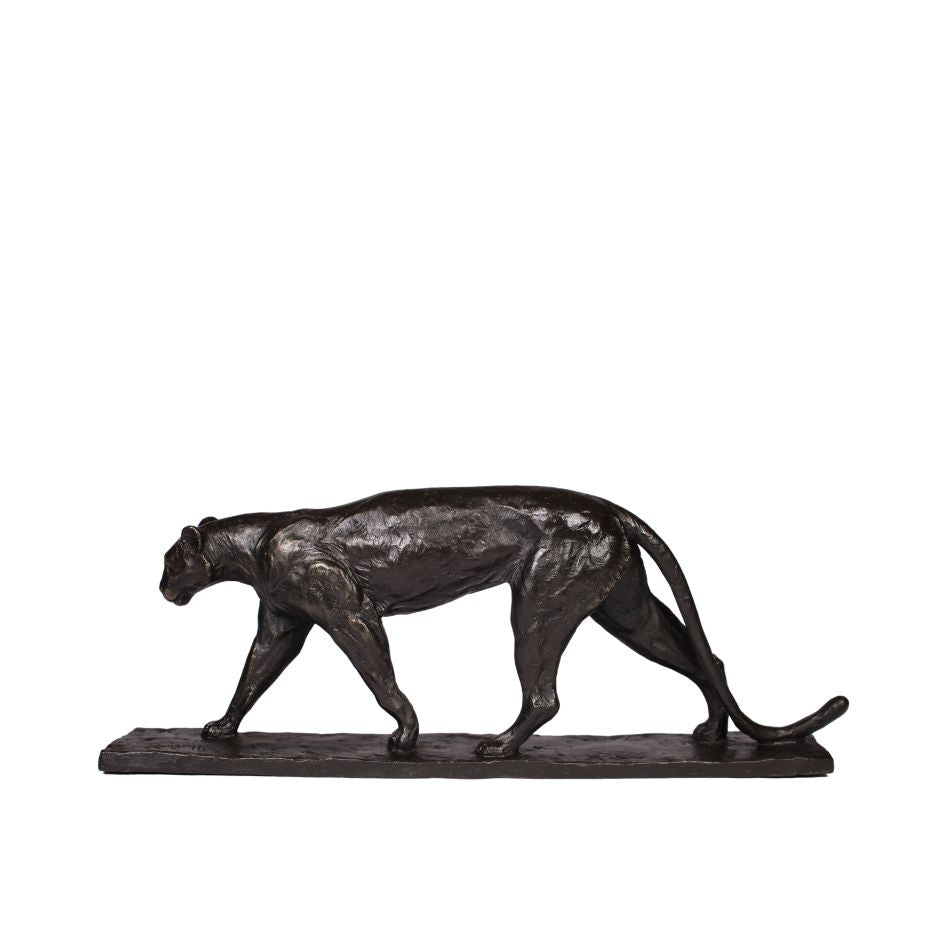
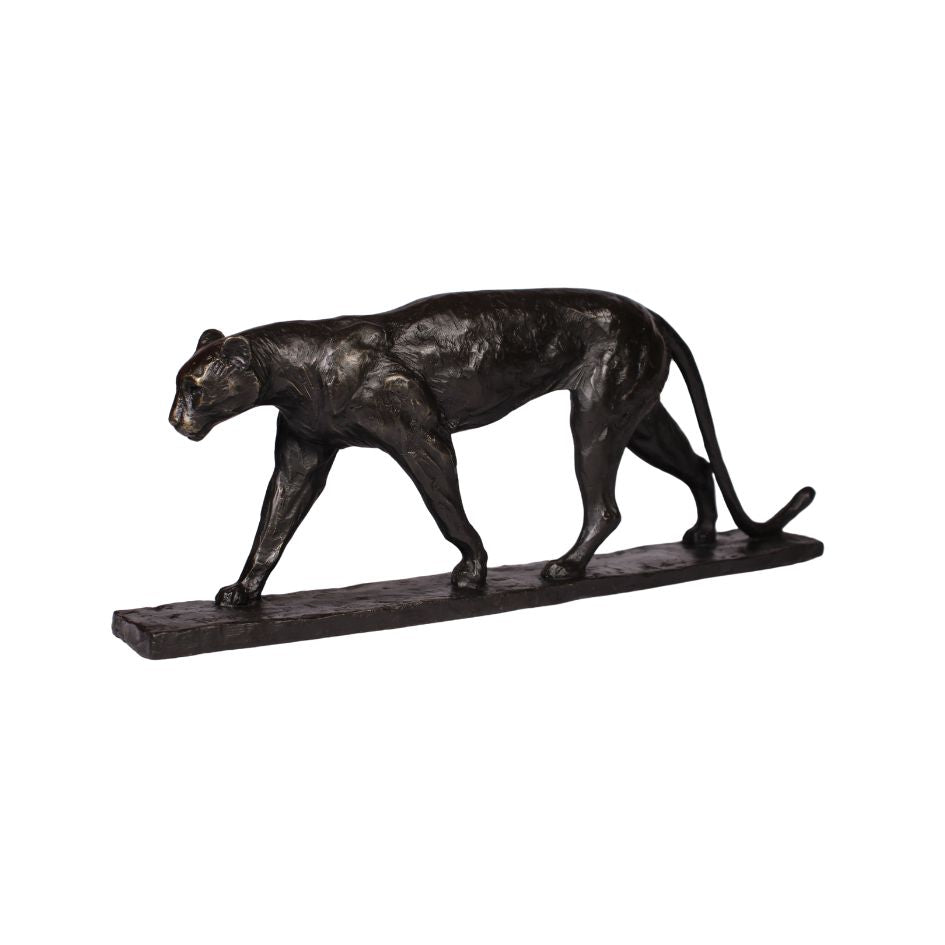
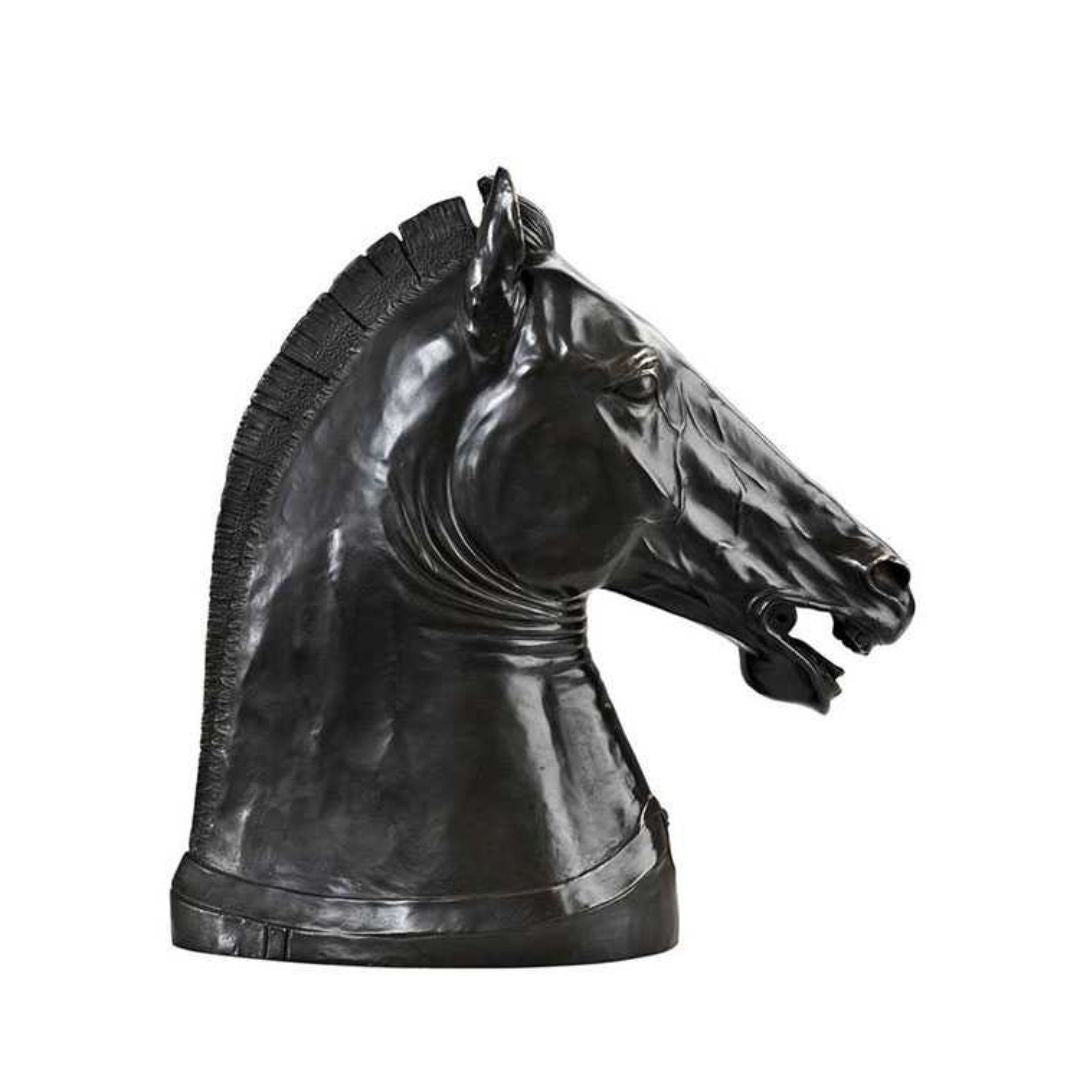
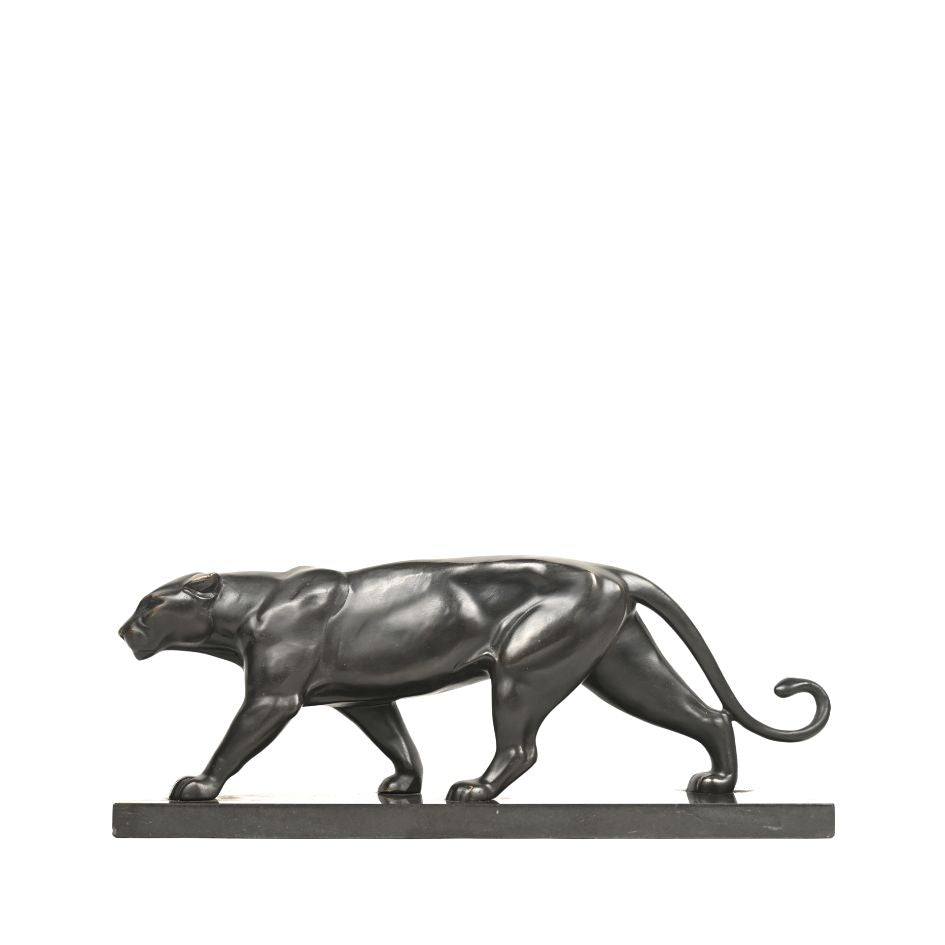
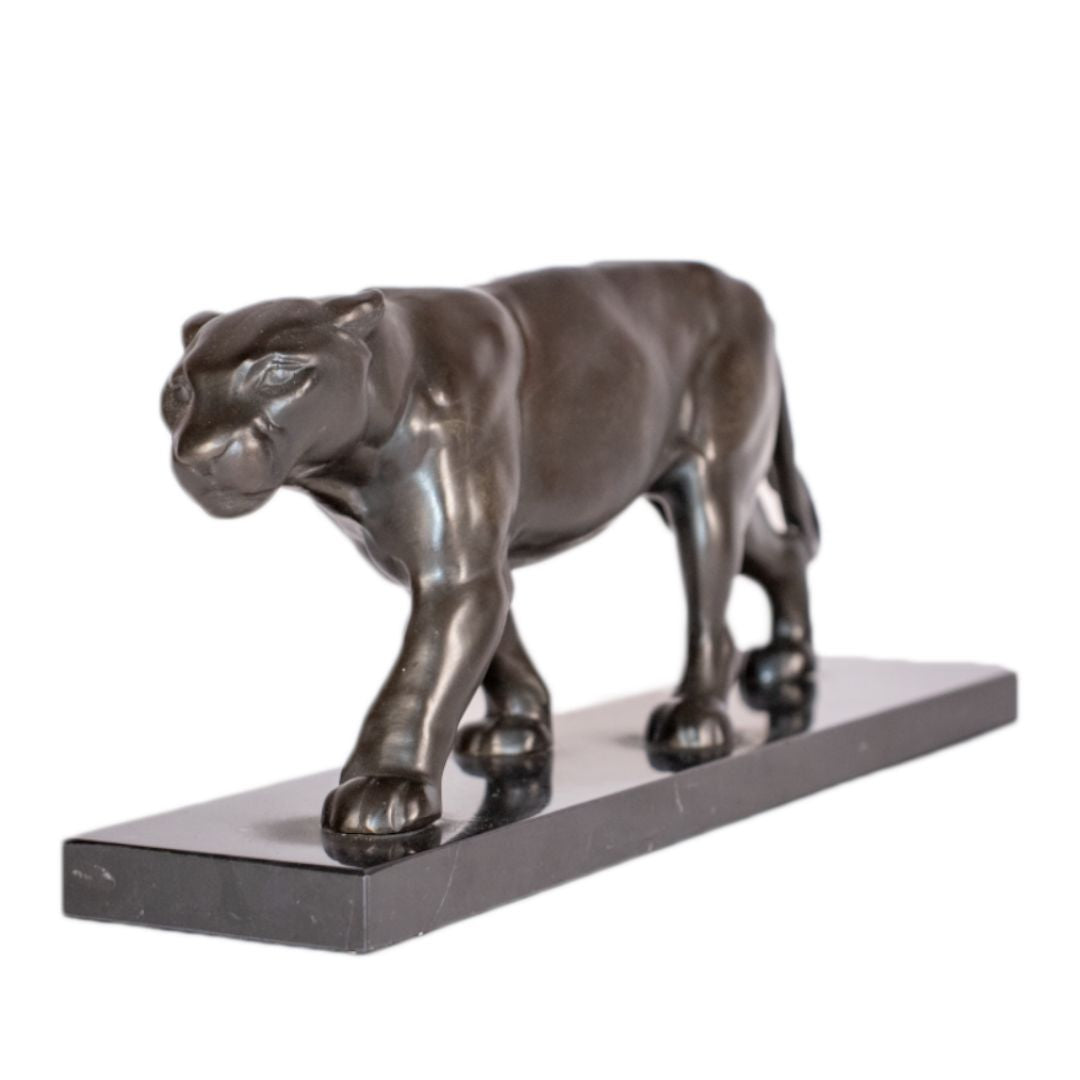
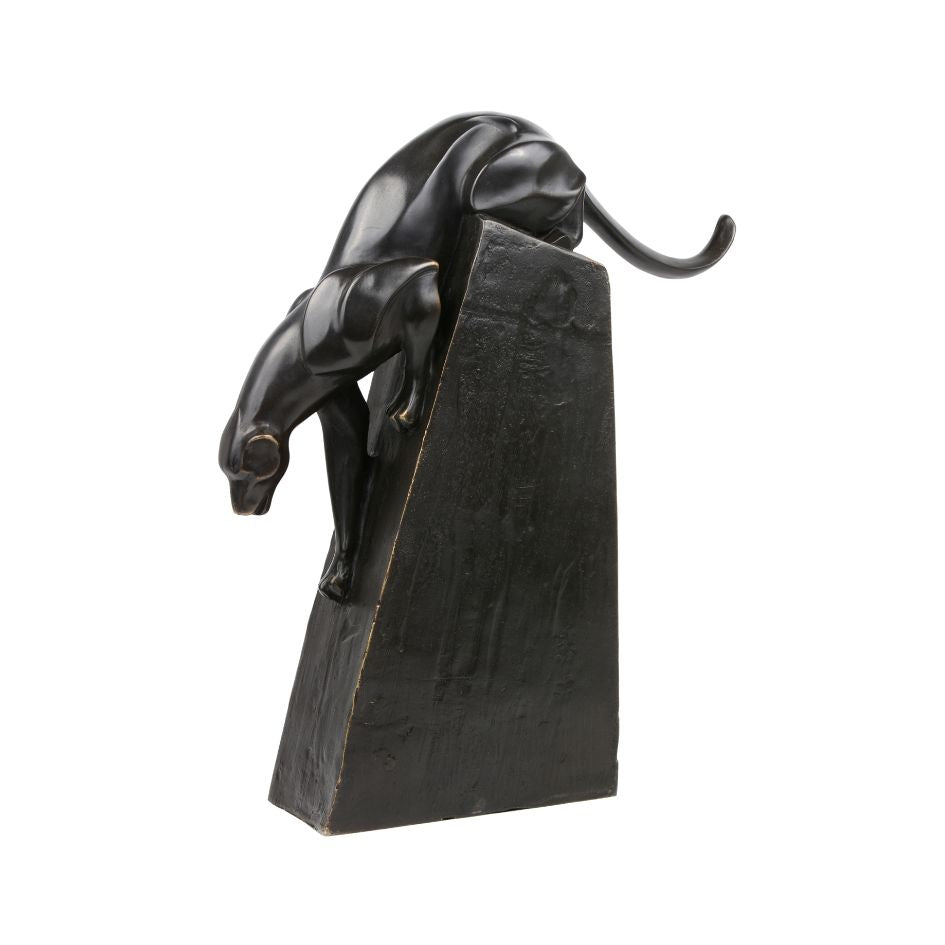
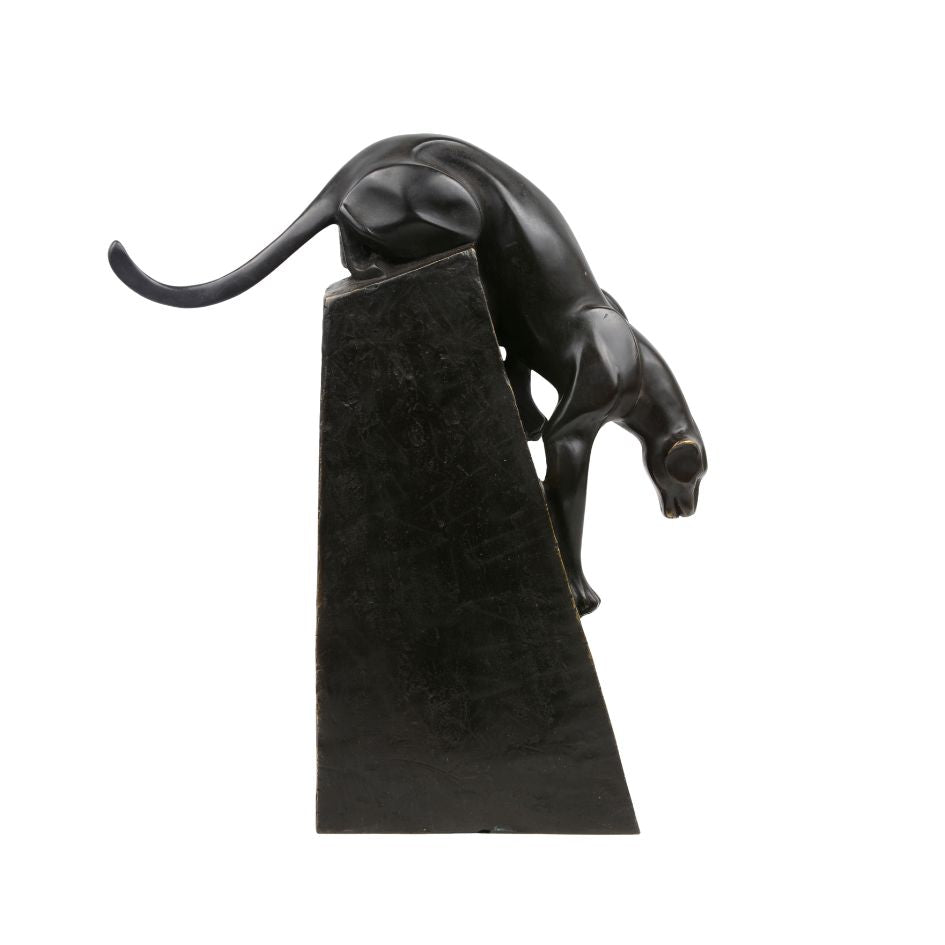
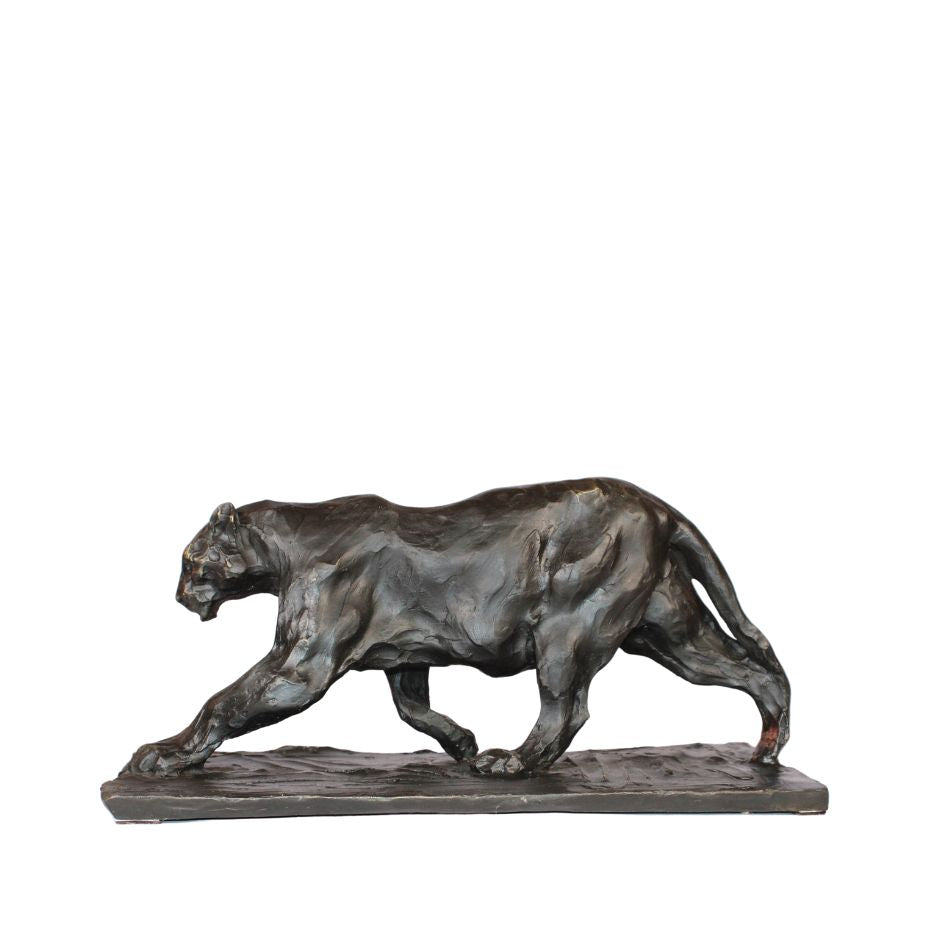
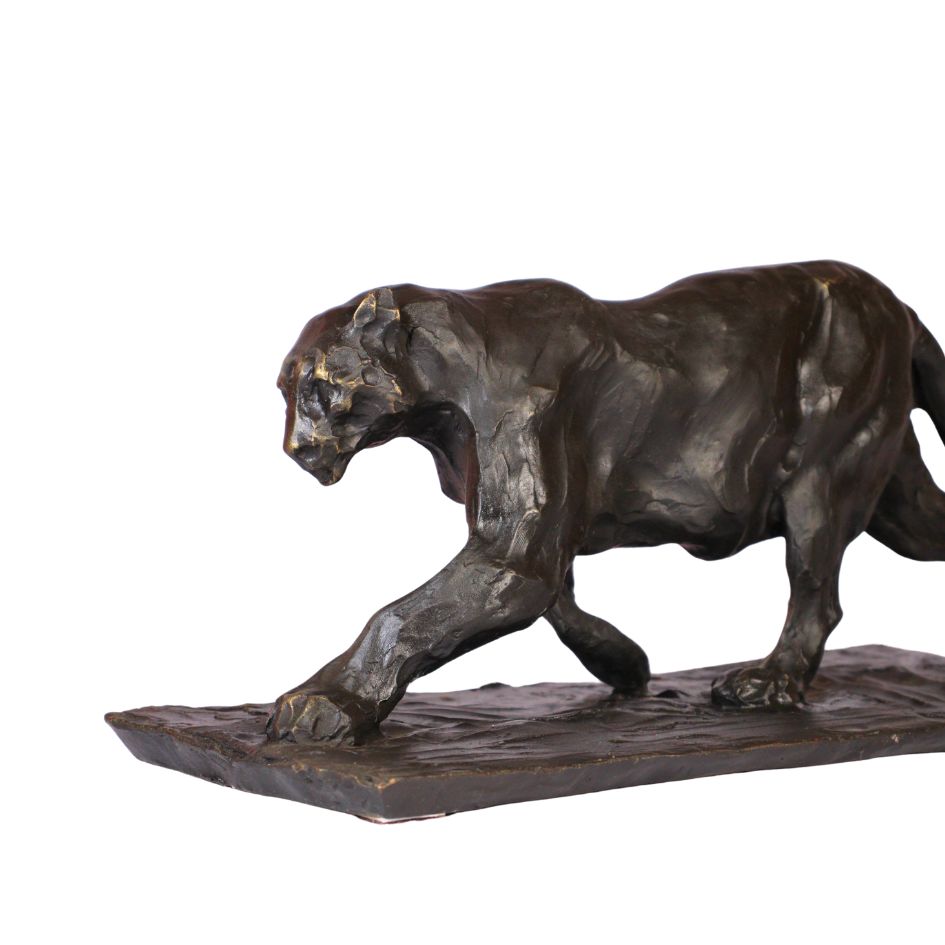
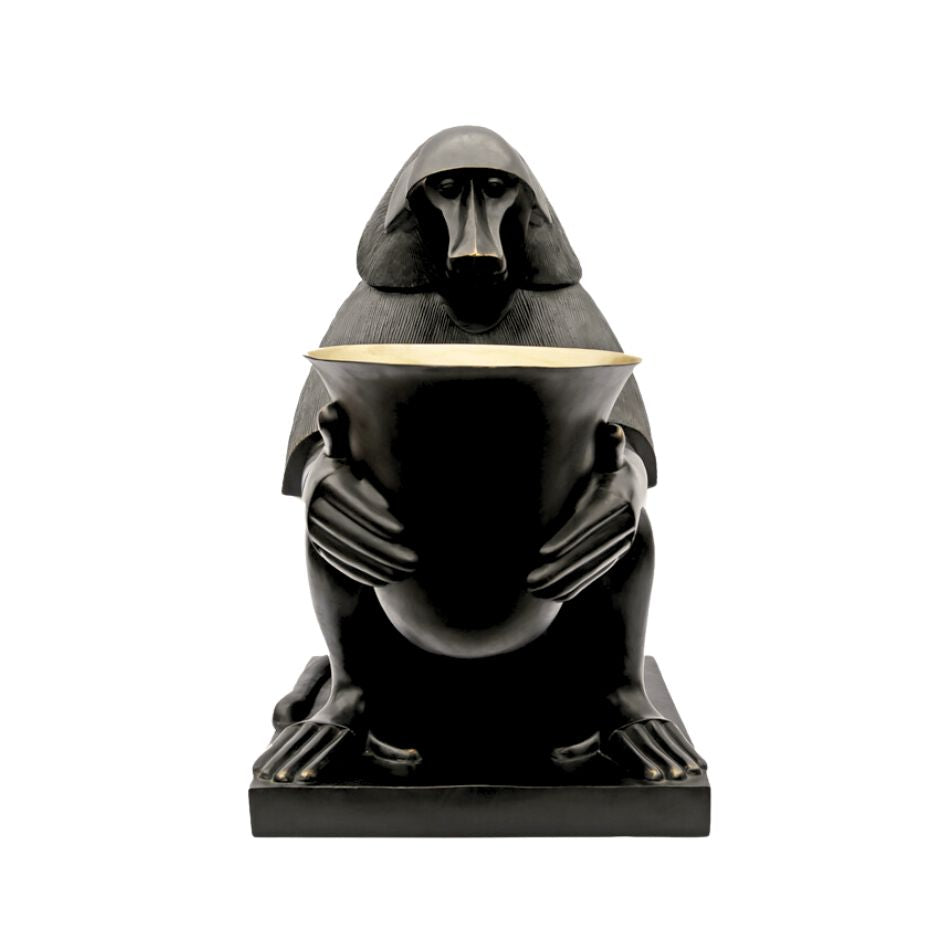
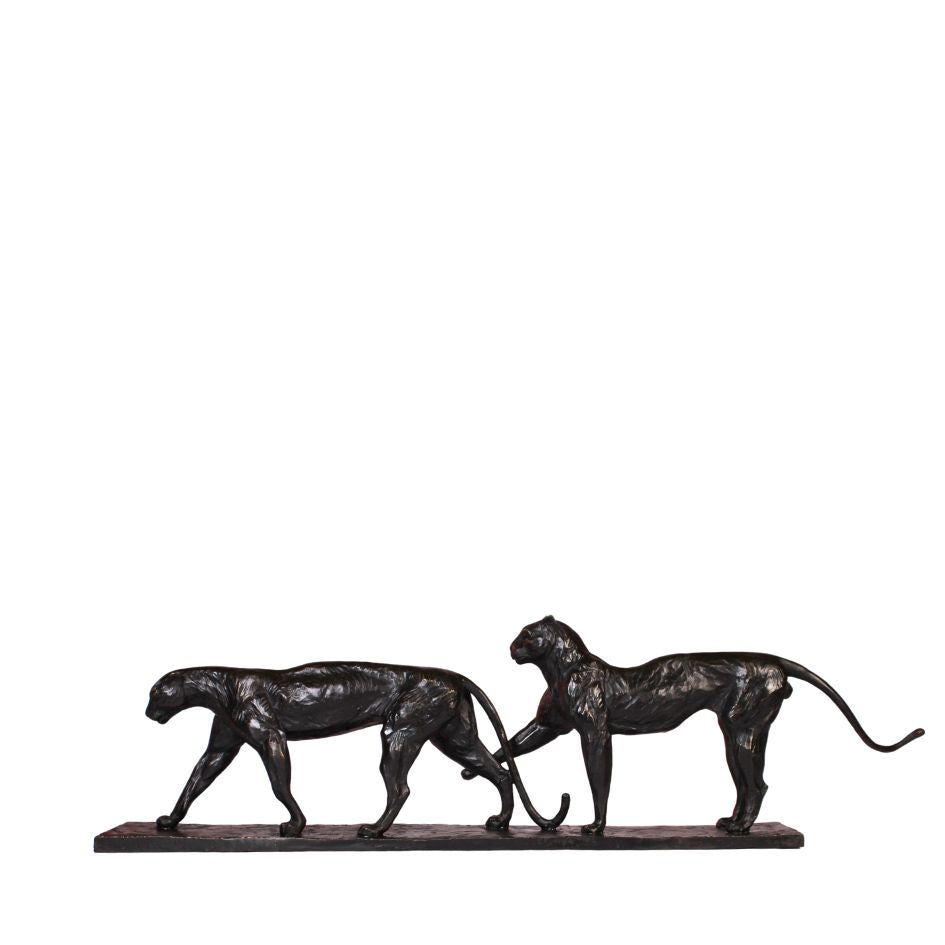
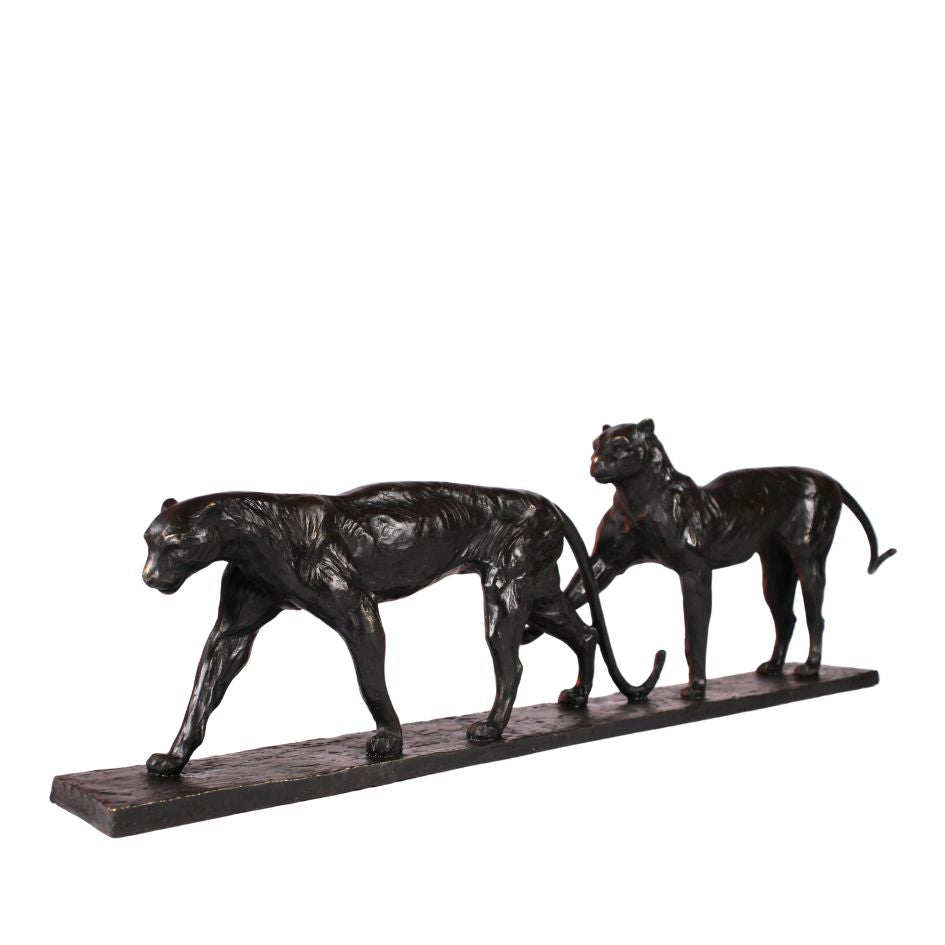
Our Art Deco sculptures turn on the tension between geometry and elegance, and it shows in the key pieces: the Art Deco Bronze Horse (Cheval France) with its taut lines; the Art Deco bronze panther, joined by panthers in other poses (prowling, hunting, walking); and the sculptural lamp ‘Le Phoque’, in which art and function become one object. These works sit easily in carefully designed interiors because they do not 'fill' a space – they give it presence: a console gains body, a fireplace gains elegance, an entrance hall gains character. Think of a bronze sculpture as a focal point: small enough for indoors, strong enough to carry the story of a room.
Animal sculptures in bronze
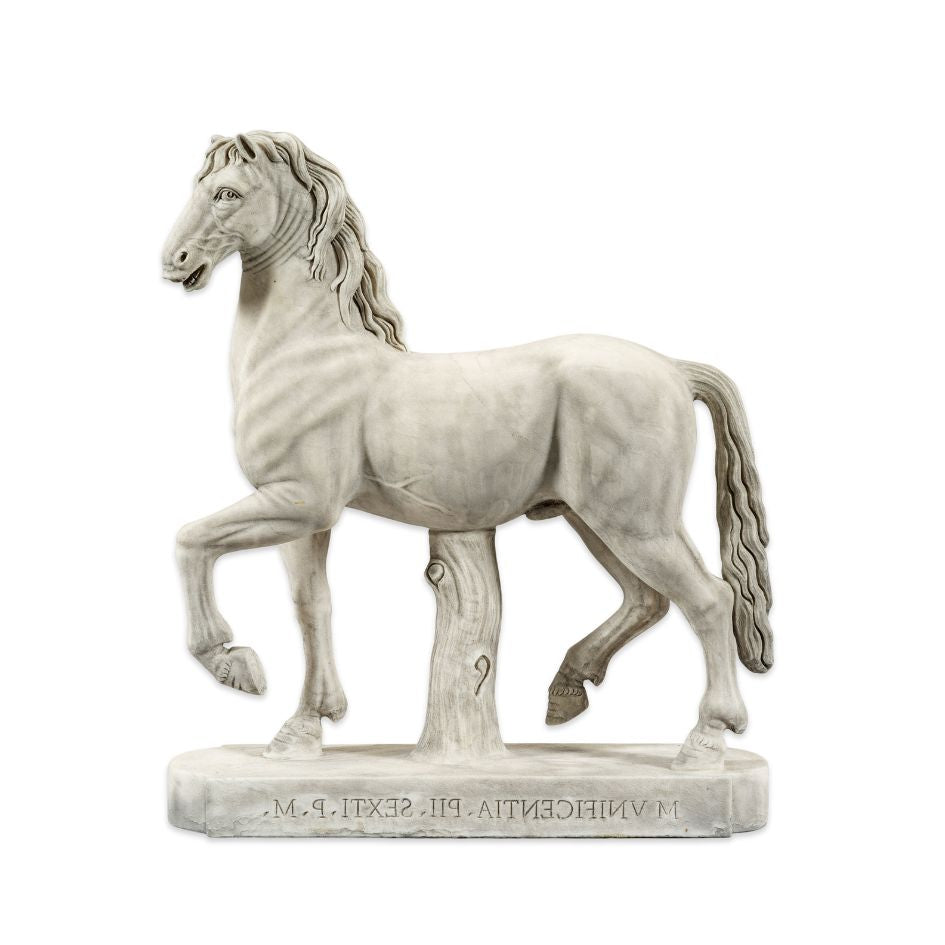
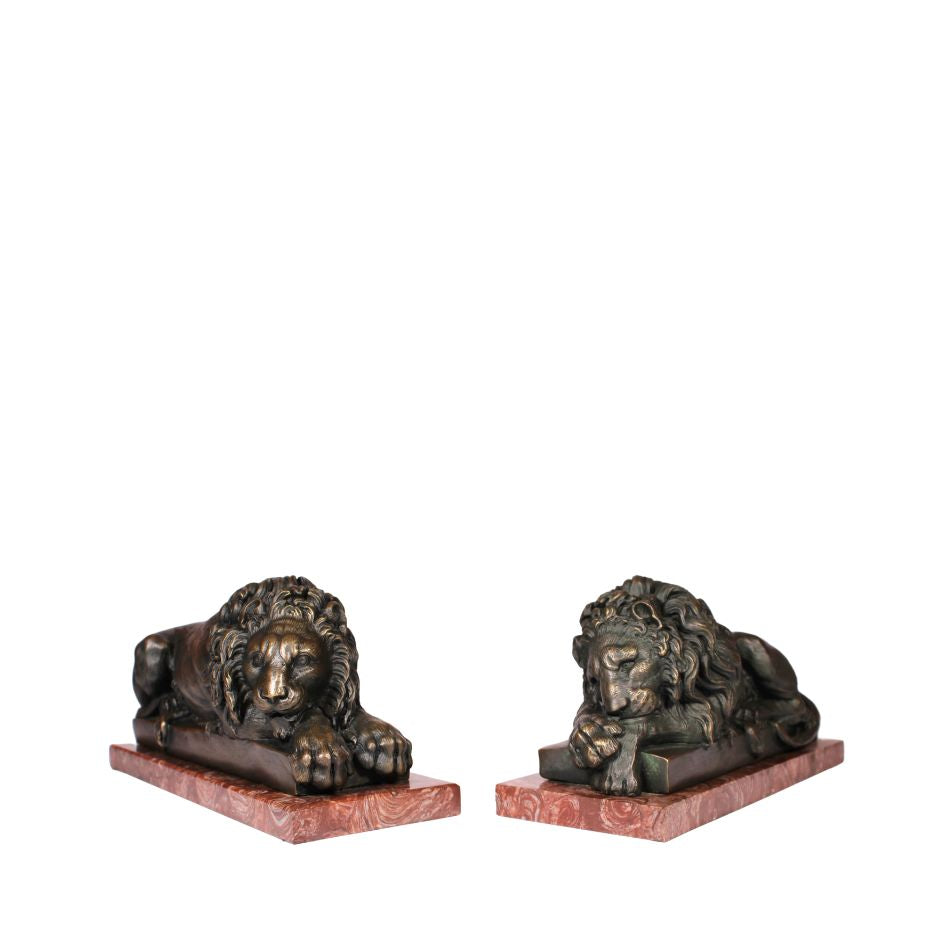
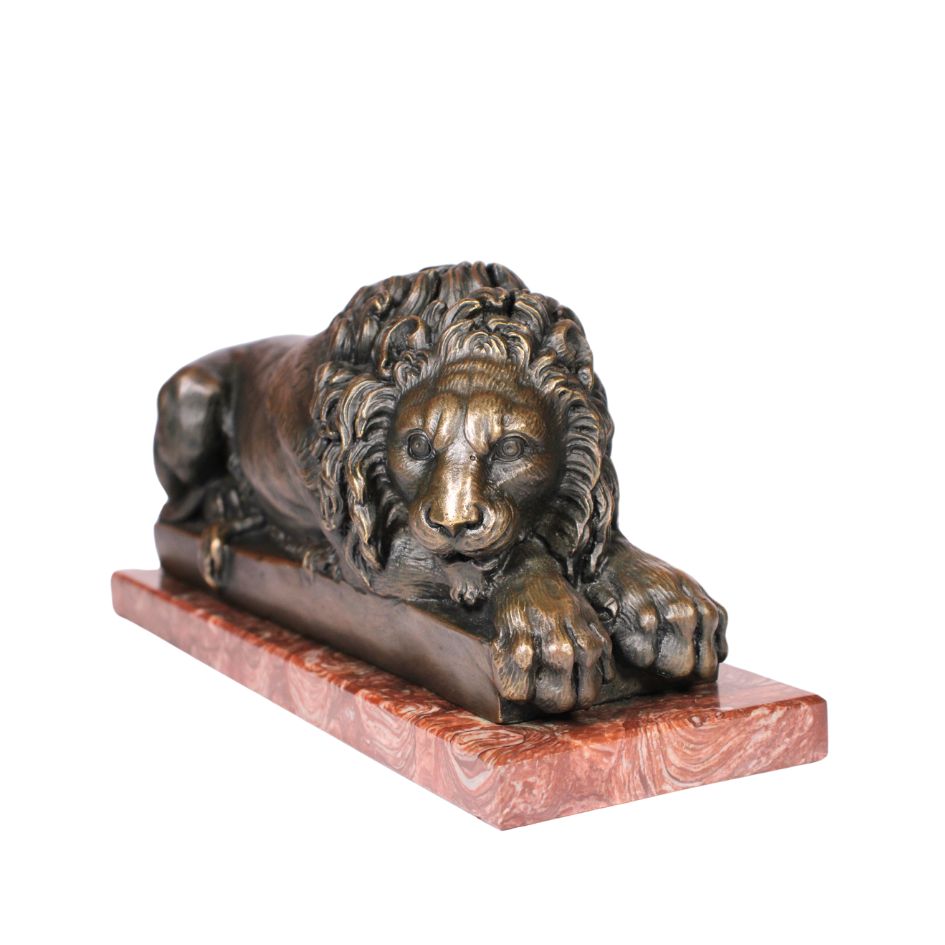
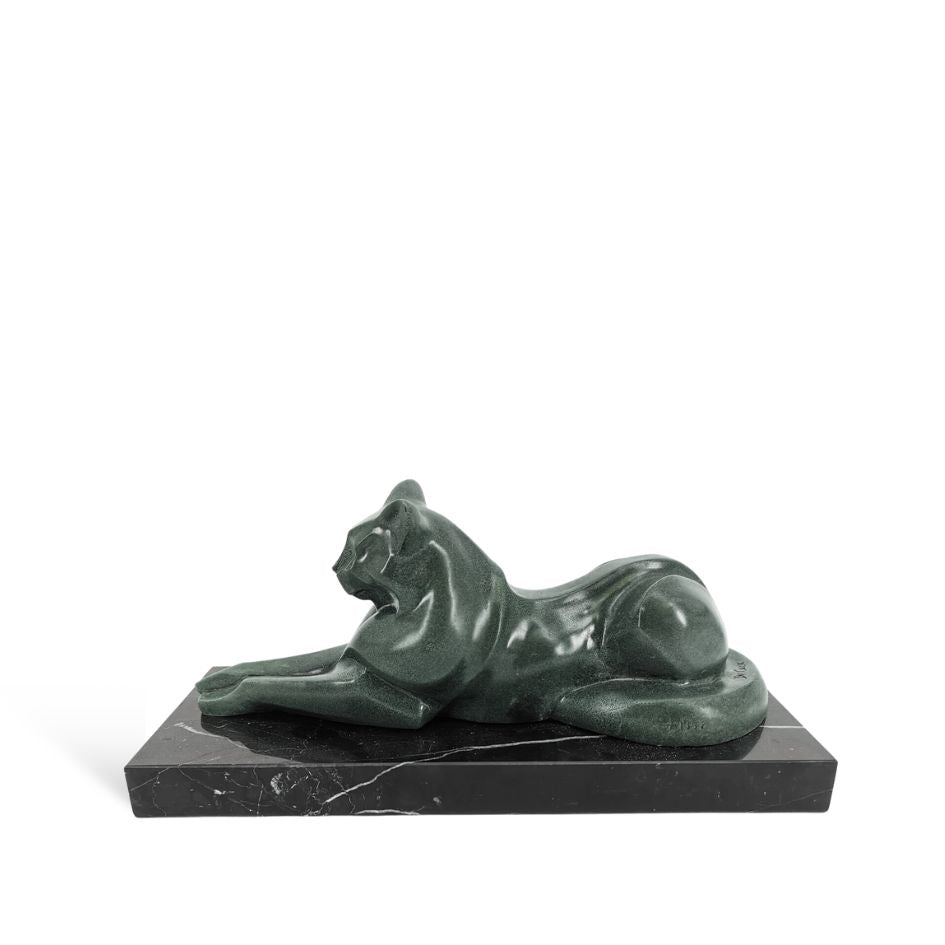
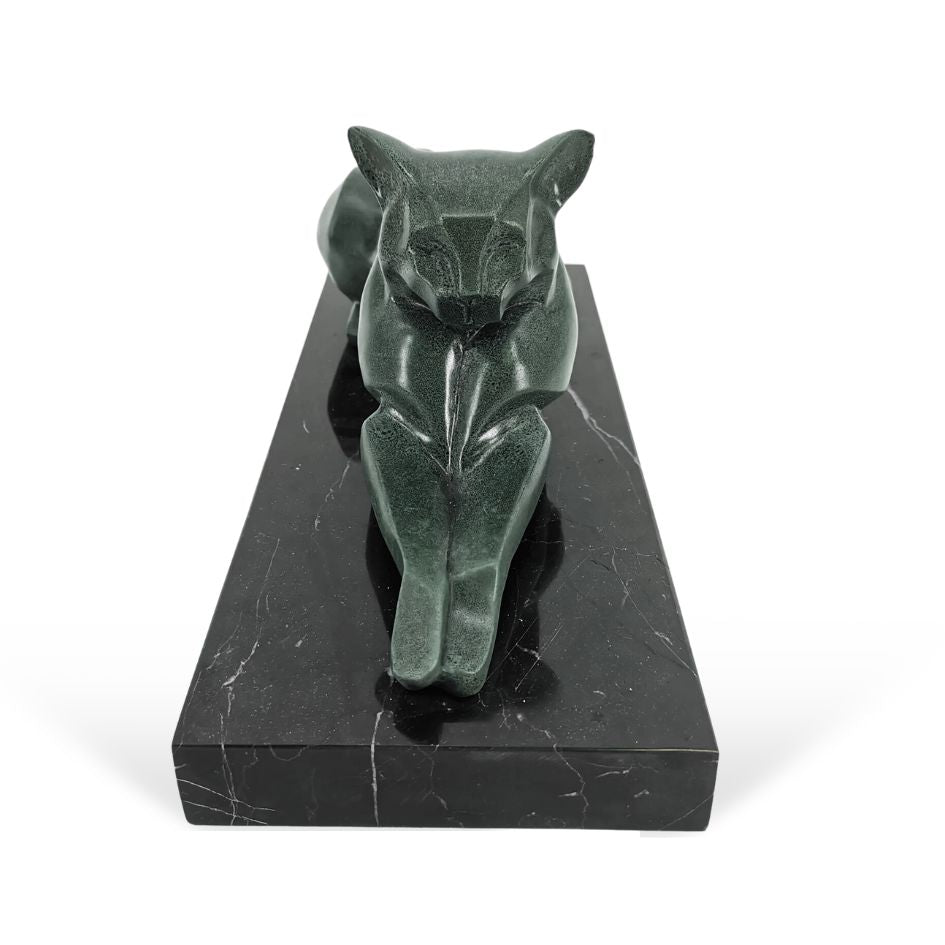
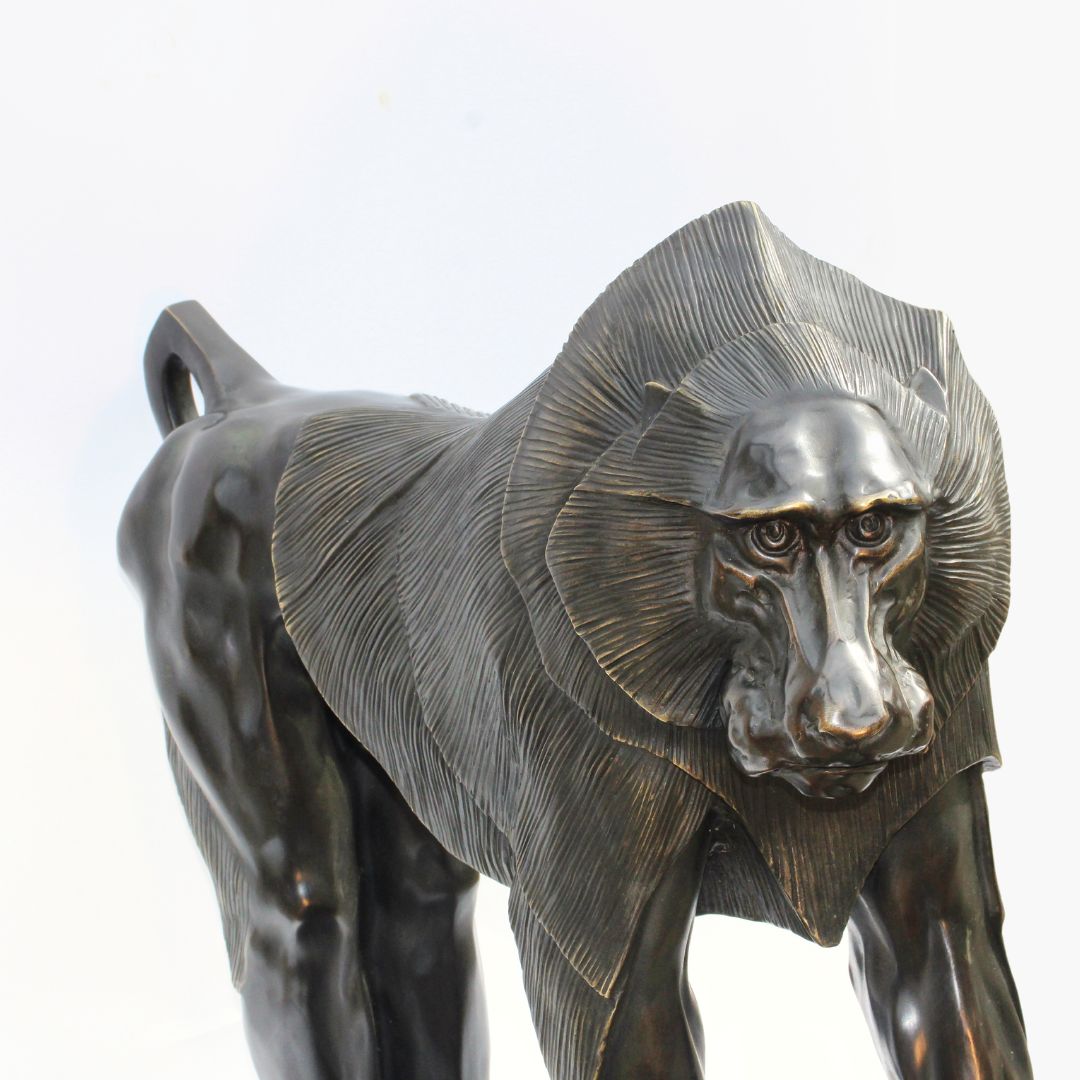
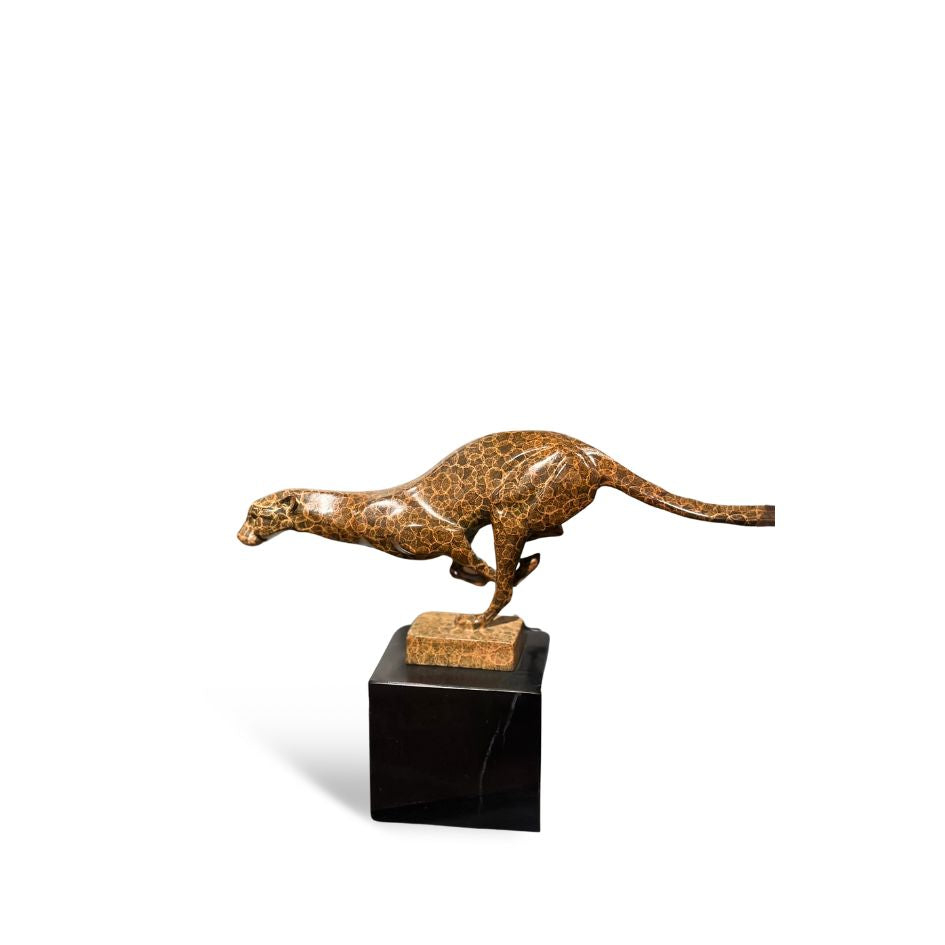
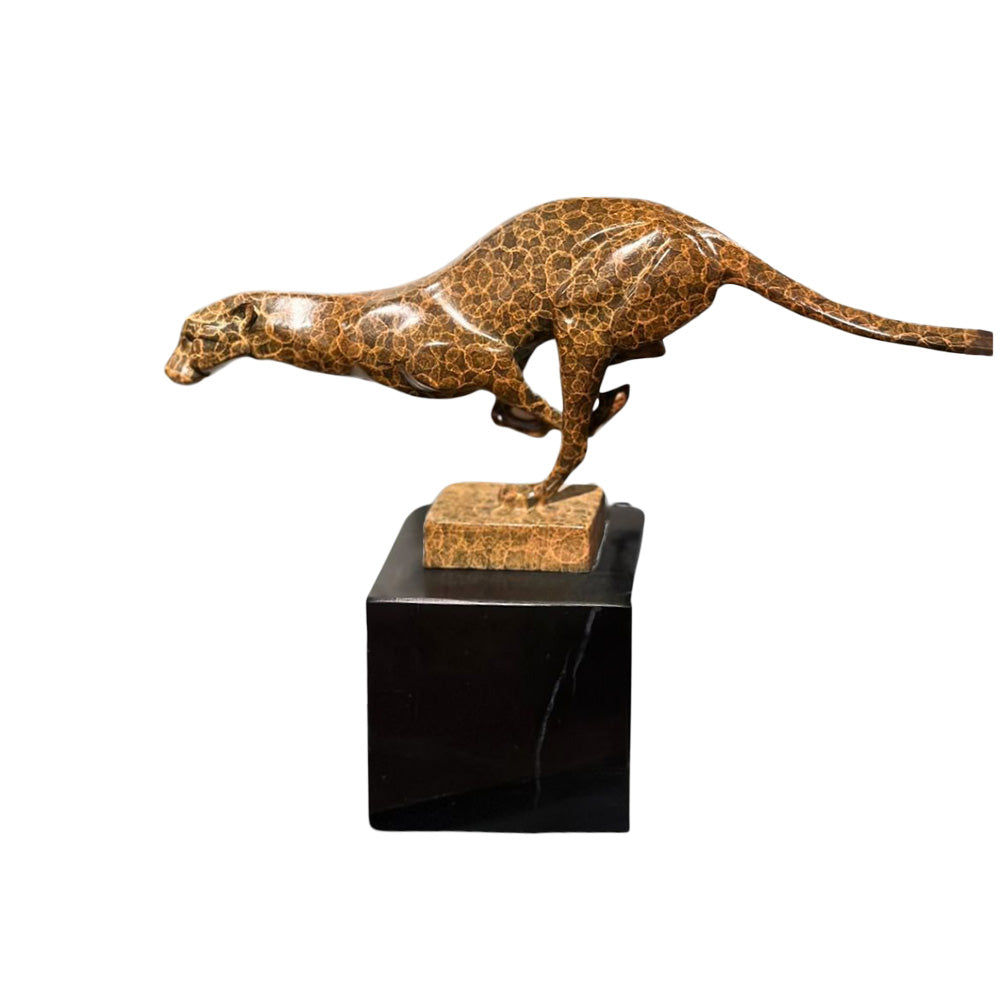
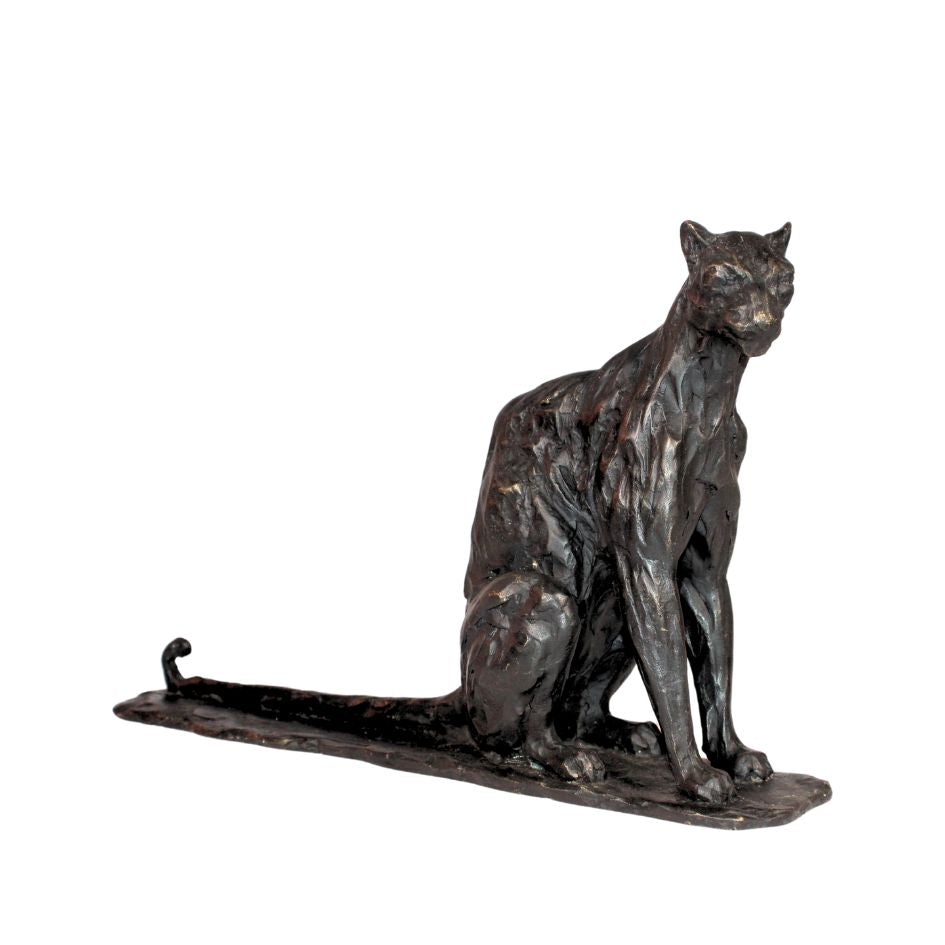
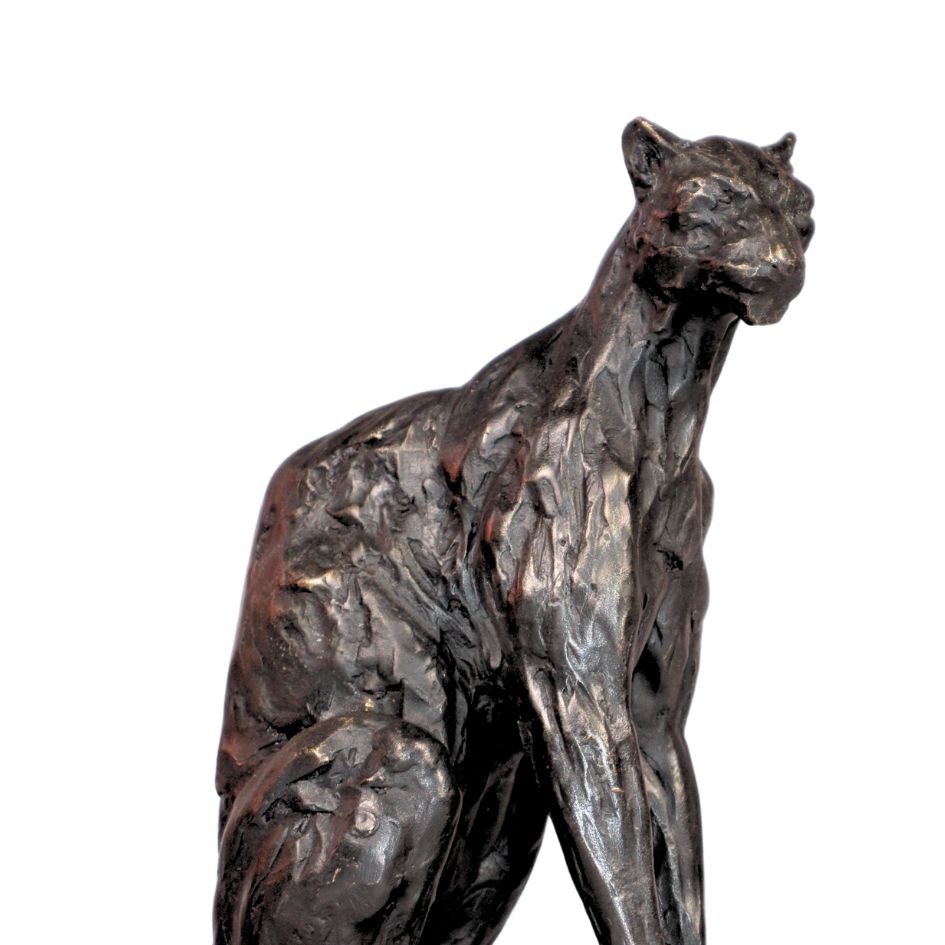
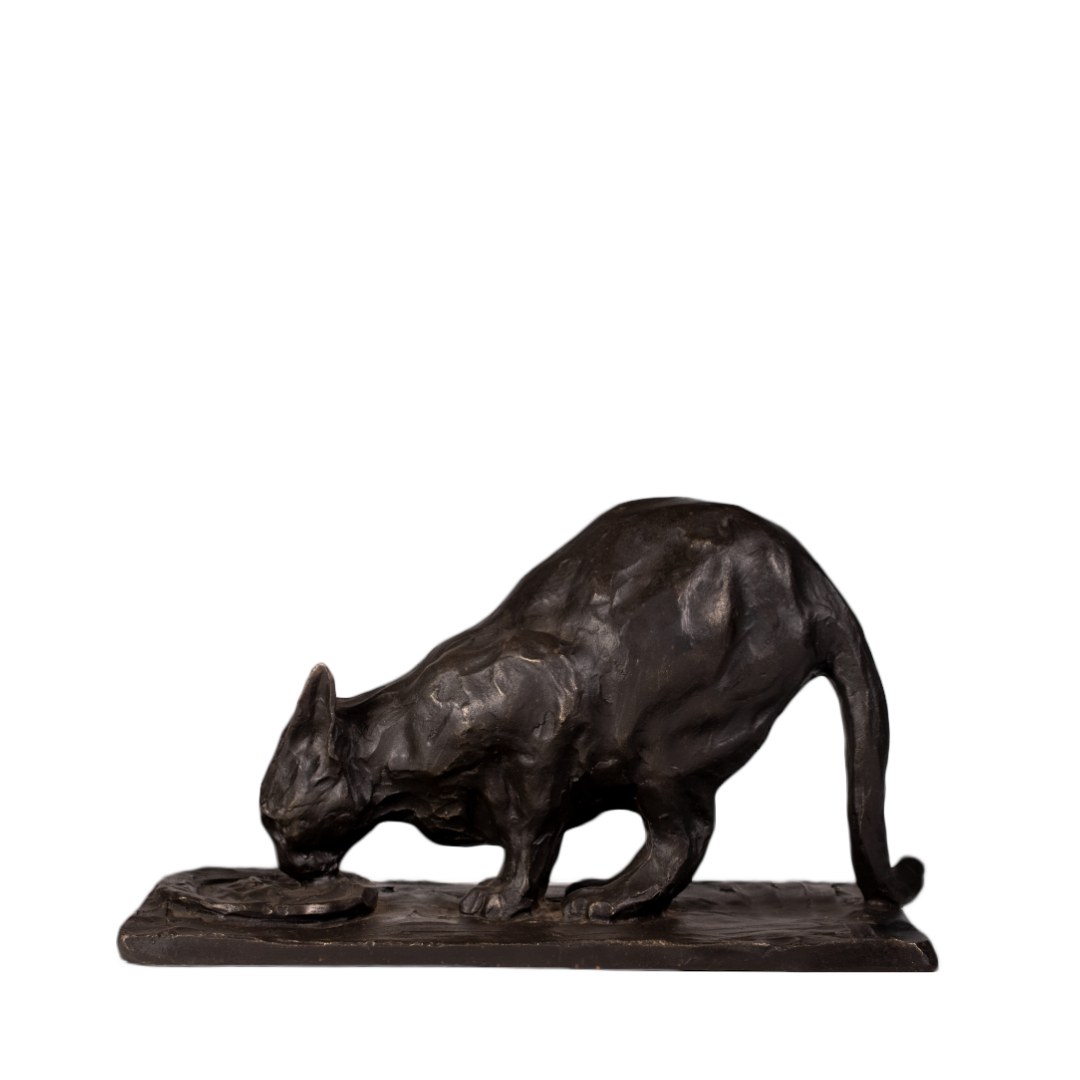
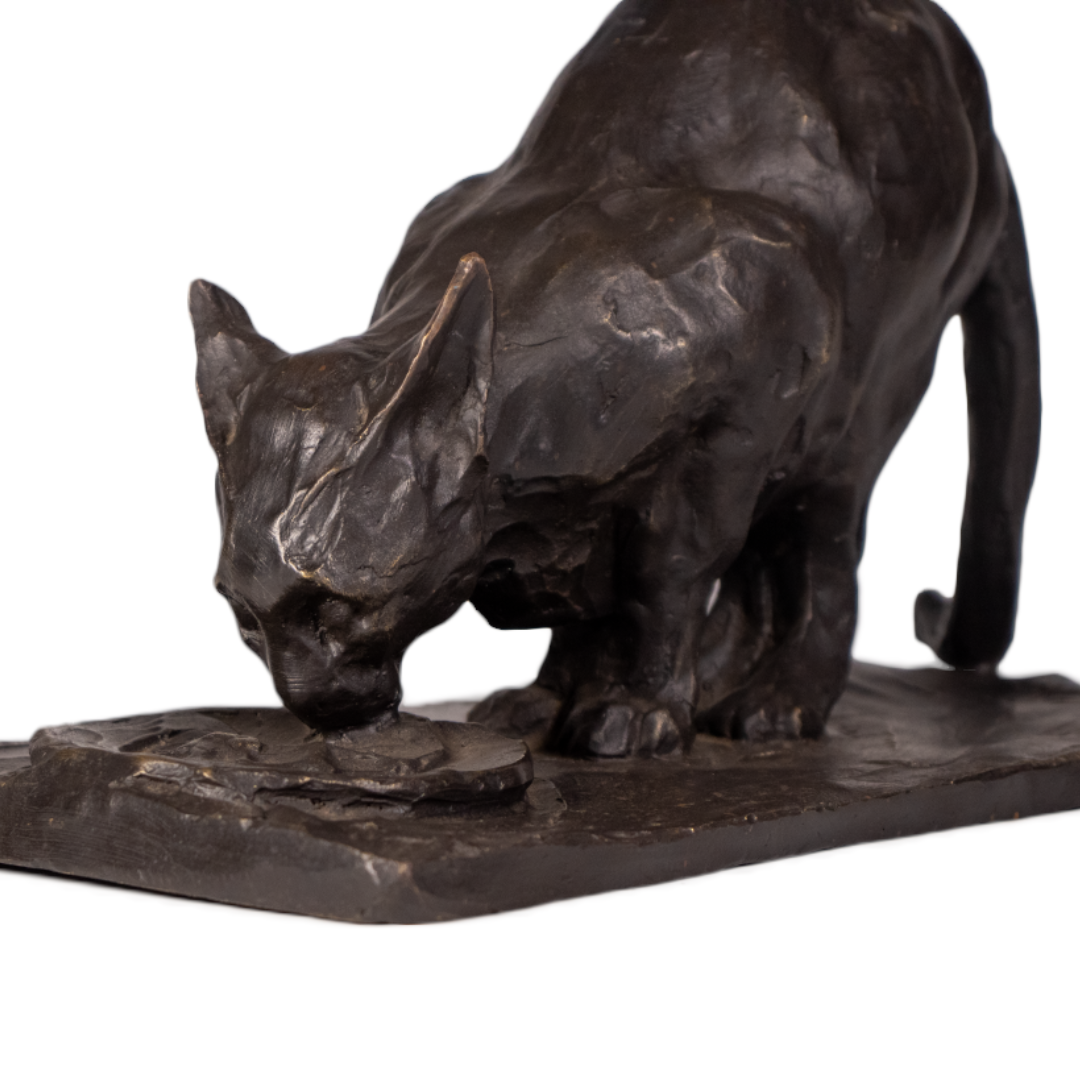
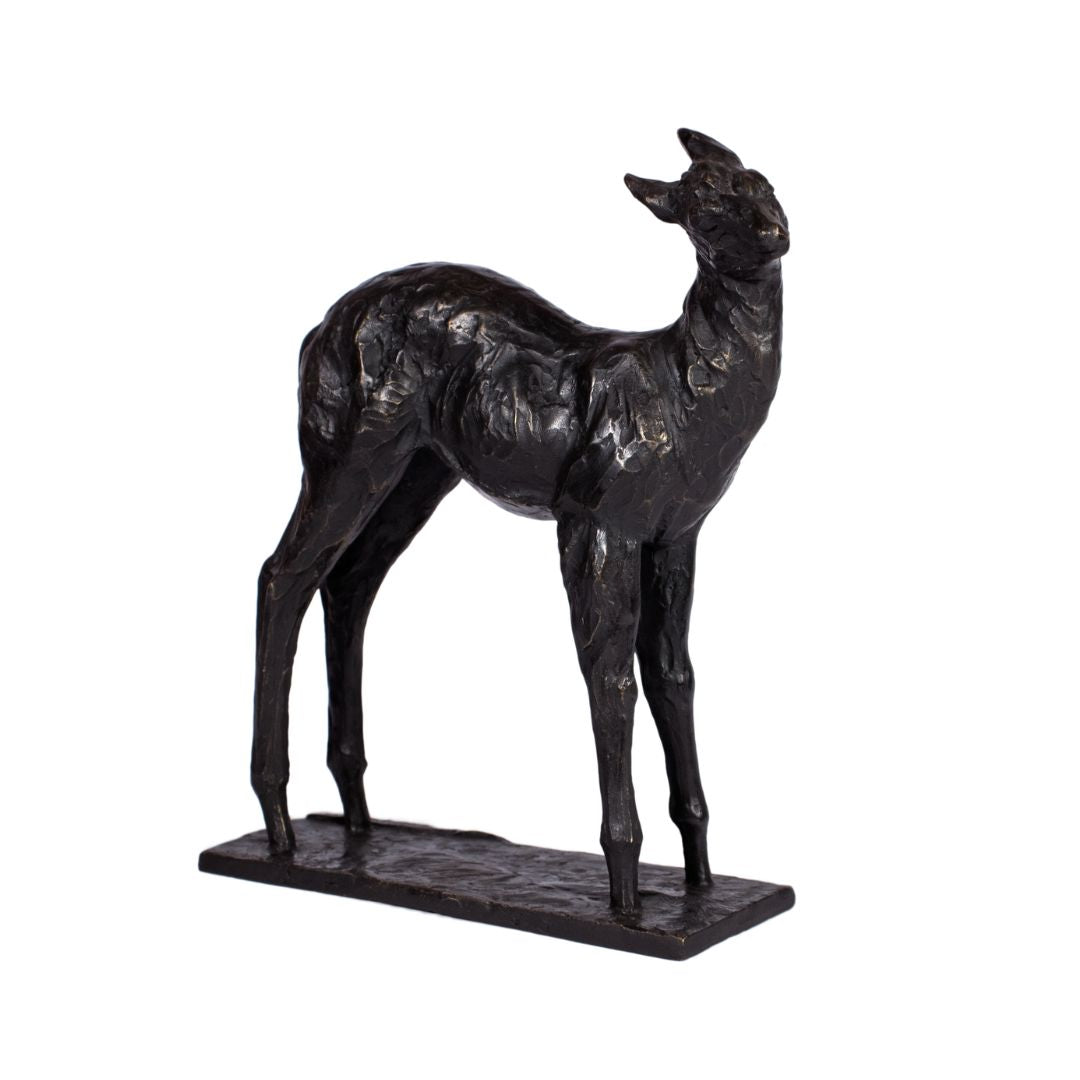
The animalier tradition asks for anatomical conviction: tension in the line of the shoulders, mass in the chest, calm in the tail. That is exactly why animal sculptures work so well in almost any interior – not as a mere 'animal figure', but as the point where anatomy and art meet in bronze. The character varies too: a reclining cat in quiet concentration, a drinking cat crouched low, a young deer that brings height and air, and a pair of recumbent lions that speak more of heraldry and monumentality than of anything 'cute'. For designers these are bronze art objects that do their job well: figurative enough to be recognised, abstract enough to stay relevant in a scheme. That is how an interior can be as inspiring as an exhibition.
Empire and classical bronze candelabra
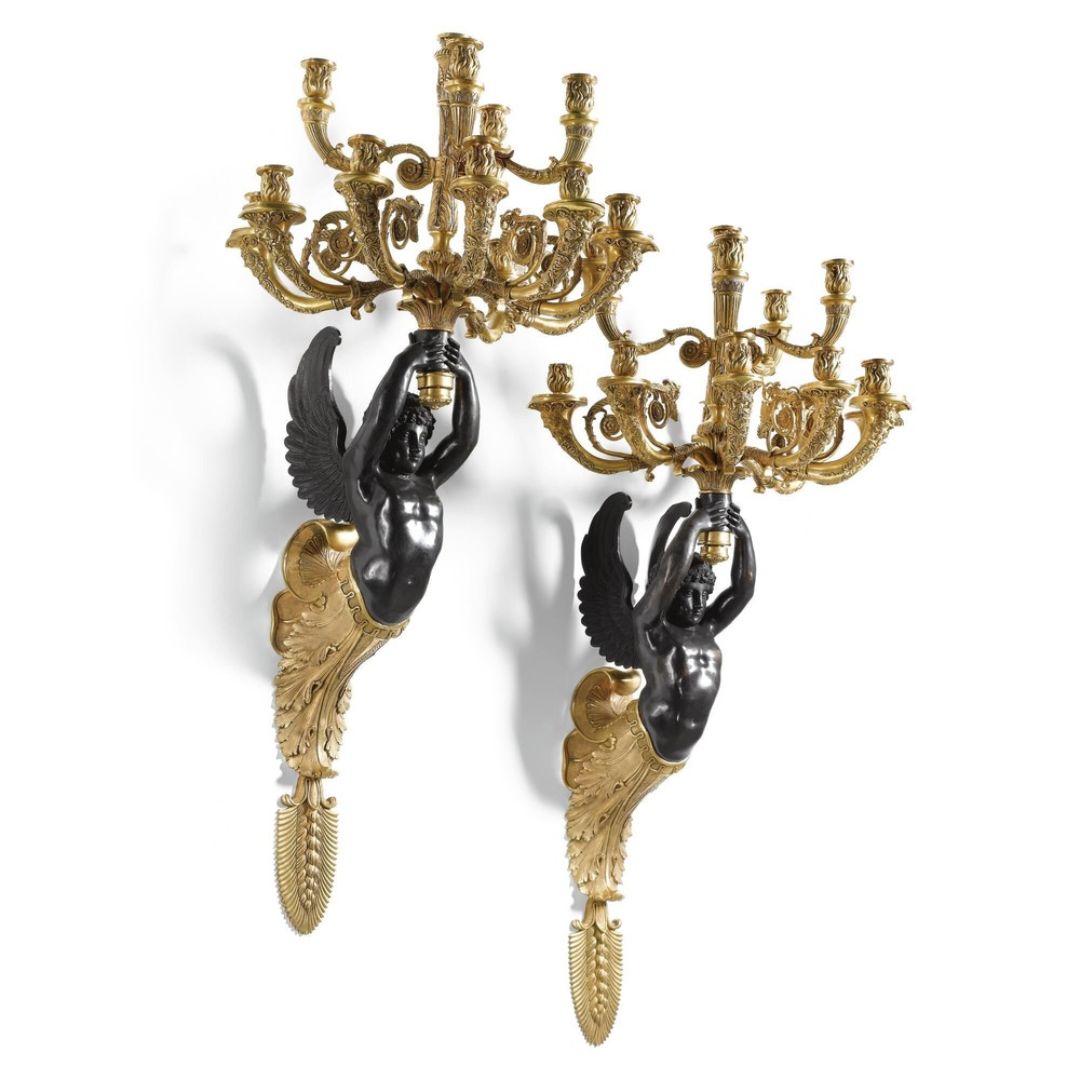
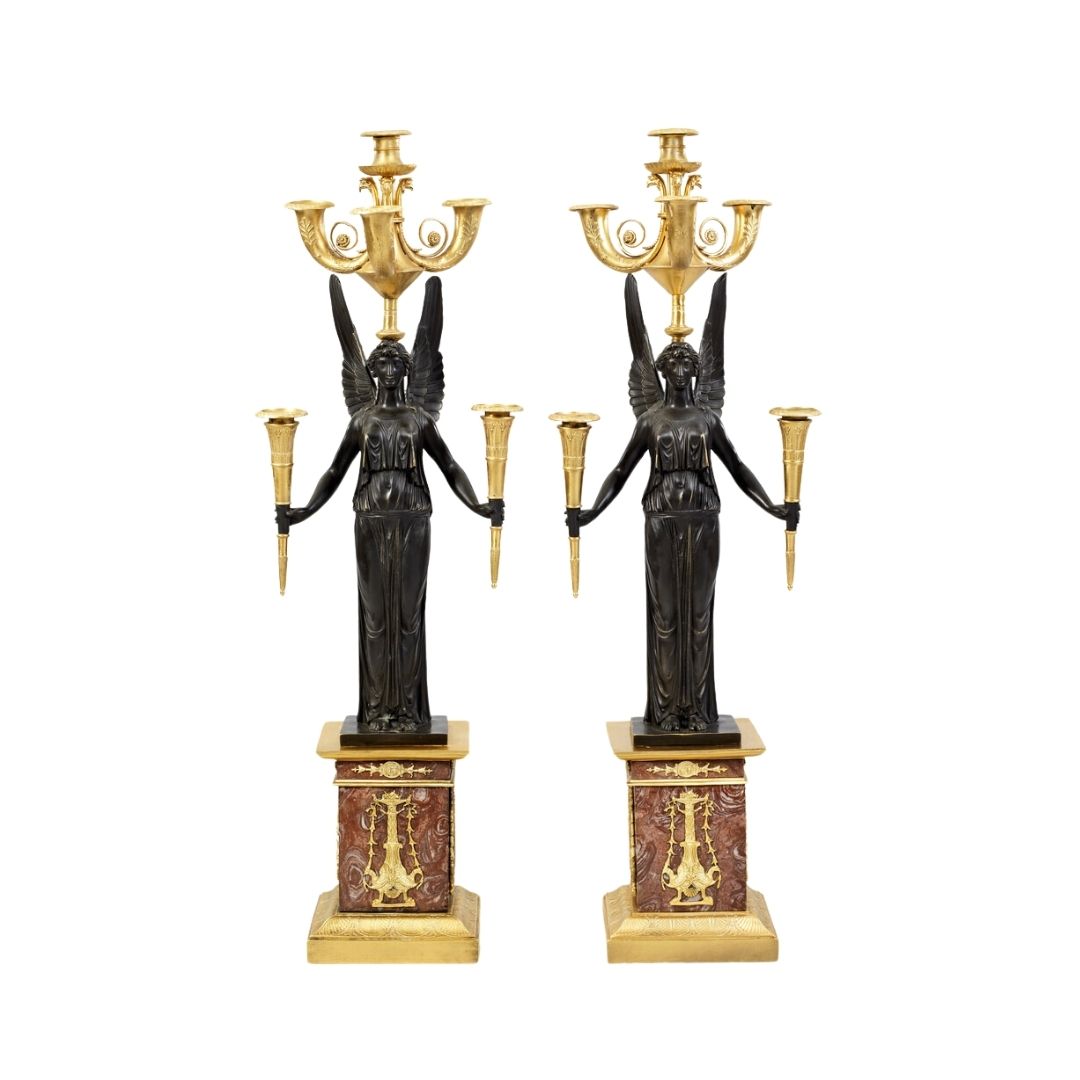
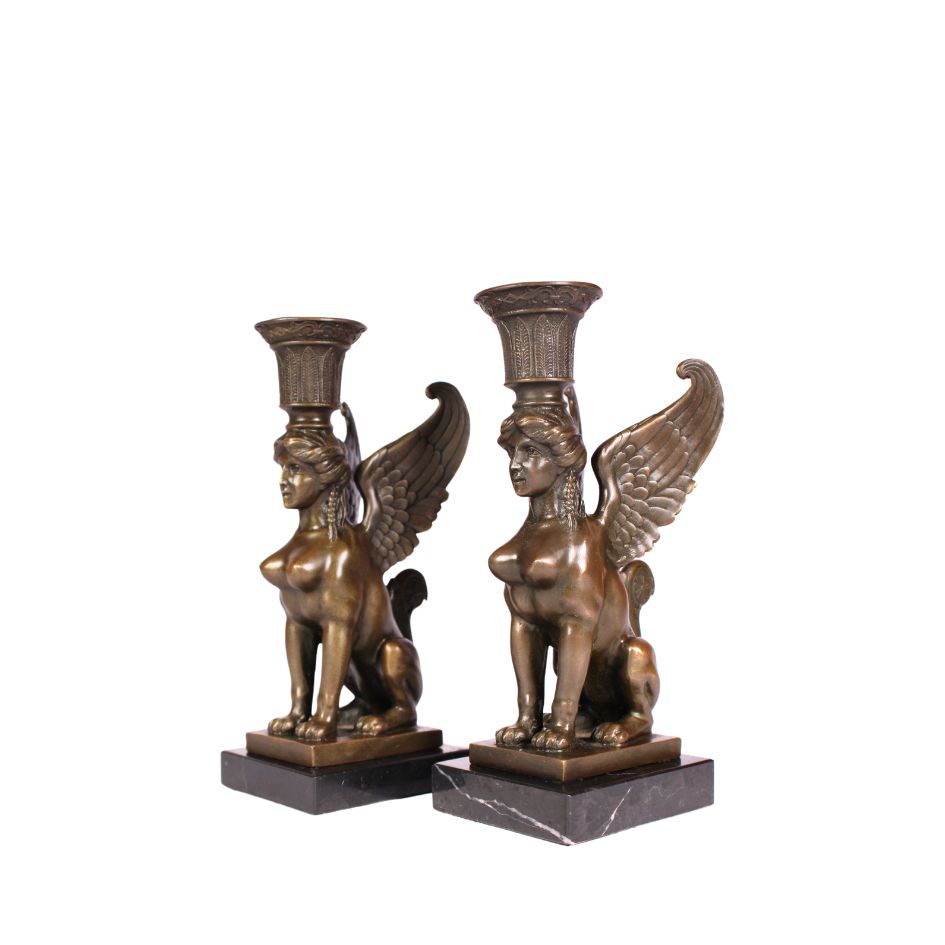
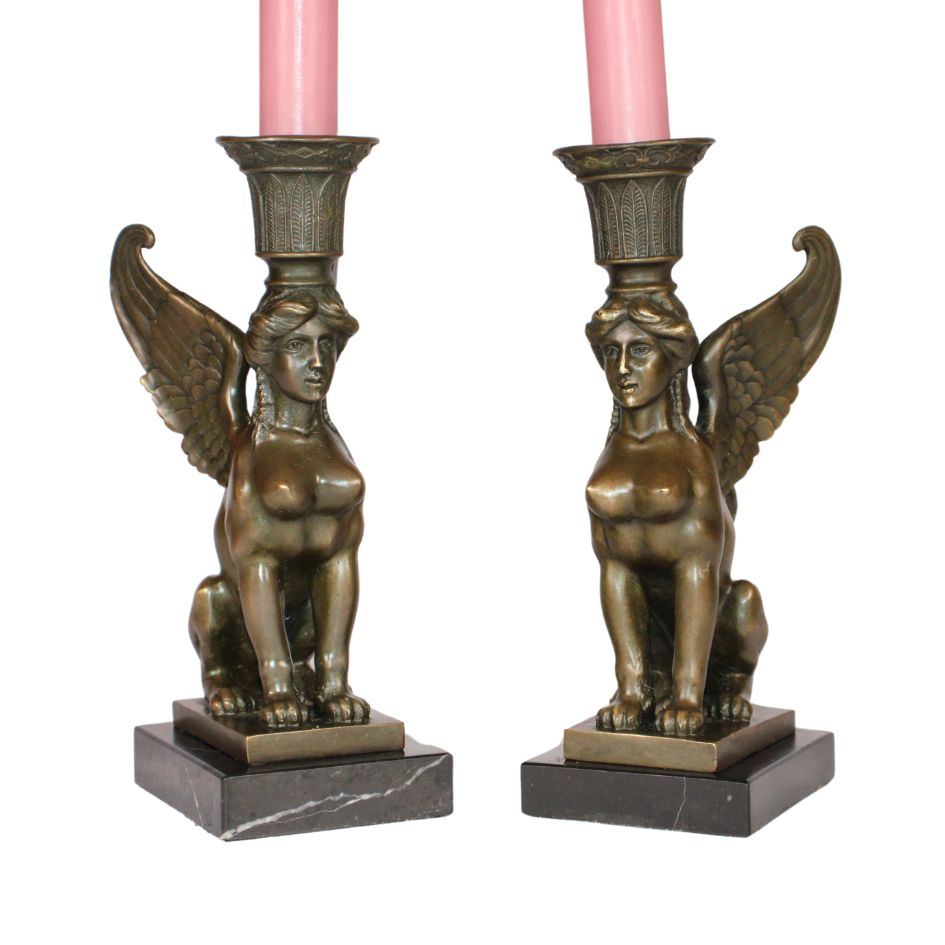
Our Empire candelabra are not accessories; they work as sculptures of light. The Empire pieces – such as Palmet en Pracht and the wall sconces Les Ailes Noires – return to a classical formal language: palmettes, symmetry, theatrical verticality. The sphinx candlesticks also place the object in a longer art-historical line, that of Egyptomania and classicism. This type of bronze works particularly well in hospitality and interior projects: it adds lustre and a sense of ritual (light, welcome, ceremony) without making a room look busy – especially alongside natural stone or fine timber.
Bronze wall pieces and bookends
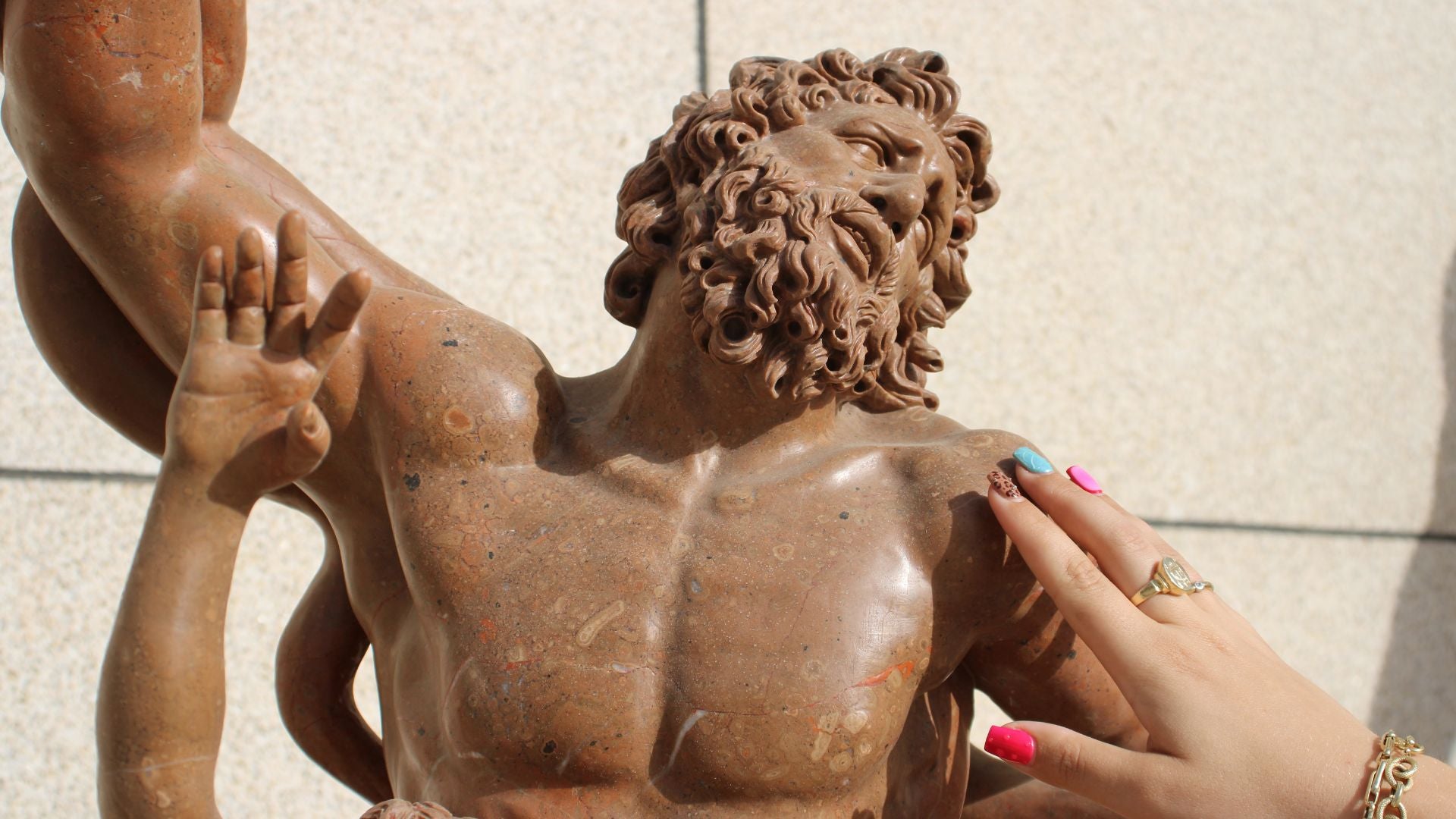
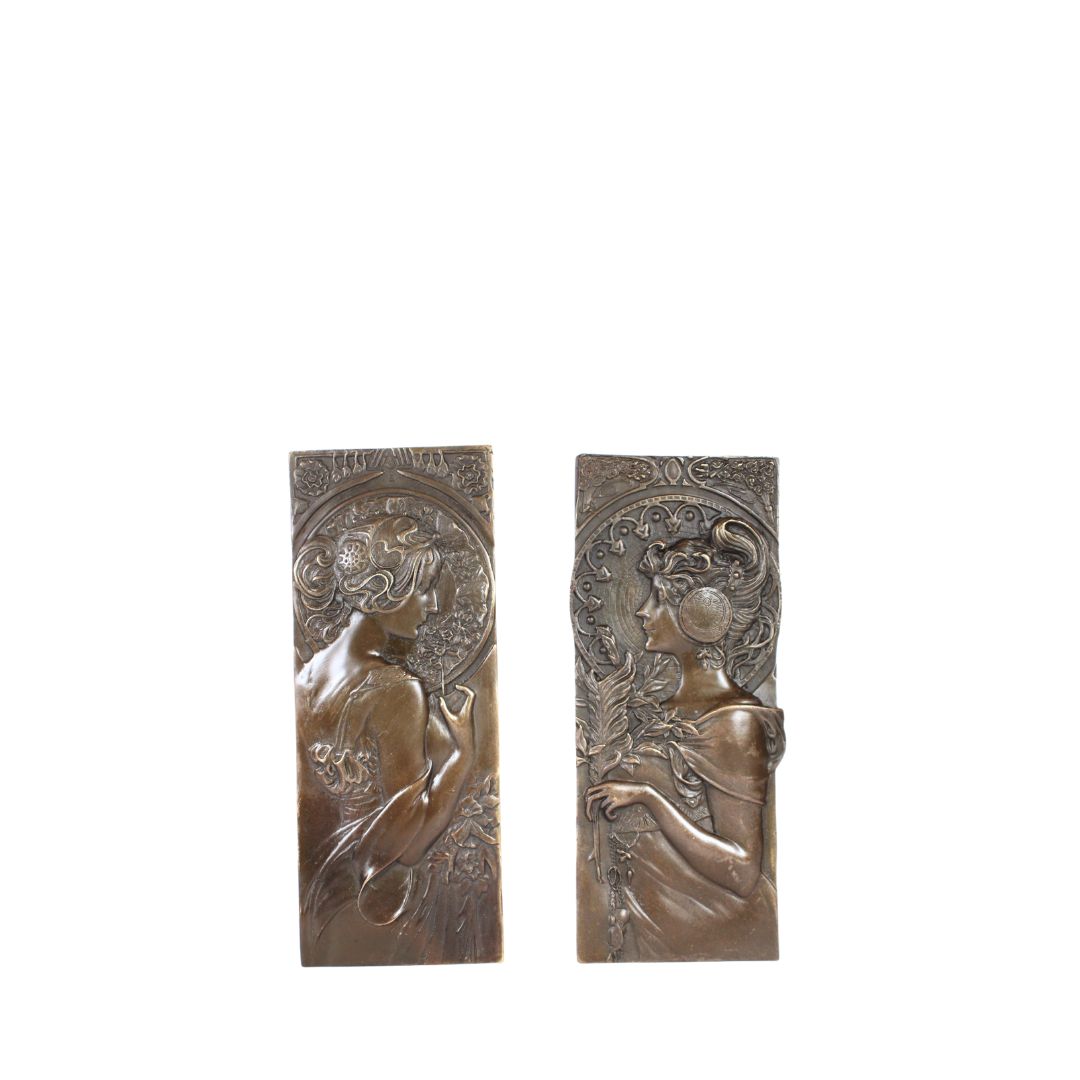
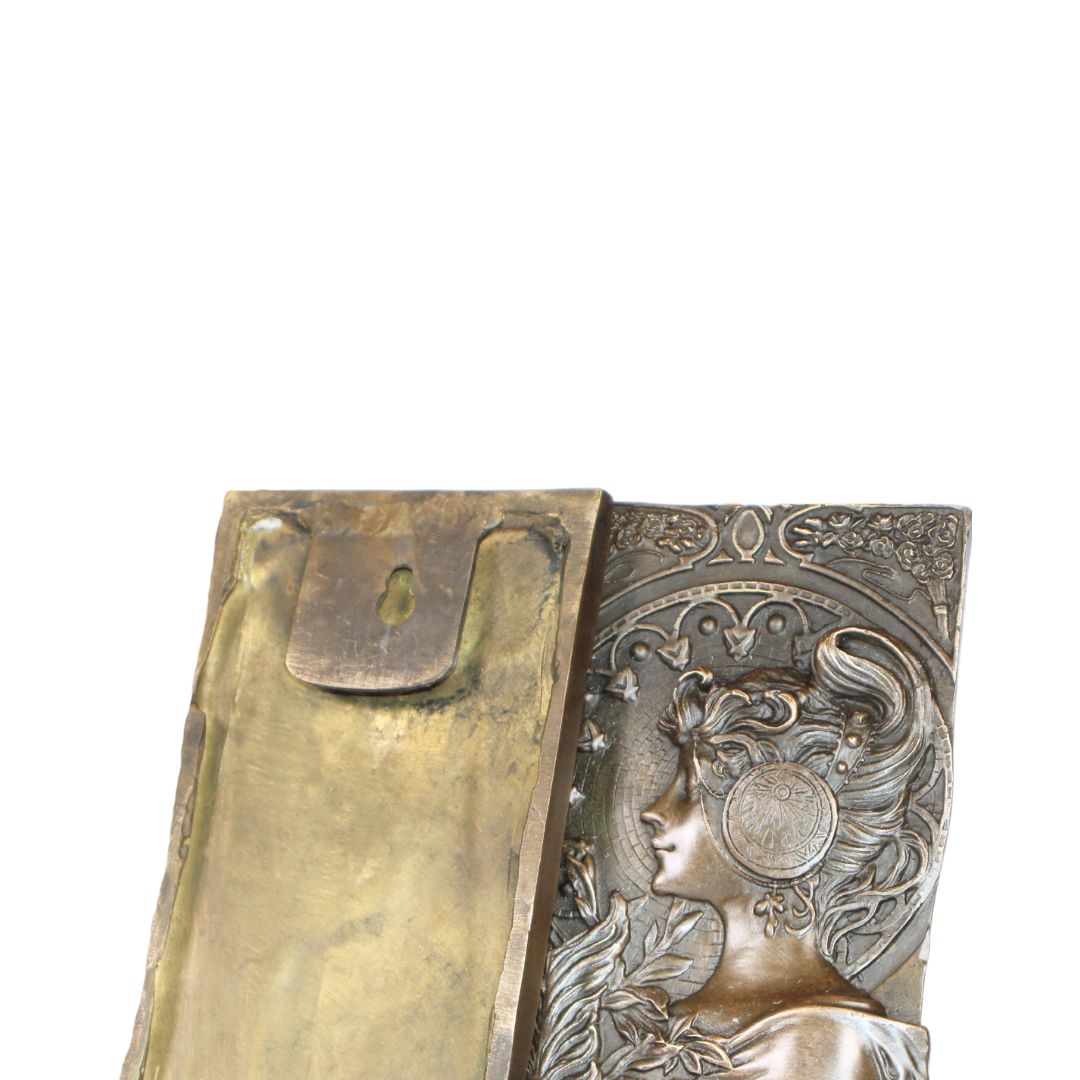
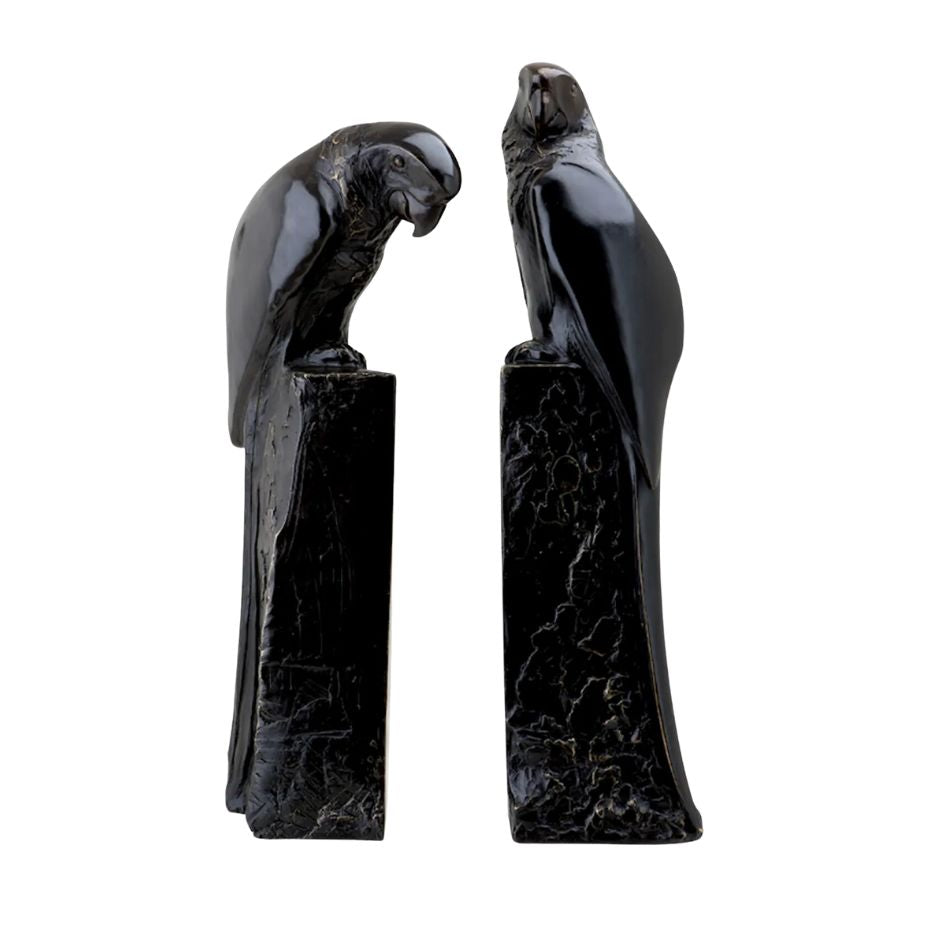
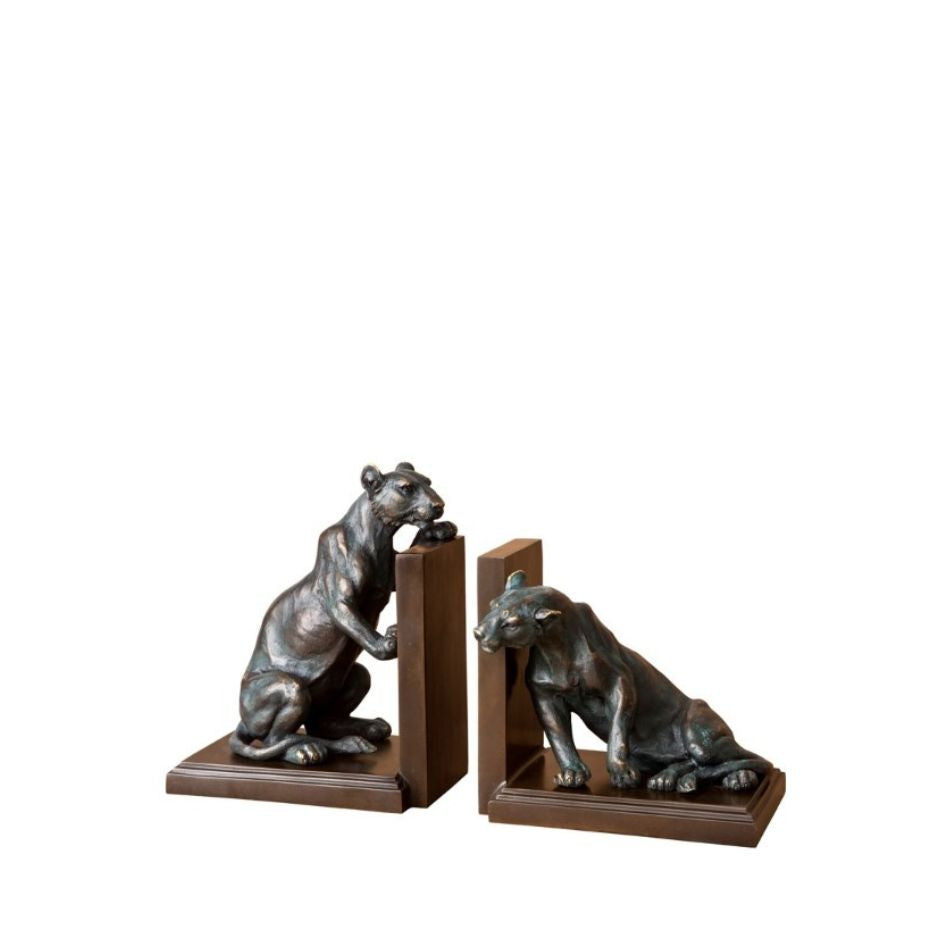
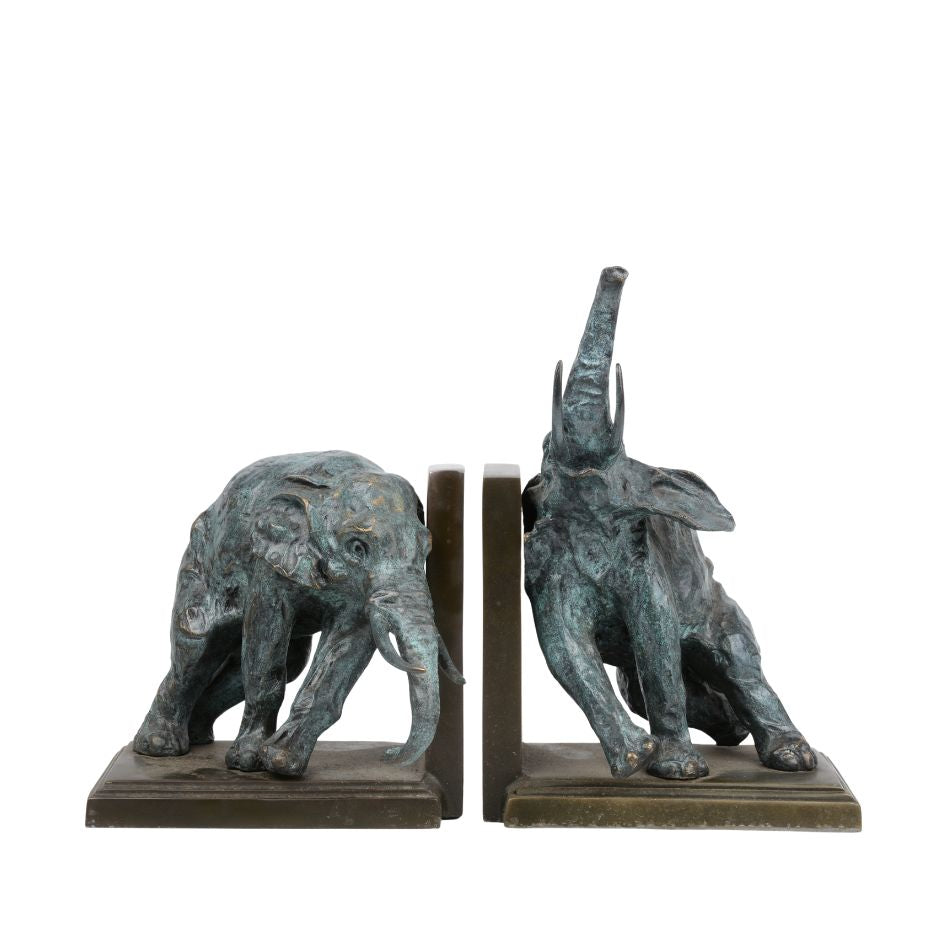
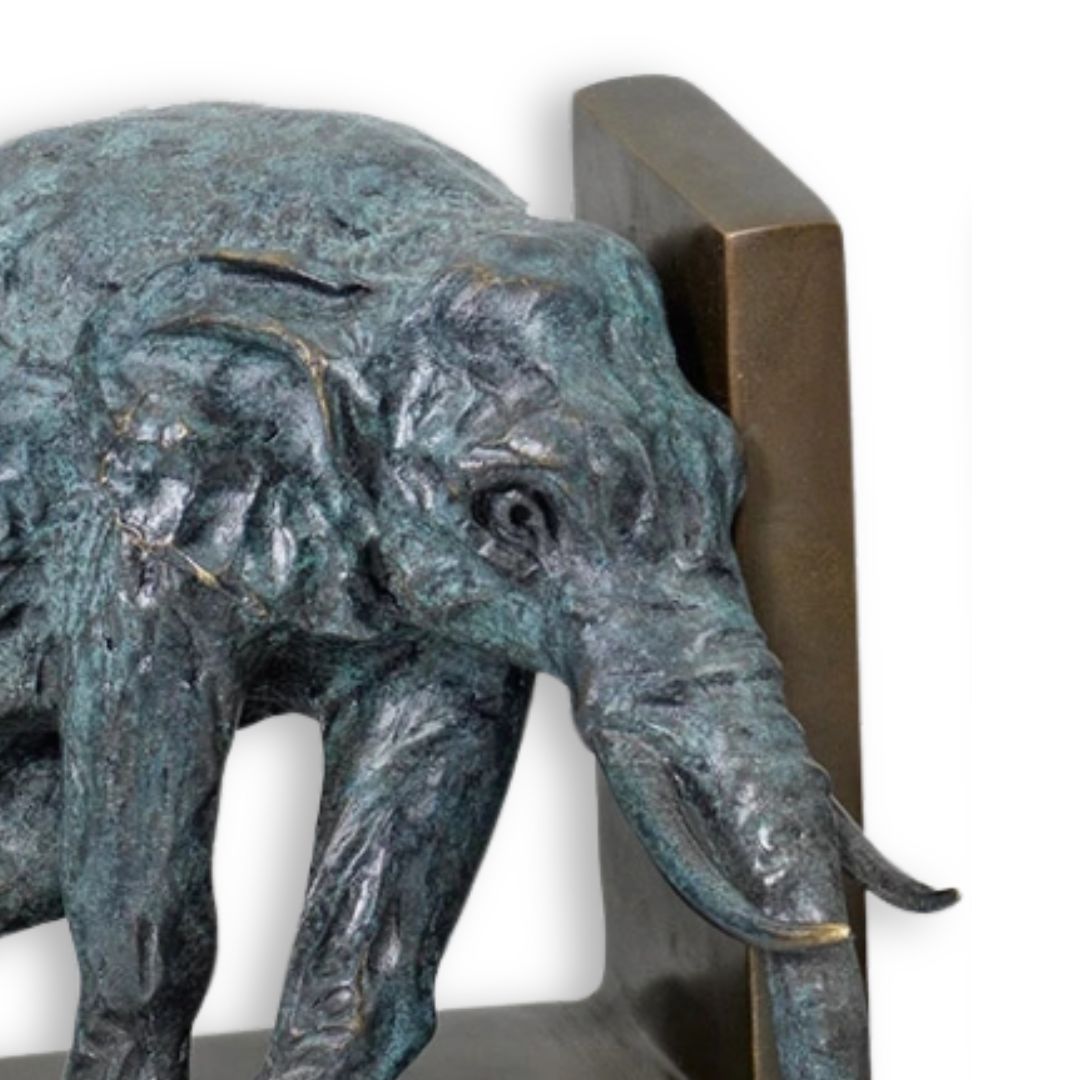
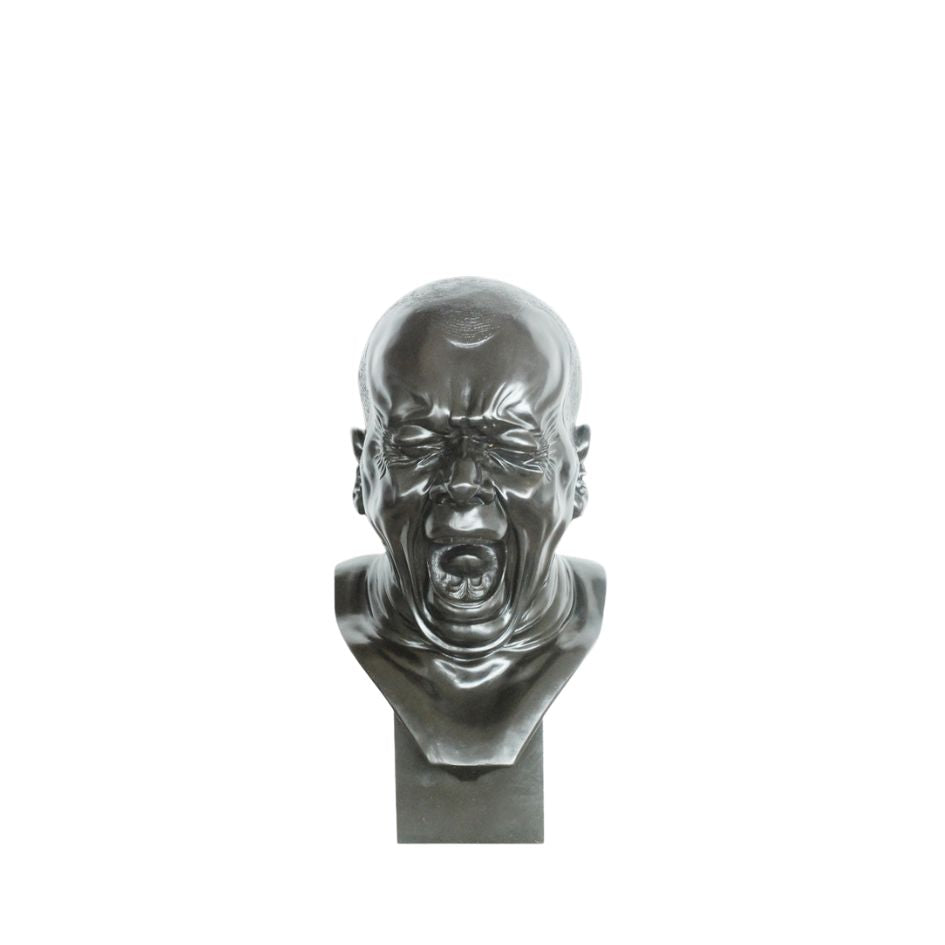
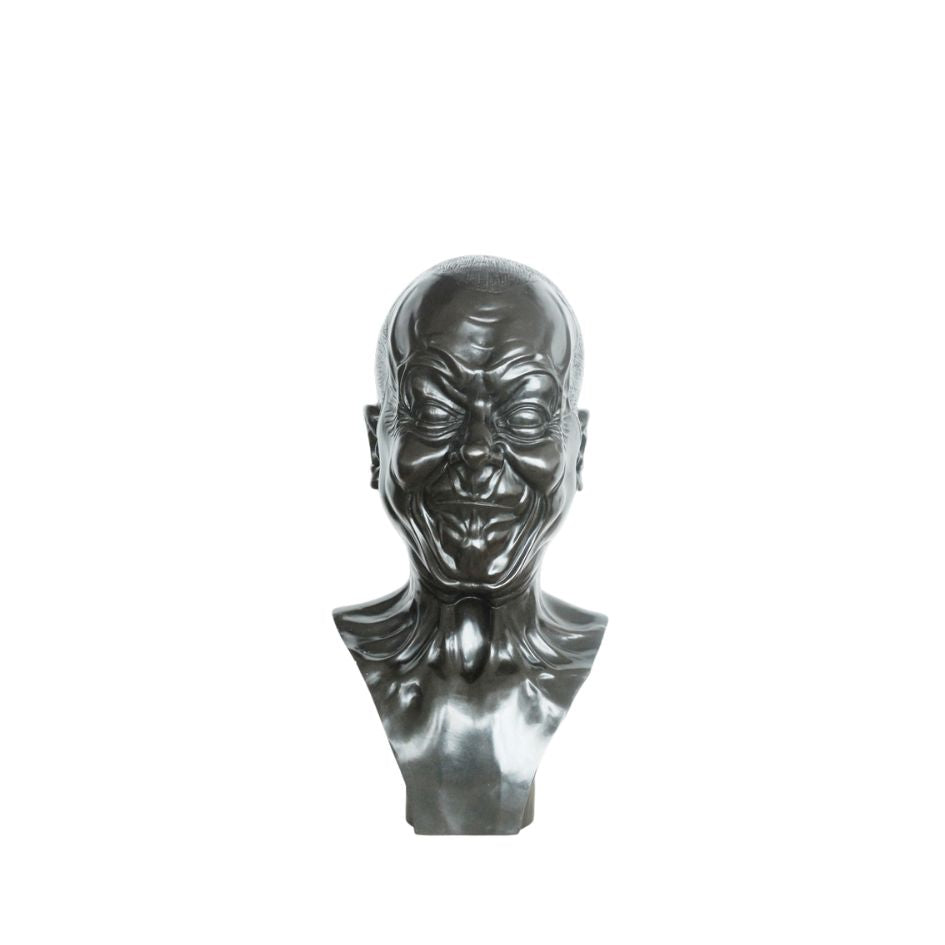
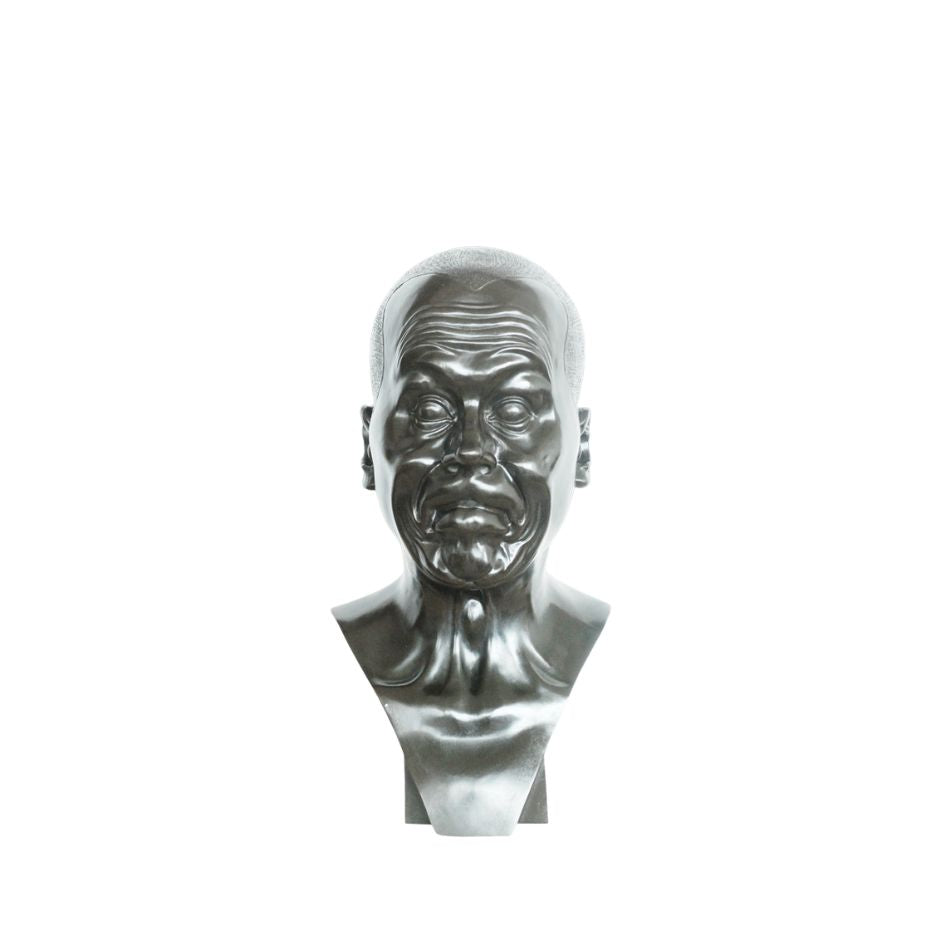
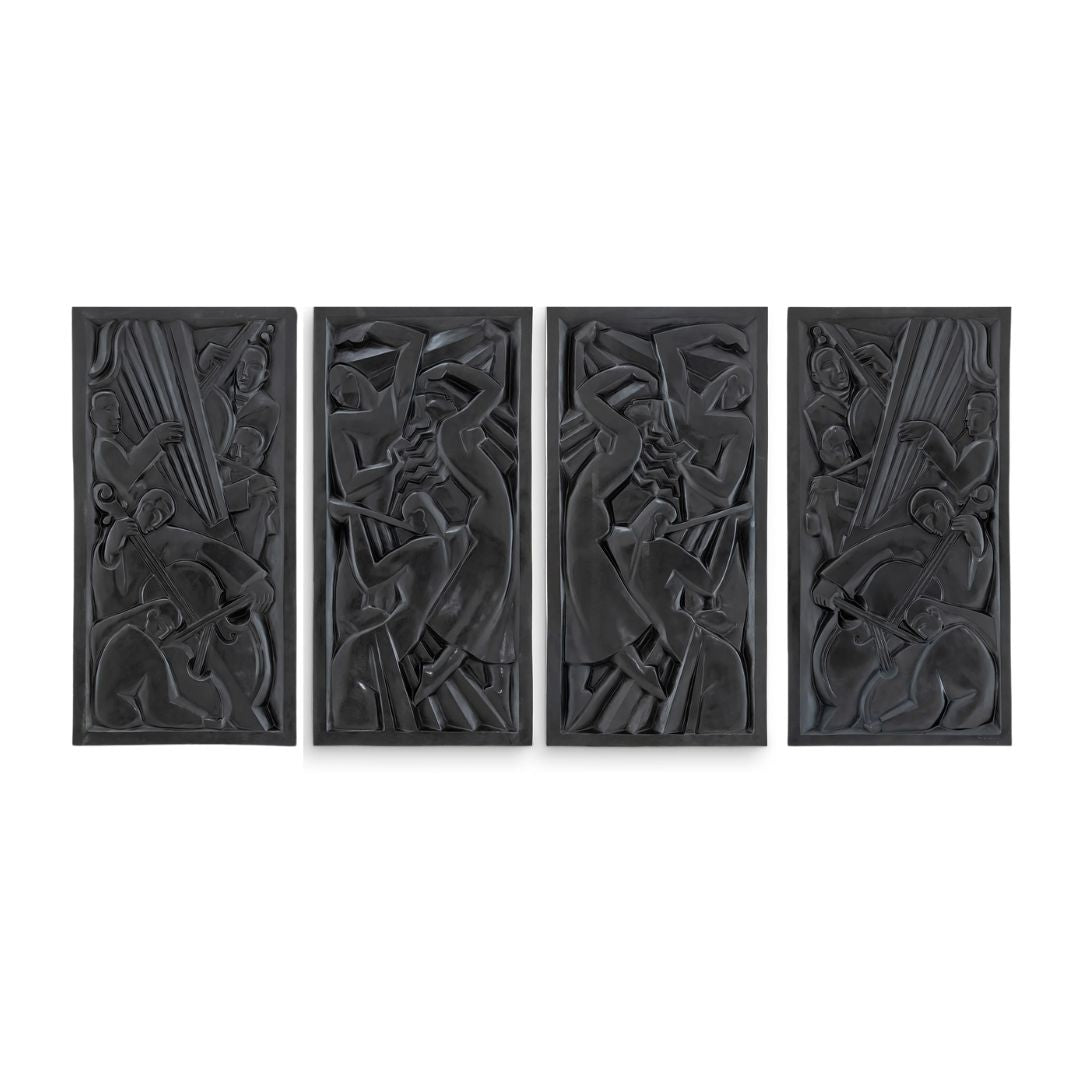
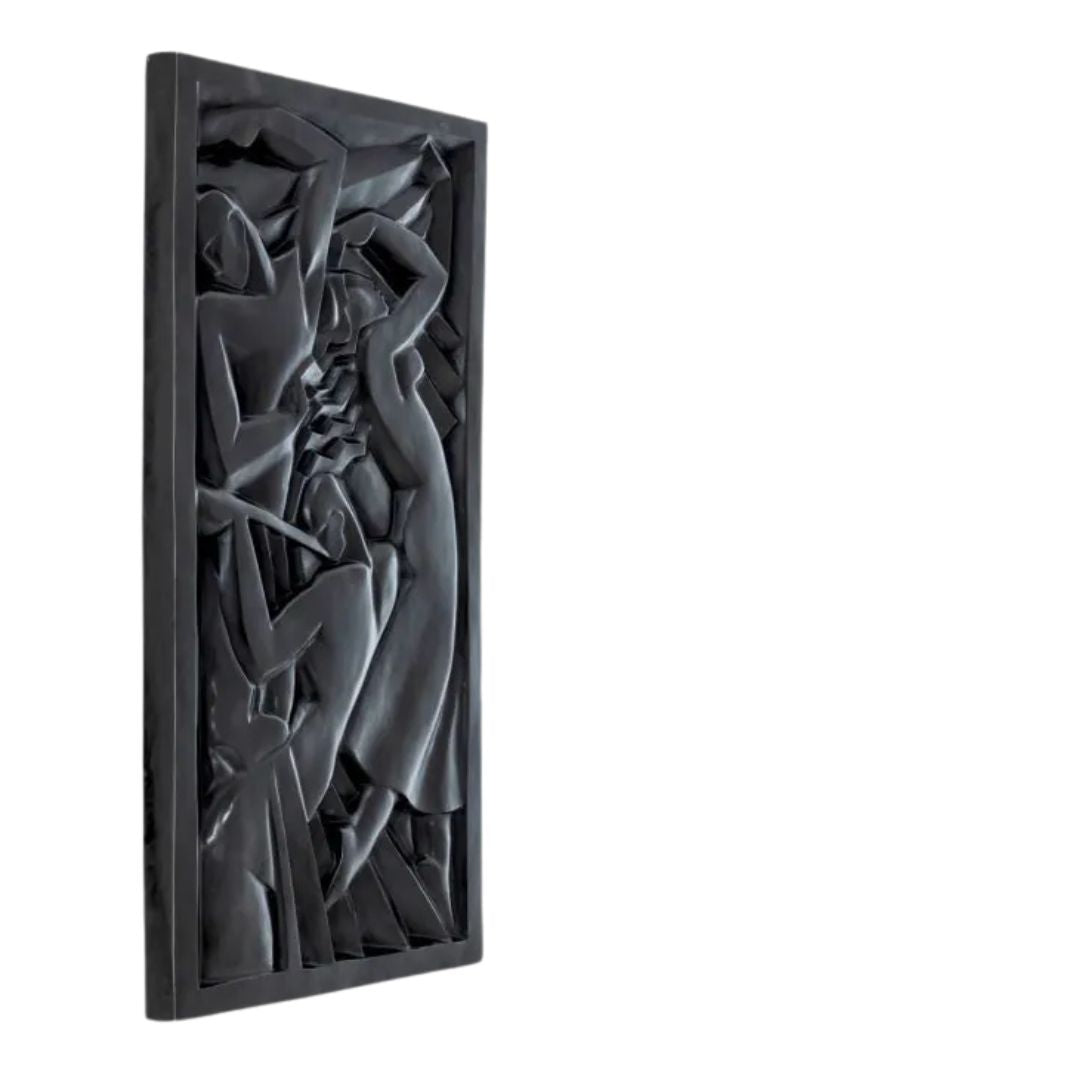
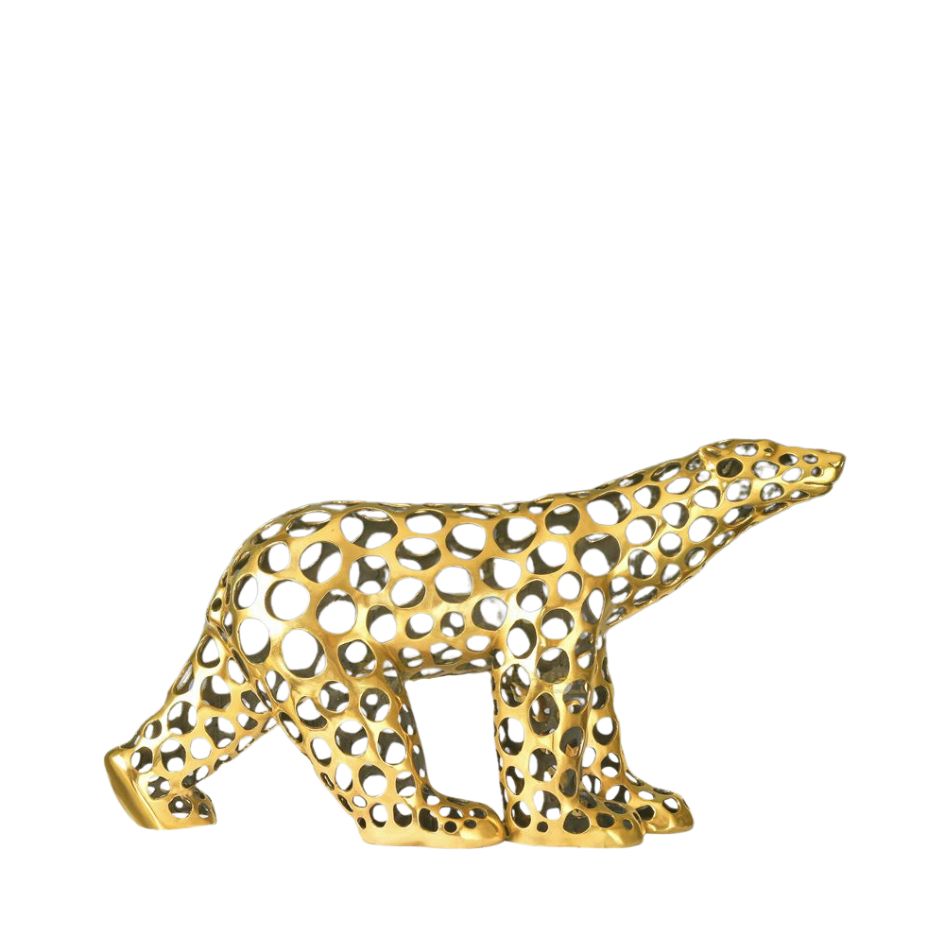
This is where our knowledge of styles comes through at its most 'architectural'. The wall reliefs (set of four) and the Art Nouveau wall plaques (pair) work as reliefs: they read as art on the wall but keep the tactile quality of bronze. The bookends – parrots, lions and the elephant bookends – are typical of Kuzco: functional, but sculptural first. They turn a library, study or boutique shelf into an exhibition. Add the more outspoken works (such as the character heads after Messerschmidt and the gold polar bear in the manner of Pompon) and the result is a collection that does not try to please everyone but makes clear choices: art for the interior with a recognisable signature.
Need personal advice? Make an appointment and visit our office in Amsterdam or our atelier in Bleiswijk.
Frequently asked questions about bronze sculptures
Are your sculptures cast solid or hollow?
Our bronze sculptures are cast hollow. That is not a compromise but a deliberate choice that sculptors have made for centuries. Hollow casting keeps the weight manageable without giving up strength or presence. A solid bronze would be needlessly heavy, hard to place and less suited to an interior. The right wall thickness – set carefully during the lost-wax process – gives stability, durability and a fine finish.
Is every bronze sculpture unique?
Yes. Every bronze sculpture has its own character. Although a model is often cast in small series, no two casts are identical: casting, chasing and patination produce subtle differences in surface, tone and detail. Variations of a few per cent belong to handwork and mark the difference between industrial production and real sculpture. Before delivery every piece is finished and checked individually. That human hand – visible and tangible – is what gives our sculptures their character.
Does the colour of bronze change over time?
Bronze lives, but it does not lose its quality. Most of our sculptures are patinated: a controlled, chemically applied layer that protects the surface and gives the colour depth. In normal indoor use this patina forms a lasting barrier against corrosion and ageing. When a bronze sculpture is placed outdoors it will gradually respond to weather and time, just like natural stone or wood; that natural ageing belongs to the material. Sculptures without a patina are best kept indoors.
Where are your bronze sculptures made?
Fine bronze casting is a specialist craft that has largely disappeared in the Netherlands and the rest of Europe. A few foundries are still active, but they often lack the scale and technical depth needed for consistent quality, and the few that can still do it are priced out of reach – which does not fit our mission of making art accessible. Our bronze sculptures are therefore made in our own ateliers in Asia, where knowledge of the lost-wax process has been passed down for generations. From model to patina we keep full control of quality, finish and choice of materials. What counts is not the location but the craftsmanship, and there we make no compromises.
Do you sell to private clients or only to the trade?
Kuzco Art Maison works first and foremost as an art atelier and wholesaler for interior designers, shops, decorators and art professionals. Since 2026 we also sell directly to private clients, at the retail price shown on each product page; trade clients order through their own account.
Do your bronze sculptures come with a guarantee?
Yes. All our bronze sculptures are covered by a quality guarantee. Bronze is an exceptionally durable material that, well made, lasts for generations. Thanks to good-quality bronze, traditional casting techniques and a carefully applied patina, our sculptures stand up to time and use.
What is the lost-wax method?
Lost-wax casting is the oldest way of casting bronze: a wax model is enclosed in a heat-resistant mould, then melted out and replaced by molten bronze. Once the metal has cooled, the mould is broken away and the surface is chased by hand, so that every piece has features of its own.
Are your bronze sculptures antique originals or new creations?
All our bronze sculptures are new and made by hand, designed in the style of historical examples (the animaliers, Art Deco, after Rodin or Messerschmidt). They are not antiques and not archaeological originals.
What is the patina on bronze, and why does it change?
The patina is the coloured layer on the bronze, produced by controlled oxidation and then sealed with wax or lacquer. Outdoors it continues to develop by itself over time: that is part of the character of a bronze.
How do I look after a bronze sculpture?
Indoors, regular dusting and an occasional coat of microcrystalline wax are enough. Outdoors, wax the bronze once or twice a year. Always avoid harsh cleaning products, which attack the patina.
Is a bronze sculpture suitable for the garden or outdoors?
Yes. Bronze withstands frost and weather, and the patina protects the metal: it is the natural material for the garden. A yearly coat of microcrystalline wax extends its life. See our garden sculptures.
What is a bronze animal figure (animalier)?
A bronze animal figure is a sculpture of an animal, a genre carried in France by the animaliers of the 19th and early 20th centuries (Barye, Pompon, Bugatti). Our big cats, horses, elephants and birds stand in that tradition, as new creations.
What does a character head in the manner of Messerschmidt show?
Franz Xaver Messerschmidt (1736–1783) made a series of heads with extreme expressions, today known as the character heads: sixty-nine heads, of which forty-nine survive. Our bronze heads are new pieces made in the manner of that series.
Do you offer a piece related to Rodin's 'The Thinker'?
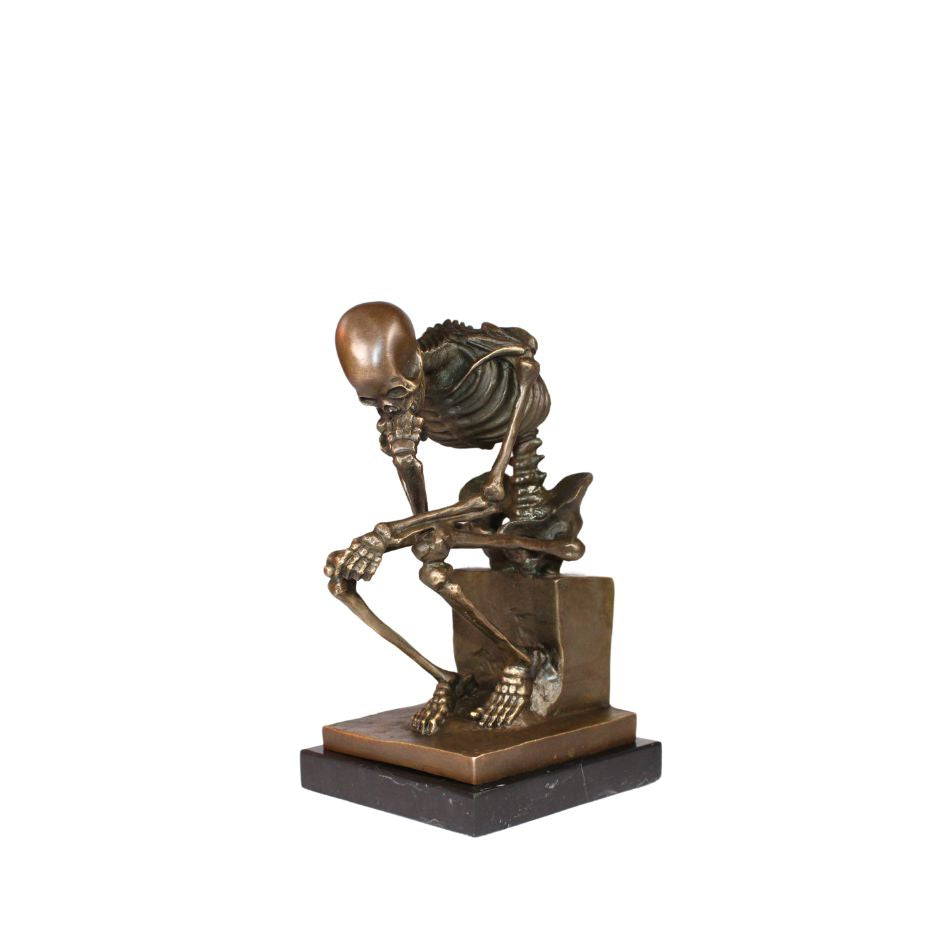
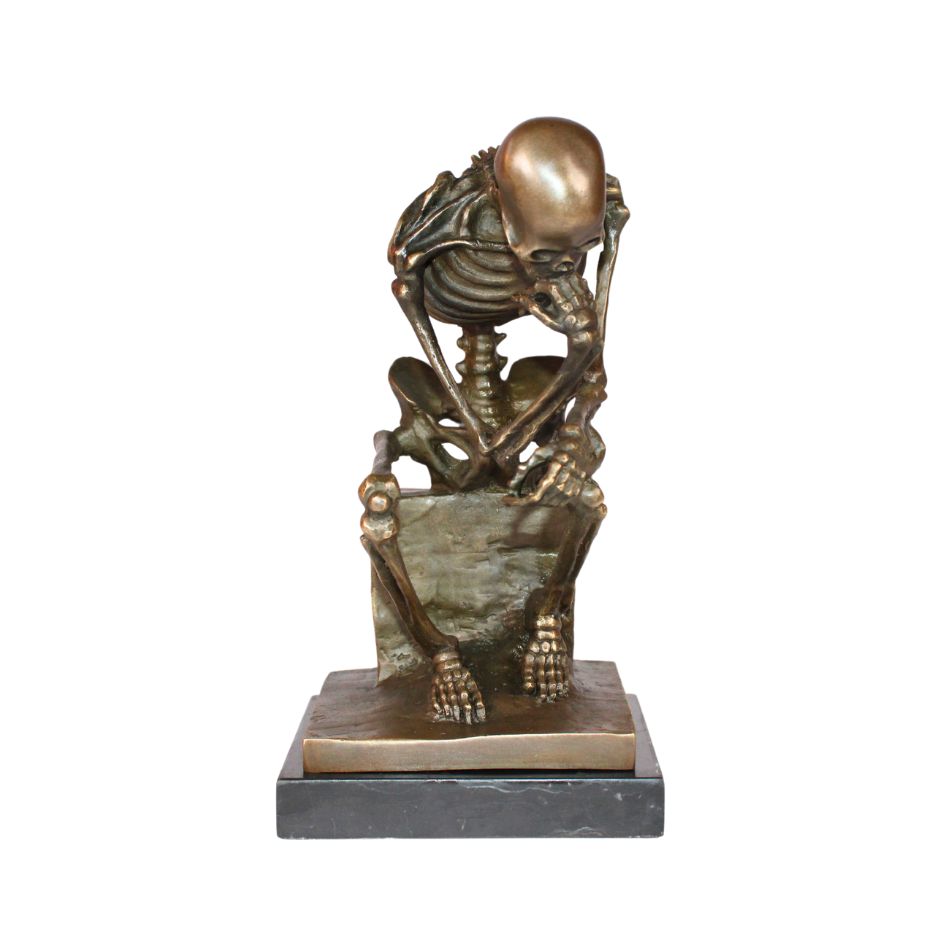
Yes: a bronze skeleton that takes up the pose of Auguste Rodin's 'The Thinker', as a contemporary variation. It does not reproduce Rodin's work and is not cast from a Musée Rodin mould; it is a new piece.
Can I buy a bronze sculpture as a private client?
Yes. Since 2026 we also sell directly to private clients through our online shop, with a 14-day right of withdrawal. Trade clients order through their own account.
Where can I see the bronzes in person?
At our gallery at Hekelveld 1-1 in Amsterdam, by appointment. The full collection can always be viewed online.
How is a heavy bronze sculpture delivered?
Each piece is carefully packed and sent by insured art transport throughout Europe; consignments over 30 kg travel on a pallet. Weight and dimensions are listed on the product page.
What does a bronze sculpture cost?
The price depends on the size, the model and the plinth. The exact price is shown on each product page.
Who makes the bronze sculptures of Kuzco Art Maison?
Kuzco Art Maison is an art atelier and gallery in Amsterdam, led by Lilly-Ann de Zeeuw, MA, artist, art historian and curator. Every work starts with art-historical research.
If you are looking to buy a bronze sculpture, we are happy to advise on the model, the weight and the placement. Write to us or visit our gallery in Amsterdam by appointment.