

Greek Sculptures and Roman Sculptures
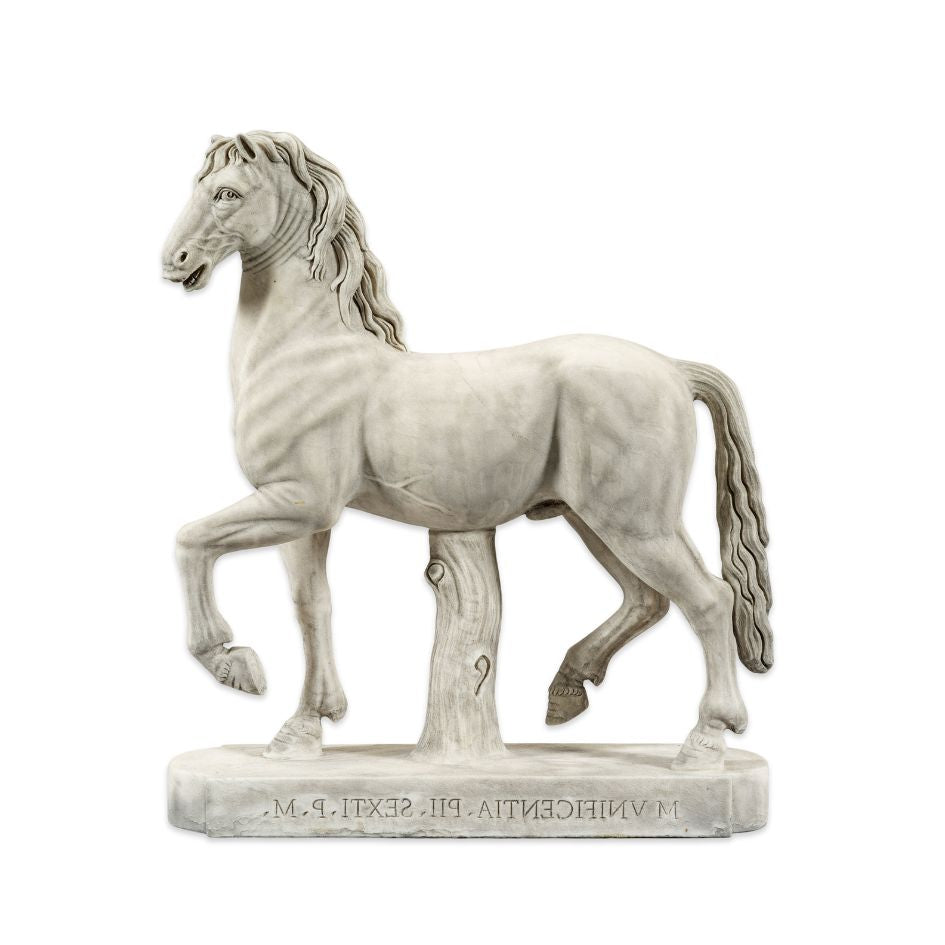
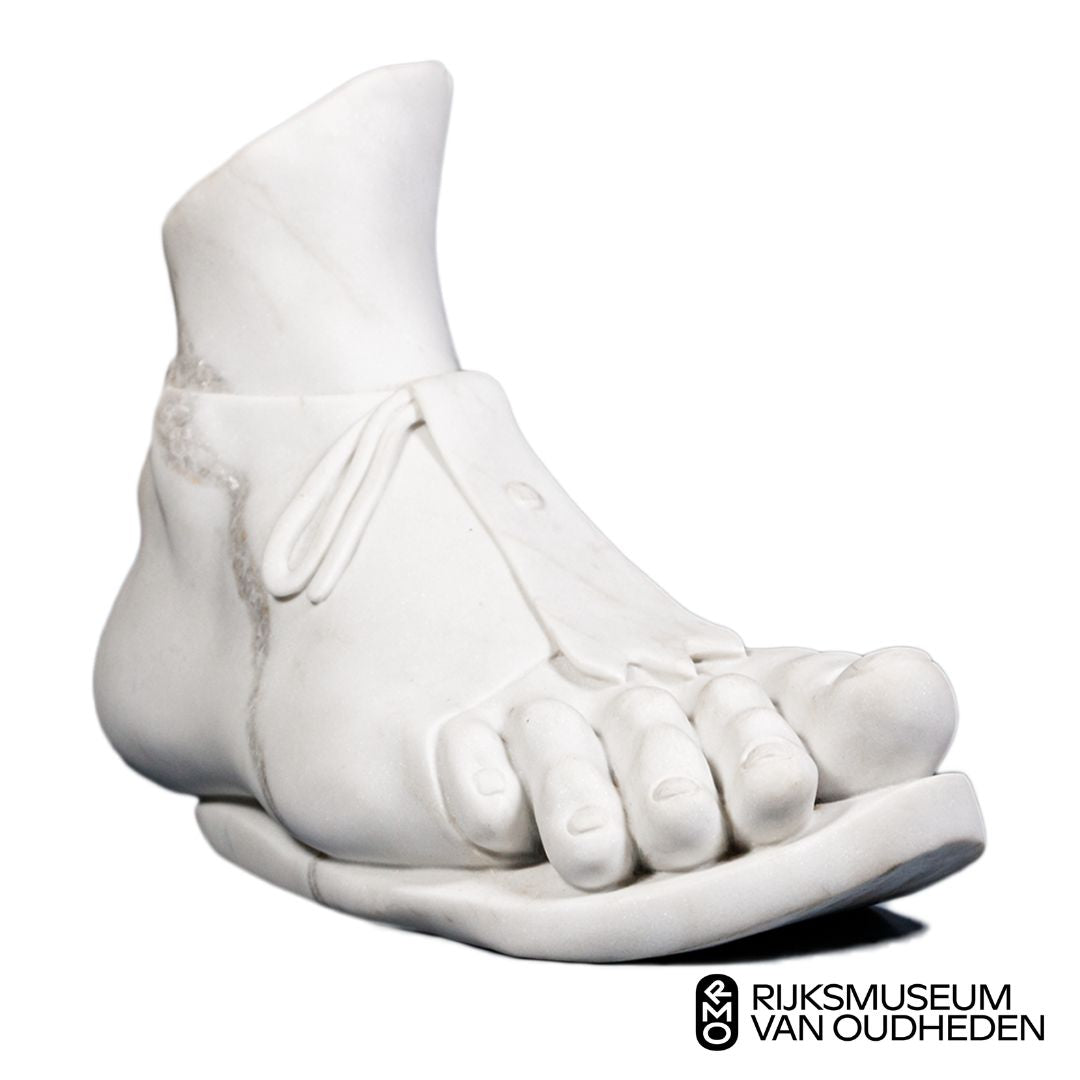
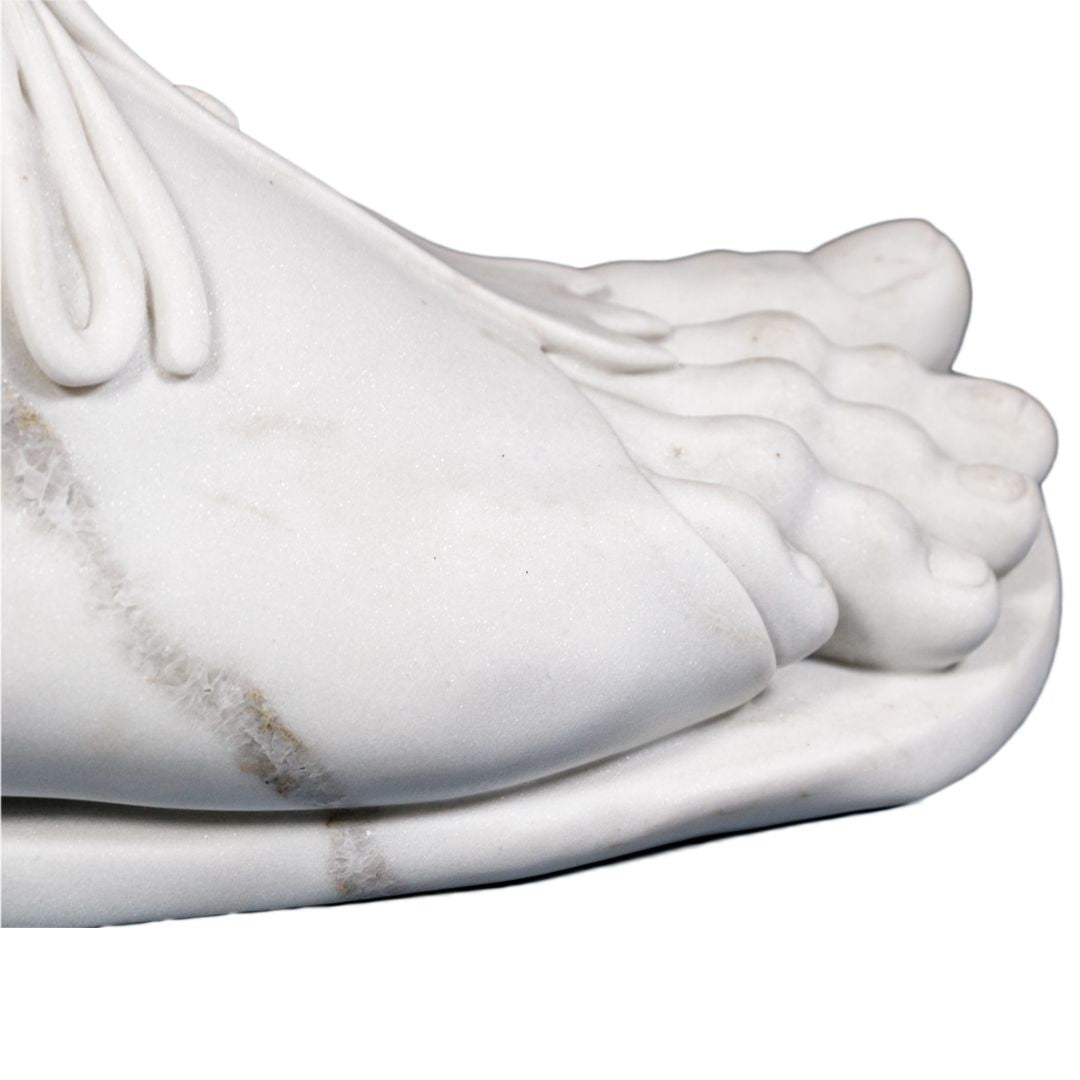
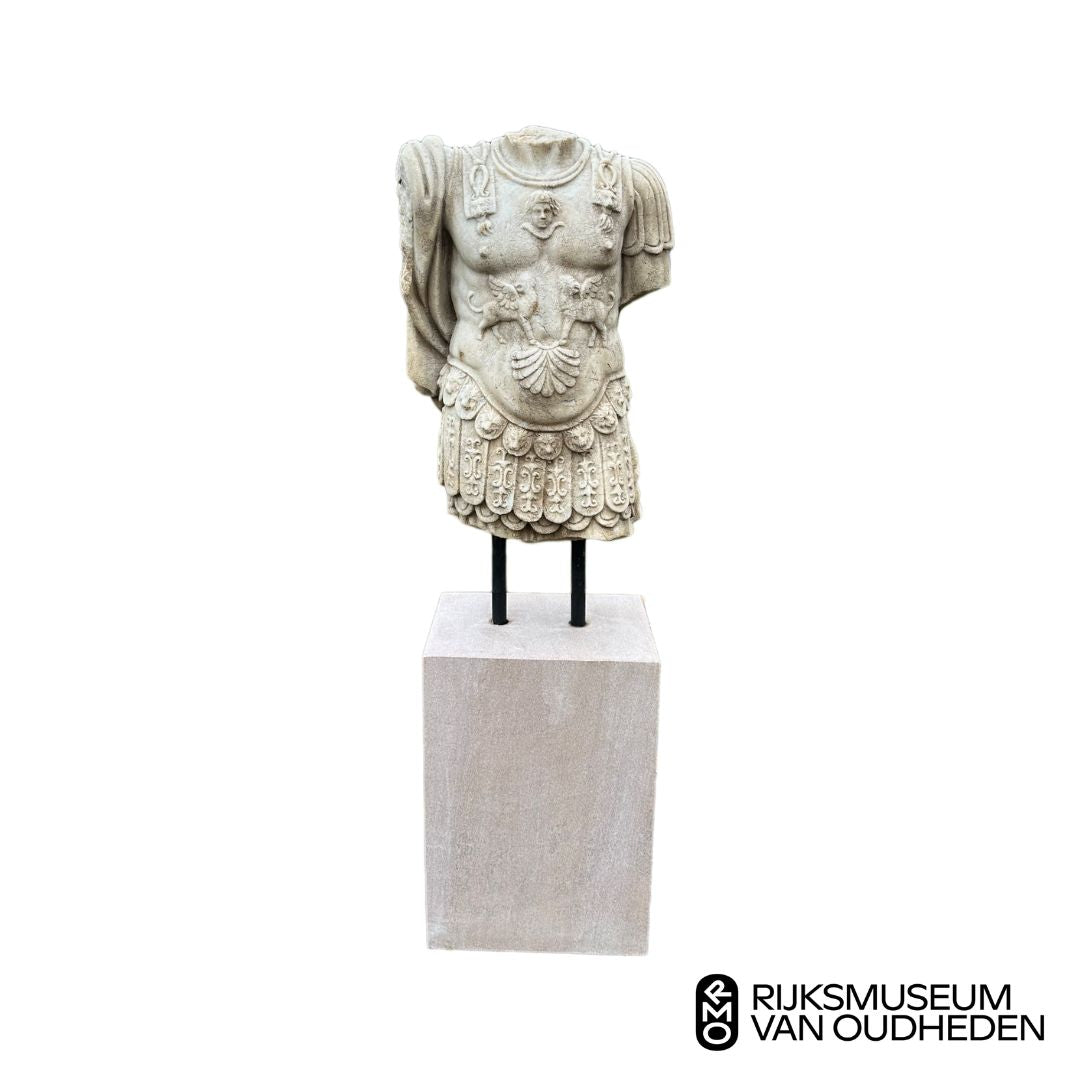
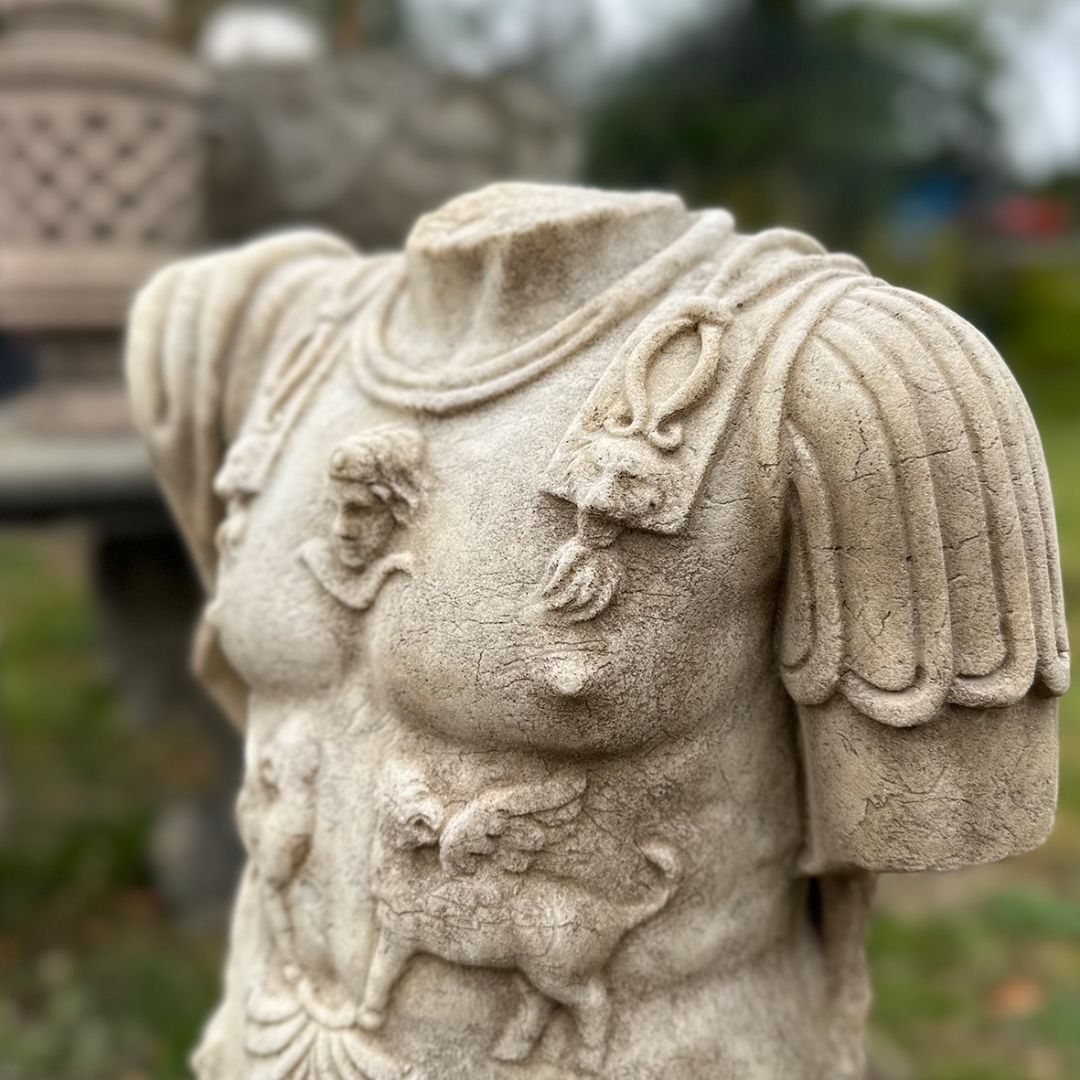
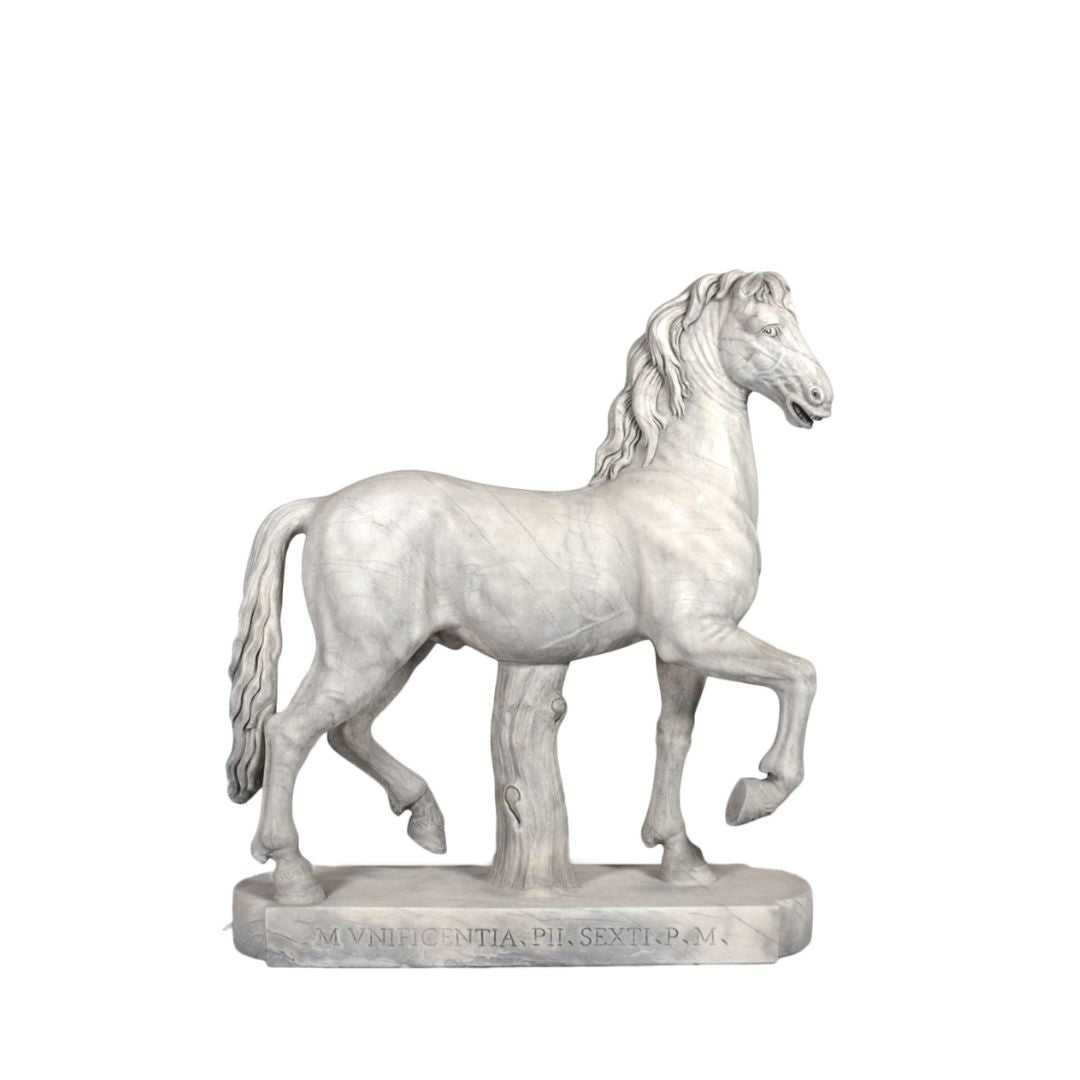
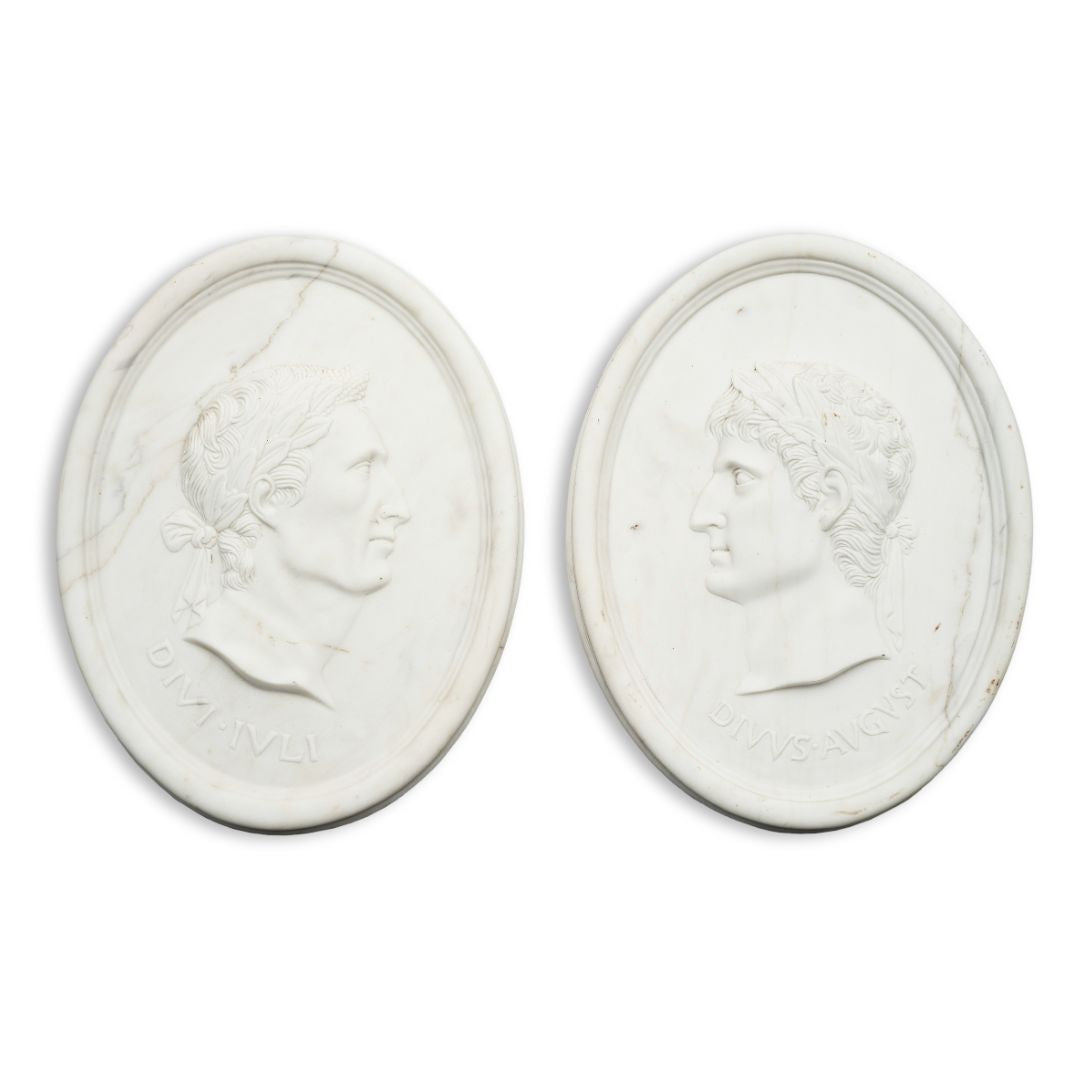
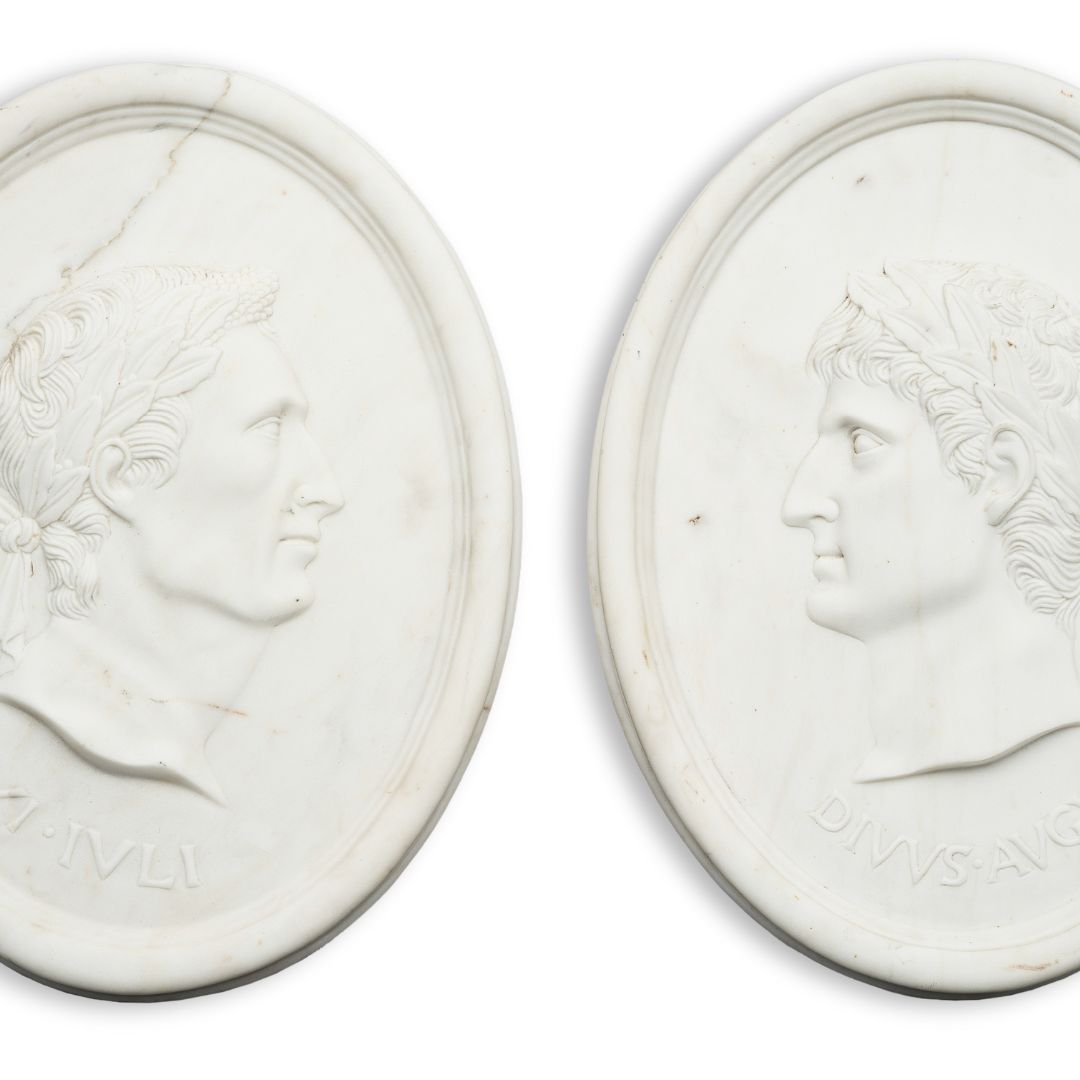
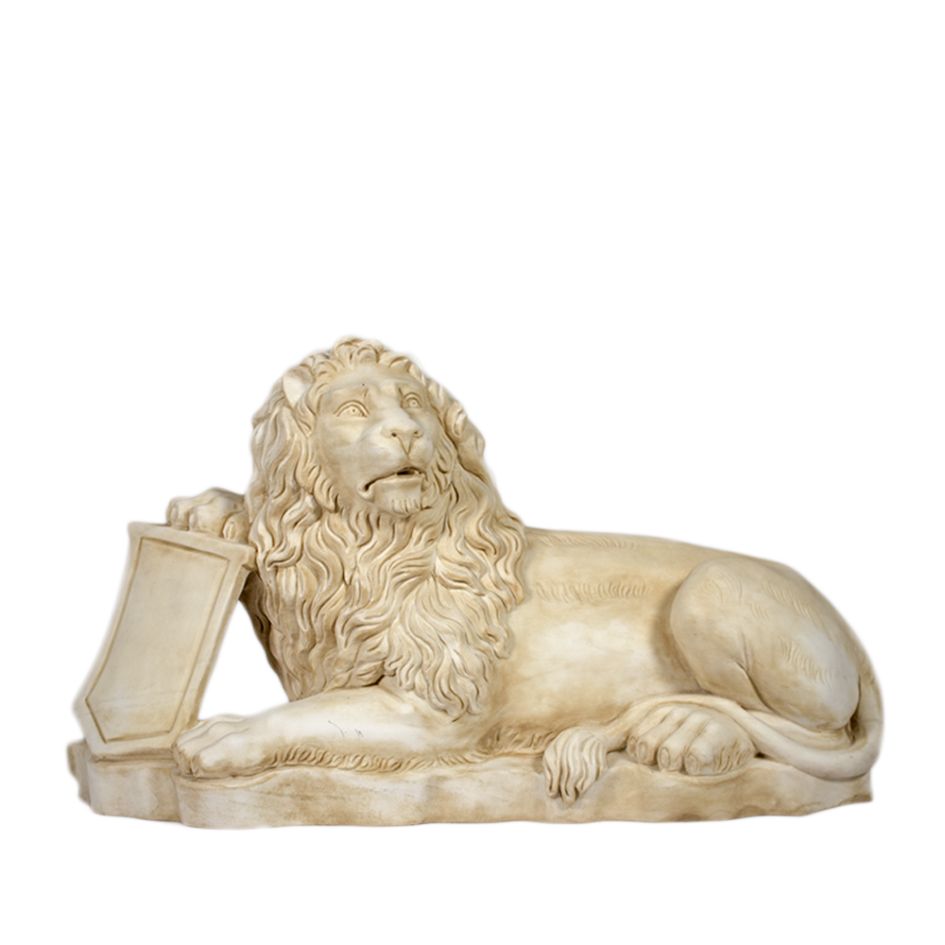
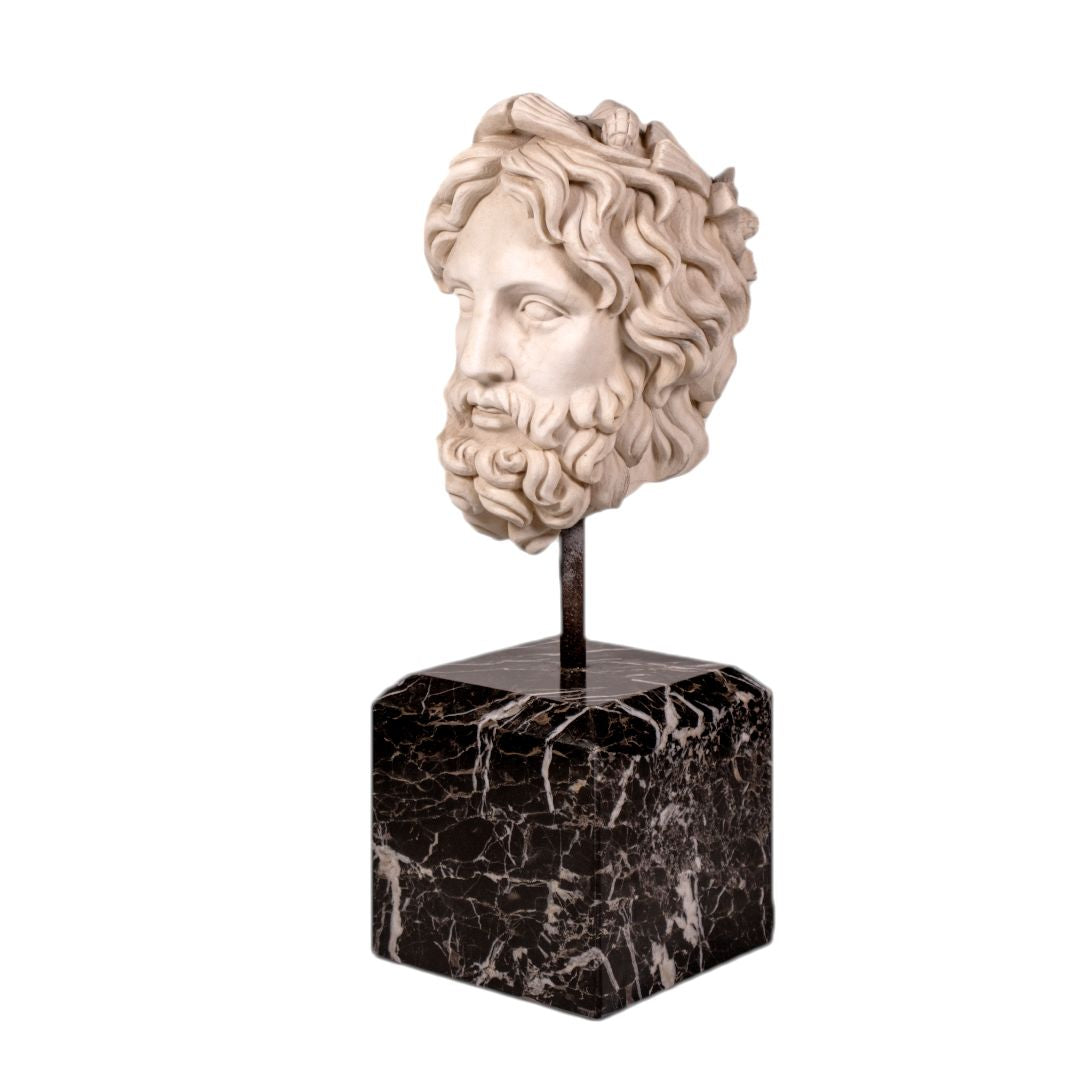
Greek and Roman sculptures, hand-carved in marble after antique models: the Belvedere and Gaddi torsos, torsos with cuirass or toga, heads of Zeus and Medusa, the Borghese centaurs, a Roman stallion, emperor medallions, a colossal sandalled foot and Grand Tour models of the Temple of Vespasian. Each piece is newly made in the classical idiom; its product page names the model it follows and gives the dimensions.

Greek Statues and Sculptures
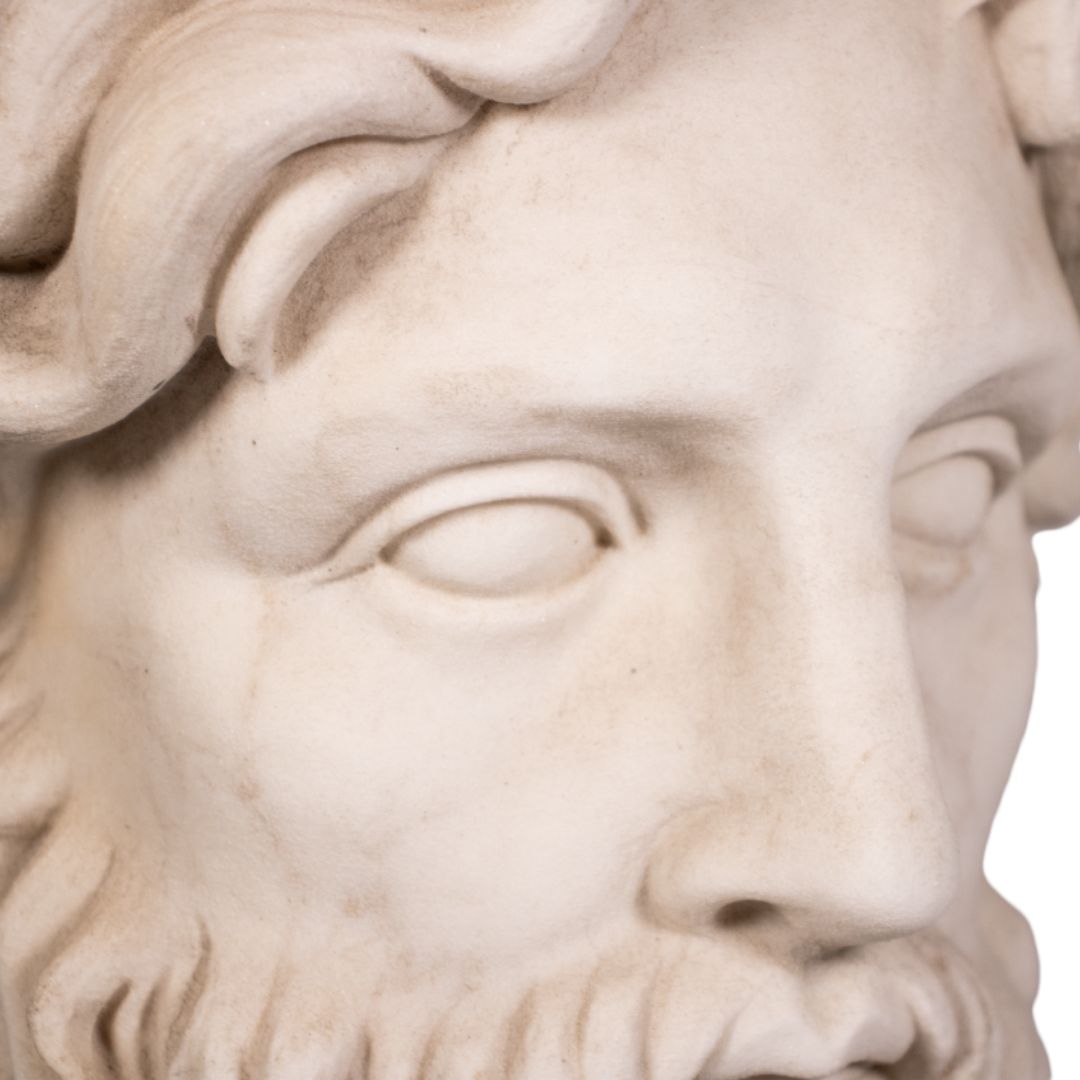
Greek sculpture lies at the root of Western aesthetics: its marbles show a search for harmony, movement and an almost divine perfection. Our selection of Greek sculptures brings together mythological figures and ideals of antiquity, from the bearded head of Zeus to heroic male nudes. At Kuzco Art Maison we believe these stories need not stay shut away in museums.
So we bring them into the present-day interior. Each piece is made by hand after models from classical antiquity, using the traditional technique of carving. What arrives in the home is more than decoration: a tangible fragment of classical culture.
Roman Statues and Sculptures
Roman sculpture speaks of power, realism and history. Where the Greeks depicted an ideal, the Romans celebrated the individual – emperors, generals and philosophers who still stand for strength and legacy.
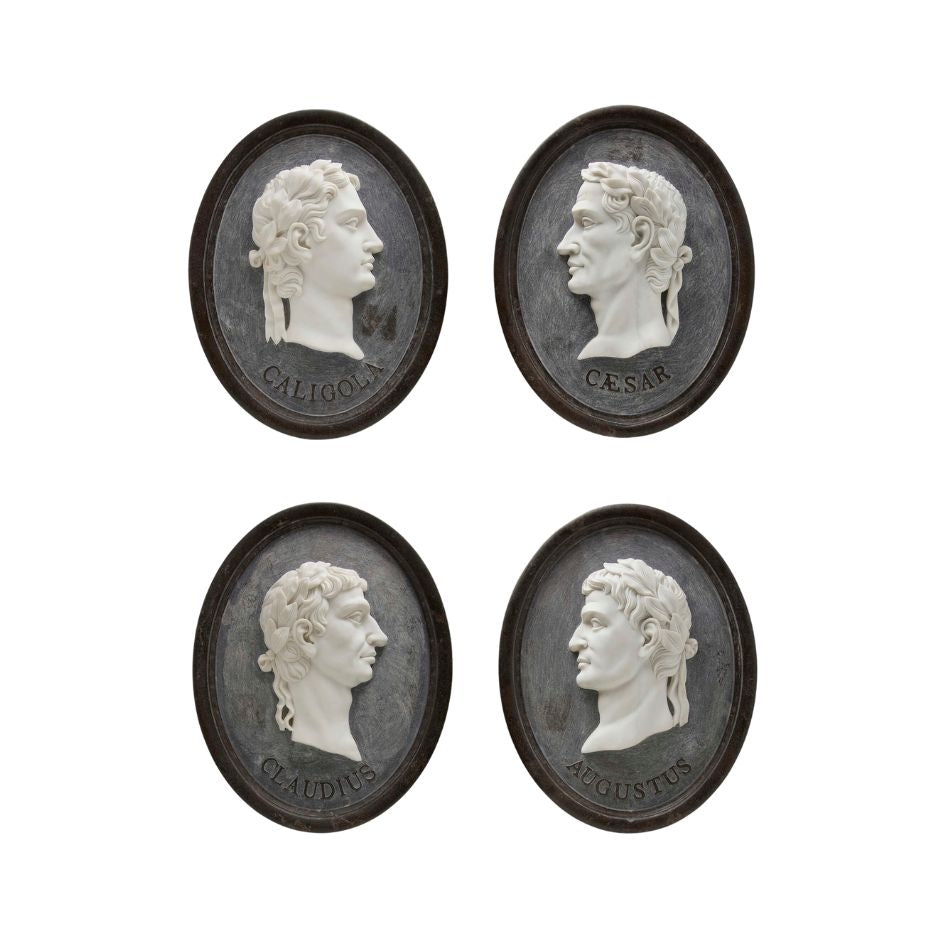
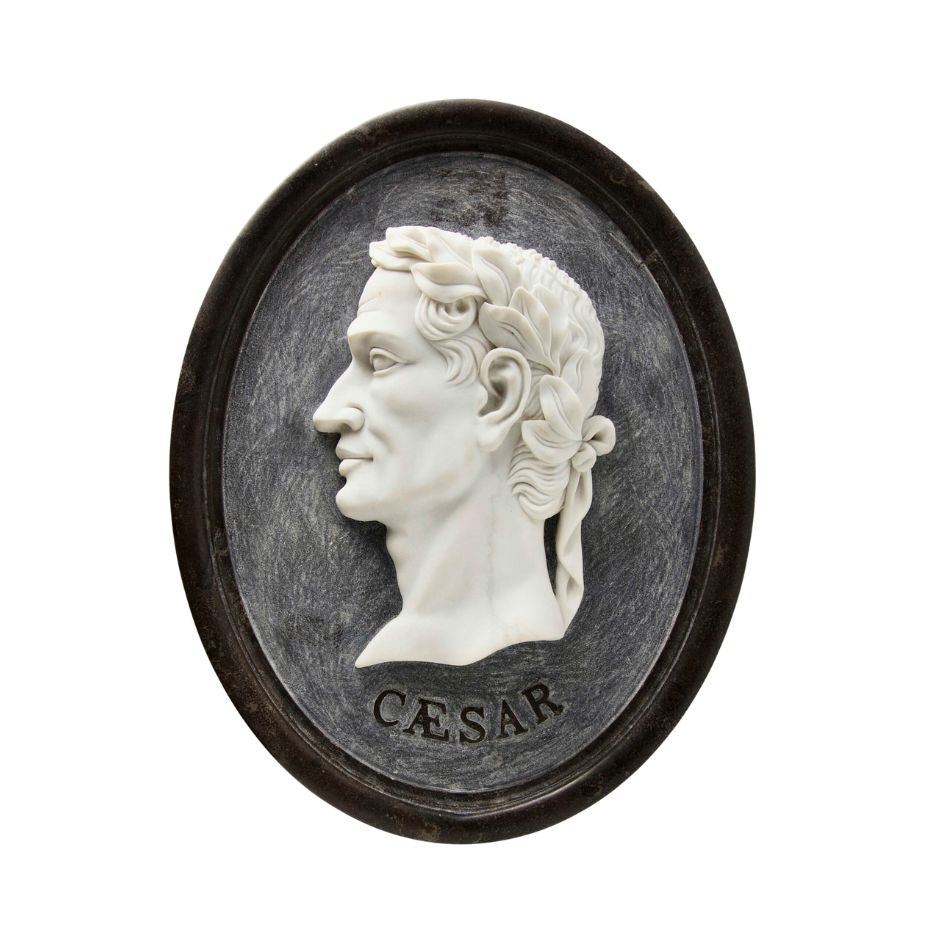
Our Roman sculptures are carved with the same attention to proportion and material as their antique models. From marble heads and torsos to medallions with emperors' profiles, each piece is chosen to bring something of the Roman world into a room.
Grand Tour Sculptures
In the 18th and 19th centuries, travellers on the Grand Tour came home from Italy with marble miniatures and classical replicas as a tangible reminder of the journey. These pieces – often torsos, busts or small temples in white marble – still draw collectors of classical art today.
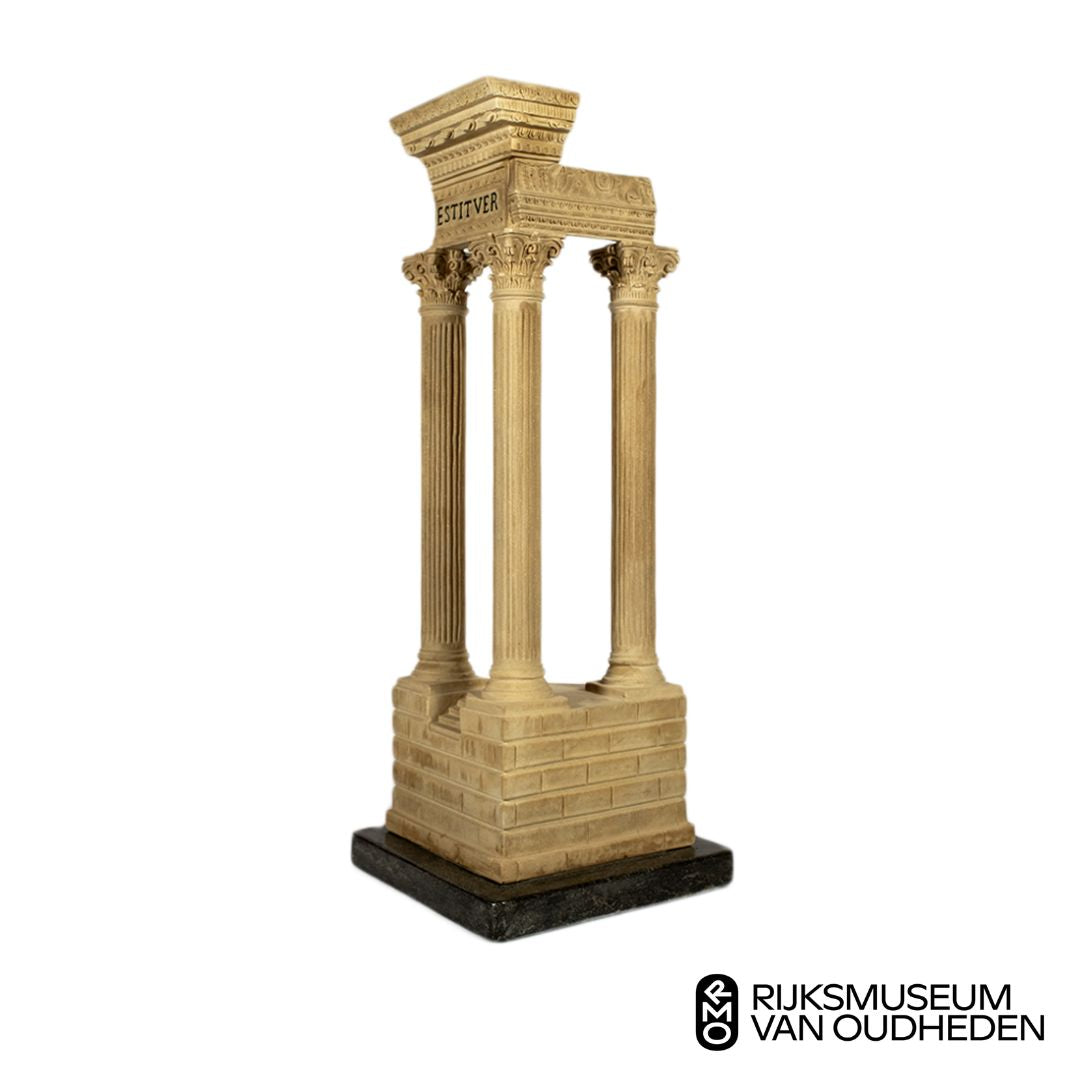
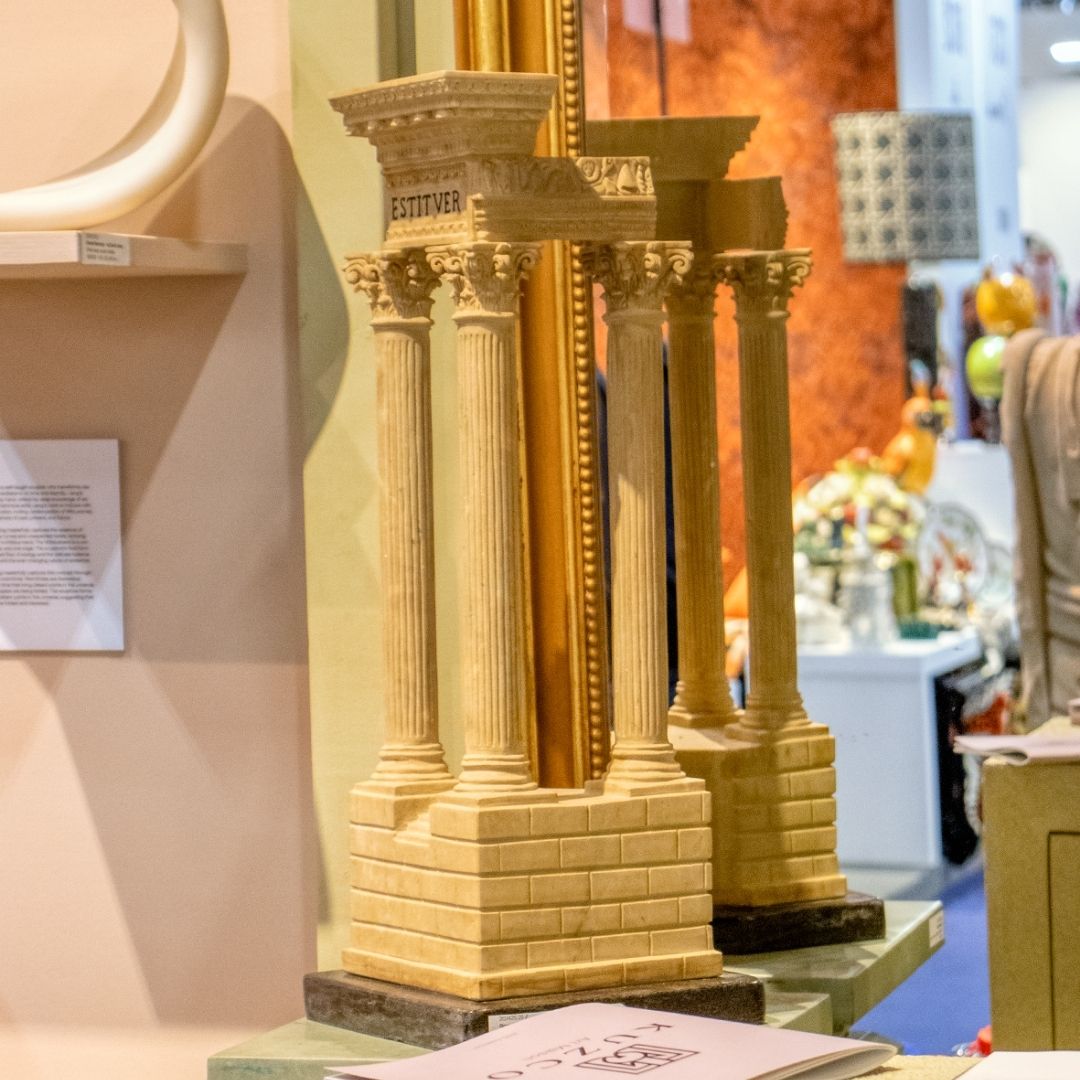
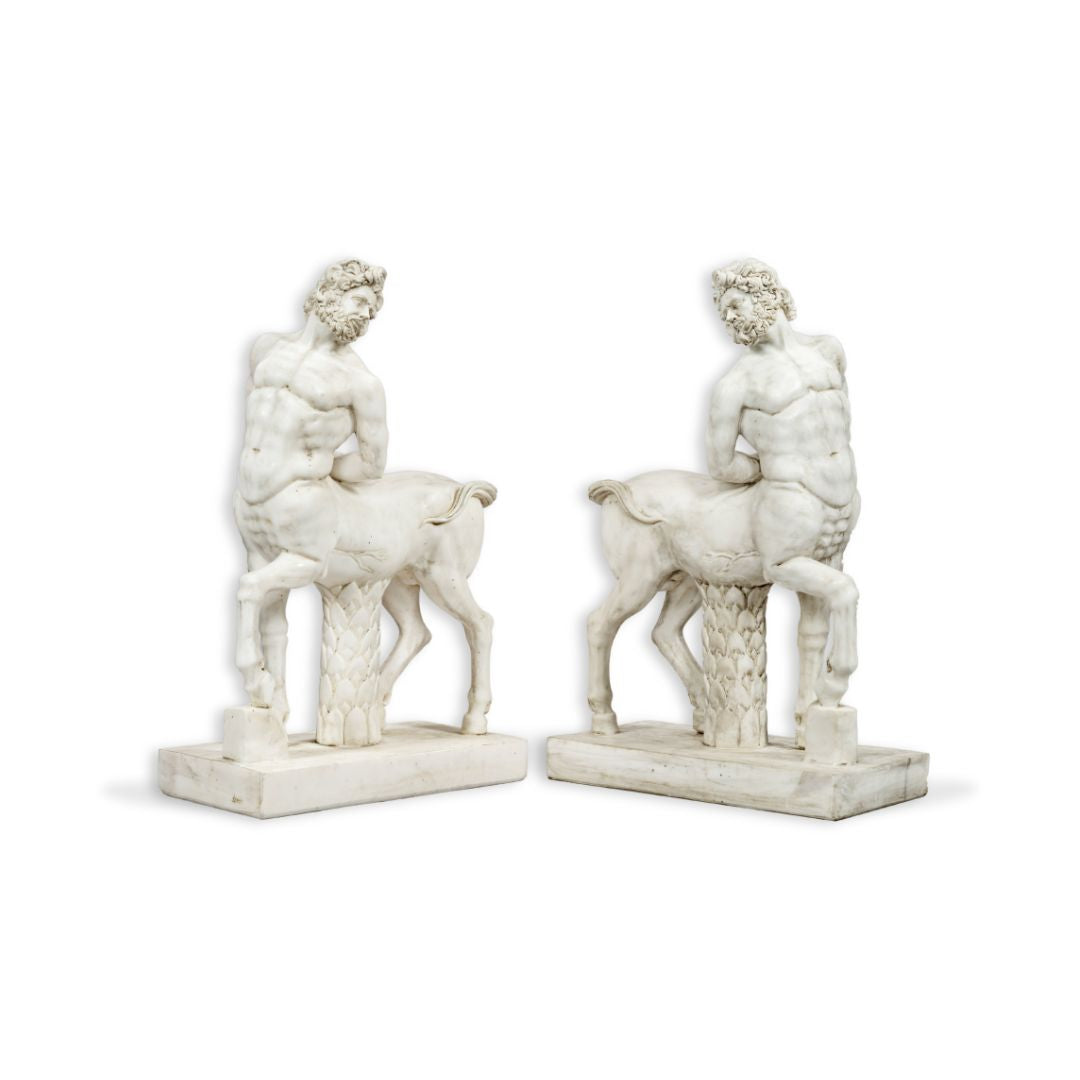
Kuzco Art Maison offers carefully made new editions of well-known Grand Tour pieces, such as the Roman marble torso, the Borghese centaurs, the head of Zeus and the Temple of Vespasian. Each sculpture is hand-carved from high-grade marble and takes up the academic precision of 19th-century Italian workshops.
The collection links the neoclassical grandeur of the past with the contemporary interior – a natural choice for anyone looking for the spirit of the Grand Tour in marble.
Our Roman Sculpture Collection
Our background in art history shapes a collection that goes beyond decoration. We see it as a journey through the art that once adorned the villas of Roman emperors and art lovers. Each piece is chosen for its beauty and for the story it tells in a modern interior.
Roman Torsos and Emperor Portraits
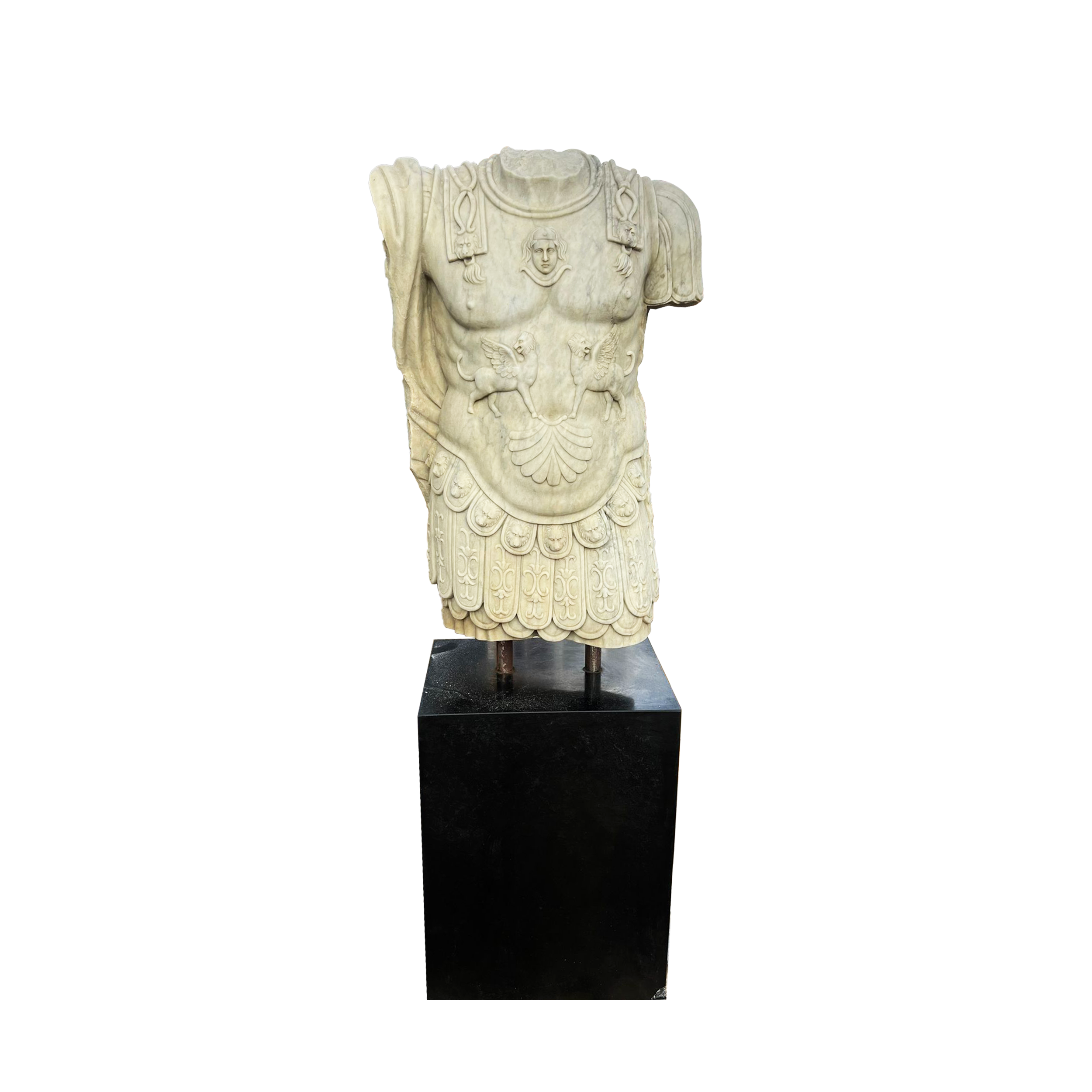
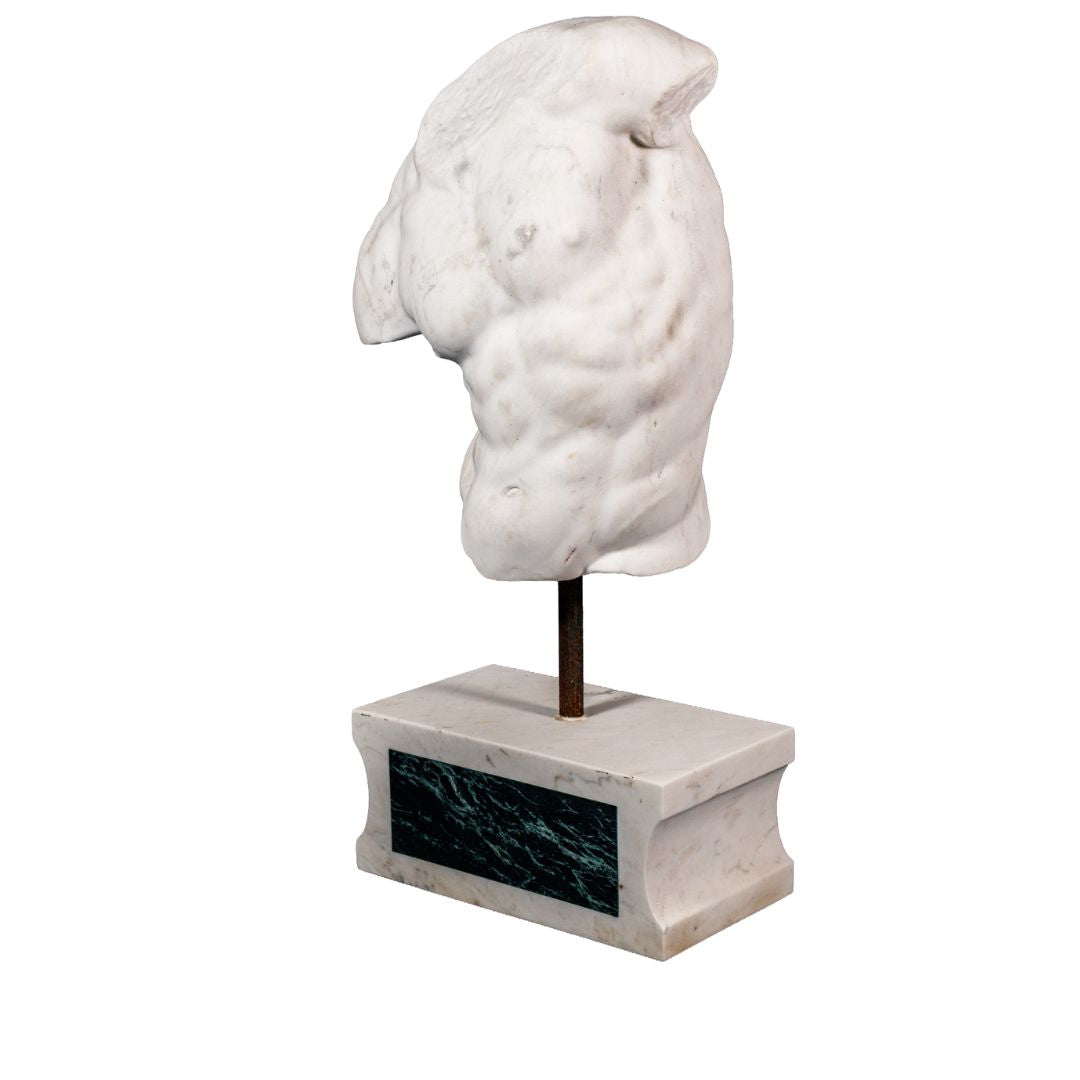
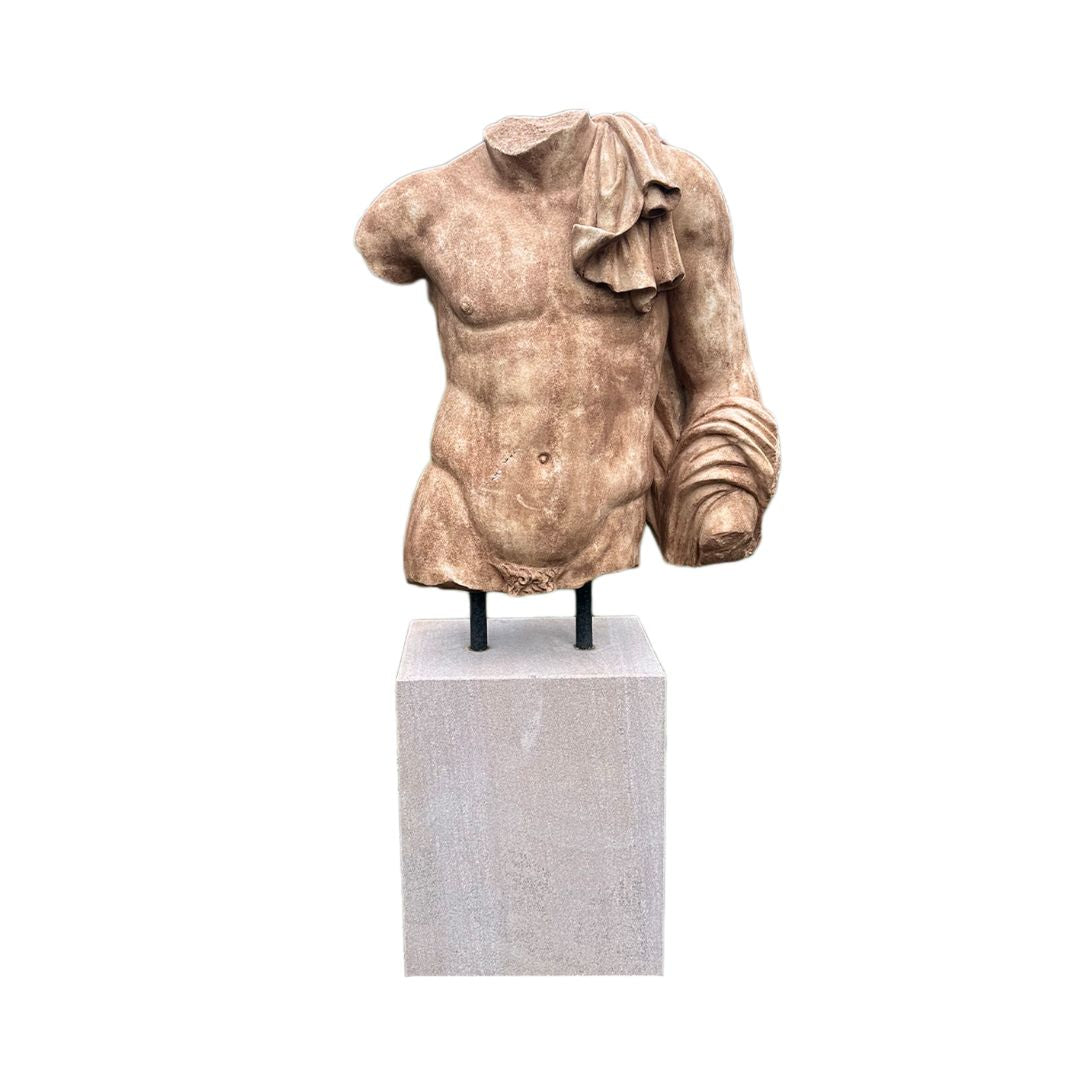
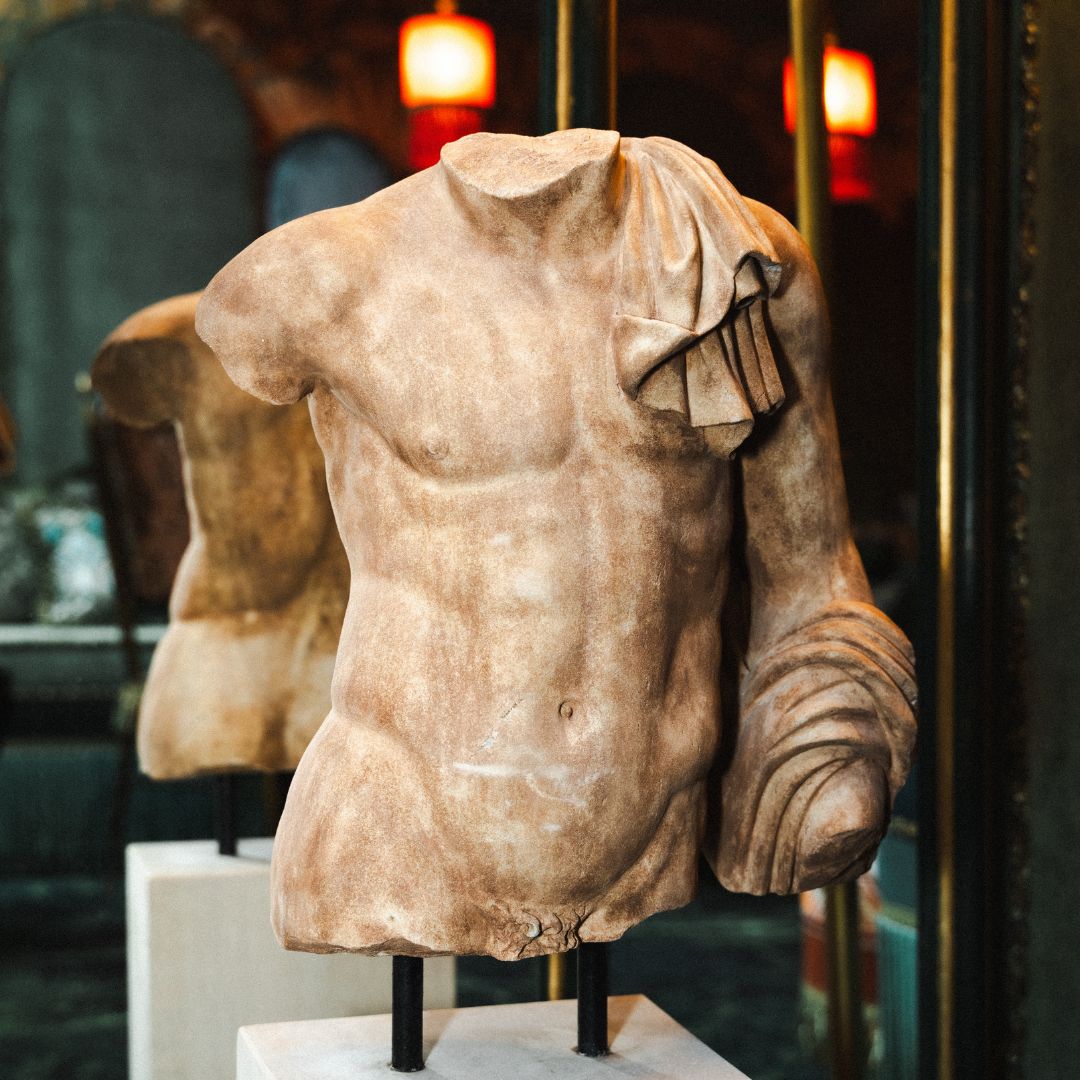
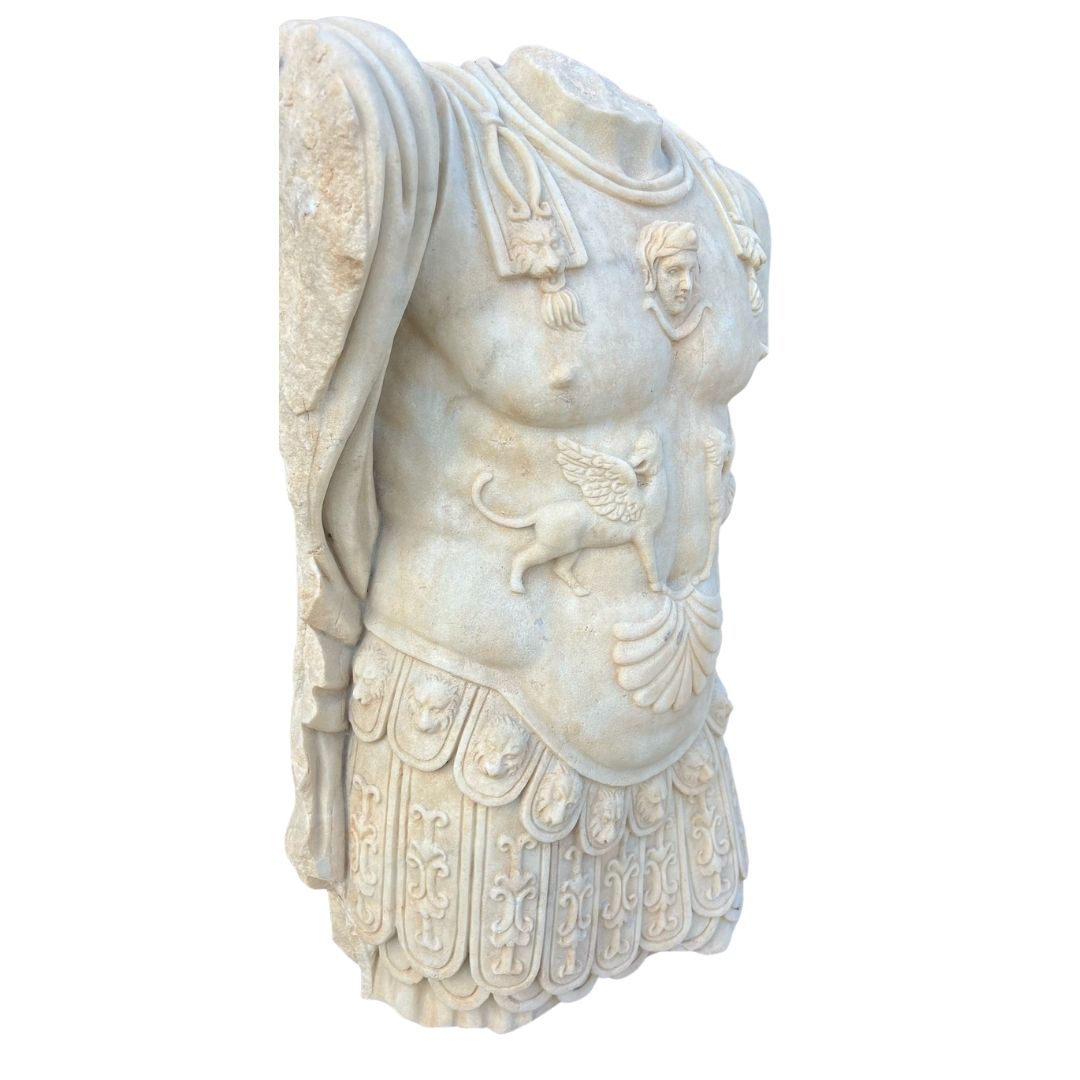
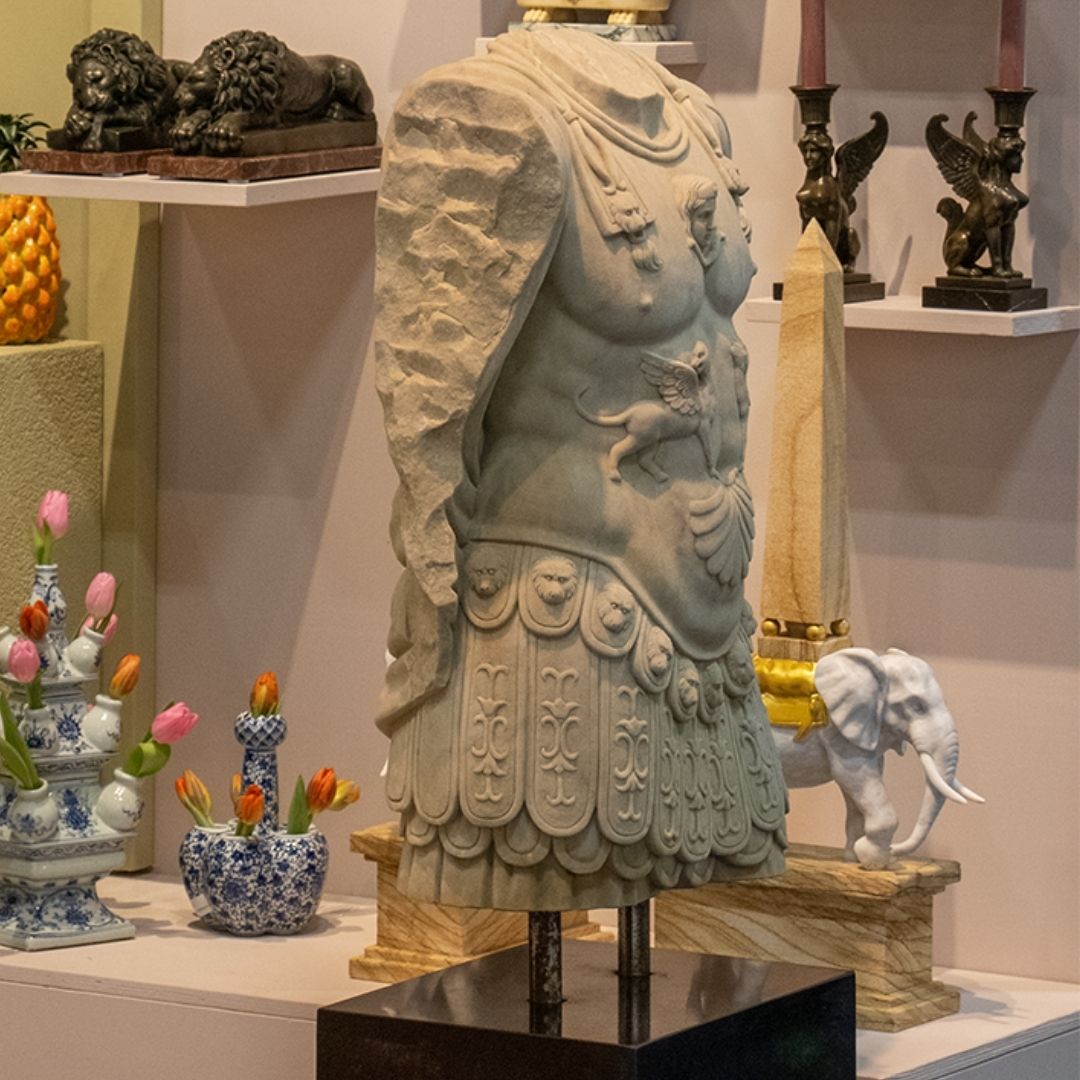
The torso is a central theme of the collection: a classical celebration of the human body. Consider the powerful Roman Torso with Cuirass and Paludamentum or the Roman Marble Torso, a male nude in which the Greek influence shows. For a study or library we often suggest a set of marble medallions with Roman emperors: it adds a classical accent and a tangible sense of history and learning.
Mythical Creatures and Marble Animals
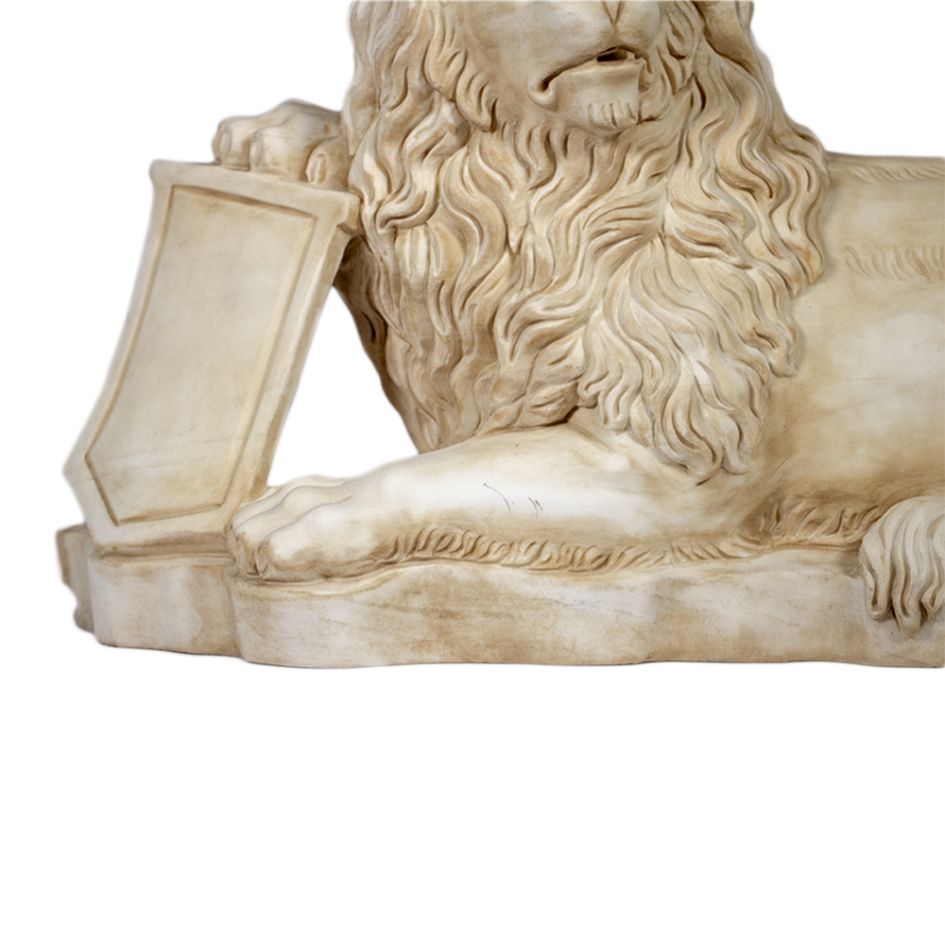
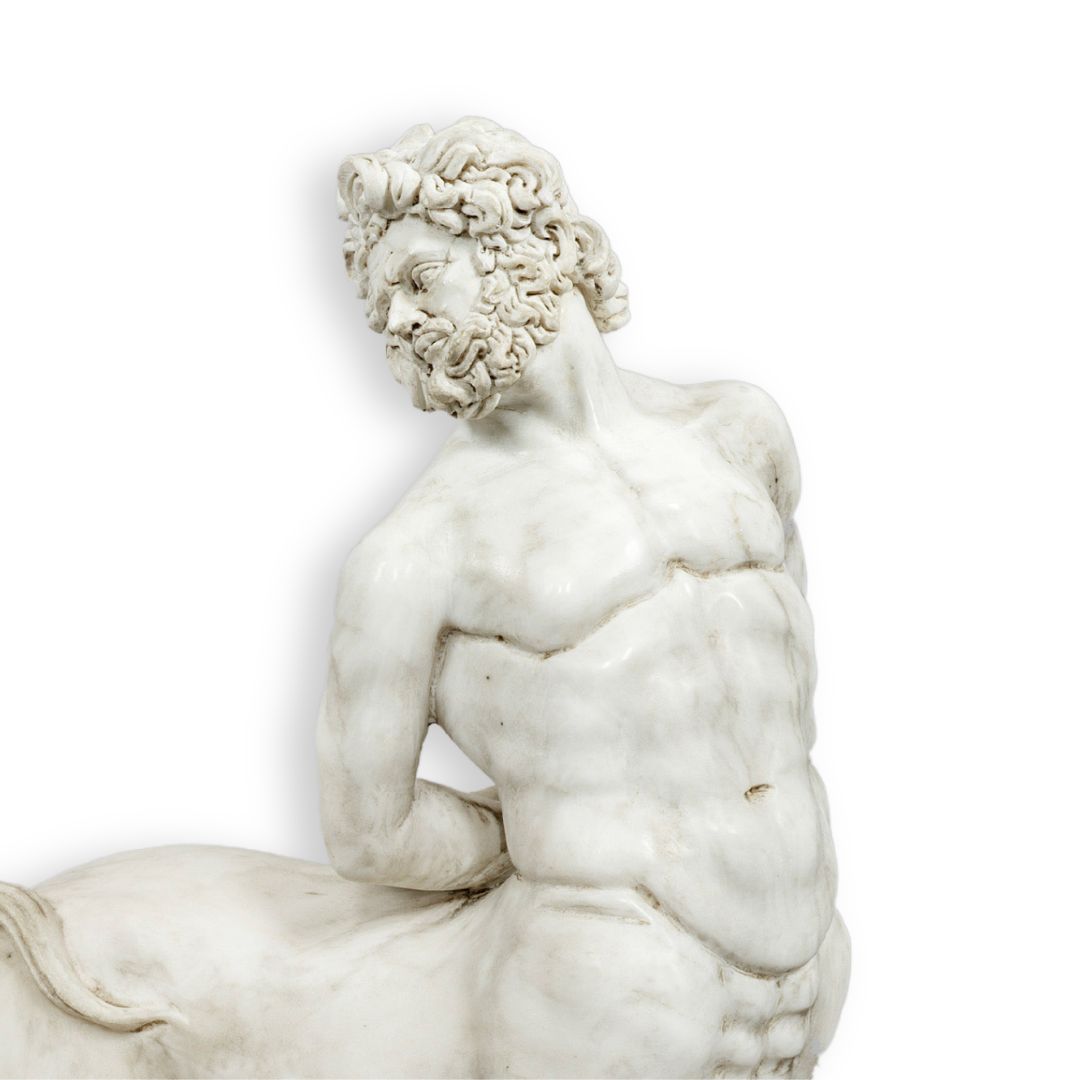
Roman art was rich in animal figures with symbolic meaning. We are drawn to the imposing marble lions that once guarded ancient gateways and to the tension of the Borghese centaurs. The centaurs come as a pair and give an entrance hall or drawing room a lively, almost theatrical character.
Architecture in Miniature: Roman Temples
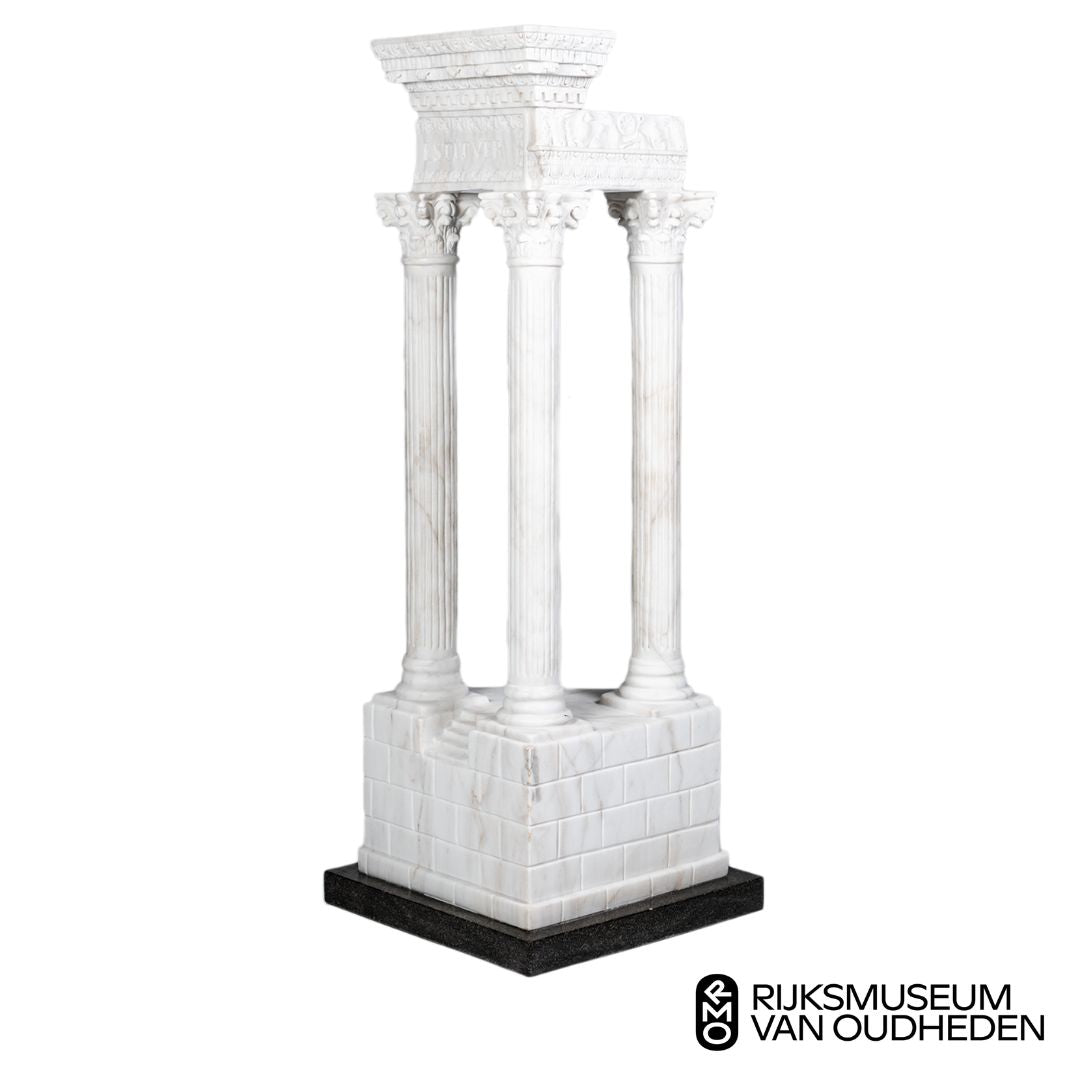
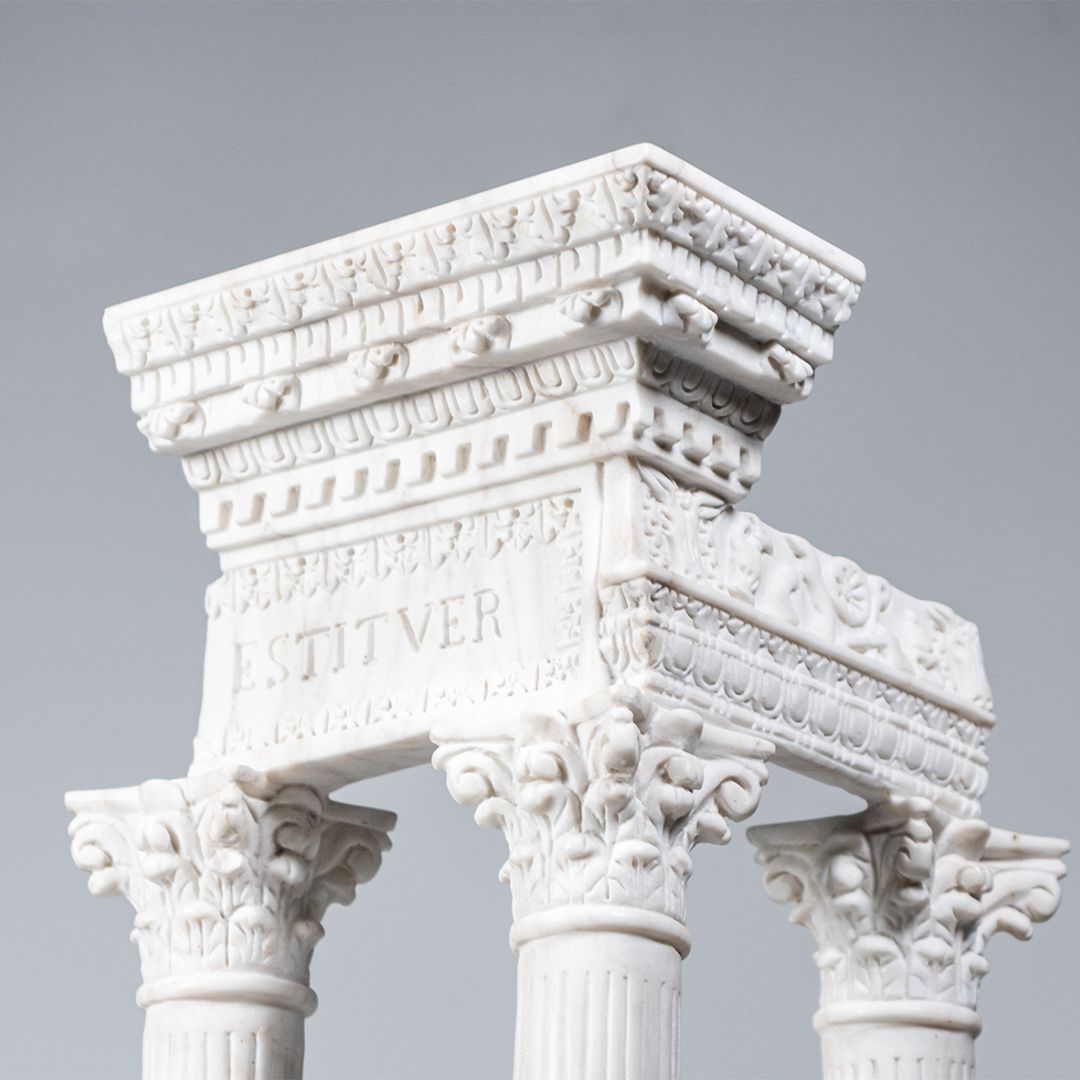
To bring the atmosphere of the Roman Forum into a present-day space, we have gathered architecture in miniature, such as the Temple of Vespasian model or its version in white veined marble. These pieces give a room a story and show a classical taste – which is how we see art and interior design meeting.
Greek Statues of Men: Torsos and Heroes
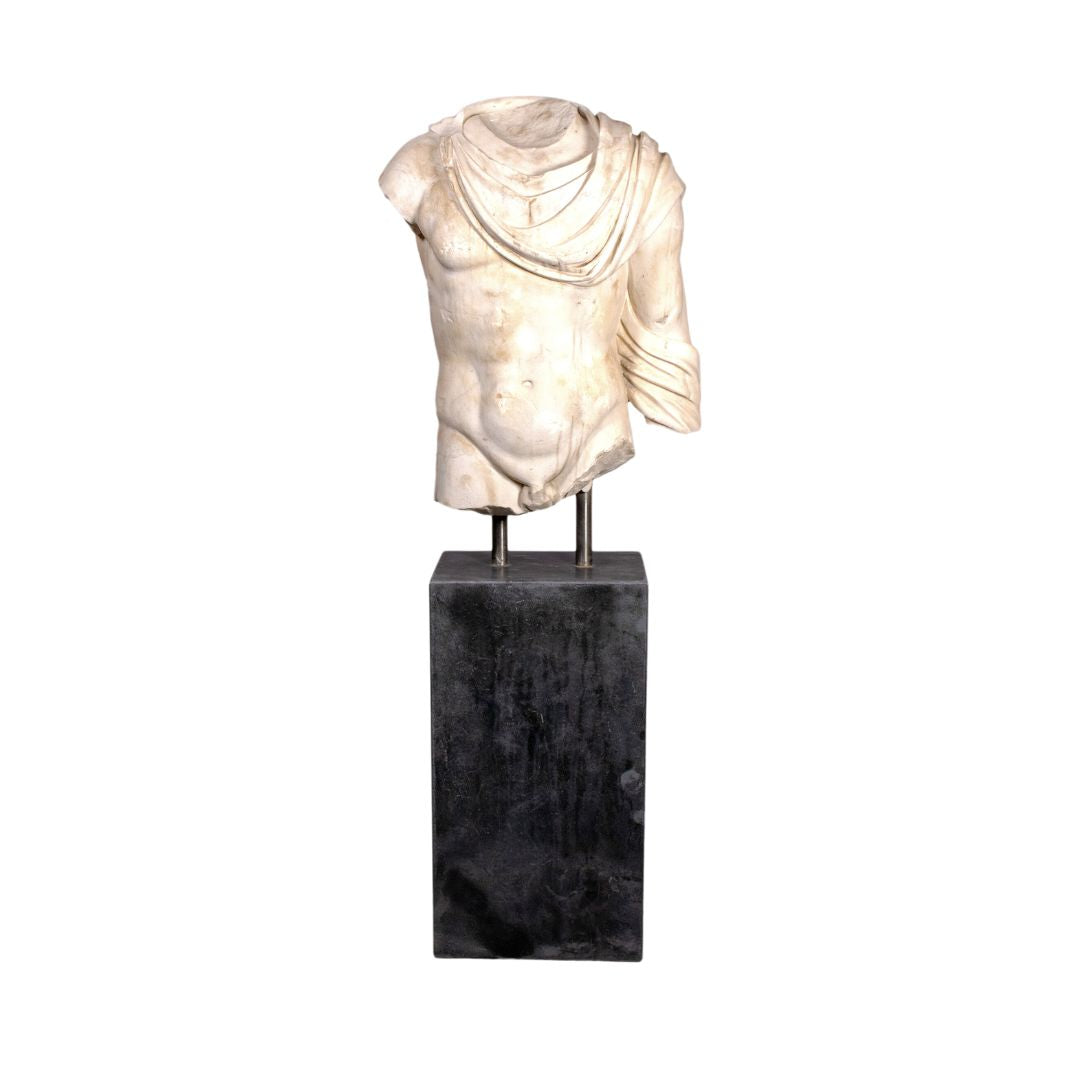
The male figure stood at the centre of Greek art. Our marble torsos pay tribute to that ideal, which ran from the proportions of the athlete to the strength of mythical heroes such as Heracles. They convey vigour, balance and an idealised beauty, and are enough to set the character of a room.
Women and Goddesses in Greek Statues
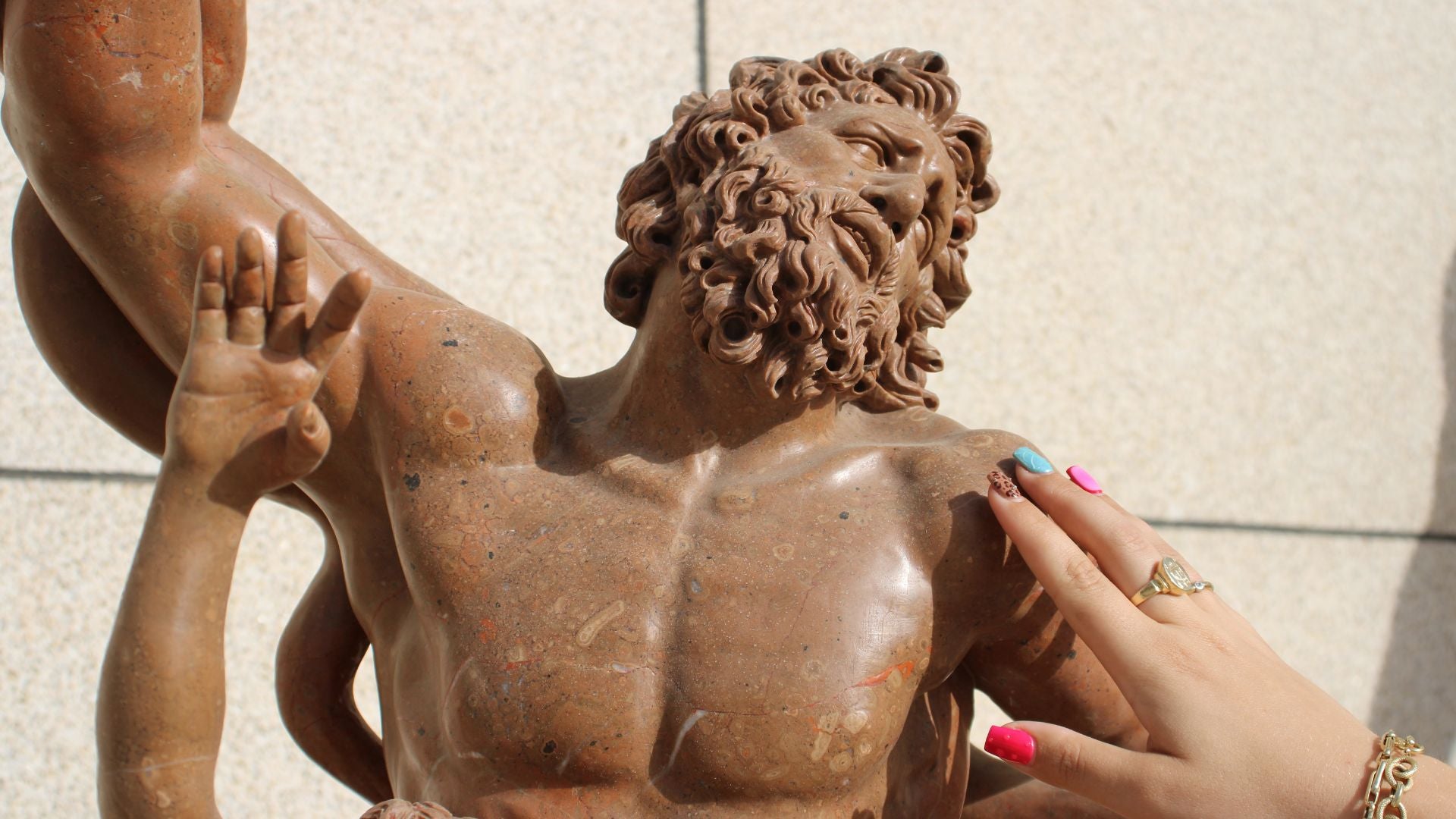
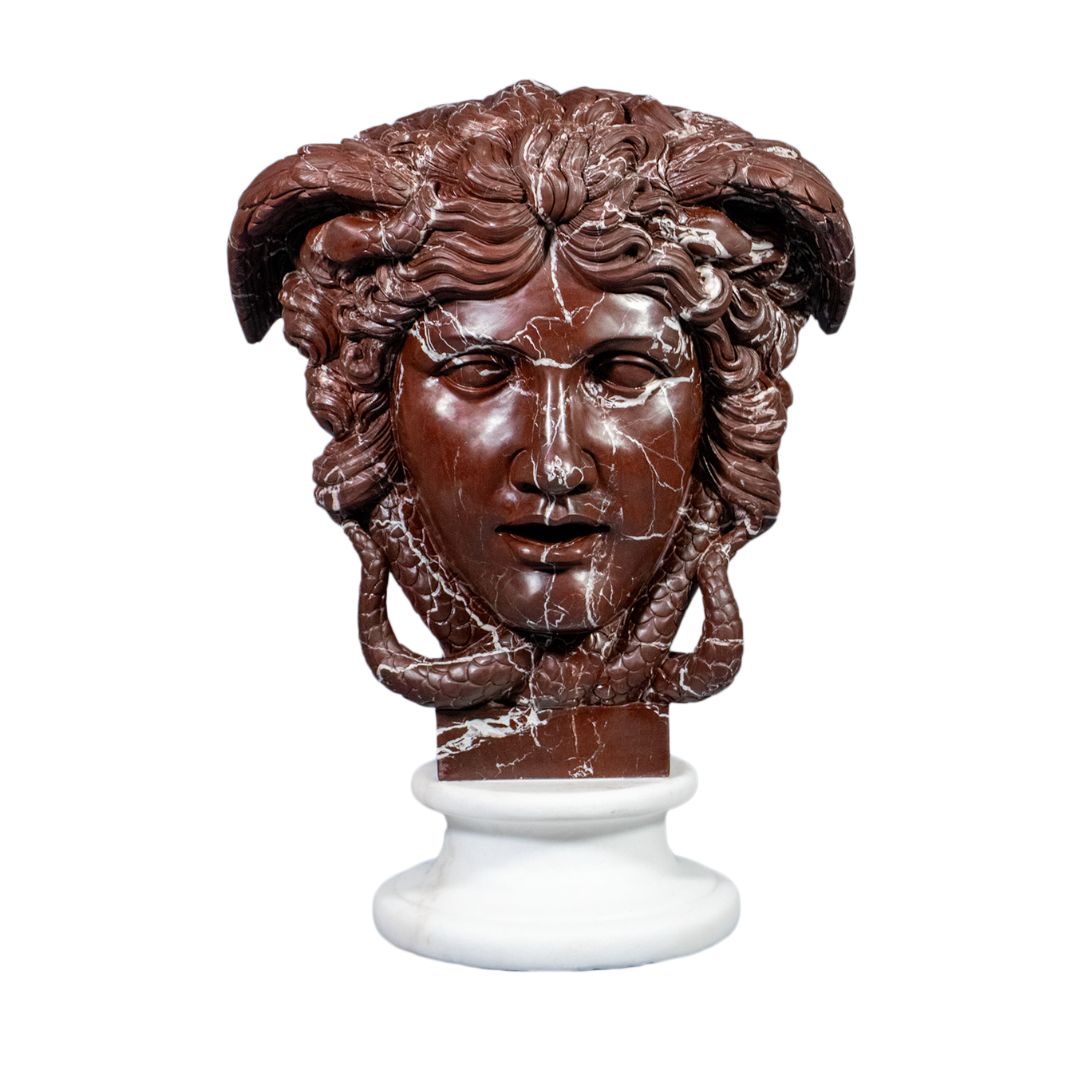
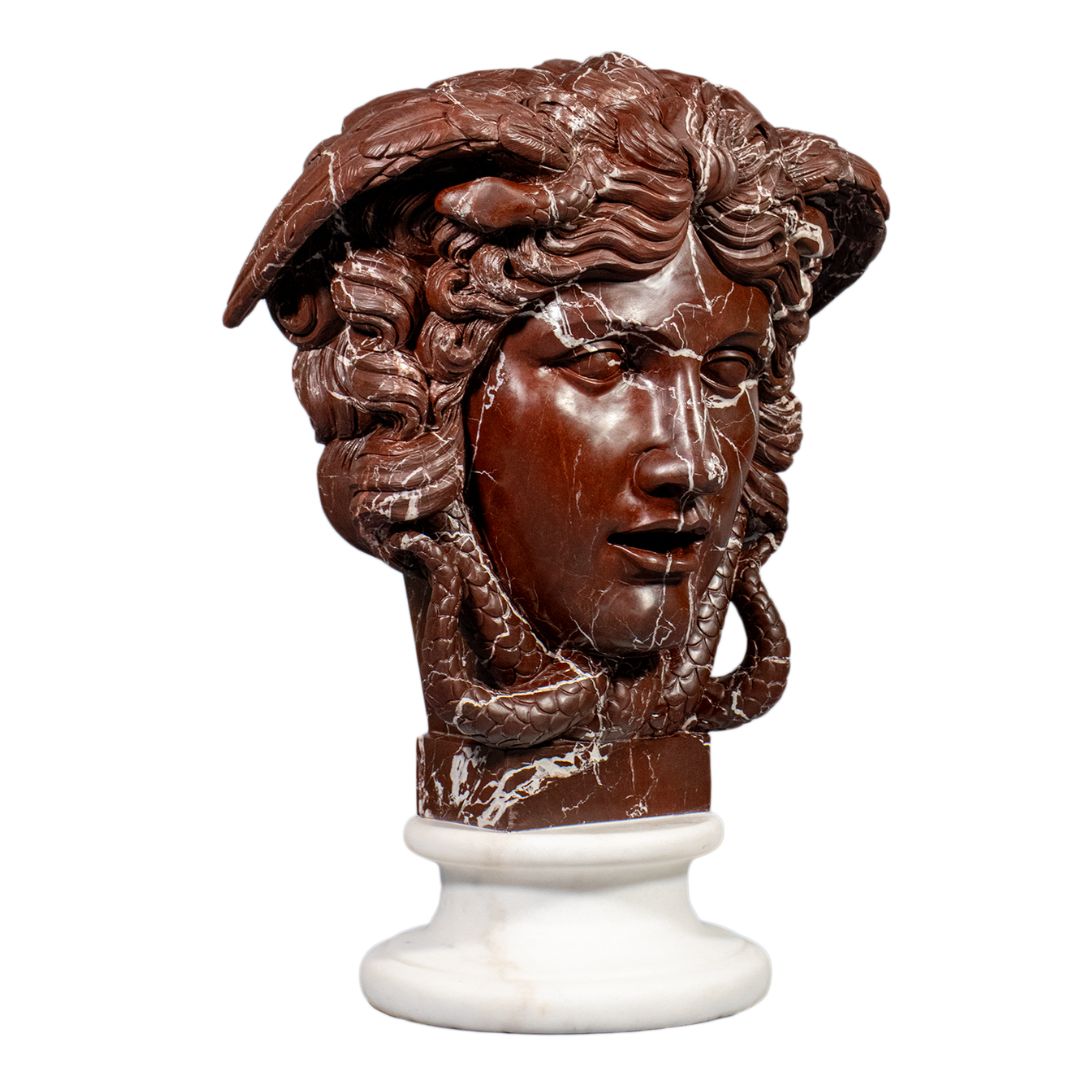
In Greek sculpture, female figures carry the grace of goddesses such as Aphrodite (Venus), Athena and Artemis: the folds of the drapery and the serene expression make them images of beauty and calm. In our collection that calm carries over into a face from mythology, the head of Medusa in Rosso Levanto.
Sculptures of Greek Gods and Mythological Figures
Mythology runs through our Greek-themed sculptures. From Zeus, supreme god of Olympus, to the Gorgon Medusa and the centaurs, each piece tells a story of its own. Beyond decoration, they are conversation pieces that add a narrative layer to an interior.
What Is the Difference Between Greek and Roman Sculpture?
It is a central question for anyone approaching classical art, and it underpins our selection. Knowing the difference helps in choosing with judgement.
- Greek sculpture: aimed at the ideal. Statues show perfect, almost divine bodies and serene faces of restrained expression, above all in the Classical period. The focus lay on mythology and the perfect human form, often seen in the dynamic contrapposto stance, with the weight of the body resting on one leg.
- Roman sculpture: aimed at realism. The Romans excelled at portraiture: their busts show real, recognisable emperors and citizens, imperfections included, and often served to display power and rank. Rome also copied Greek statues. As the Department of Greek and Roman Art at the Metropolitan Museum of Art explains, most ancient bronze statues were lost or melted down so that the metal could be reused, which is why Roman copies in marble and bronze are often the main visual record of works by famous Greek sculptors.
How to Recognise Classical Sculpture
A Greek statue can be recognised by a handful of features. Our academic training in art history allows us to point out the main ones.
- The materials: most Greek statues of antiquity were made in marble or bronze. We follow that tradition and work only in durable, noble materials; in this collection, above all hand-carved marble.
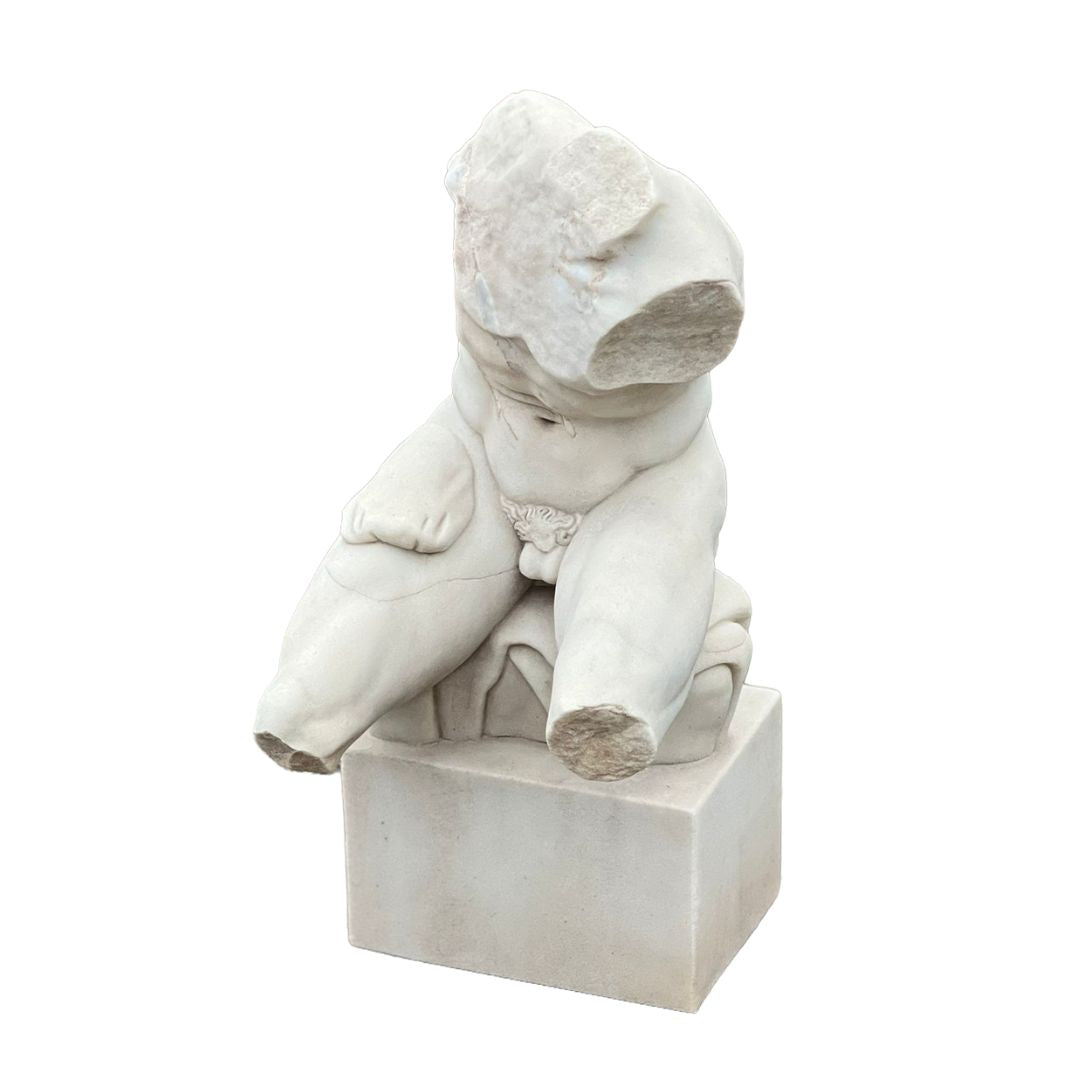
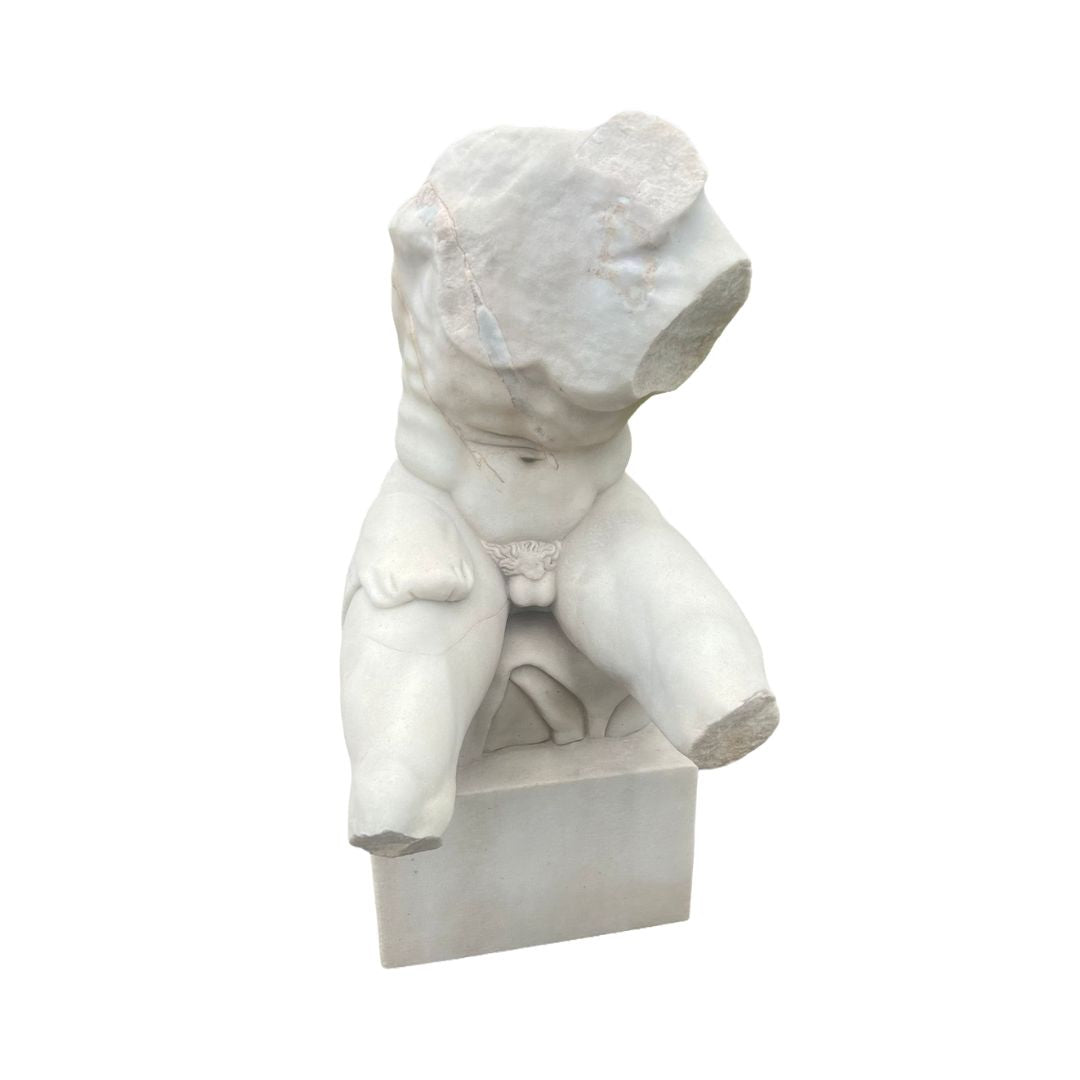
- Famous examples: think of such well-known works as the Venus de Milo or the Laocoön and His Sons. Our collection does not reproduce these two works, but draws on the same antique repertoire, from the Belvedere Torso, kept in the Vatican, to the Gaddi Torso at the Uffizi.
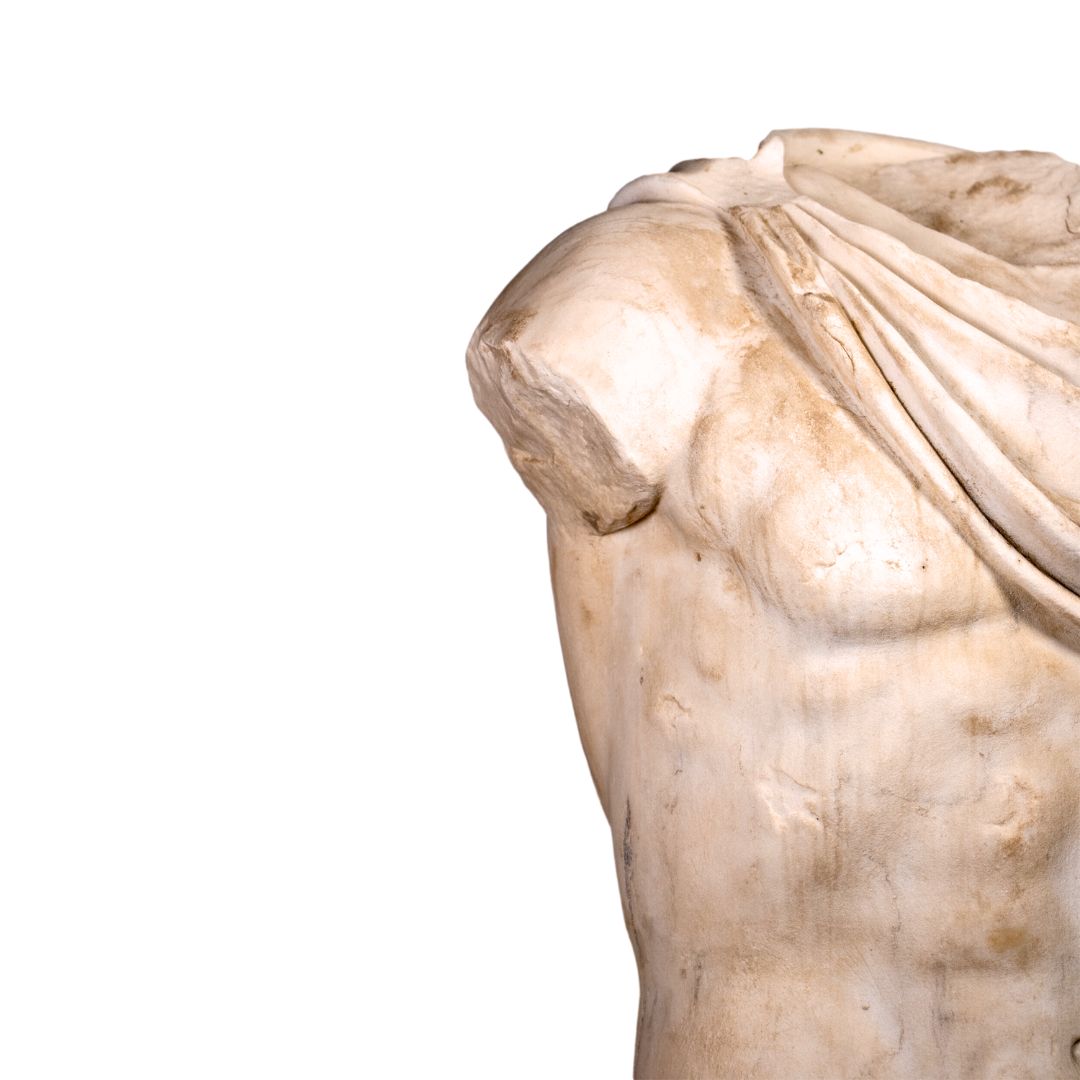
- Why do so many statues lack arms? A frequent question. Many of the statues known today are archaeological finds: after centuries underground, projecting parts such as arms, legs and noses often broke off. That 'imperfection' has become part of the classical aesthetic.
Bringing a Classical Sculpture into a Modern Interior
The art lies in letting a form with thousands of years of history sit naturally in a 21st-century interior. It is a subject on which we advise interior designers every day.
- Create a focal point: a classical sculpture on a plain plinth or a minimalist sideboard draws the eye at once and gives the room character.
- Play with contrast: the soft, organic forms of a marble torso set off straight lines, concrete or glass, opening up a visual dialogue full of tension.
- Add a story: a sculpture is more than form. It refers to history, mythology and culture, and makes a room interesting as well as beautiful.
Why Our Sculptures Are Made by Hand
In a world of mass-produced plastic (resin), we choose craft without reservation. Our passion for art translates into uncompromising standards of quality.
- Hand-carved marble: our sculptors work each marble sculpture by hand, attentive to the smallest detail and to the veining of each block. The small irregularities of handwork give the piece life.
- Lost-wax bronze: when we work in bronze, we cast by the demanding lost-wax method, which gives a depth and detail no machine can match.
An Interior as Inspiring as an Exhibition
At Kuzco Art Maison you acquire not simply a product but a carefully chosen work of art with a story of its own. Browse our Greek and Roman sculptures and find the piece that brings a room to life. We are glad to advise, so that a home or project becomes a source of daily inspiration.