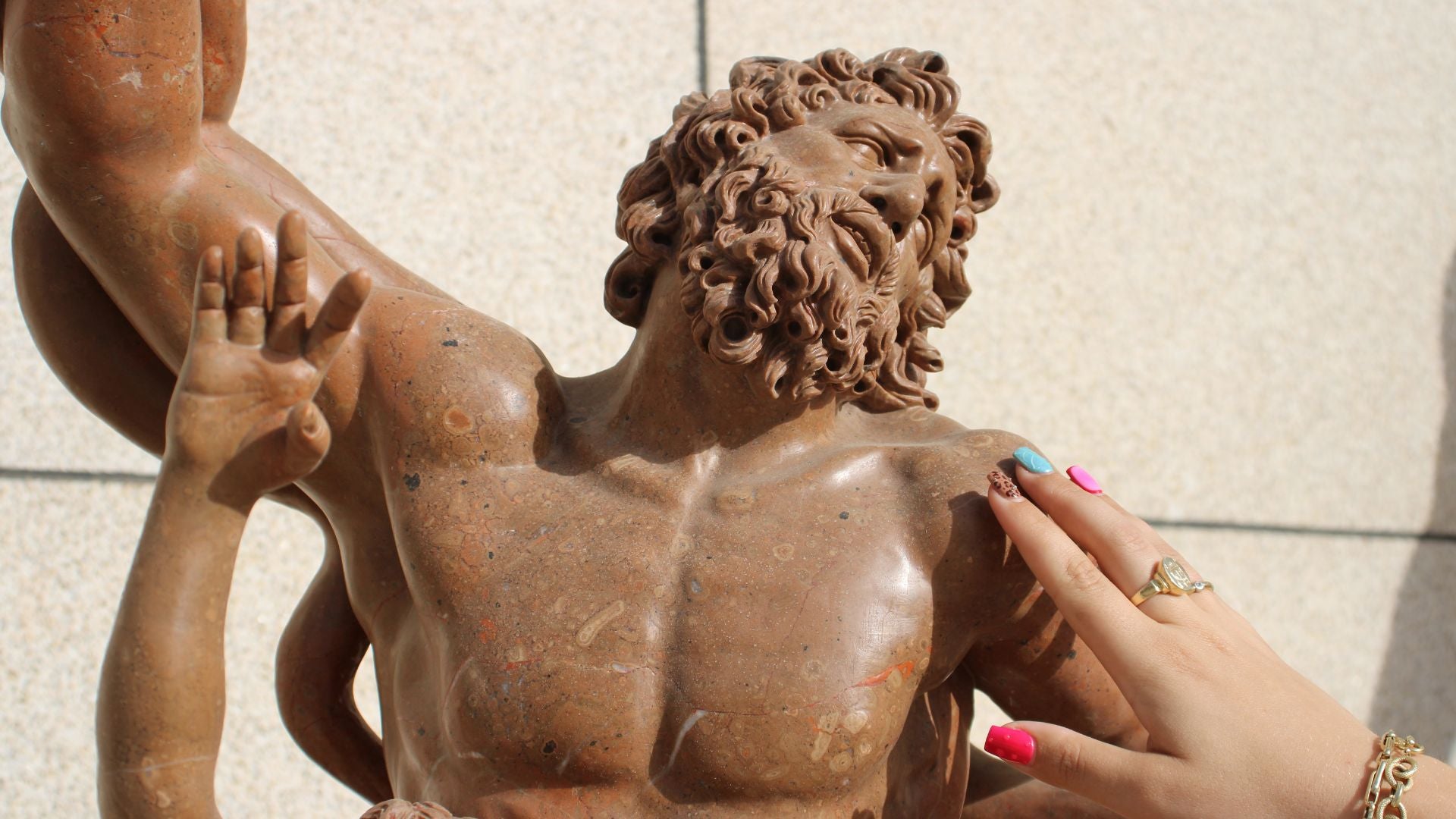
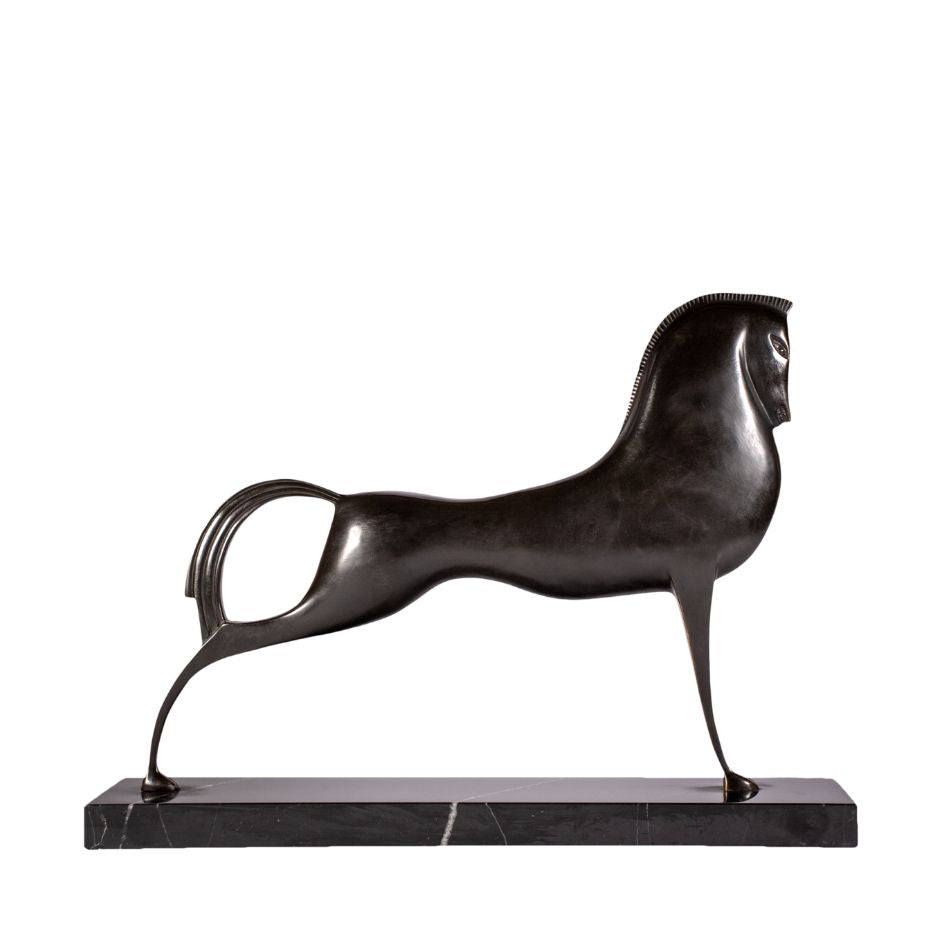
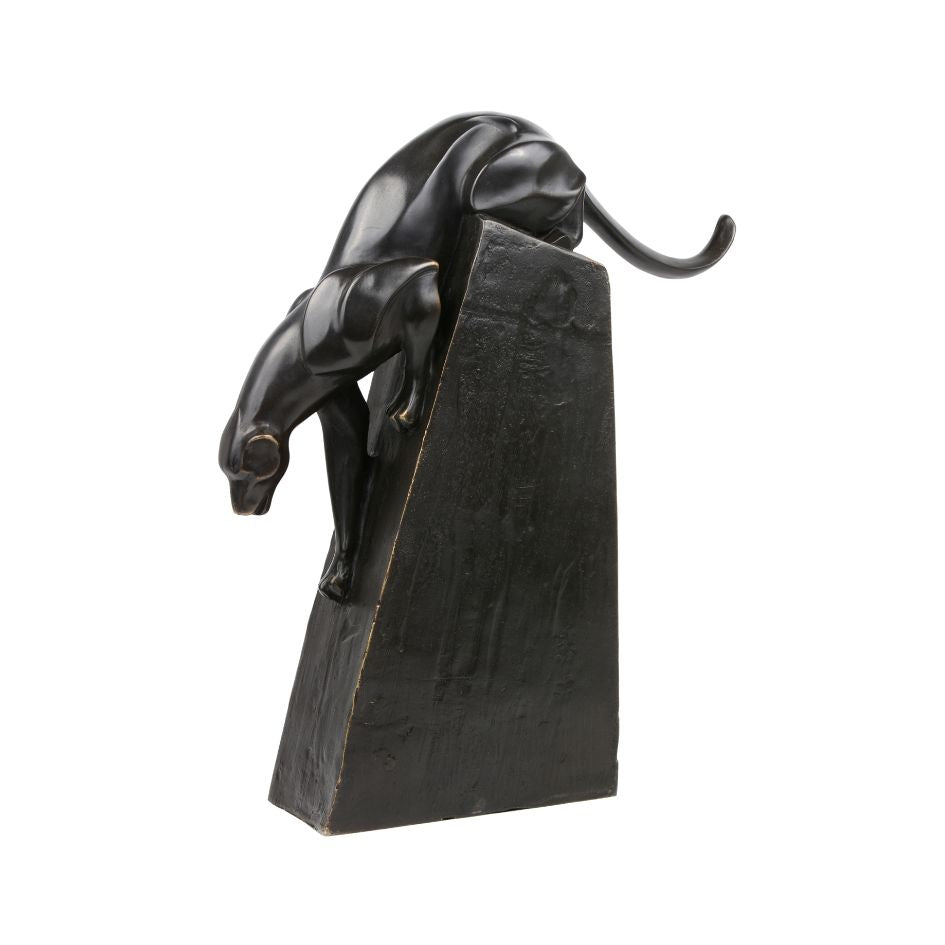
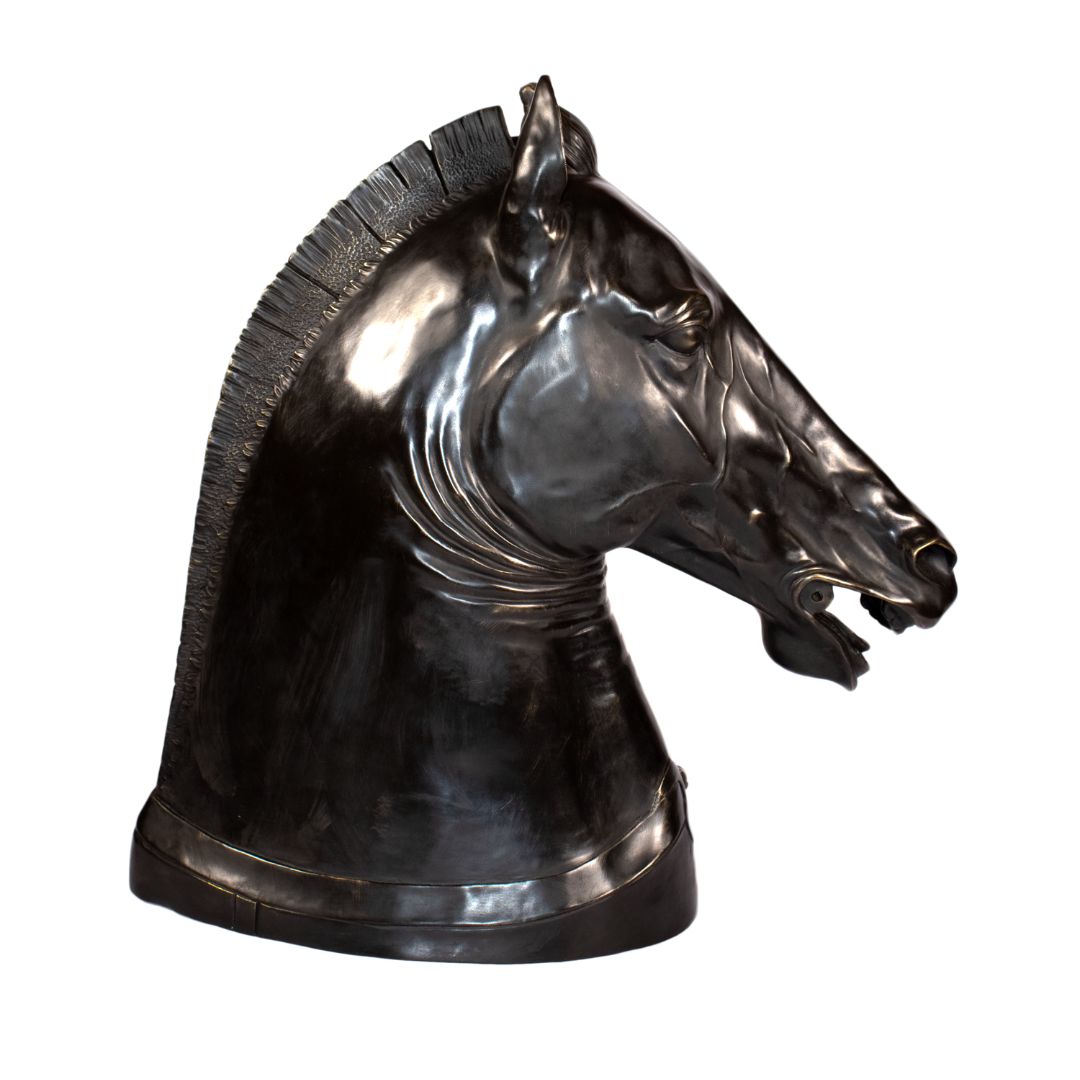

Abstract Sculptures
Discover our abstract sculptures at Kuzco Art Maison. Unique, hand-carved marble sculptures of museum quality, created as timeless works for refined interiors.
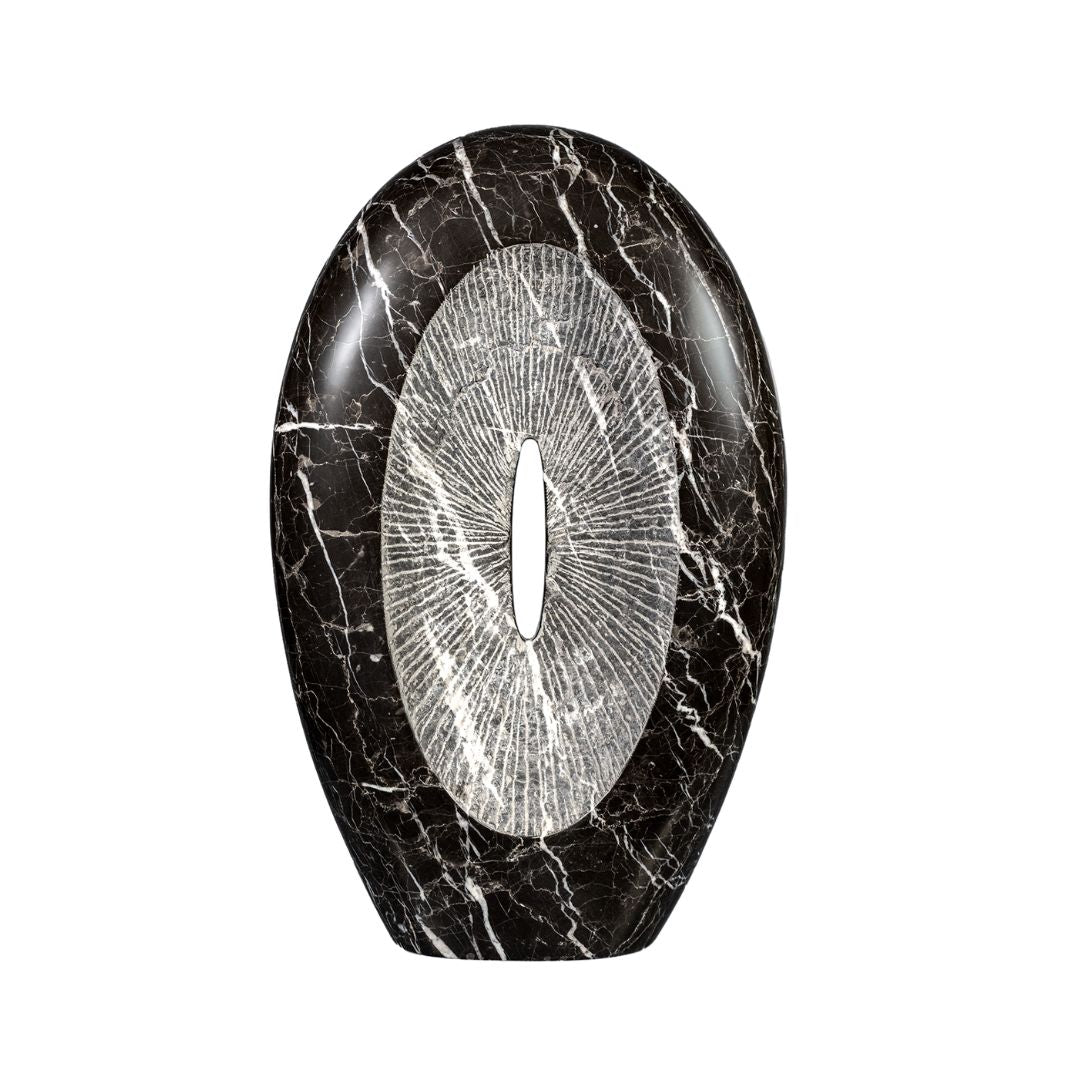
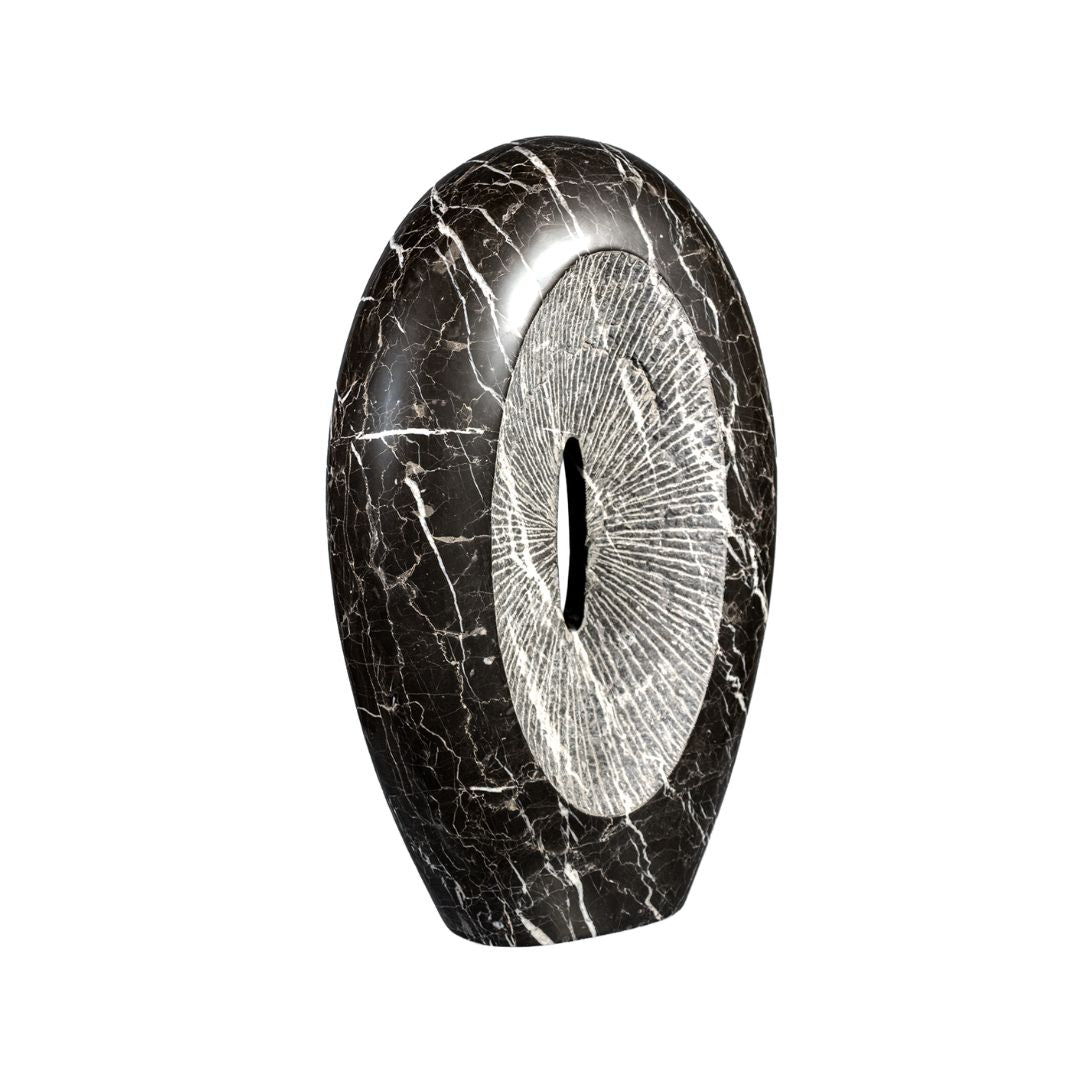
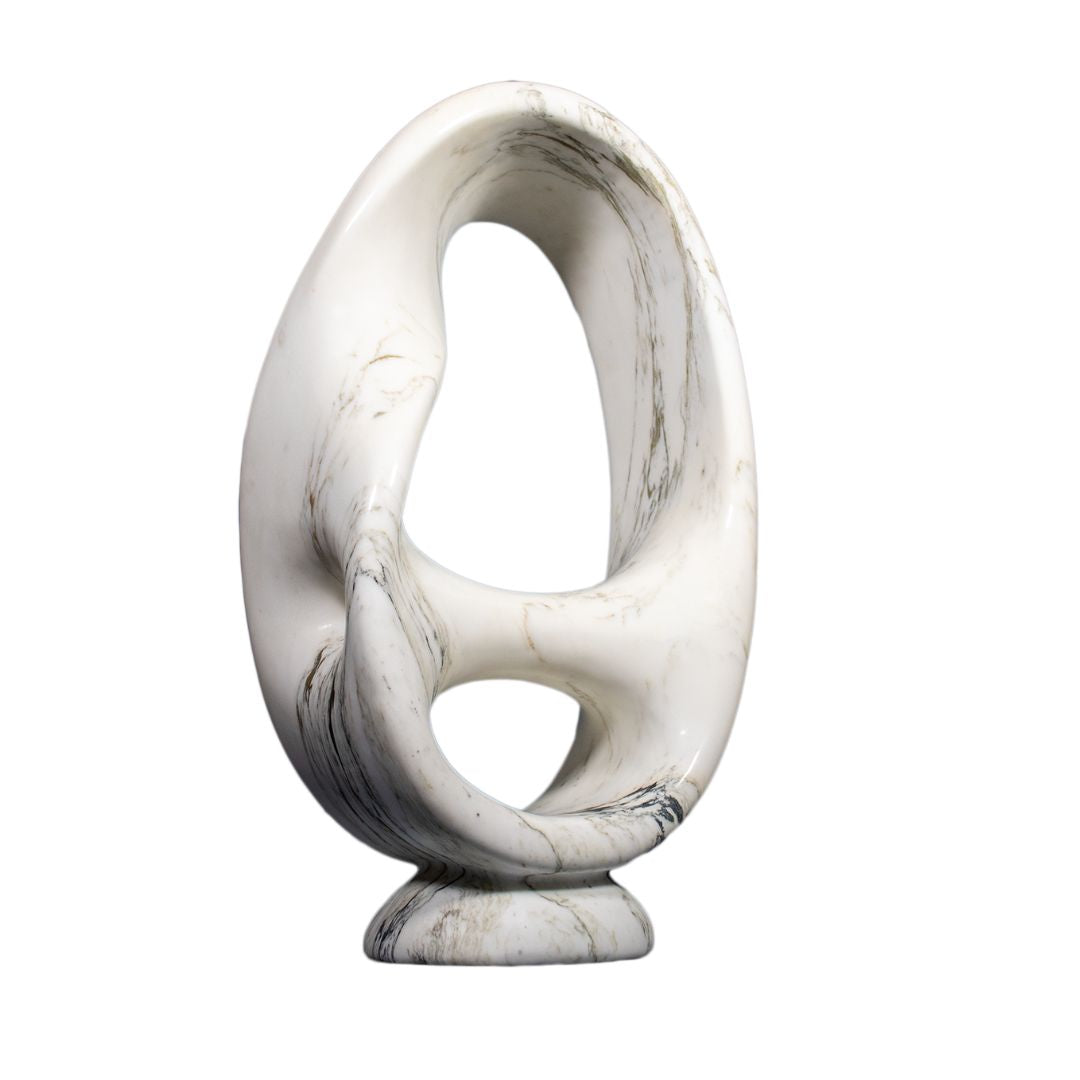
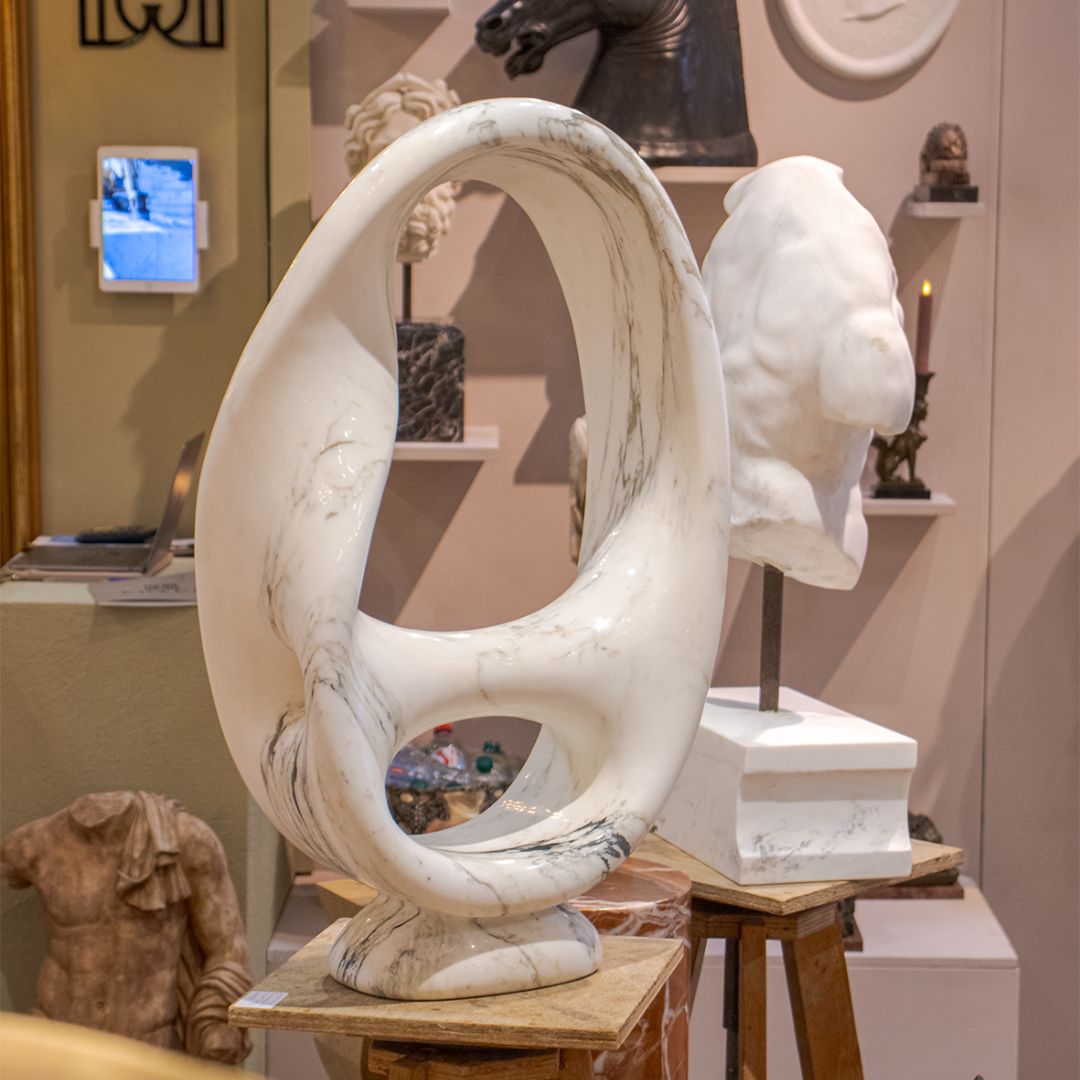
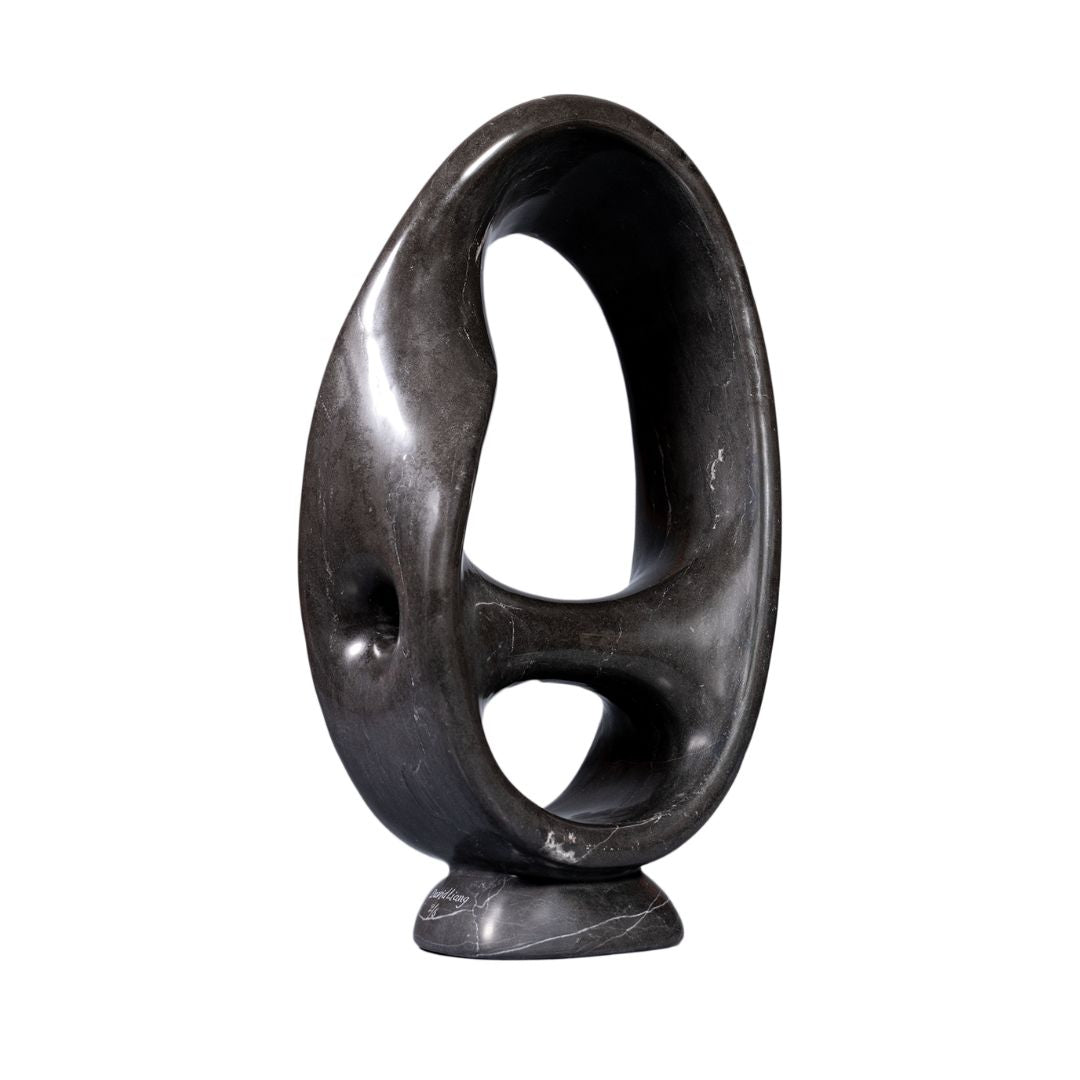
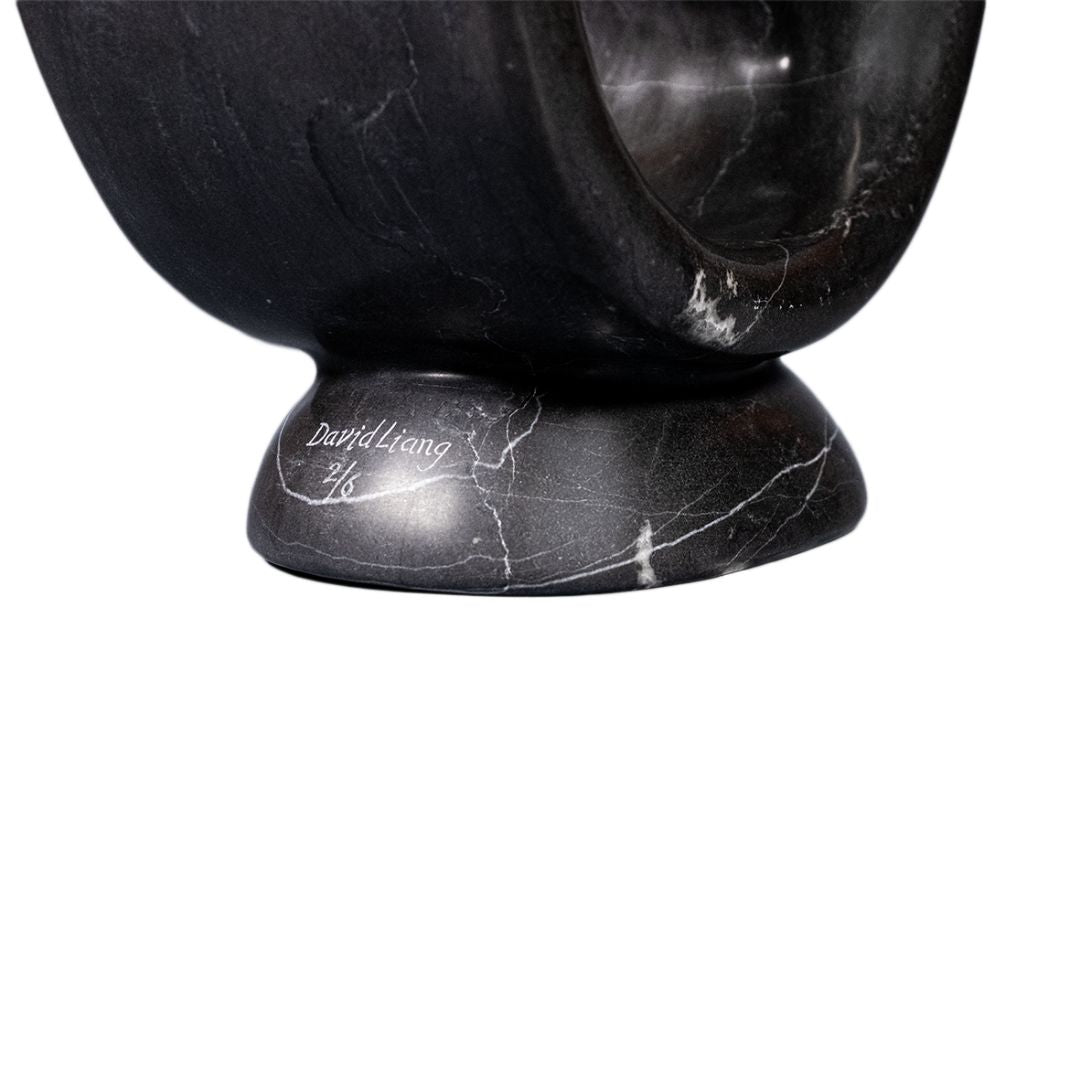
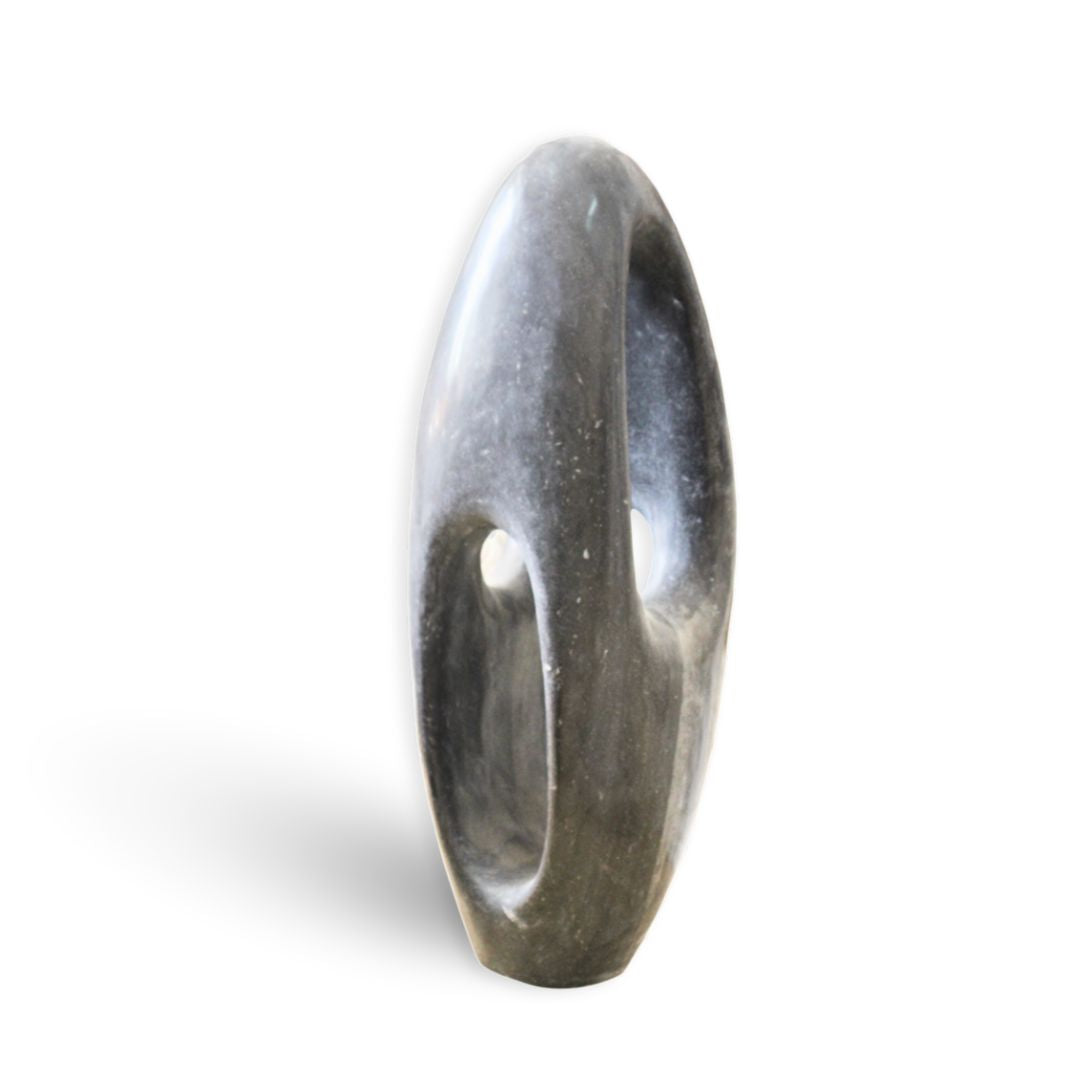
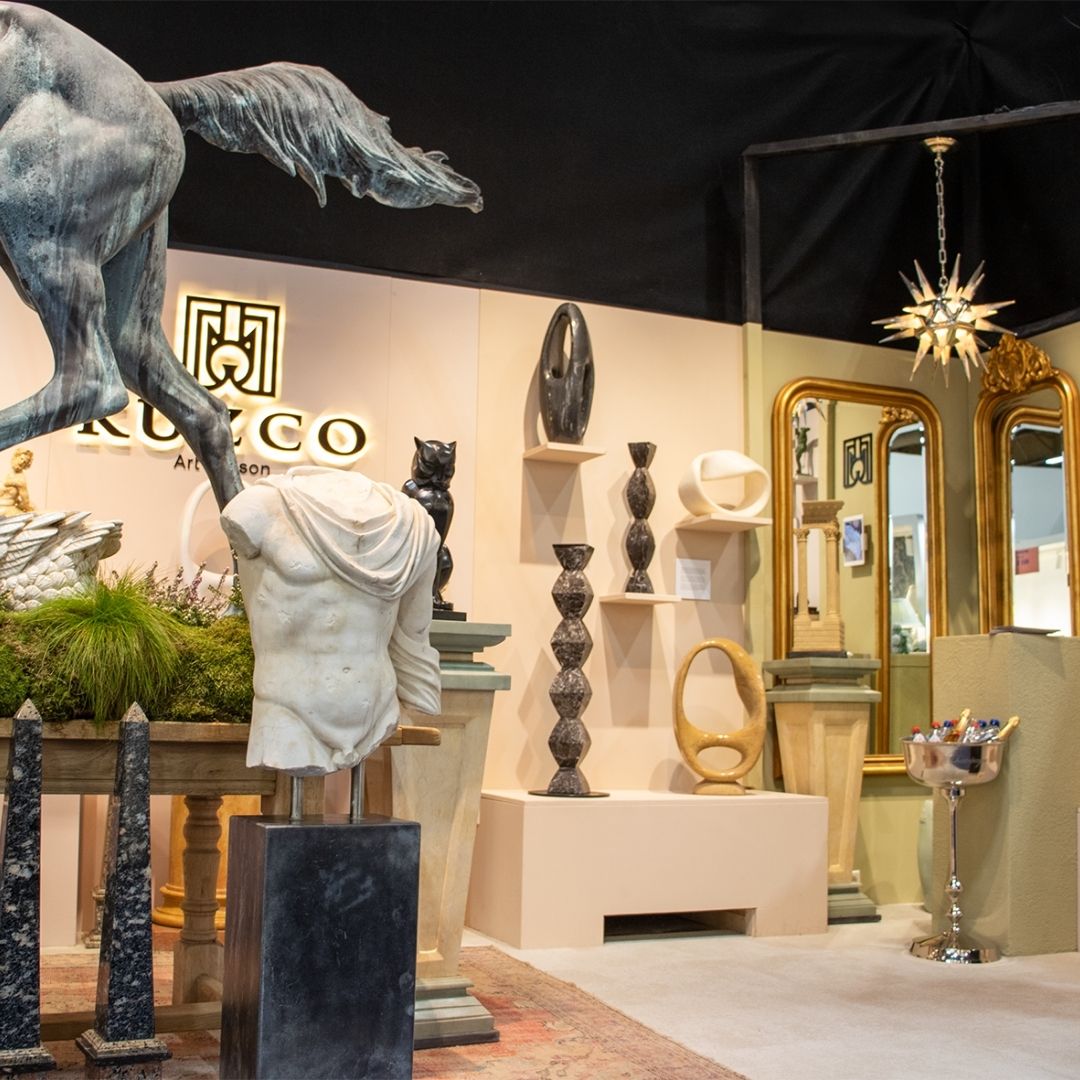
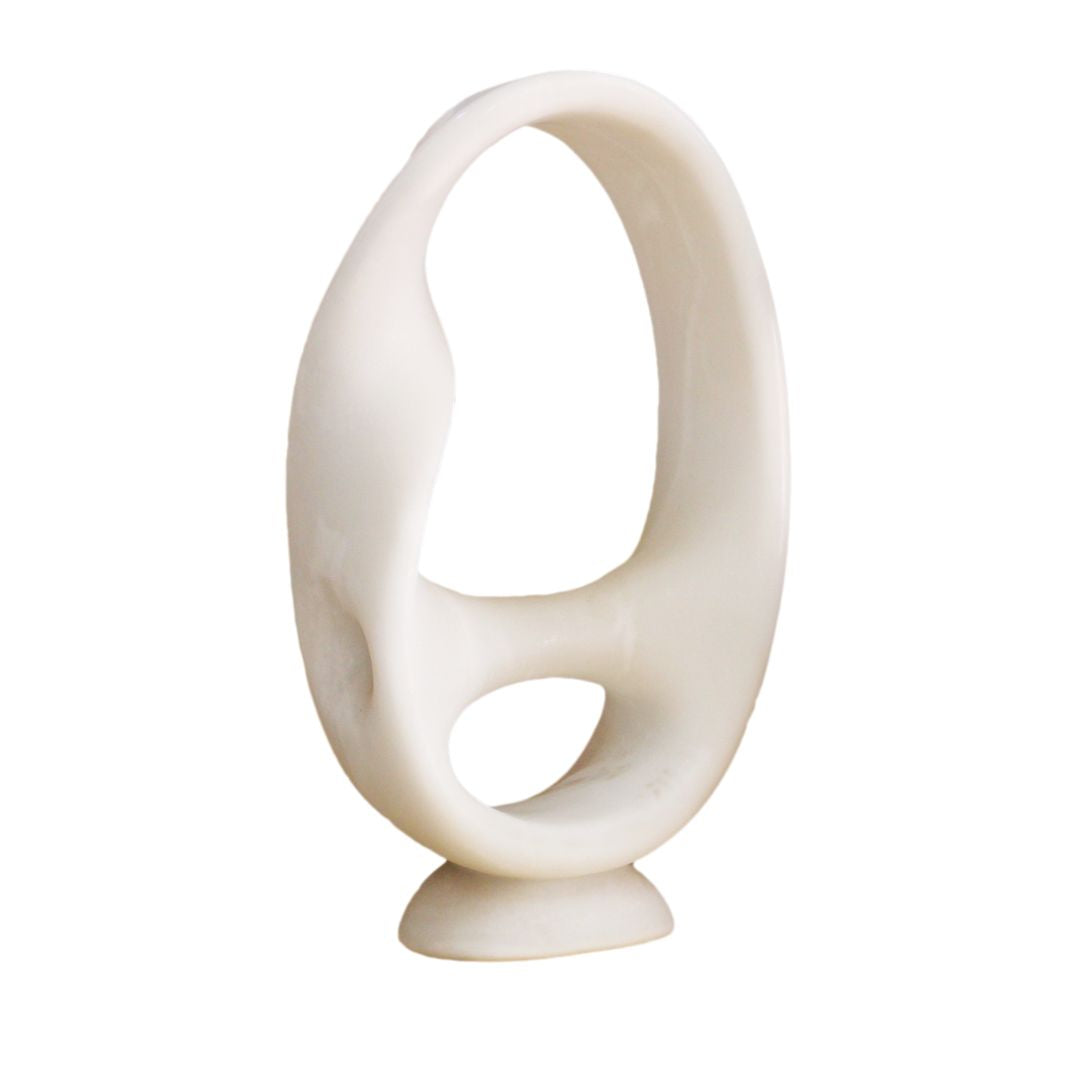
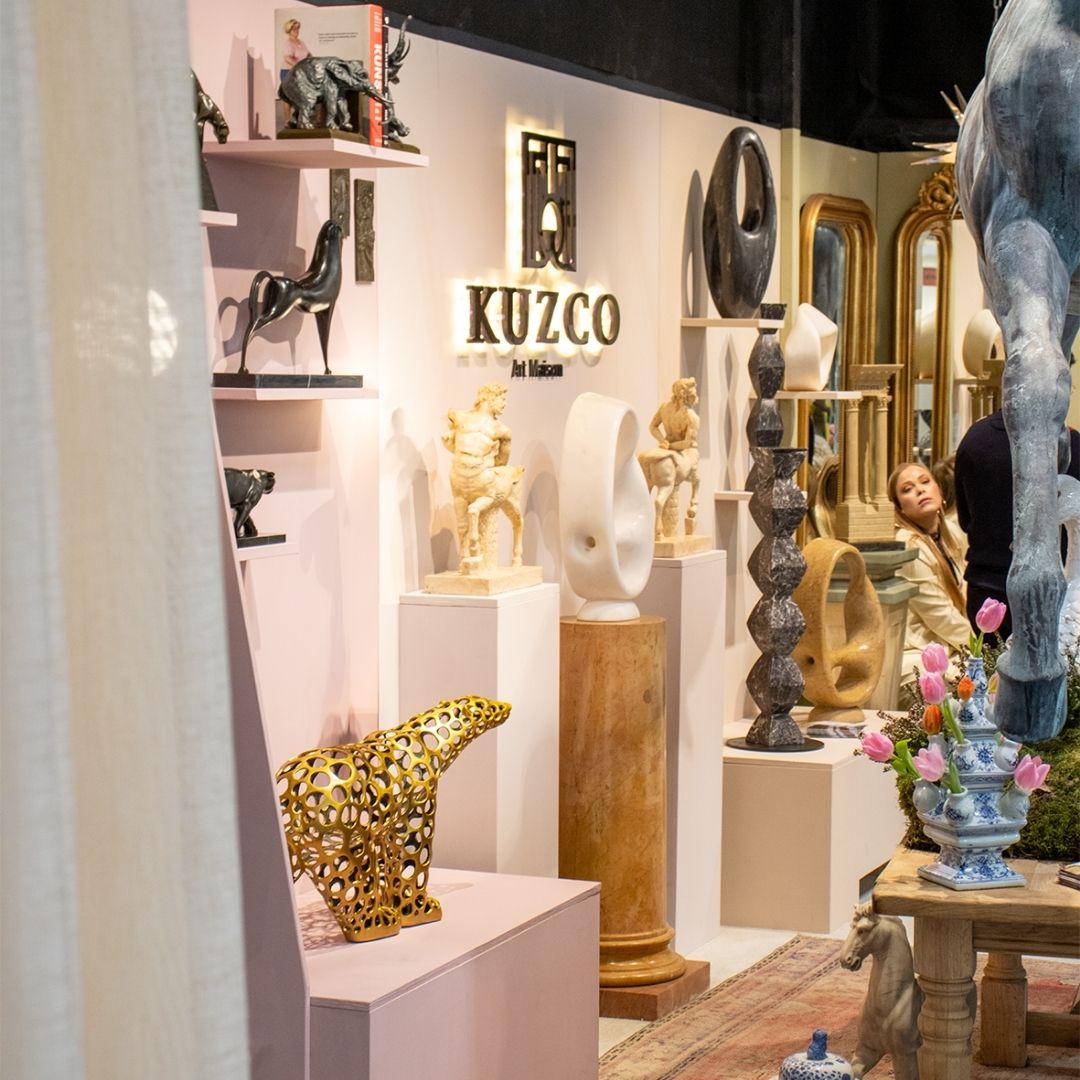
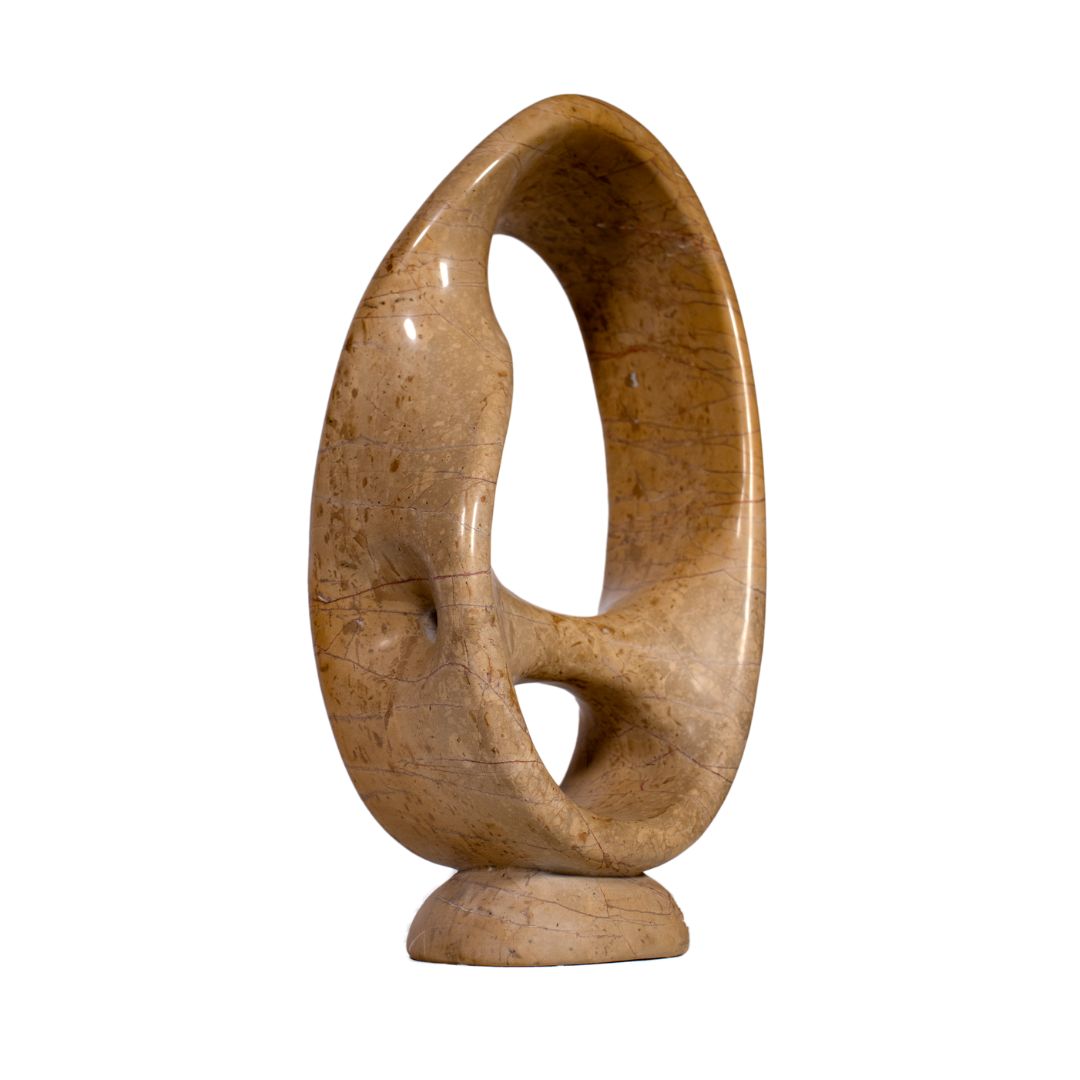
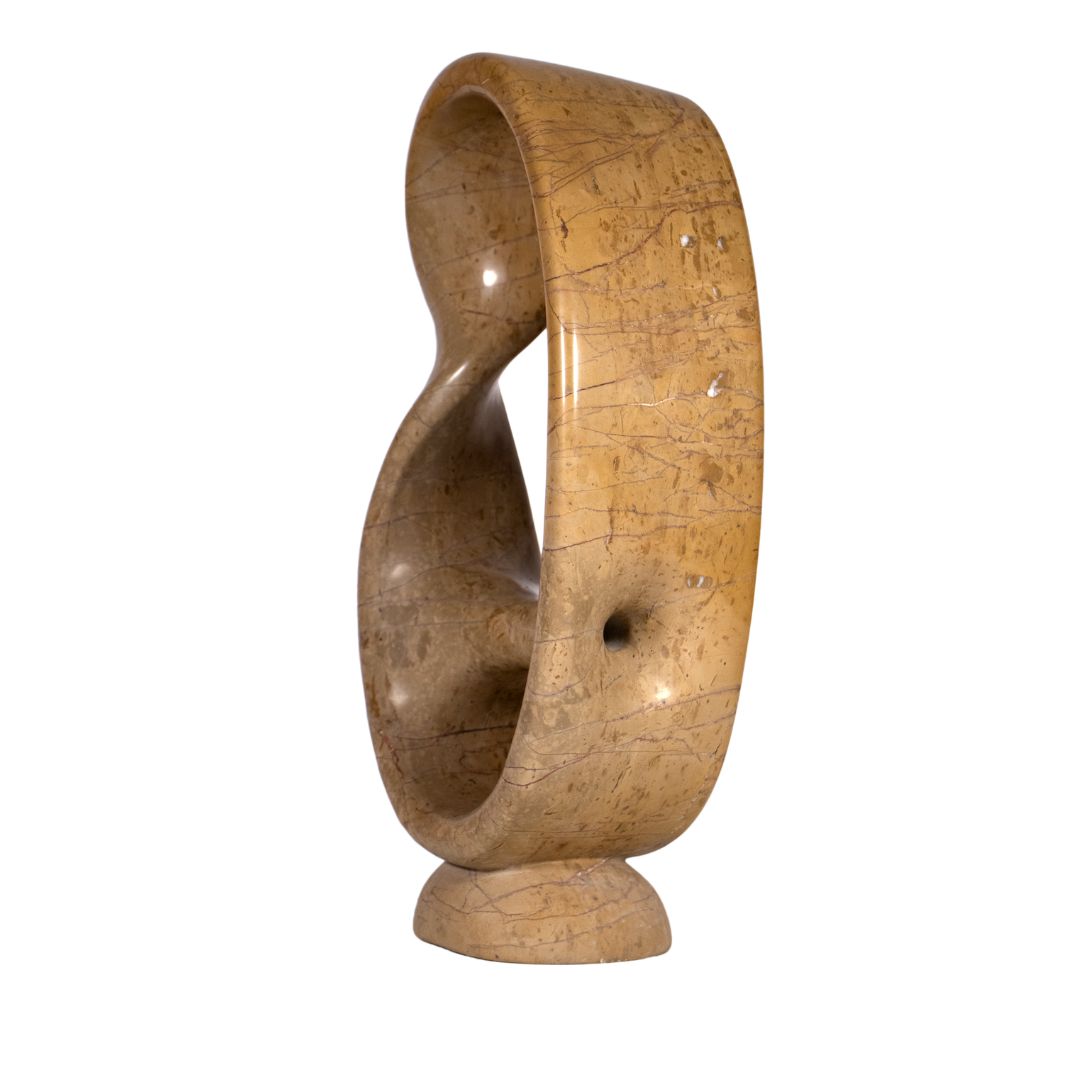
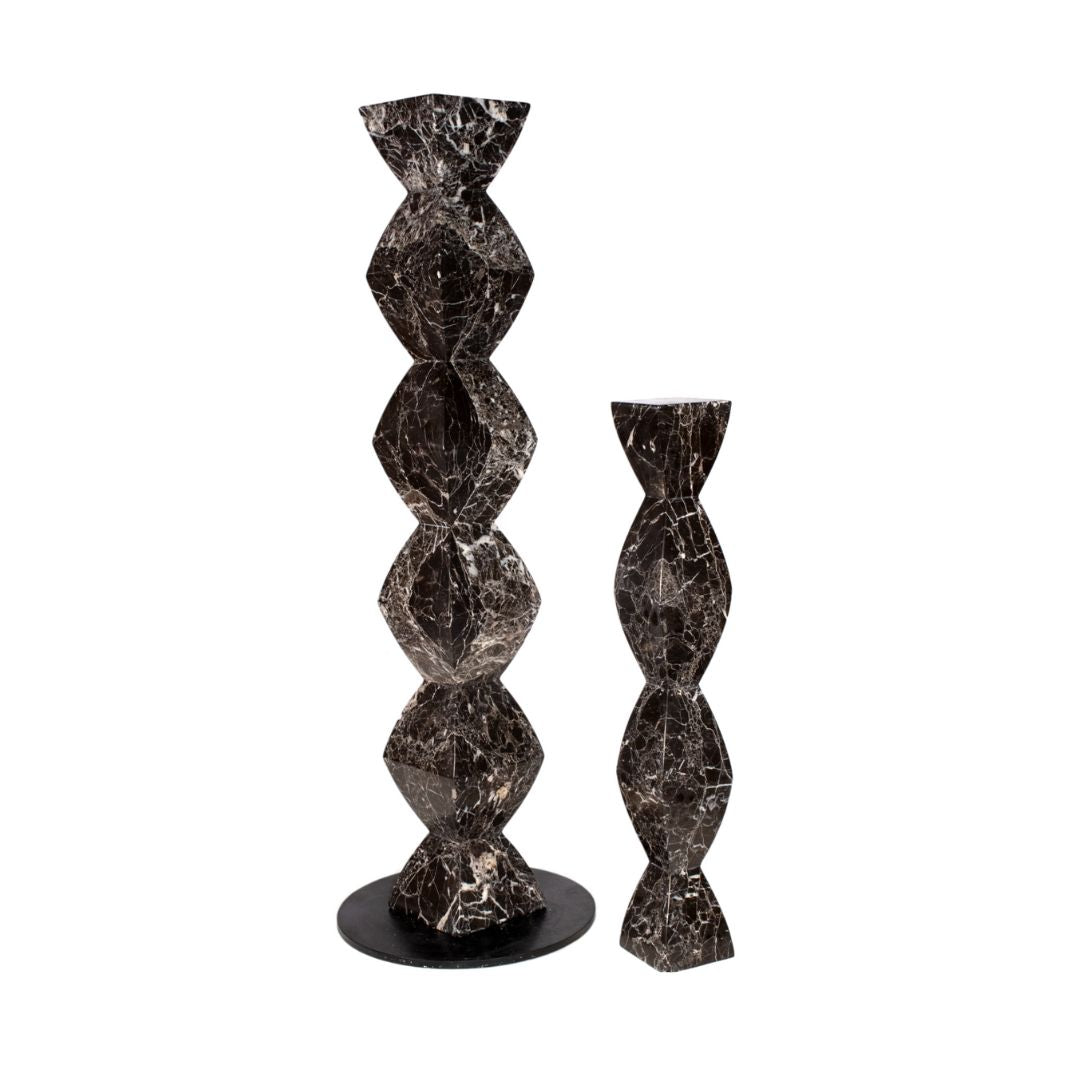
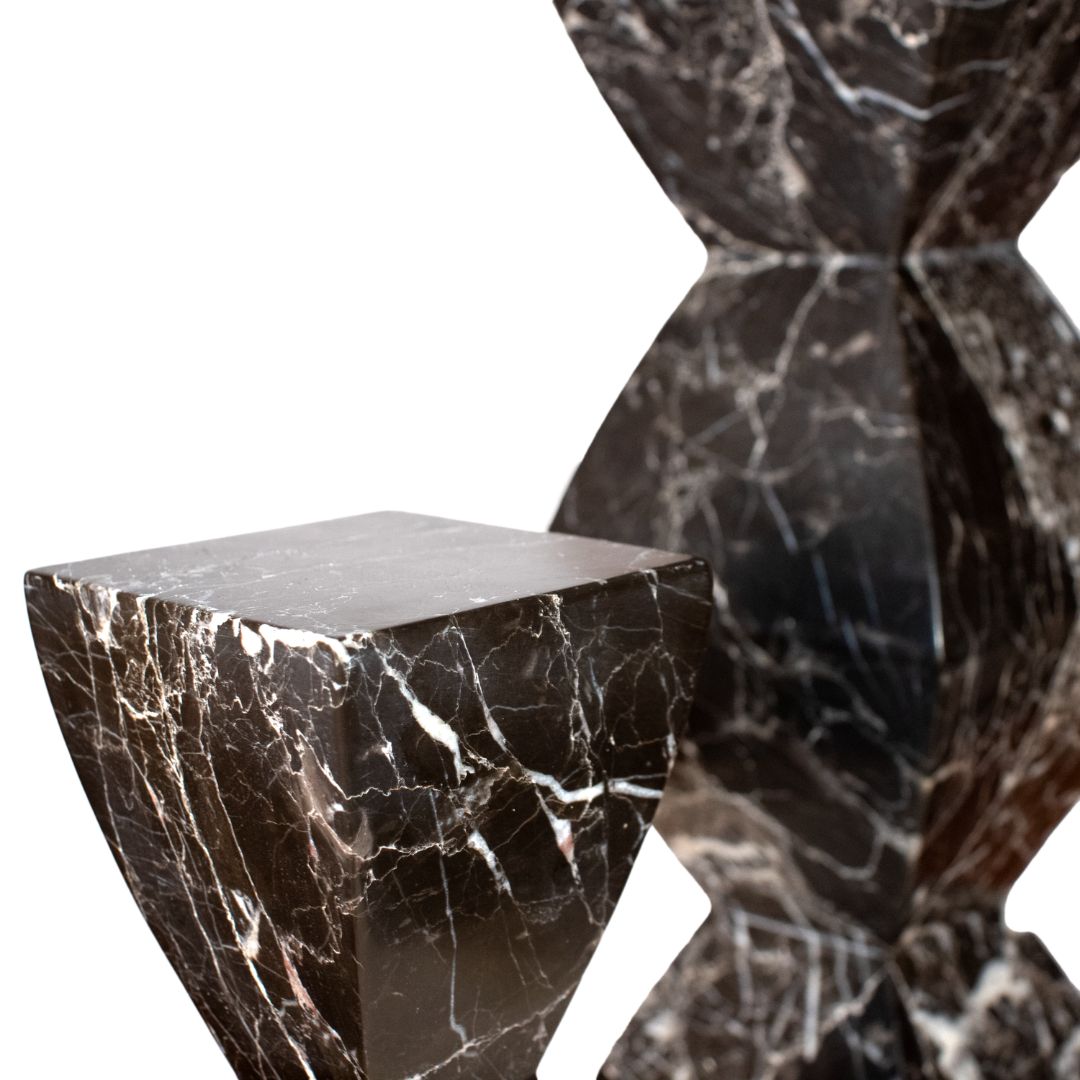
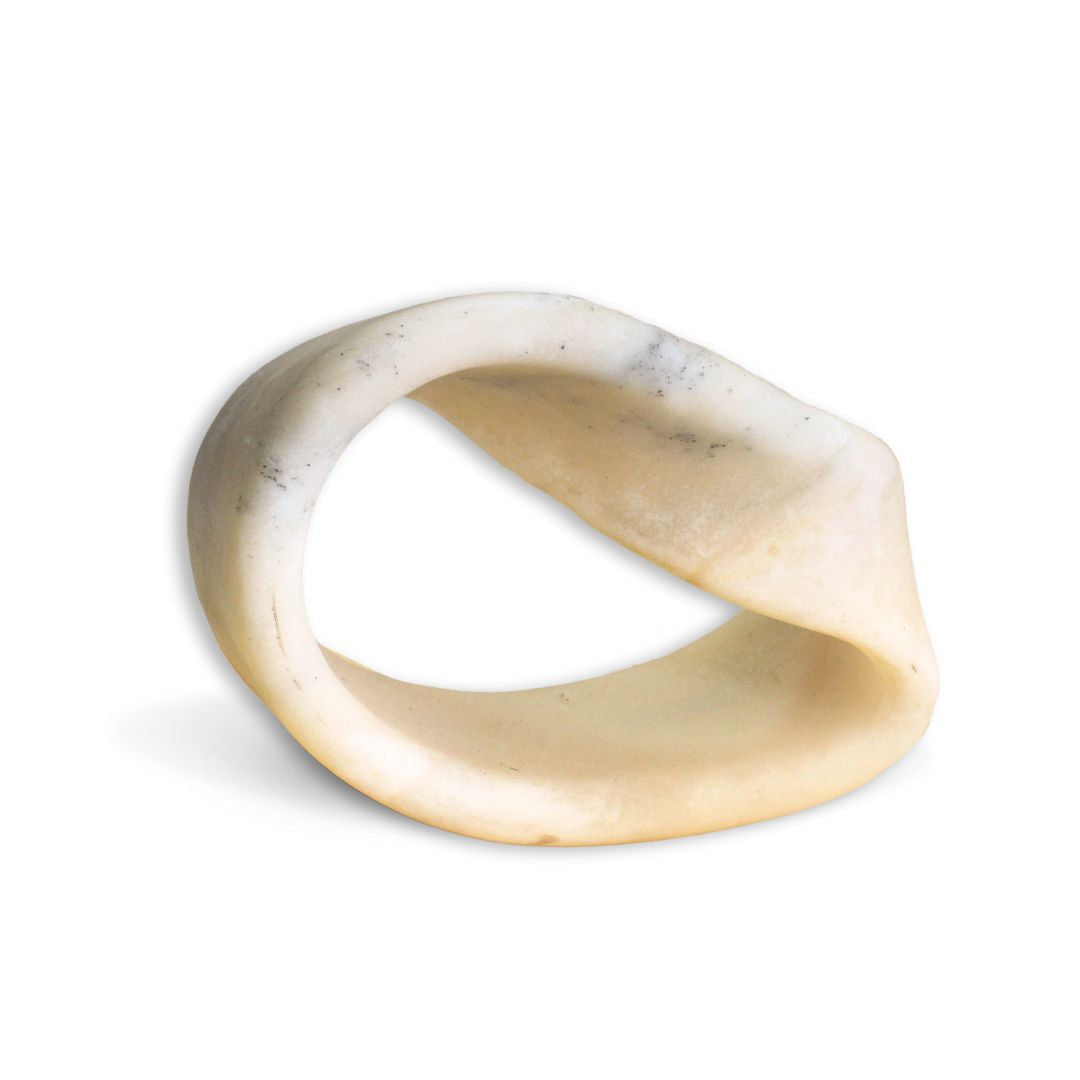
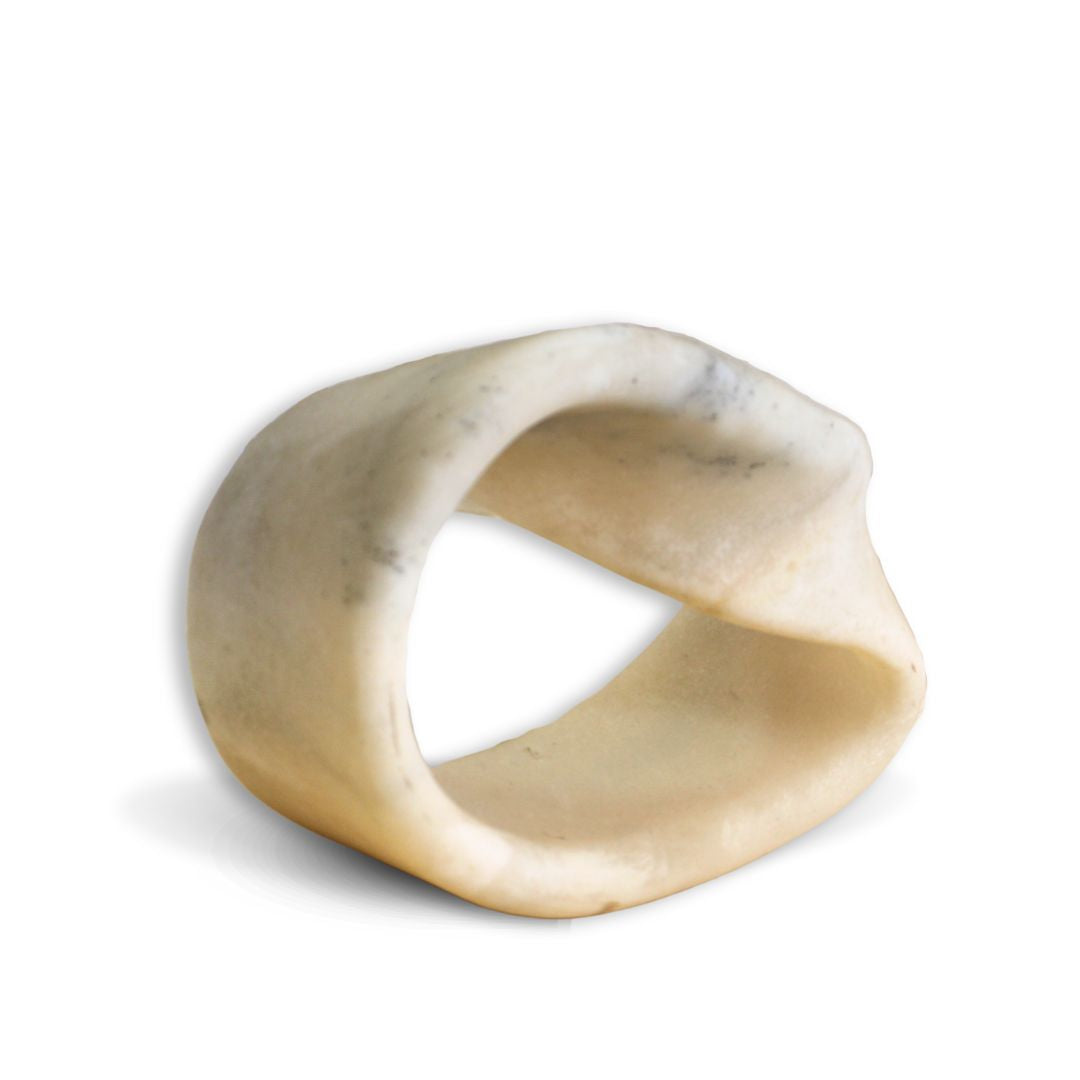
Buy Abstract Sculptures
At Kuzco Art Maison, we embrace the distinctive power of abstract sculptures, with a carefully curated collection of museum quality for art enthusiasts, collectors, antique dealers and interior designers, interior architects, interior shops, decorators and interior stylists.
What Is Abstract Art?
Abstract art challenges us to look beyond literal reality. It's an art form that doesn't attempt to depict the world exactly, but rather communicates emotions, ideas and energy through form, colour, line and texture. Abstract sculptures are the three-dimensional manifestation of this powerful concept. An abstract sculpture transforms a space; it adds depth, character and a conversation piece that both intrigues and inspires.
What Exactly Is an Abstract Sculpture?
An abstract sculpture, also called a non-figurative sculpture, is a sculptural work that doesn't represent a recognisable object, person or scene from reality. The artist releases traditional representation and focuses entirely on essence. The beauty lies in the composition of forms, the flowing lines, the balance between mass and space, and the texture of the material. An abstract artwork invites you as the viewer to project your own interpretation and feelings onto the work, creating a unique and personal connection.
How to Recognise an Abstract Sculpture
Abstract sculptures distinguish themselves through several characteristics. Where figurative art tells a clear narrative, abstract art speaks a more universal language. Look for the following elements:
- No direct representation of reality: The forms aren't directly traceable to anything we know
- Emphasis on form, line and texture: The composition and material use are central
- Invitation to personal interpretation: The meaning isn't fixed, but open to the viewer's experience
- Emotion through composition: The artist uses dynamic or serene forms to evoke a particular feeling
Movements and the Evolution of Abstract Sculpture
Abstract sculpture possesses a rich history with pioneers who pushed the boundaries of art. Movements such as direct carving, with its extreme simplification of form, and biomorphic abstraction and the pierced, open form, which explored the relationship between mass and open space, paved the way. Contemporary approaches like large-scale installation continue to innovate with bold materials and concepts. Our collection is inspired by this rich tradition and contains works that are both a tribute to that lineage and a platform for contemporary talent.
How to Choose the Perfect Abstract Sculpture for Your Interior
Selecting the right abstract sculpture is a personal journey. The right artwork can complete an interior. Here are some practical considerations to help guide your choice.
Consider Scale and Space
A large abstract sculpture can make a powerful statement in a spacious hall or living room, whilst a smaller, refined sculpture fits perfectly on a sideboard, in a bookcase or on a desk. Give the artwork space to "breathe" so the forms and shadows can be fully appreciated.
Which Material Suits Your Style?
Material is decisive for the sculpture's aesthetic character:
Bronze sculptures radiate warmth and timeless luxury, developing a beautiful patina over the years. Perfect for both classical and modern interiors.
Marble sculptures offer unparalleled elegance and a sense of purity. The natural veining of the stone makes each sculpture unique.
Metal or stone sculptures can create a more industrial or alternatively organic, earthy atmosphere.
Form and Emotion: What Do You Want to Convey?
Ask yourself what feeling you want to create in the space. Are you seeking dynamism and energy? Then choose a sculpture with sharp angles and upward lines. Do you long for calm and serenity? Then soft, organic and flowing forms better suit your desire.
The Quality and Craftsmanship of Our Abstract Sculptures
What distinguishes our abstract sculptures is our stylistic knowledge, the museum quality and the craftsmanship with which they're made. In a market flooded with cheap, machine-made plastic (resin) objects, we deliberately choose authenticity and durability.
Handcrafted by Artisans
Our bronze sculptures are created using the ancient and complex lost-wax method, resulting in unparalleled detail. Our marble sculptures are hand-carved from solid stone blocks by experienced sculptors.
Sustainable, High-Quality Materials
We use only materials of the highest quality, such as bronze and marble. This guarantees not only a luxurious appearance but also an artwork that endures for generations.
Museum Quality for Your Interior
Through careful curation and collaboration with talented artists, we offer sculptures of museum quality that are perfect for high-end interior projects, collectors and art enthusiasts.
Abstract Sculpture Styles: From Organic to Geometric
Abstract sculpture encompasses diverse formal approaches, each with distinct aesthetic and conceptual characteristics.
Organic Abstract Sculptures
Organic abstraction draws inspiration from natural forms—flowing curves, biomorphic shapes, undulating surfaces that suggest growth, movement or erosion. Mid-twentieth-century sculptors pioneered this approach, creating sculptures with hollowed centres and smooth, tactile surfaces that invite touch whilst maintaining formal discipline.
In interiors, organic abstract sculptures bring softness and humanity. They work beautifully in spaces with natural materials—wood, stone, textiles—creating visual dialogue between artwork and environment. These pieces feel timeless rather than dated, their forms resonating with our innate recognition of natural patterns.
Geometric Abstract Sculptures
Geometric abstraction emphasises mathematical precision, angular forms, repeating patterns and architectonic composition. This lineage extends from Constructivism through Minimalism to contemporary practice. Think clean edges, cubic volumes, linear arrangements and carefully calibrated proportions.
Geometric abstract sculptures complement modern and contemporary interiors exceptionally well. Their clarity of form creates visual order, their precision echoes architectural language, and their restraint prevents sensory overload in minimalist schemes. A single geometric bronze on a console can anchor an entire spatial composition.
Kinetic and Dynamic Abstractions
Some abstract sculptures suggest or incorporate actual movement—spiralling forms that appear to rotate, cantilevered elements implying precarious balance, or compositions creating optical movement through viewing angle shifts. These works engage viewers actively, rewarding sustained observation.
Minimalist Abstract Sculpture
Minimalist abstraction reduces form to essential elements—simple geometric solids, monochromatic surfaces, repetitive units. The sculpture becomes about presence, materiality and spatial relationships rather than representational content or emotional expression. Minimal art of the 1960s, with its industrial materials and serial units, exemplifies this rigorous approach.
In luxury interiors, minimalist abstract sculpture functions as visual punctuation—providing sculptural interest without narrative complexity, adding mass without clutter.
Materials in Abstract Sculpture: Aesthetic and Conceptual Implications
Material choice in abstract sculpture isn't merely practical but fundamentally conceptual—different materials carry distinct associations and possibilities.
Marble Abstract Sculptures
Marble brings particular qualities to abstract sculpture: translucency that creates subtle depth, grain and veining that add natural variation, cool tactility, and historical associations with sculptural tradition from Cycladic figures to the pared-down forms of early modernism.
Hand-carved marble abstraction demonstrates sculptural thinking directly—the artist working subtractively, removing mass to reveal form. Our marble abstract works show this process: controlled removal, sensitivity to stone's structural logic, finish that enhances rather than conceals material character.
Abstract Sculpture in Interior Design: Placement and Context
Successful integration of abstract sculpture requires considering spatial, visual and conceptual relationships.
Scale and Spatial Dynamics
Abstract sculpture's non-representational nature makes scale relationships particularly critical. Without figurative reference points (human scale, familiar objects), the sculpture's proportions must be calibrated to architectural context:
Console or credenza: 30–50cm typically provides presence without dominating
Floor placement (plinth): Can accommodate monumental scale; ensure adequate circulation space
Shelf or niche: Smaller works (20–35cm) create intimate moments of discovery
Outdoor installation: Scale must account for viewing distance and landscape proportions
Creating Visual Dialogue
Abstract sculpture functions through relationships—with surrounding architecture, furniture, spatial volumes. Consider:
Formal echoes: A geometric sculpture reinforcing architectural lines
Material contrasts: Bronze warmth against cool marble floors
Negative space: How sculpture and surrounding void interact
Sightlines: Multiple viewing angles revealing different formal aspects
Conceptual Coherence
Abstract sculpture can either reinforce or productively disrupt an interior's conceptual programme. In a minimalist space, a minimalist sculpture feels inevitable. But an organic bronze abstraction in that same environment creates tension—warmth against austerity, handcraft against precision.
Abstract Sculptures for Commercial and Hospitality Interiors
Abstract sculpture offers particular advantages in commercial contexts—visual impact without literal narrative, cultural sophistication, and interpretive openness that accommodates diverse viewers.
Corporate Environments
In office settings, abstract sculpture signals institutional values. Geometric abstractions suggest systematic thinking and precision. Organic forms indicate creativity and adaptability. Quality craftsmanship—evident in material and execution—reinforces the company's own standards of excellence.
Abstract work also avoids the complications of figurative representation—religious, political or cultural associations that might alienate portions of a diverse workforce or clientele.
Hospitality Applications
Hotels and restaurants employ abstract sculpture to create memorable spatial experiences whilst maintaining interpretive flexibility. A monumental bronze abstraction in a lobby becomes a landmark—"meet at the sculpture"—whilst remaining sufficiently open that guests project their own meanings.
Abstract sculpture in hospitality must balance presence (justifying the space and investment) with accessibility (not so esoteric it feels excluding or pretentious).
Maintaining Your Abstract Sculpture
High-quality sculptures require minimal maintenance to preserve their beauty.
Bronze Sculpture Care
Regular dusting: Use a soft, dry cloth
Enhanced lustre: For deeper shine, apply high-quality furniture polish (such as Pledge) to a cloth and gently buff the sculpture
Avoid abrasives: Never use scouring materials or harsh chemicals
Patina evolution: Bronze naturally darkens over time; this is desirable and adds character
Marble Sculpture Care
Dust regularly: Use a soft, dry cloth
Stain removal: For marks, use a pH-neutral cleaner with a damp cloth
Immediate drying: Always dry the surface immediately after any moisture contact
Avoid acids: No lemon, vinegar or acidic cleaners that can etch marble
Abstract Sculpture FAQ
What's the difference between abstract and contemporary sculpture?
"Abstract" describes formal approach—non-representational, focused on form rather than recognisable subject matter. "Contemporary" indicates temporal category—art made in the present era. A sculpture can be both abstract and contemporary (most abstract work today), but contemporary sculpture also includes figurative, conceptual and installation practices. Conversely, historic abstract sculpture (the pioneers of the 1910s–1950s) is abstract but not contemporary.
How do I know if an abstract sculpture is good quality?
Quality in abstract sculpture manifests through: material integrity (genuine bronze or marble, not resin), evidence of hand-finishing (refined surfaces, controlled tooling, intentional rather than accidental irregularities), formal resolution (the sculpture feels complete, its proportions convincing), and conceptual coherence (the forms engage sustained viewing rather than exhausting themselves immediately). Mass-produced decorative abstractions feel generic, lightweight and visually simplistic.
Can abstract sculpture work in traditional interiors?
Absolutely. Abstract sculpture often functions brilliantly in traditional settings precisely through contrast—its formal clarity cutting through potential decorative excess, its materiality (bronze, marble) connecting to craft traditions, its non-narrative quality allowing coexistence with period elements without stylistic conflict. The key is selecting abstract work with appropriate material character (warm bronze patinas, natural stone) rather than industrial minimalism.
Is abstract sculpture a good investment?
Quality abstract sculpture—particularly bronzes cast in limited editions or unique marble carvings—can appreciate significantly, especially work by established or emerging artists with gallery representation. Investment value depends on: artist reputation, edition size, material and casting quality, condition and provenance. Our museum-quality pieces are selected partly for lasting value, though appreciation is never guaranteed. Unlike decorative objects, quality abstract sculpture retains cultural and material worth.
How do I choose between organic and geometric abstract forms?
Consider the spatial and emotional character you're creating. Organic abstractions bring warmth, tactility and visual softness—they humanise spaces and work beautifully with natural materials. Geometric abstractions provide visual order, architectural coherence and modernist clarity—they complement contemporary design and minimalist aesthetics. Neither is inherently superior; appropriateness depends on context. For eclectic interiors, mixing both approaches can create productive tension.
Do you supply to private collectors or only trade?
Kuzco Art Maison operates primarily B2B, serving interior designers, decorators, architects and art professionals. In exceptional cases, we supply to private collectors, with retail pricing applied. This maintains clear market positioning and protects our trade partnerships.
Can I view the abstract sculpture collection before purchasing?
Yes. Viewing is available by appointment at our showrooms in Amsterdam and Bleiswijk. For interior professionals and serious collectors, we can discuss specific requirements, assess scale relative to your spaces, and advise on selection within broader design concepts. Abstract sculpture particularly benefits from in-person viewing—experiencing form, material and spatial presence directly rather than through photography.
What size abstract sculpture should I choose for my space?
As a general principle: the sculpture should command attention without overwhelming the space. For consoles and credenzas, 30–50cm height typically works well. For floor placement, consider ceiling height and surrounding furniture scale. Outdoor installations can accommodate monumental scale. When uncertain, slightly larger often proves more successful than undersized—abstract sculpture needs visual presence to justify its spatial claim. We offer consultation on scale appropriateness for specific contexts.
Need expert guidance on abstract sculpture selection? Contact Kuzco Art Maison for curatorial advice tailored to your interior, collection or project. Our expertise in modern and contemporary sculpture, combined with understanding of spatial composition and material properties, ensures you'll find abstract work that genuinely enhances your environment.