

Kuzco Art Maison
Classical Bronze Horse Head Sculpture
Classical Bronze Horse Head Sculpture
Showroom Amsterdam
Hekelveld 1
1012 SN Amsterdam
Netherlands
Choose options
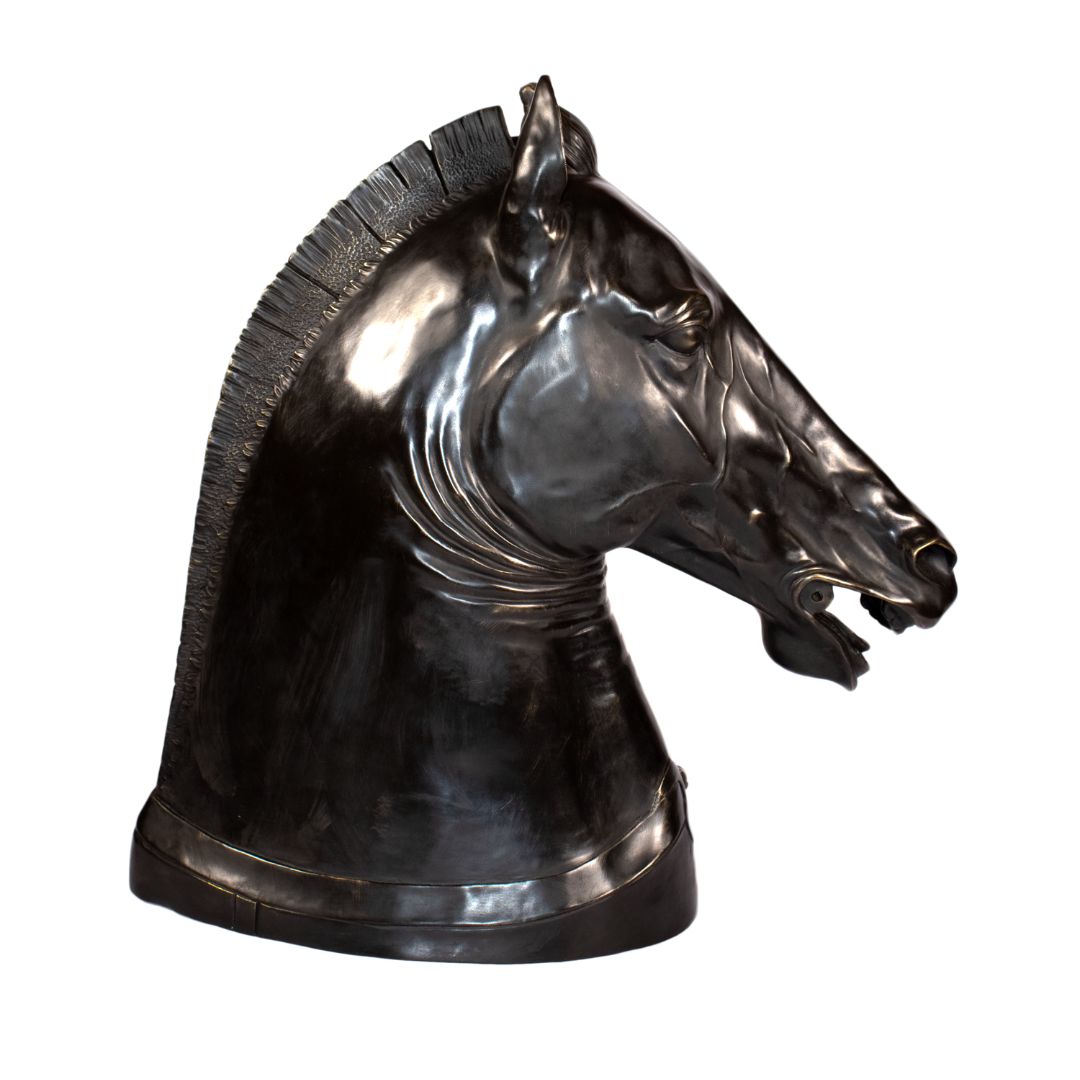
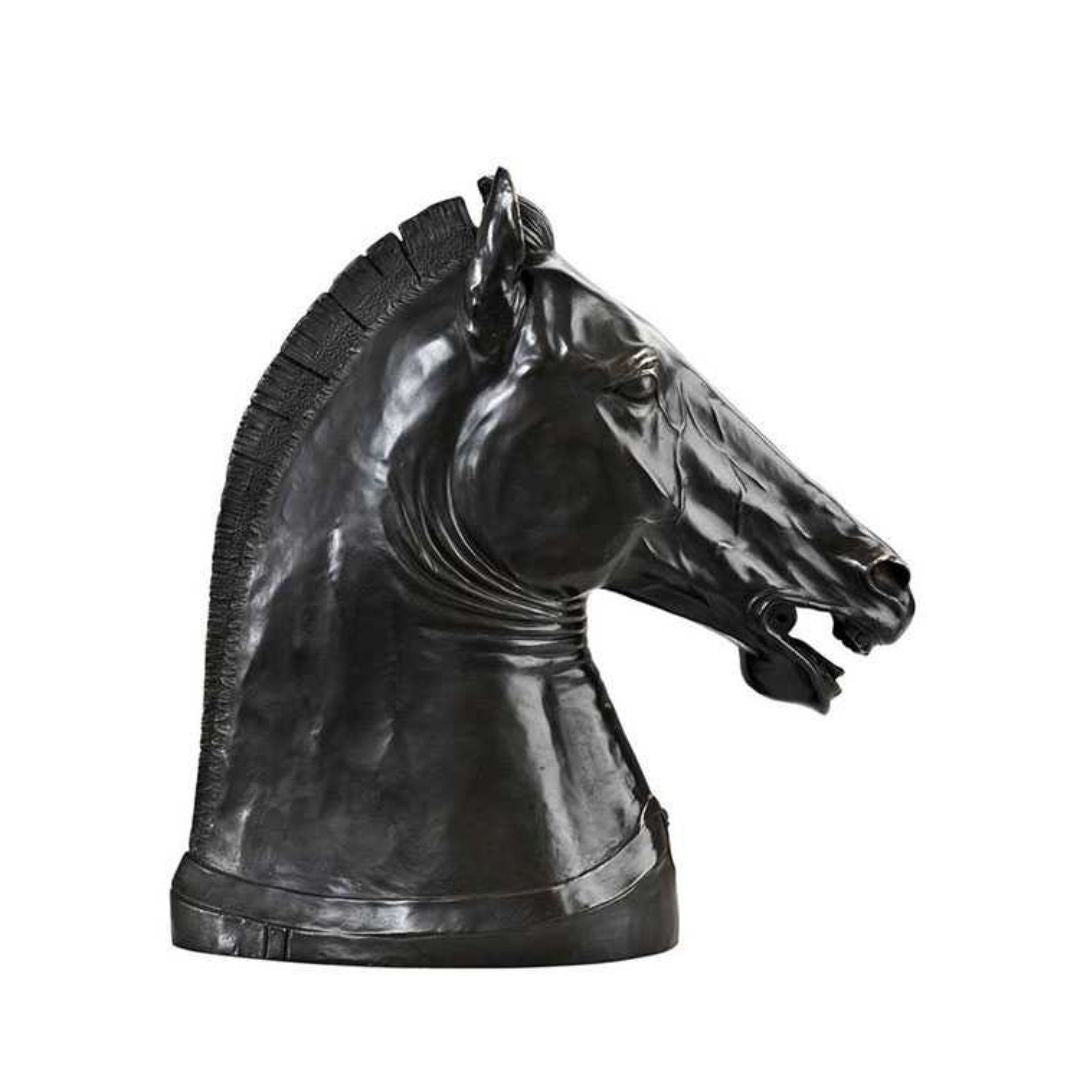
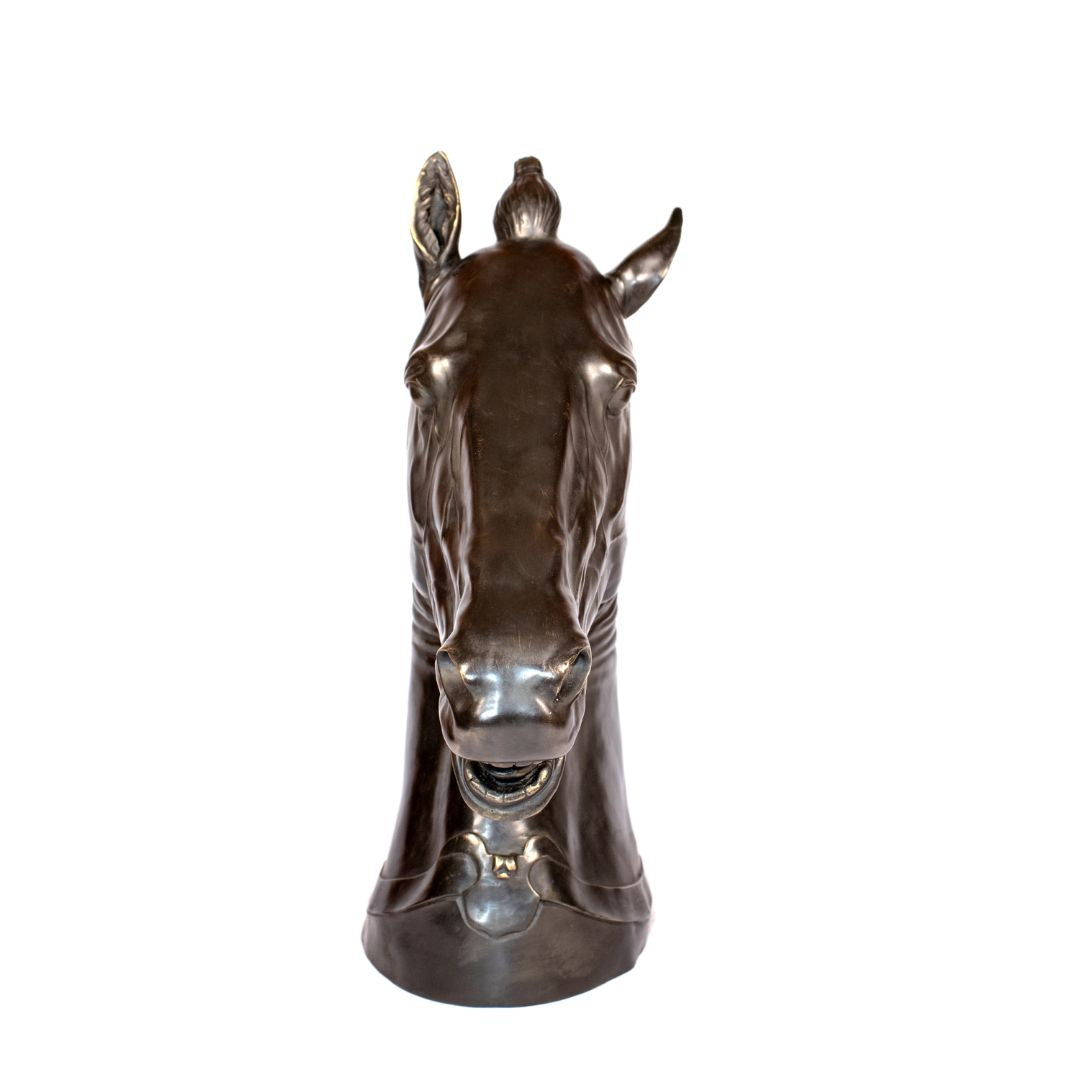
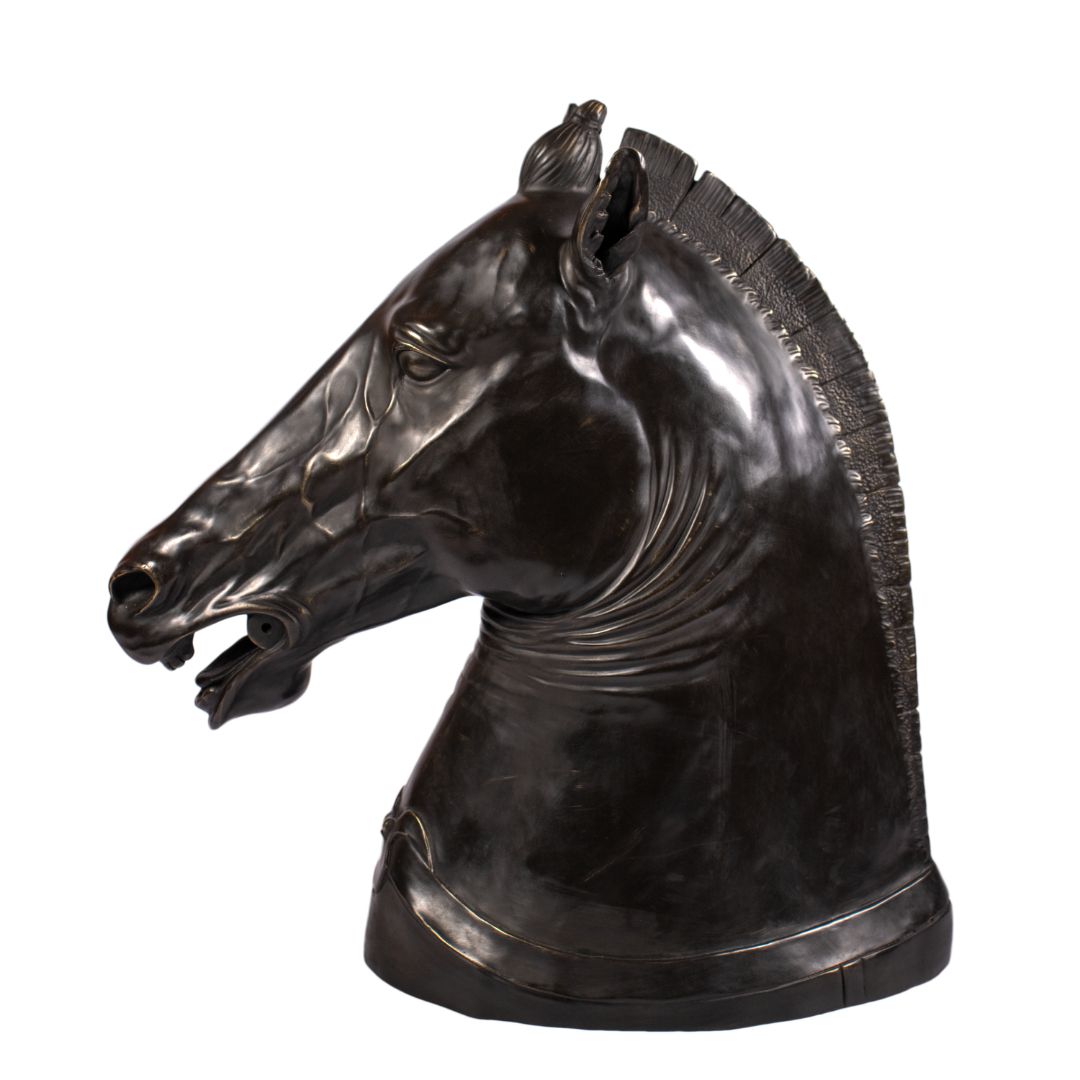
This horse head sculpture in dark, almost black bronze follows one of the horses of the moon goddess Selene from the east pediment of the Parthenon in Athens.
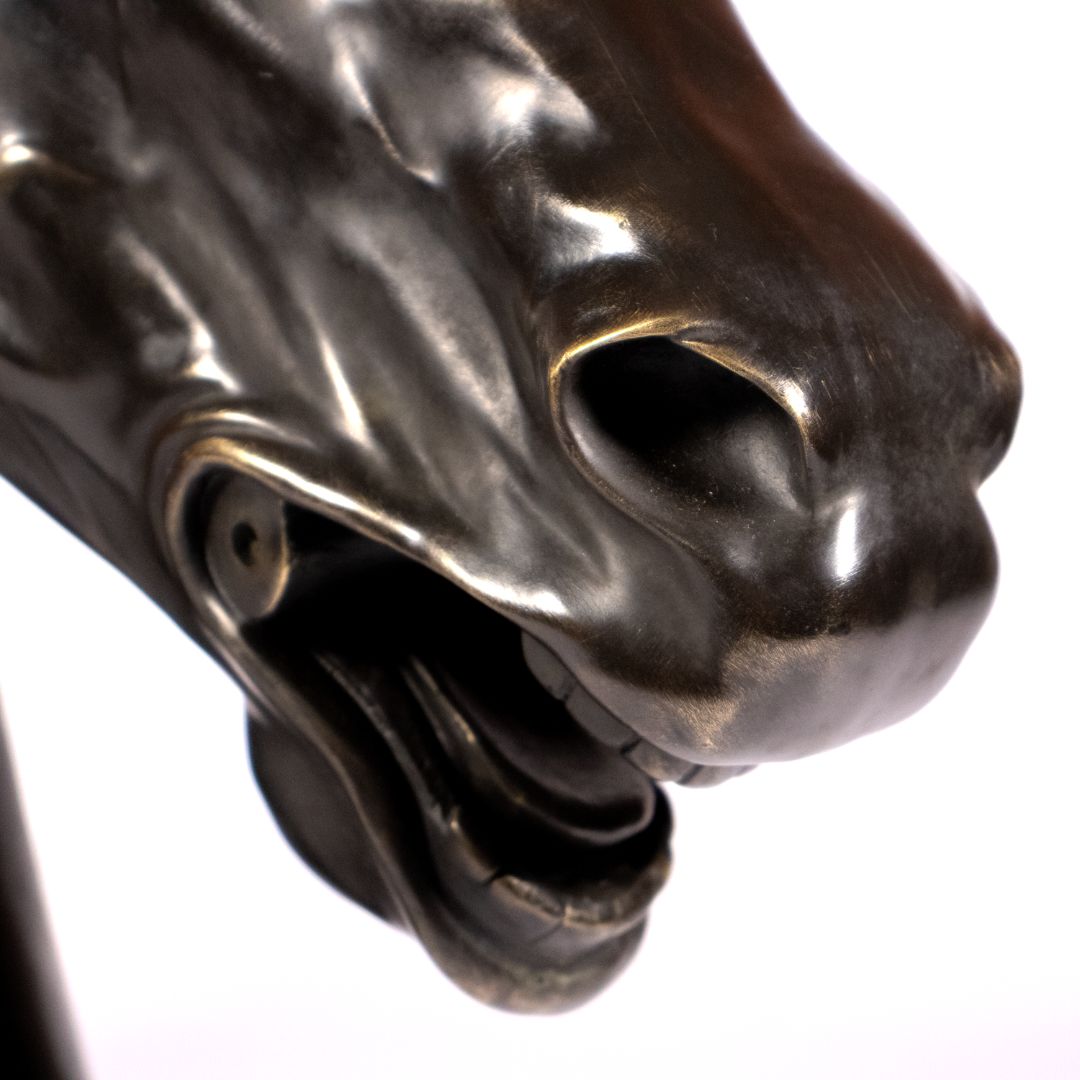
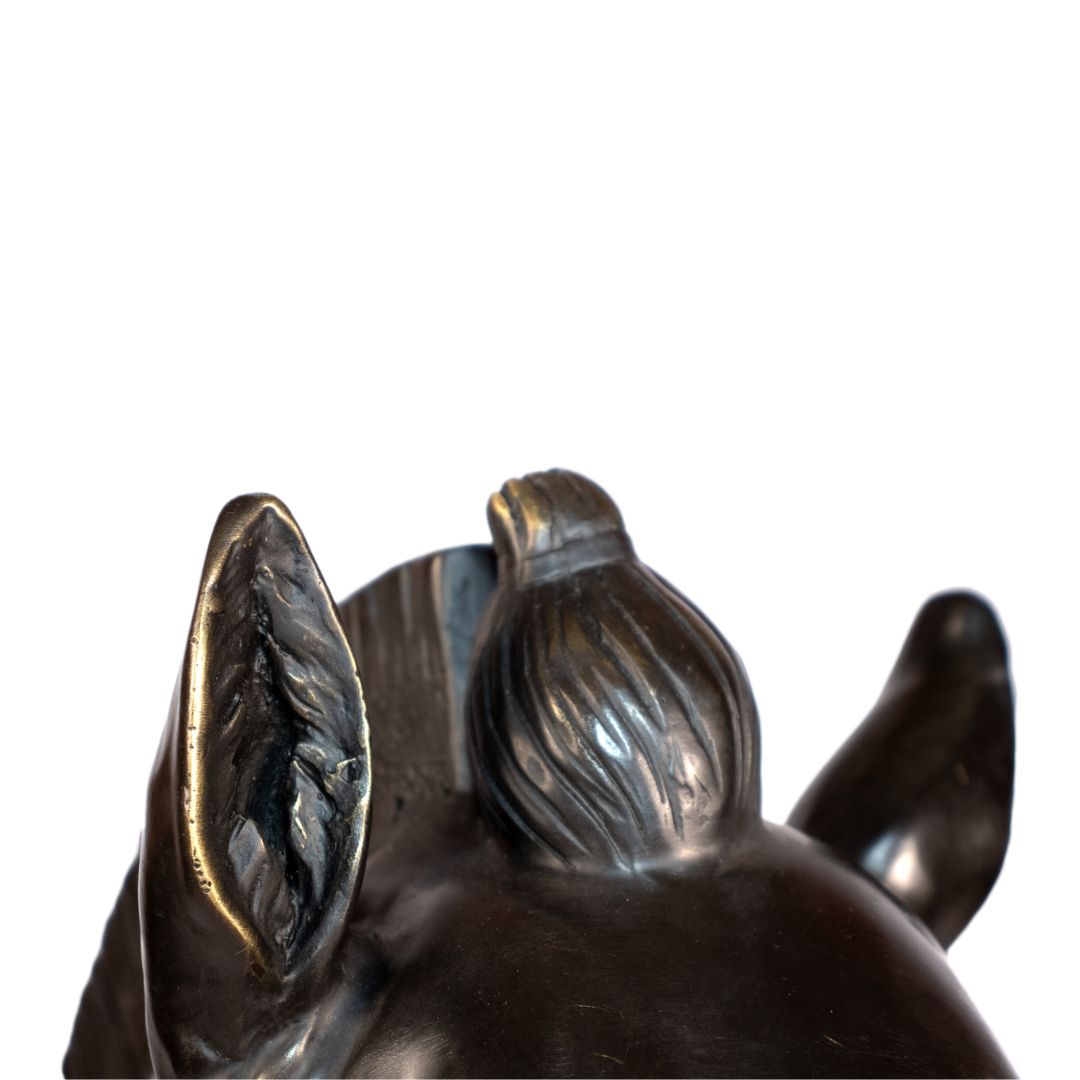
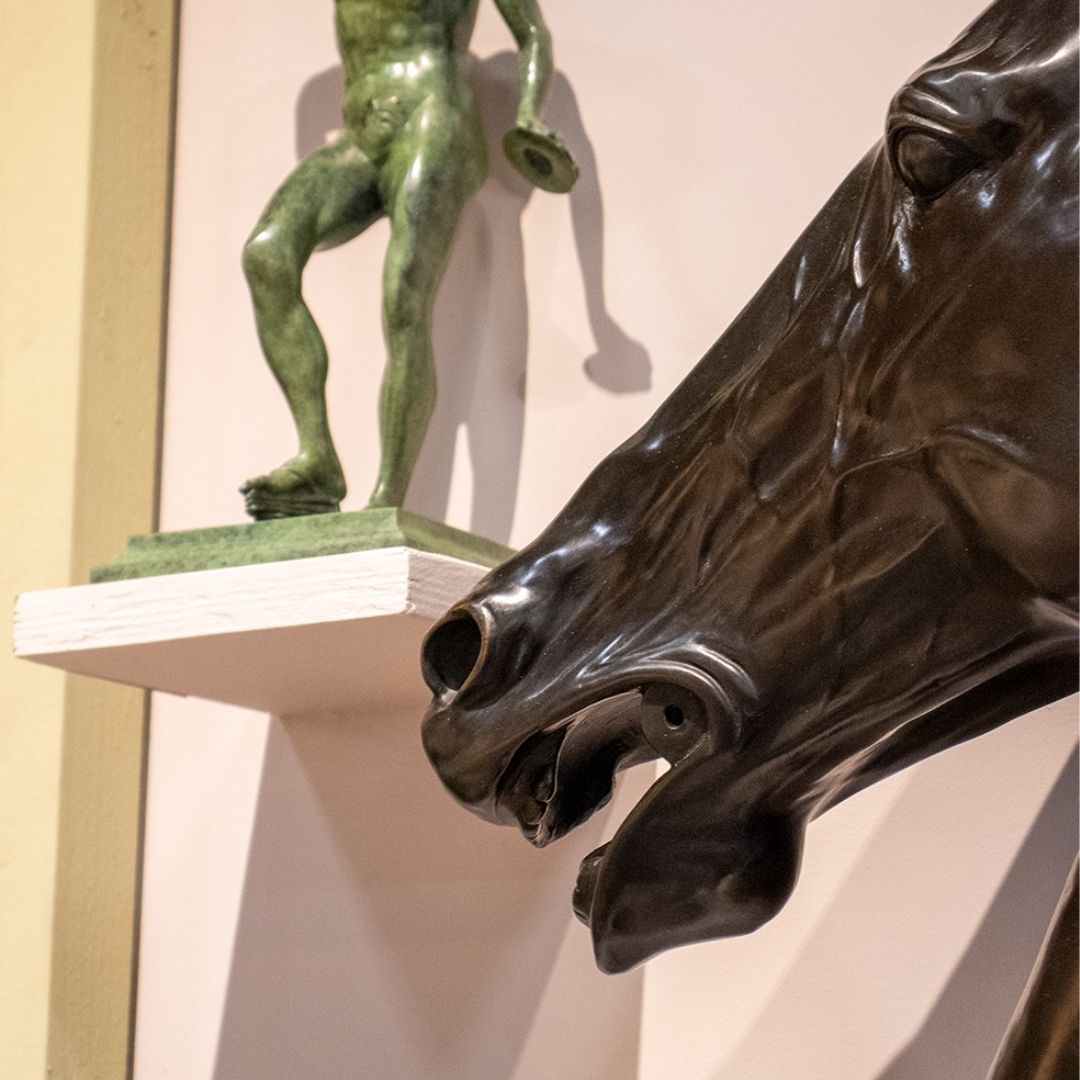
The ears lie back, the jaw gapes, the nostrils flare and the eye bulges; veins stand out under the taut skin. The cropped mane is cut in crisp strips along the crest, and the forelock is tied in a knot between the ears. Two small holes in the cheek and muzzle echo the dowel holes where the marble original once carried a metal bridle.
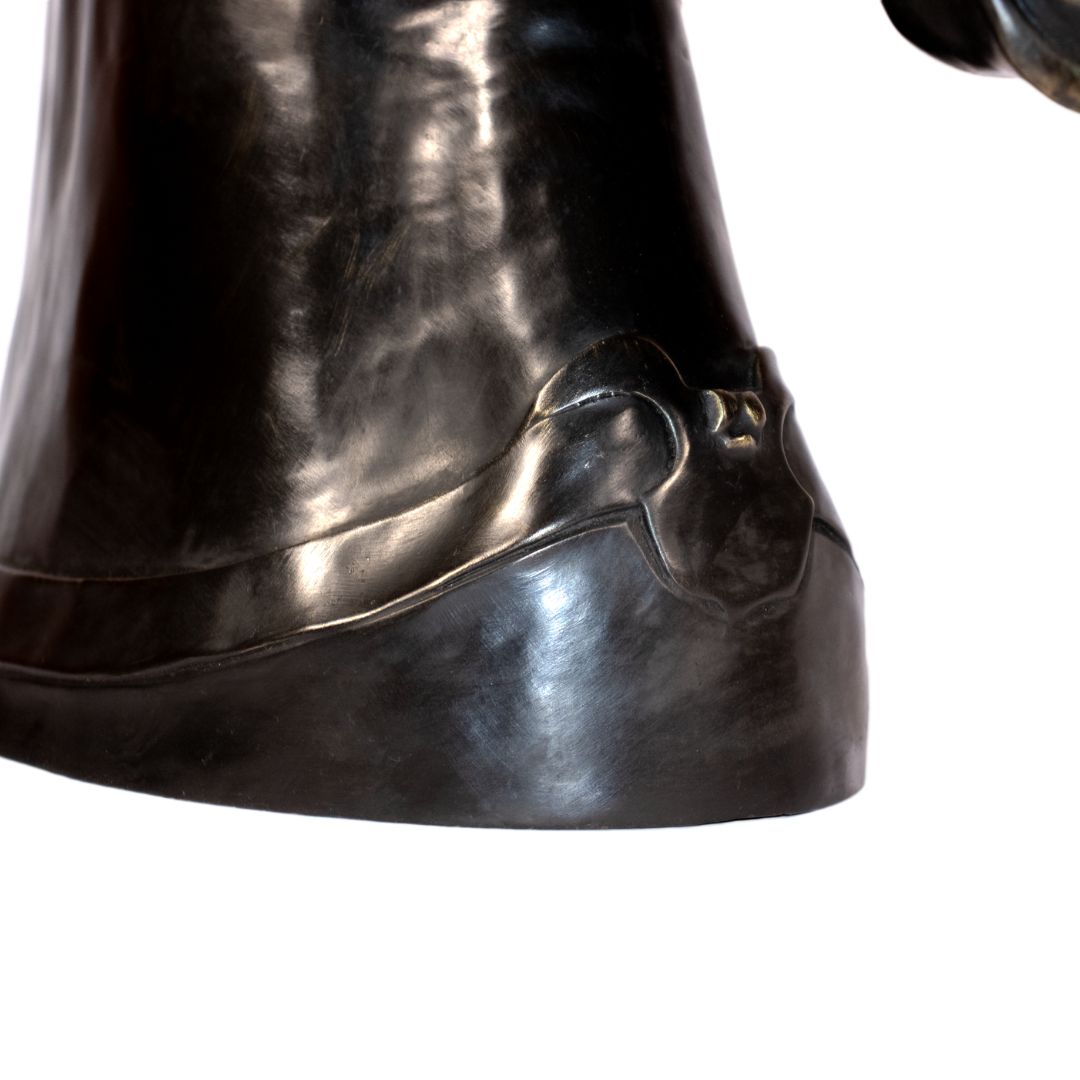
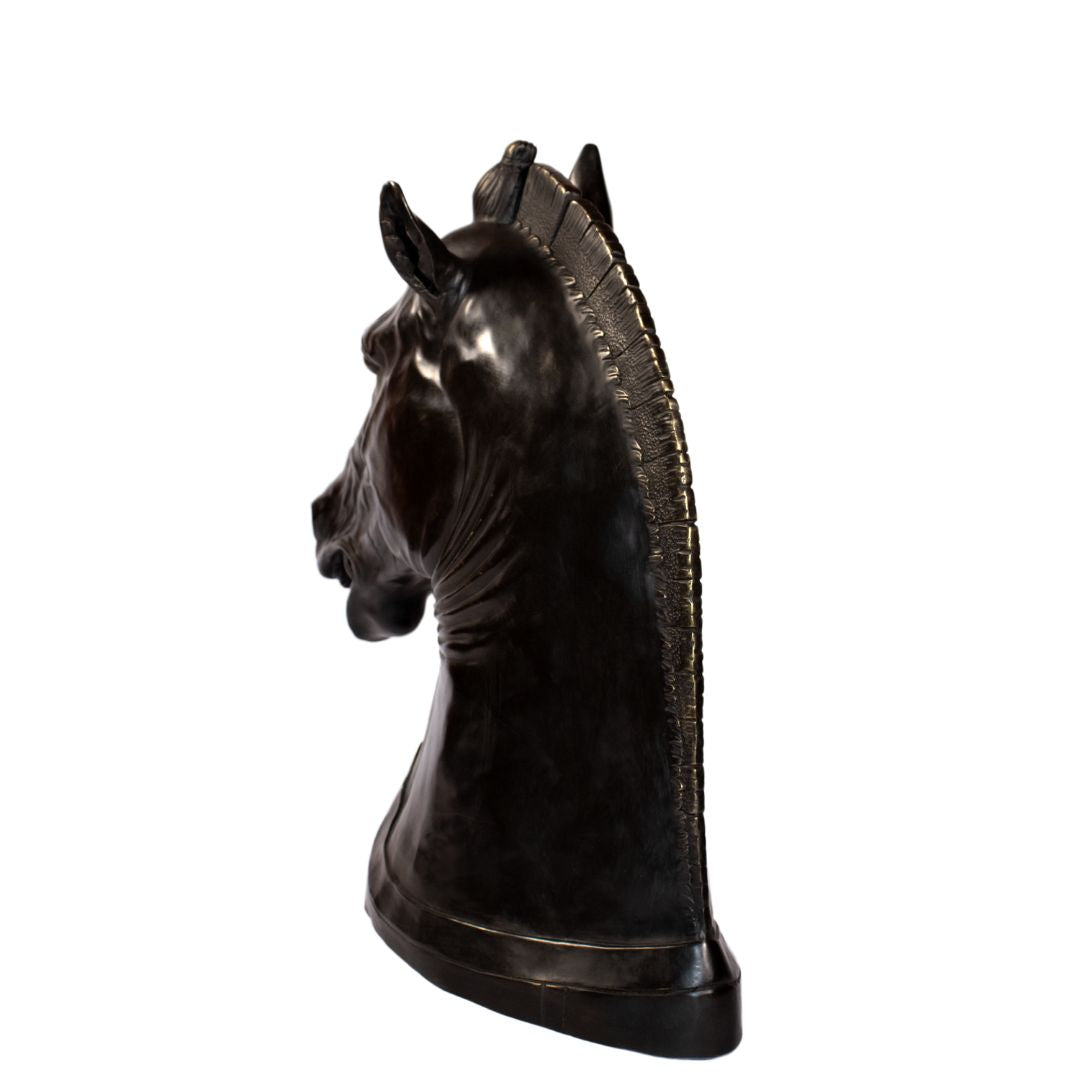
Every new head is lost-wax cast by hand; the dark patina gives way to bare bronze along the edges of the ears and mane. The neck ends in a moulded bronze base, rounded at the front and flat at the back. The marble original, carved between 438 and 432 BC, is now in the British Museum in London.
With a height of 54 cm and a length of 45 cm, the head wants a surface with some depth, such as a sideboard, turned in profile so the open mouth faces into the room. From that side the incised mane runs in one arc from the ears down to the base.
Worldwide shipping
We work with reliable freight carriers worldwide who are experienced in transporting heavy and delicate works of art. This ensures that your order arrives safely. Shipping costs are calculated on the basis of the weight, dimensions and destination of your order. We aim for competitive rates and provide a detailed quote once the order has been confirmed.
Estimated delivery times vary depending on your location and the size of the order. Domestic shipments usually take 3-7 working days, while international deliveries can take 3-60 working days.
For shipments outside the EU, please note that import duties and taxes may apply under the rules of your country. These costs are not included in our prices and are payable by the buyer.
Warranty
We aim for the highest standards of quality and craftsmanship in our bronze sculptures. All our products carry a 24-month warranty against defects in materials and workmanship under normal use and care. This warranty covers any problems that arise during this period; we will repair or replace the product free of charge. For warranty questions, please contact our customer service.