
Chinese Porcelain
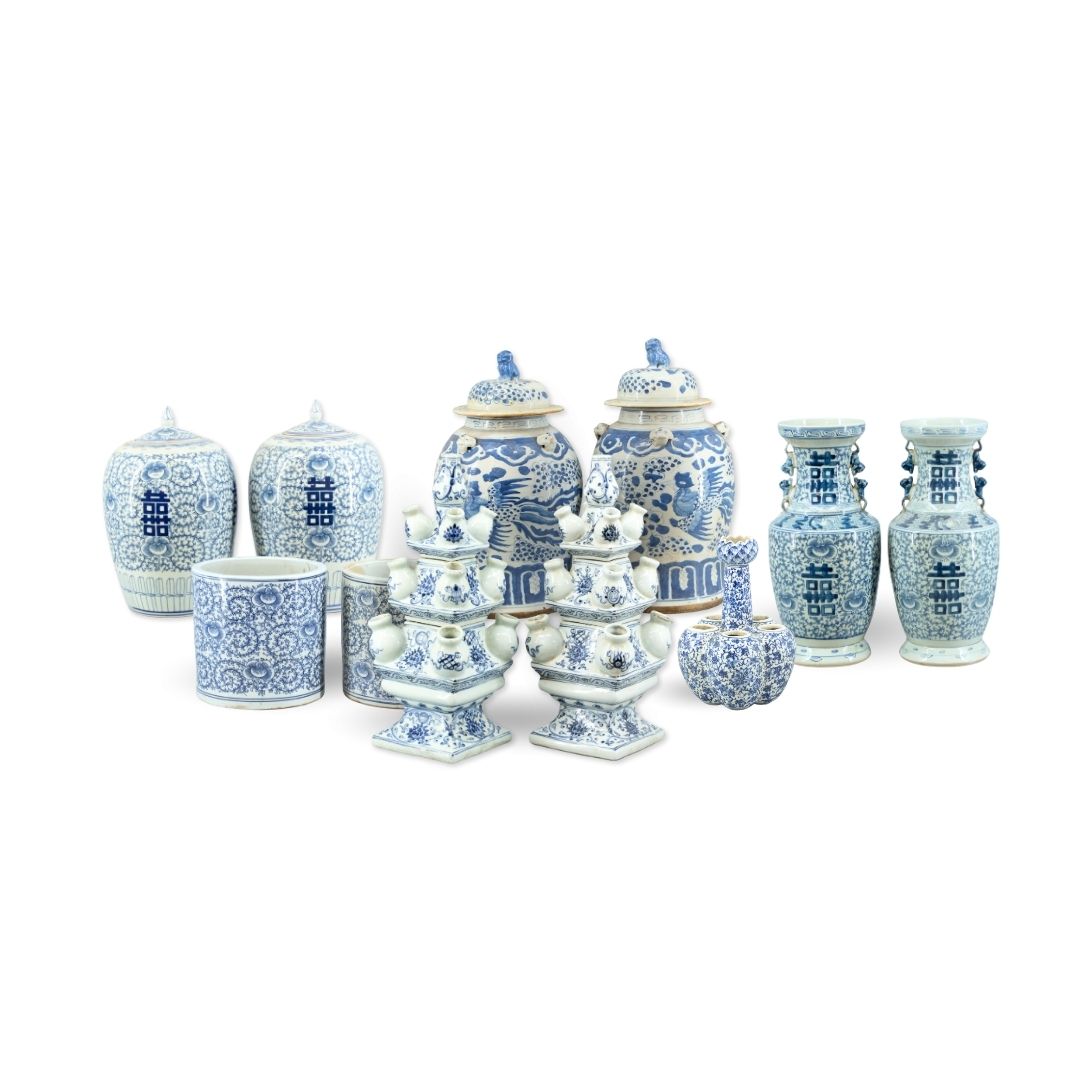
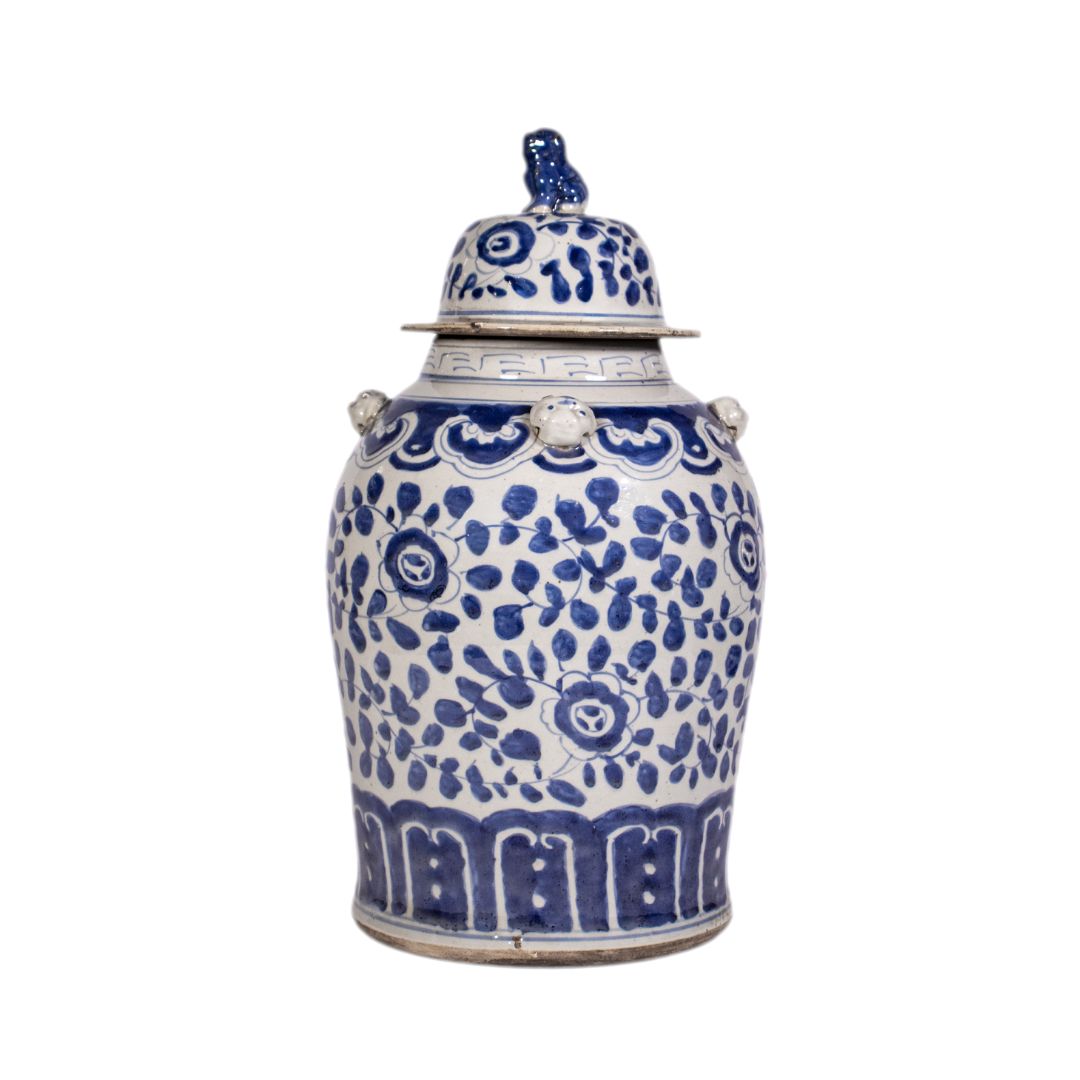
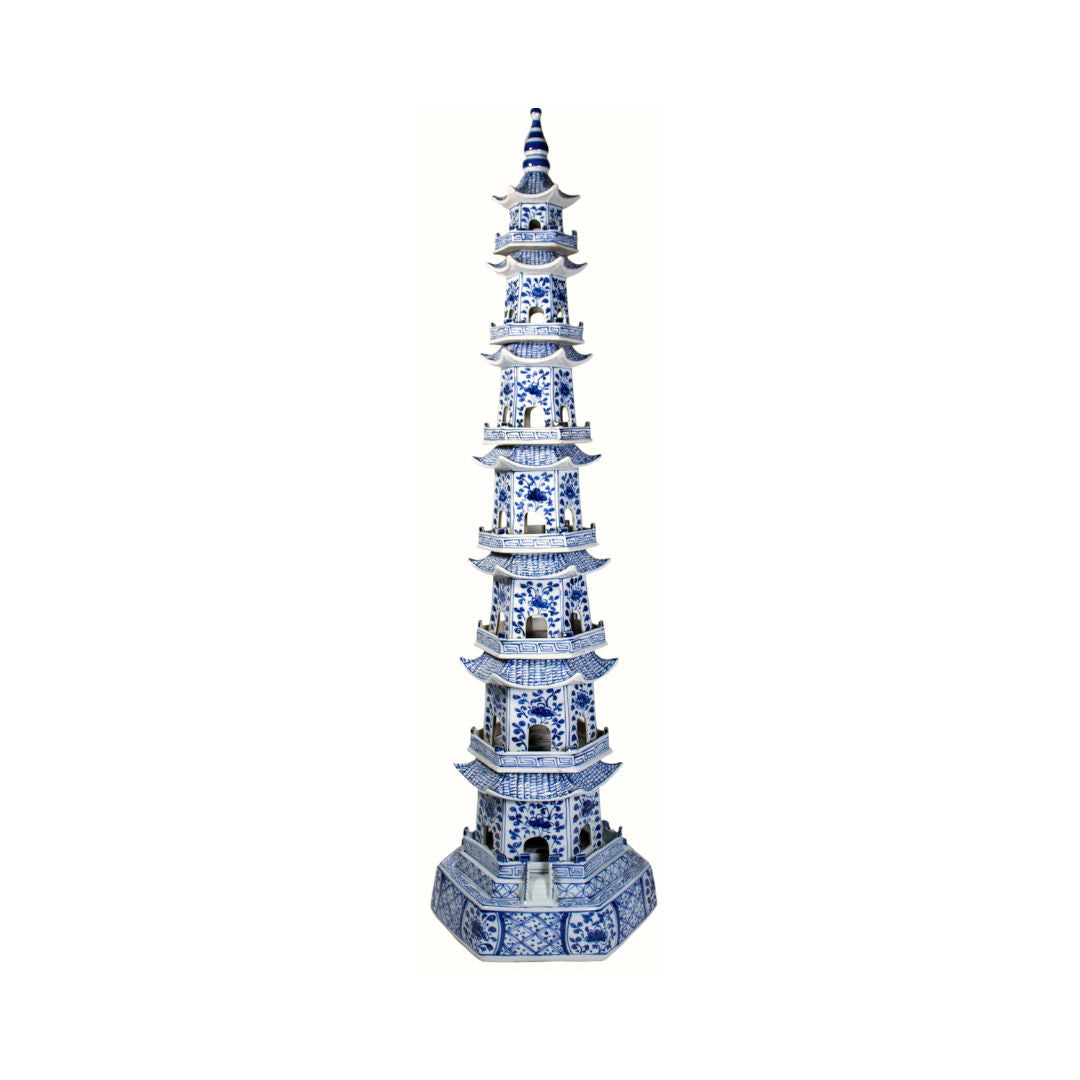
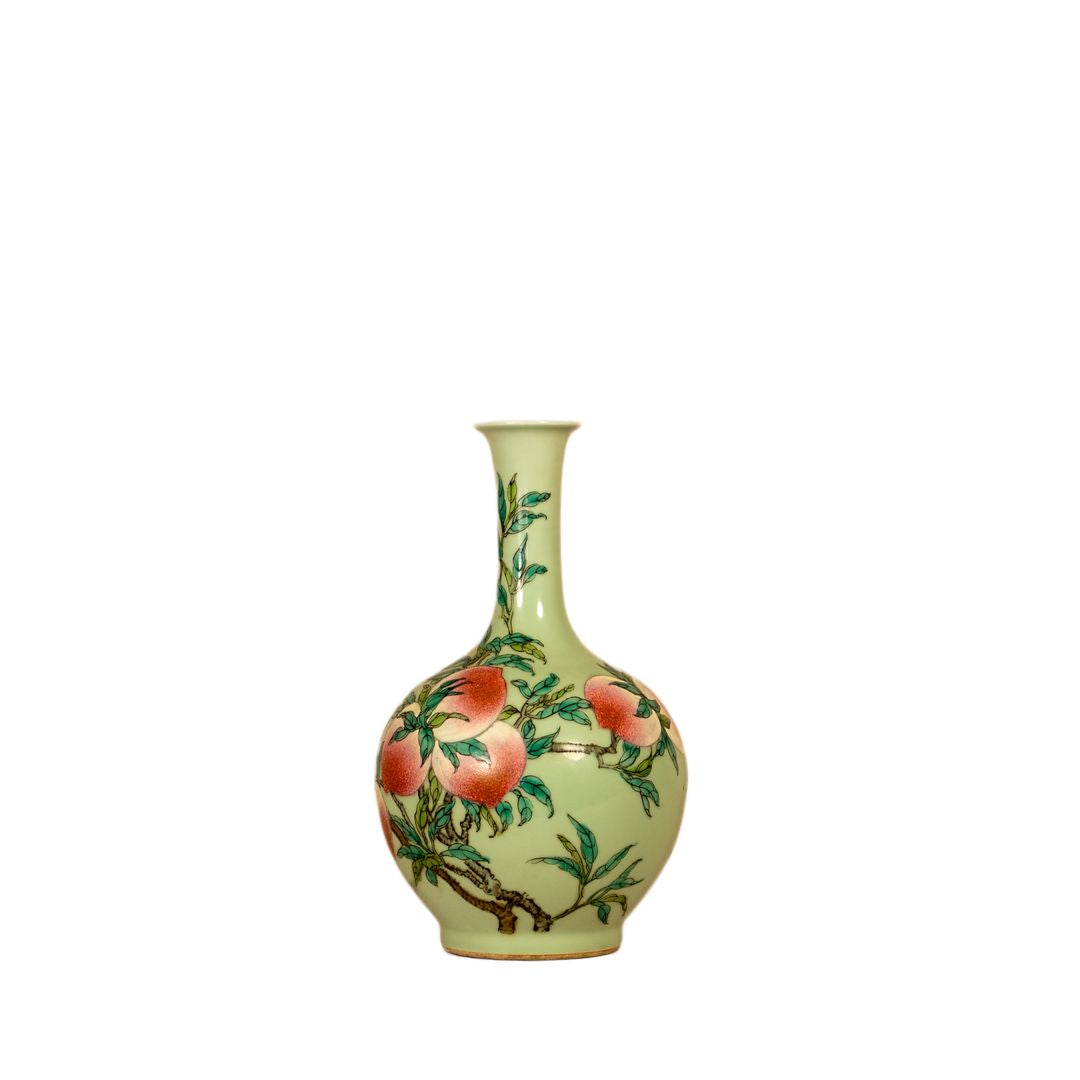
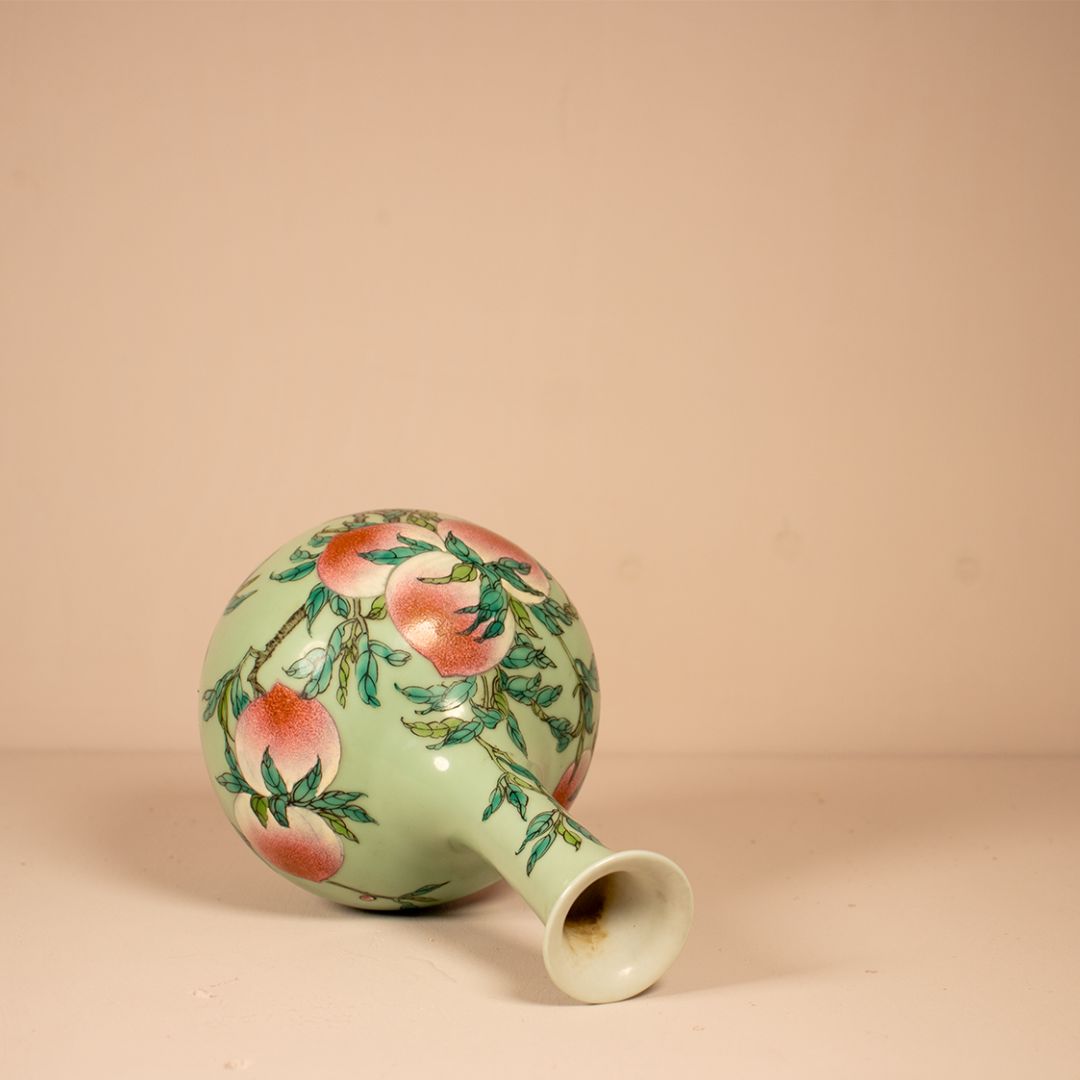
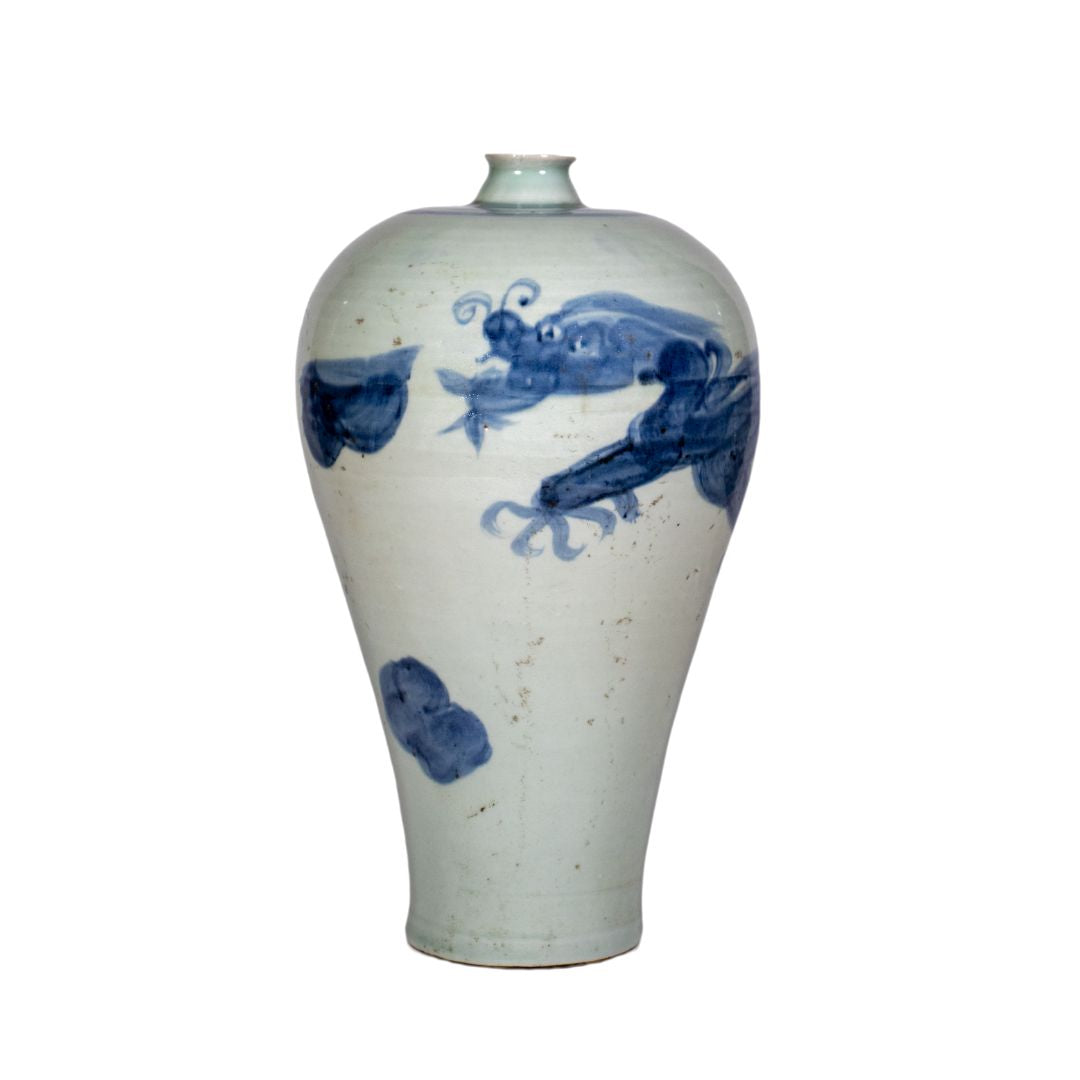
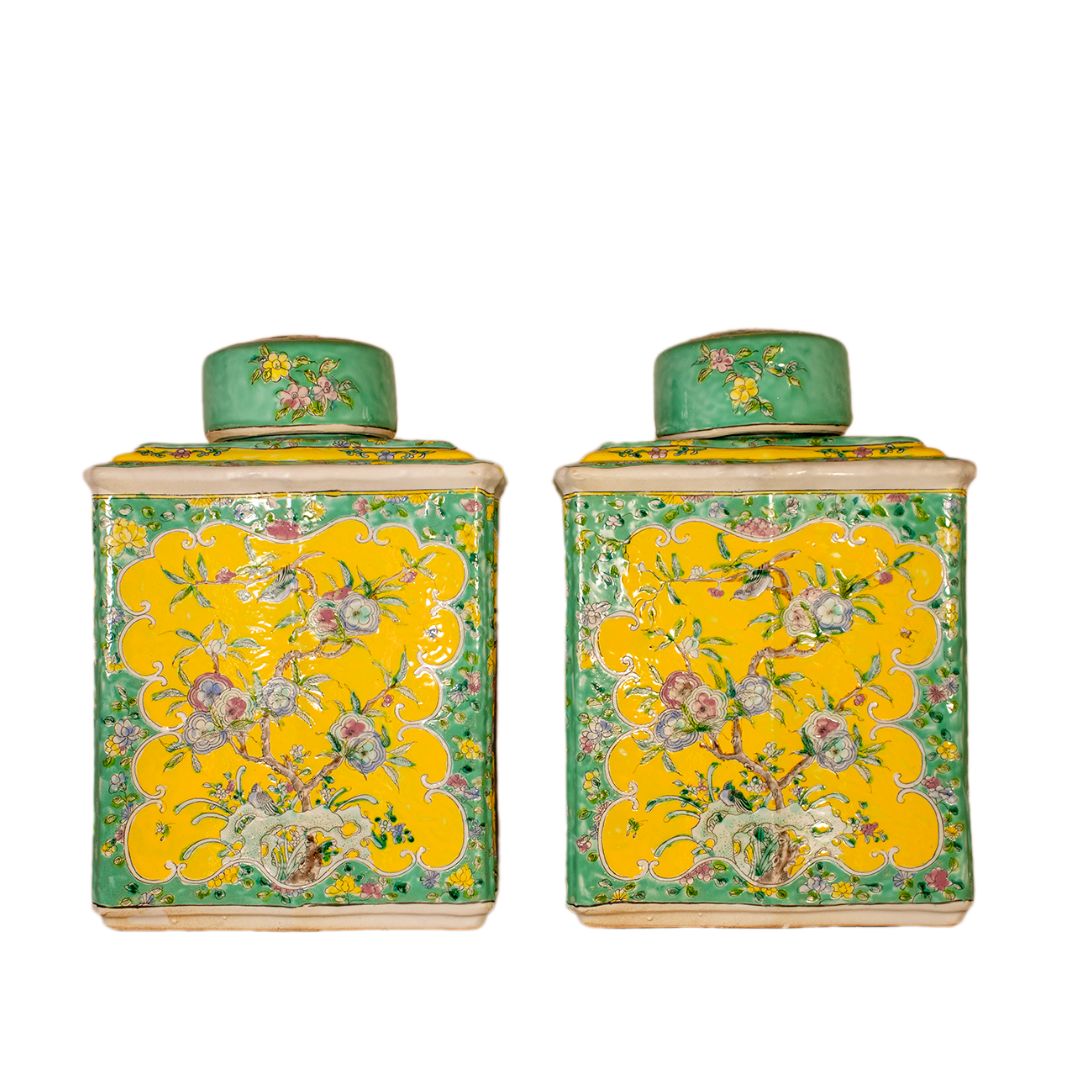
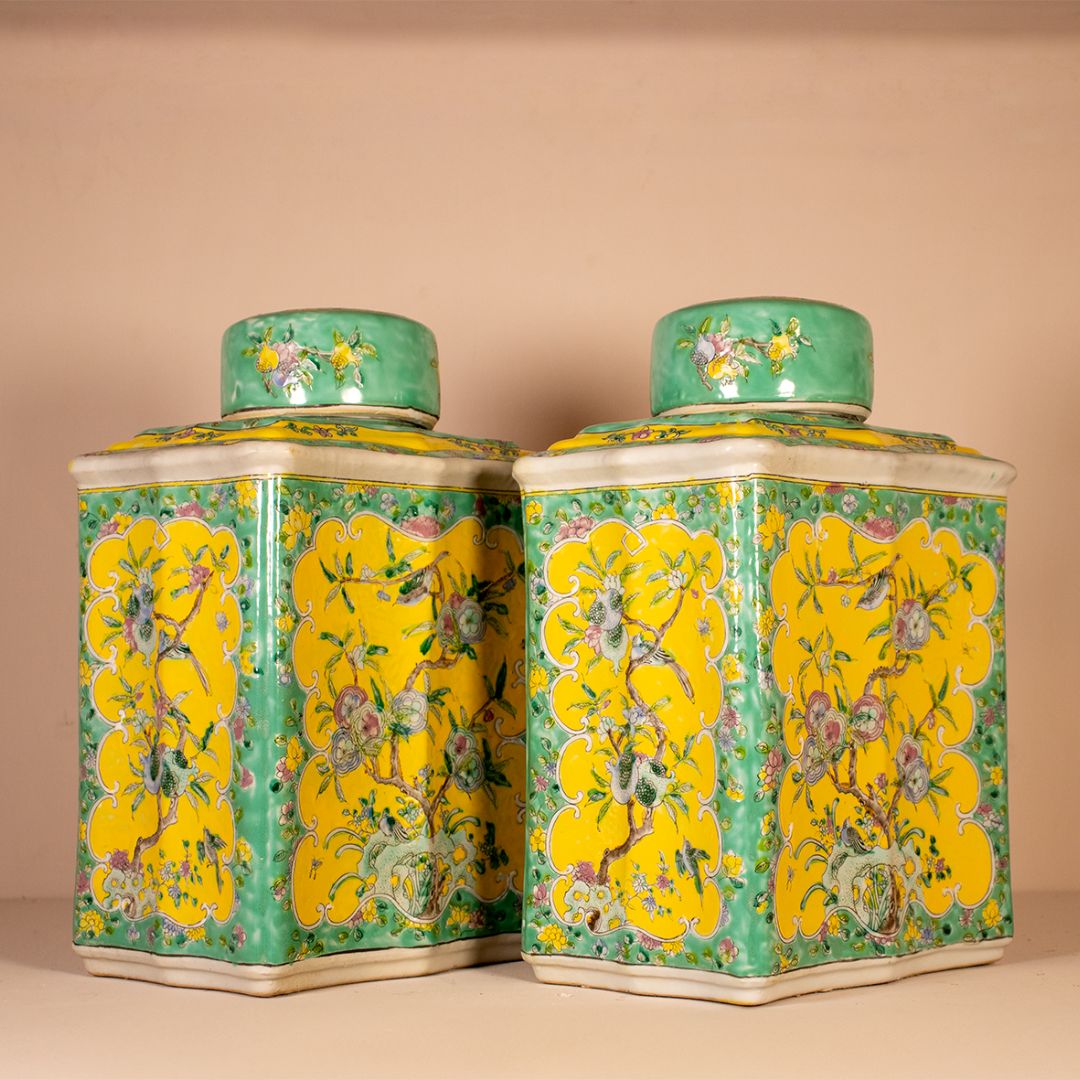
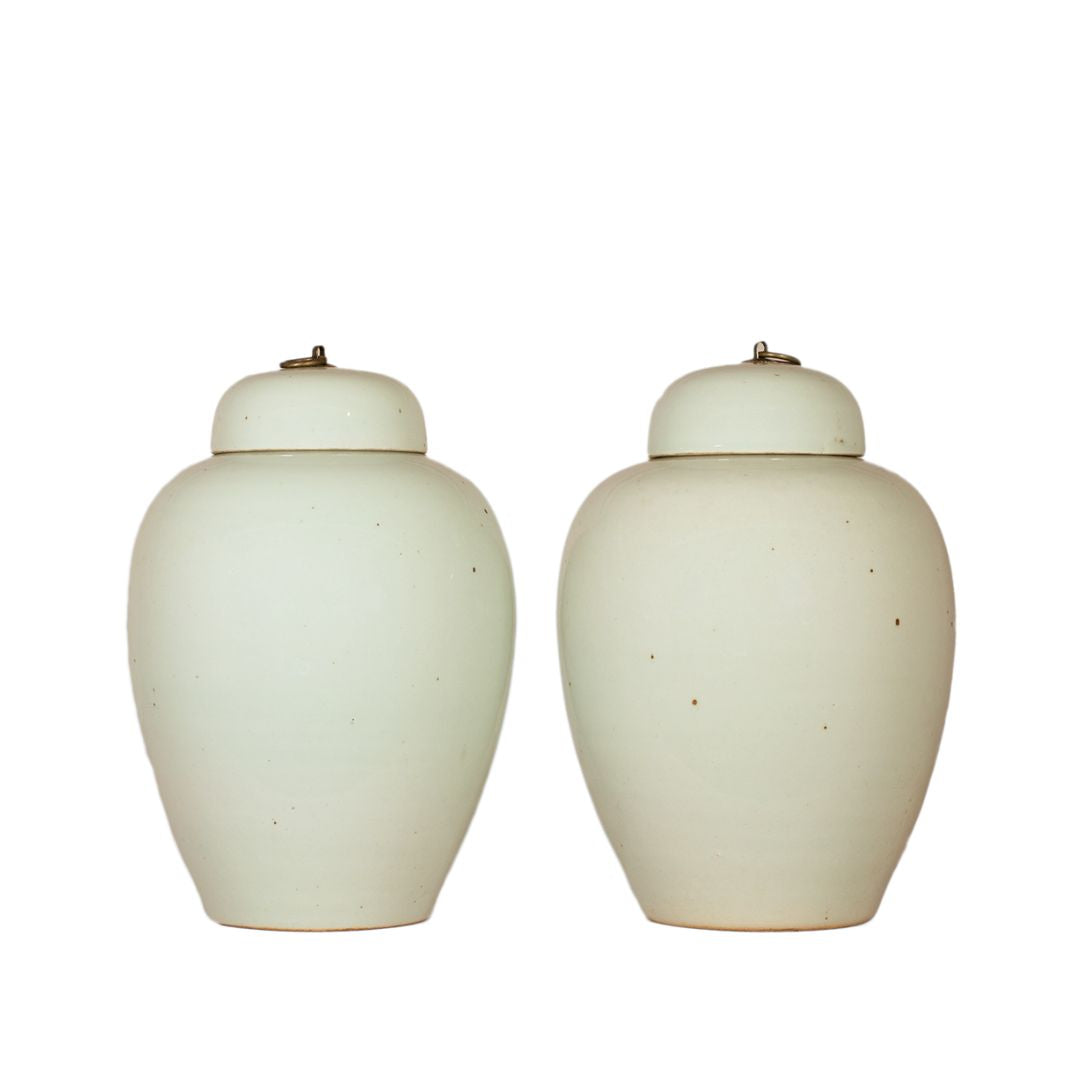
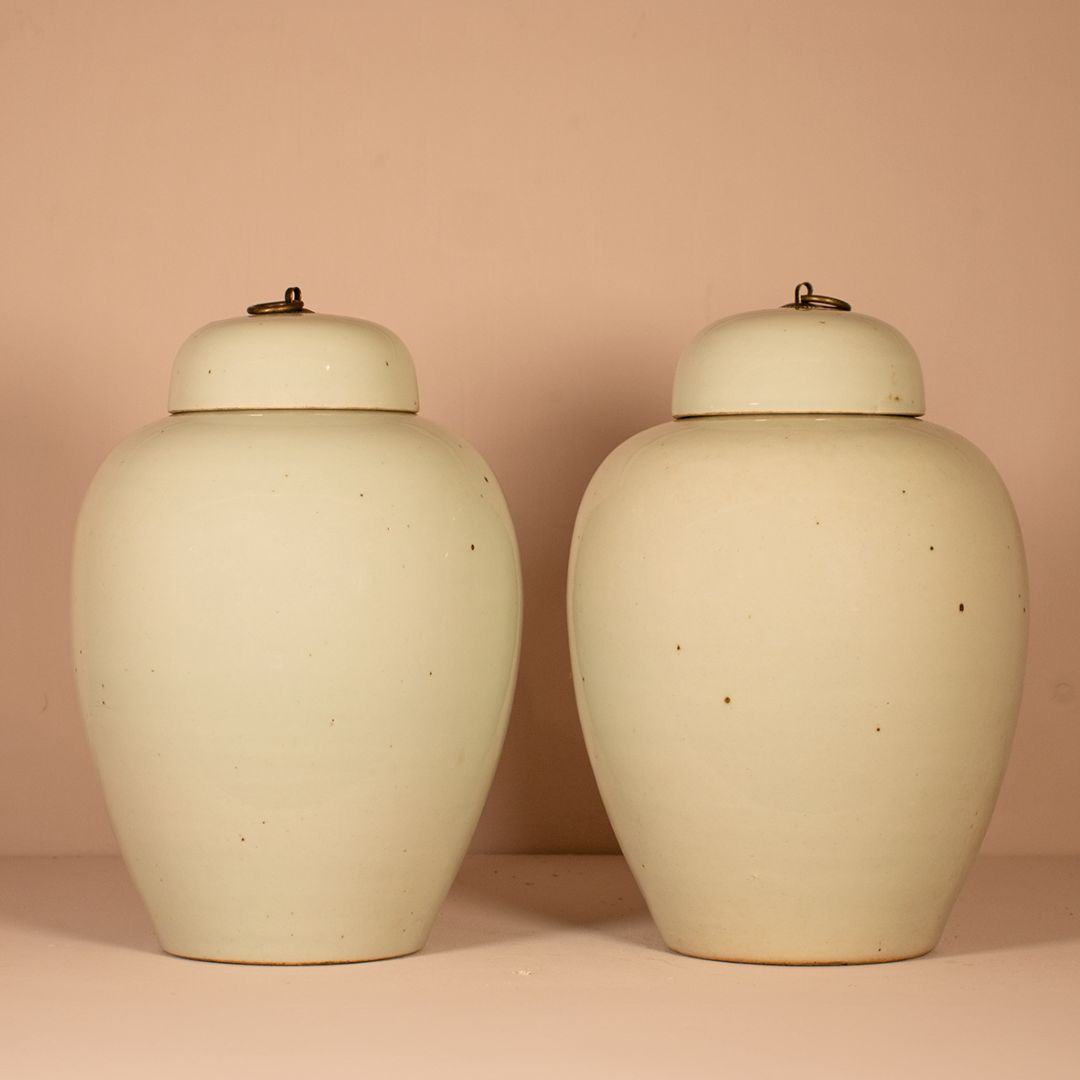
Chinese porcelain in blue and white and in coloured glazes: ginger jars and lidded jars, baluster and meiping vases, tulip vases, a nine-storey pagoda, brush pots and a fishbowl planter. Many pieces are painted by hand; others are decorated by transfer and finished by hand, as each product page states. All are high-fired and newly made after historical models.














Buying Chinese porcelain
At Kuzco Art Maison Chinese porcelain is more than an accessory for the home: it is porcelain art in a classical manner, with vases, lidded jars and tulip vases that give an interior the same layered richness as a well-arranged display cabinet. The collection has been put together with care for interior projects and private homes, in Amsterdam and far beyond.
Every piece is chosen and checked through art-historical research and connoisseurship. The house is directed by Lilly-Ann de Zeeuw, MA (UvA and VU: Museum Studies; Art, Market and Connoisseurship), who chooses the porcelain in person from established workshops in China. Appointments to view are possible in Amsterdam and Bleiswijk; shipments within Europe travel protected and insured.
How to recognise quality in Chinese porcelain
In Chinese porcelain, quality seldom lies in one visible detail. It shows in the relationship between material, form, painting and finish, and in the knowledge with which those elements are judged. The porcelain in this collection is chosen for its technical properties and historical coherence as much as for its appearance. The result is a group of objects with a strongly classical air: the aim is not to fake age but to reach, through careful work, the same calm, depth and ease as historical porcelain.
Material, body and glaze
Well-made Chinese porcelain starts from pure raw materials, with kaolin as its base. This mineral gives a hard, fine body that is high-fired and fully vitrified: dense, strong and barely porous. It is noticeable as soon as a vase or jar is lifted: Chinese porcelain weighs less than it looks and has an unmistakable ring.
The glaze also reveals quality. On good porcelain the glaze does not sit 'on top' of the object but forms one body with it. Hence its depth: subtle shifts of colour, a soft sheen and a surface that catches the light without reflecting it like a mirror. The collection shows this in classic blue and white, and also in delicate whites, green glazes and stronger colours. These technical choices give the pieces their characteristic aged look.
Painting, aged finish and detail
Many of the pieces are painted by hand. This shows in small variations in the brushstroke, in the thickness of the lines and in the way the motifs follow the form of each object. Such variation is not a flaw but the mark of the painter's skill, and it is exactly what brings porcelain to life.
On some pieces the cobalt-blue decoration is applied by transfer. It is a deliberate choice, used to give a piece the air of an object with a history. The aim is conviction rather than perfection: porcelain that looks as though it has been in the same house for generations. This keeps the pieces more accessible than an antique while losing none of their visual appeal.
Iconography and art-historical meaning
Quality also lies in what is depicted. Flowers, dragons, landscapes and symbols are not arbitrary ornament: they point to ideas such as prosperity, protection and continuity. With her training in art history and connoisseurship, Lilly-Ann de Zeeuw weighs coherence, proportion and historical logic in these scenes as well as beauty. The result is a choice of objects that belong both in an interior and in a long cultural tradition.
Well-made porcelain versus decorative imitations
Decorative imitations tend to be heavier and cruder, with a coarser body and a flat, uniform glaze. Their motifs repeat, symmetrical and without nuance: striking from a distance, but lacking depth and conviction. Well-made Chinese porcelain, by contrast, shows tension in its form, subtlety in its colour and a finish that stands up to time and daily use.
The porcelain chosen here goes beyond decoration: objects in a classical manner, conceived as sculptural accents in carefully designed interiors. They are not antiques in the strict sense, which sit in a different price bracket, but new pieces with the same serenity, quality and cultural weight. That is precisely what our clients look for.
The Chinese porcelain collection at Kuzco Art Maison
The porcelain collection has been built the way an interior is approached: with a curator's eye and attention to origin, formal language and placement. Each piece is picked with art-historical research and a knowledge of styles behind it, looking for balance in the silhouette, depth in the glaze and conviction in the decoration. The result is Chinese porcelain in a classical manner, more affordable than a scarce antique yet with the same richness of nuance that gives an interior its character. Interior designers, interior shops and decorators in more than ten countries work with Kuzco Art Maison; visits to Amsterdam or Bleiswijk are by appointment.
Tulip vases
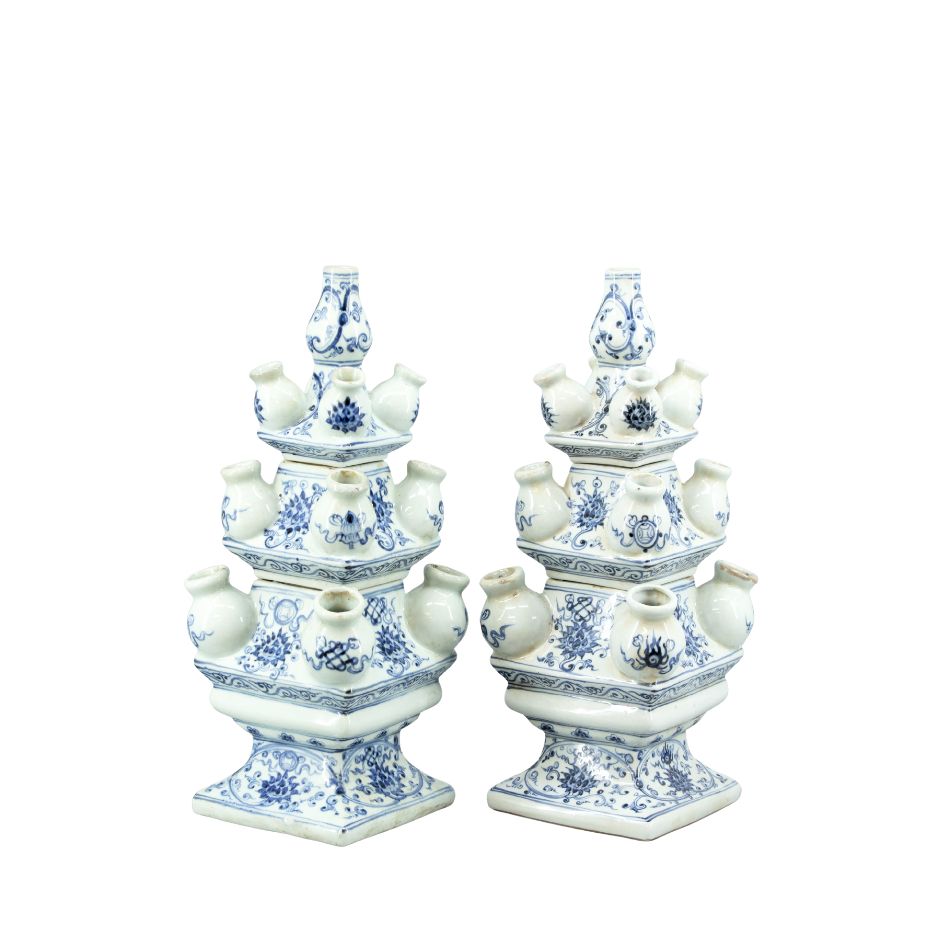
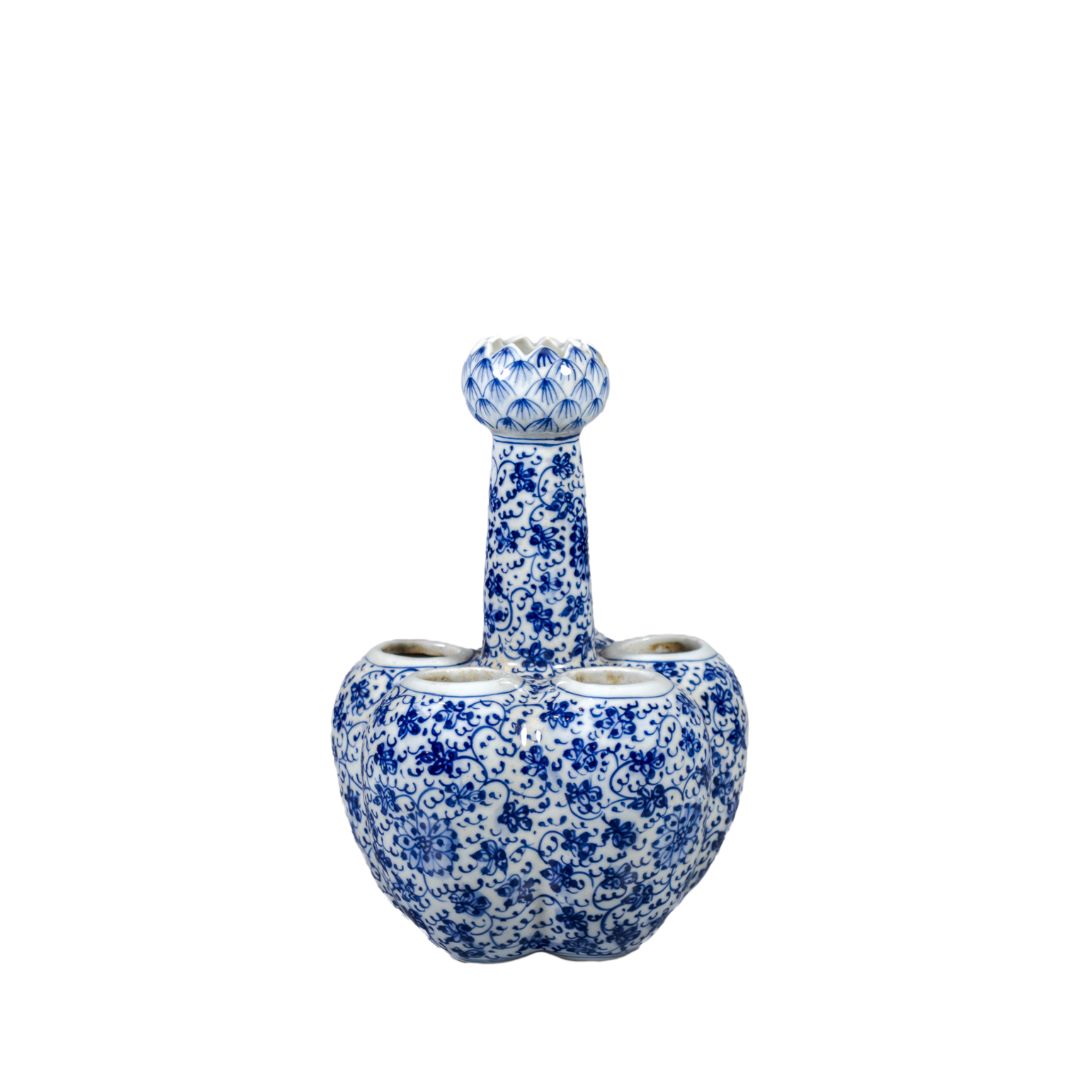
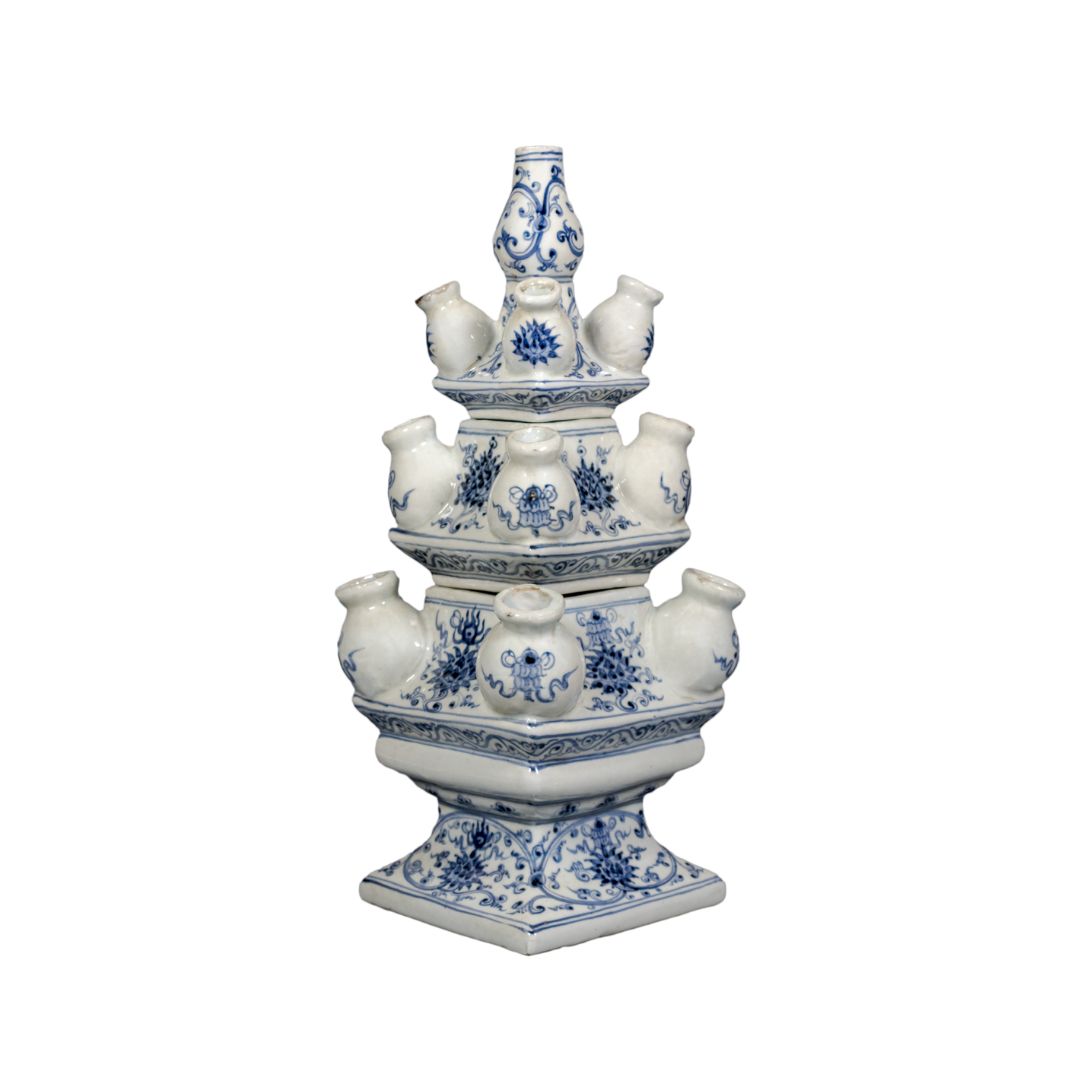
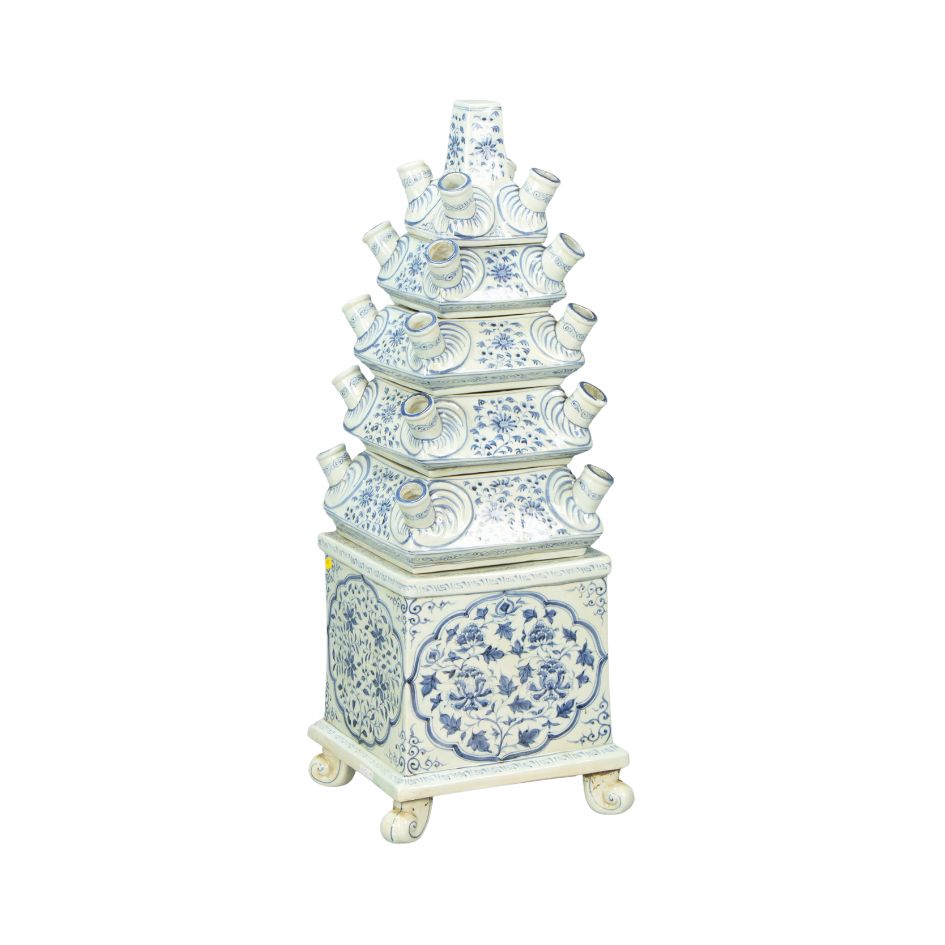
Our tulip vases are sculptural objects with an architectural structure: most rise in several tiers, and all bring rhythm and height to console tables, chimneypieces and dining tables. Models such as the Amélie tulip pyramid, in three stacking sections, are made by hand and painted with floral motifs in shades of cobalt blue. Their subtly aged finish strengthens the classical look: porcelain that seems to have passed through generations in the same house.
Ginger jars
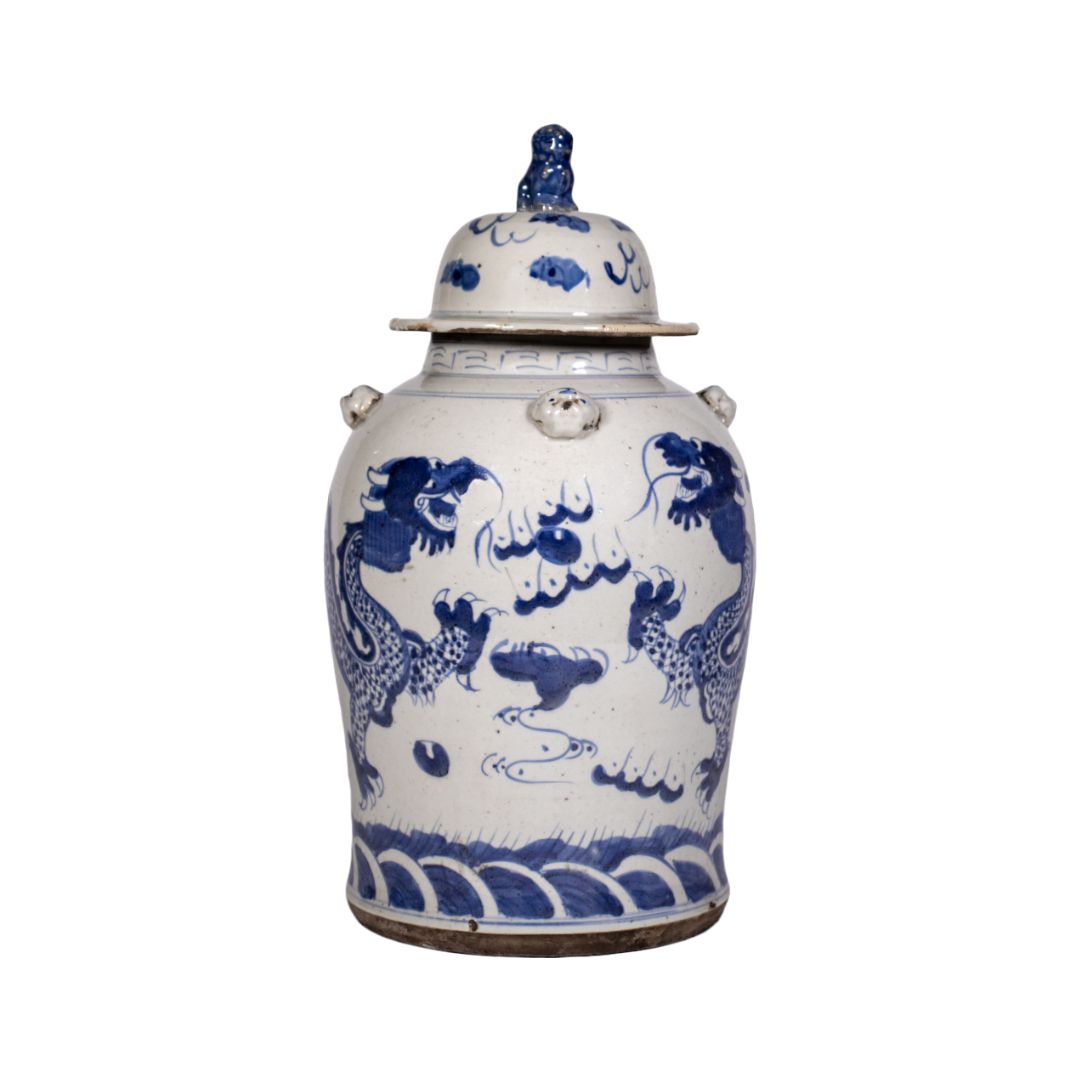
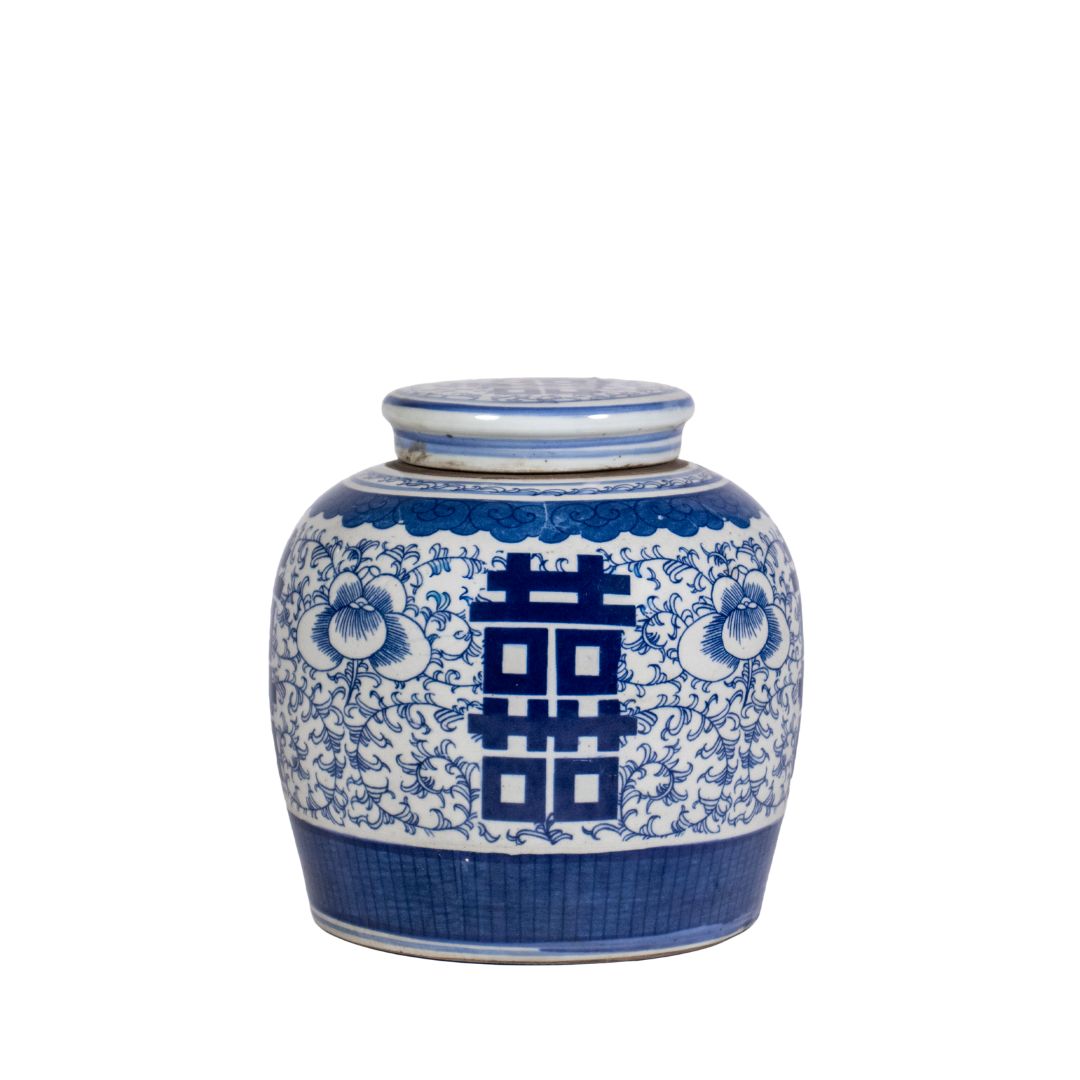
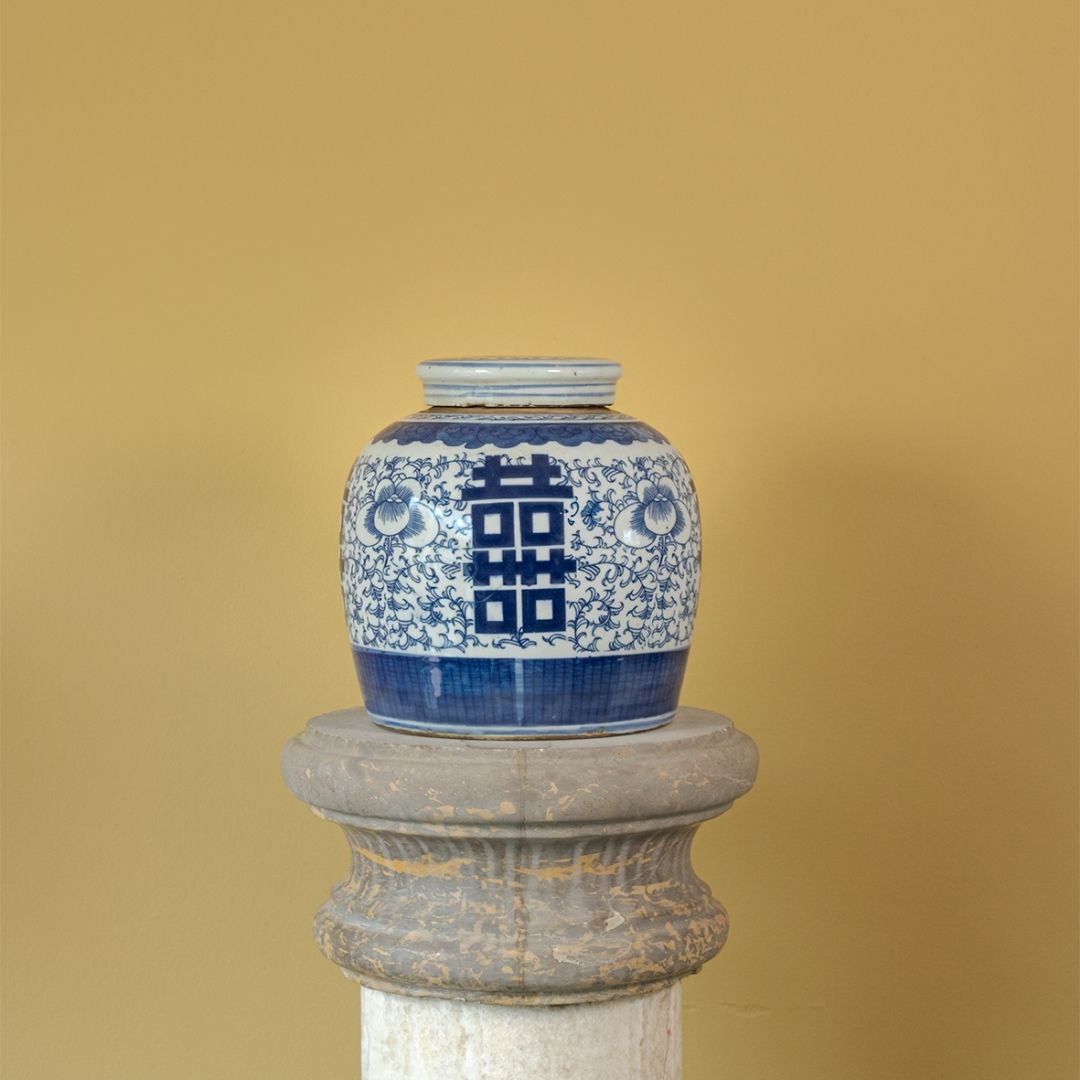
The ginger jars are made for symmetry and composition: in pairs beside a chimneypiece, on a sideboard or in an alcove. The collection includes blue and white ginger jars in the traditional form, many of them painted by hand, among them the dragon motif, which Chinese tradition associates with protection, happiness and imperial rule. 'Ginger jar' is the conventional name under which museums catalogue this form. In an interior today these jars carry a strong cultural charge.
Chinese vases
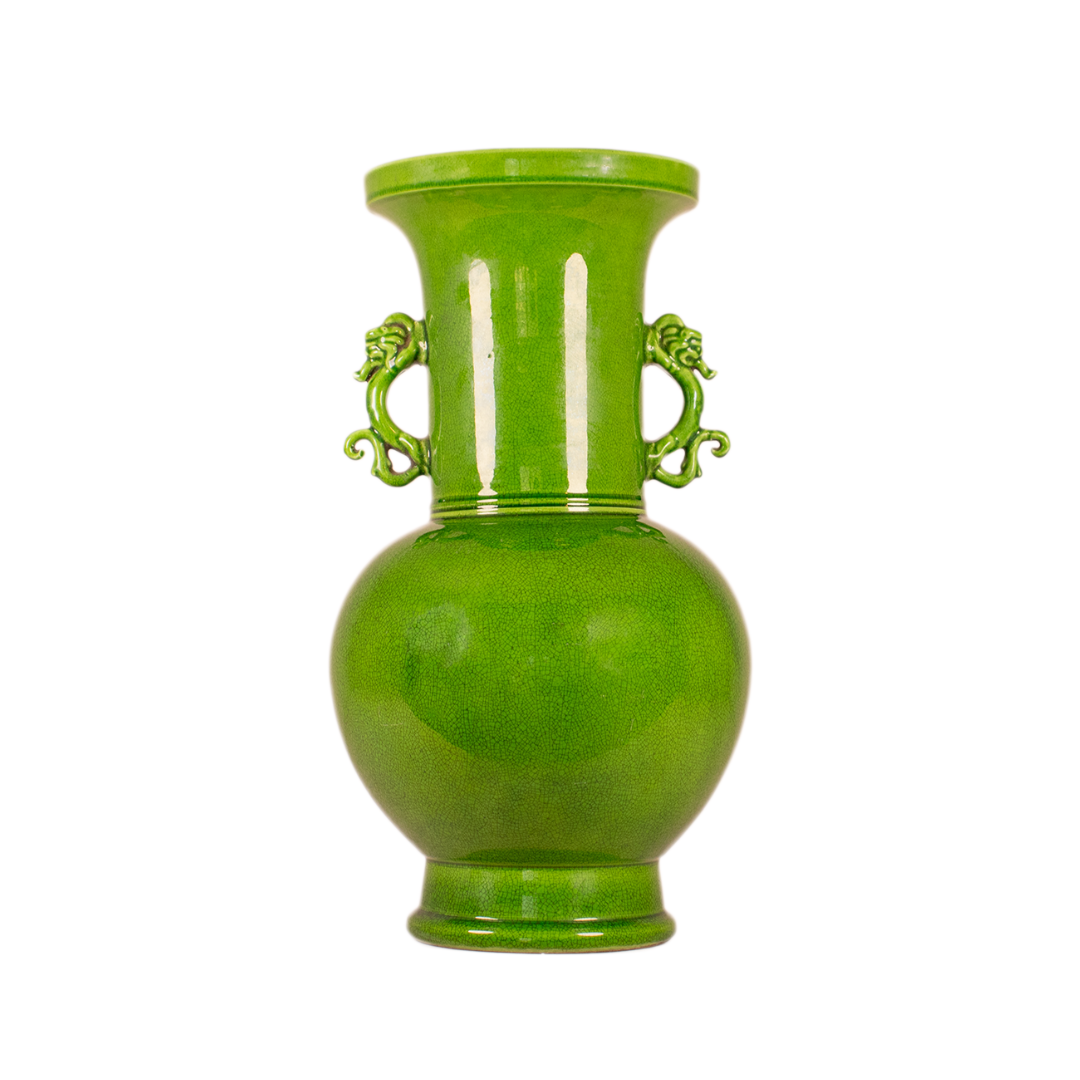
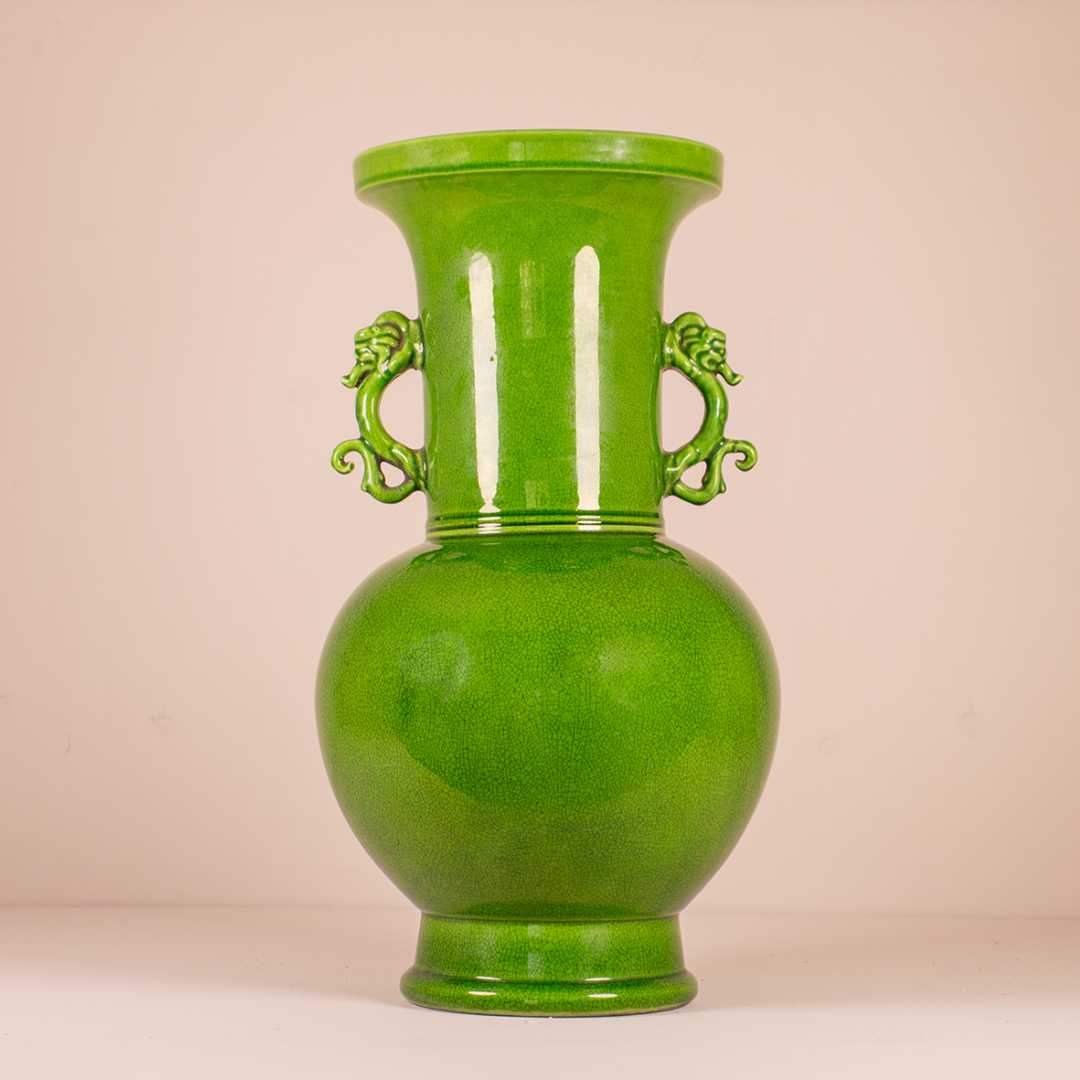
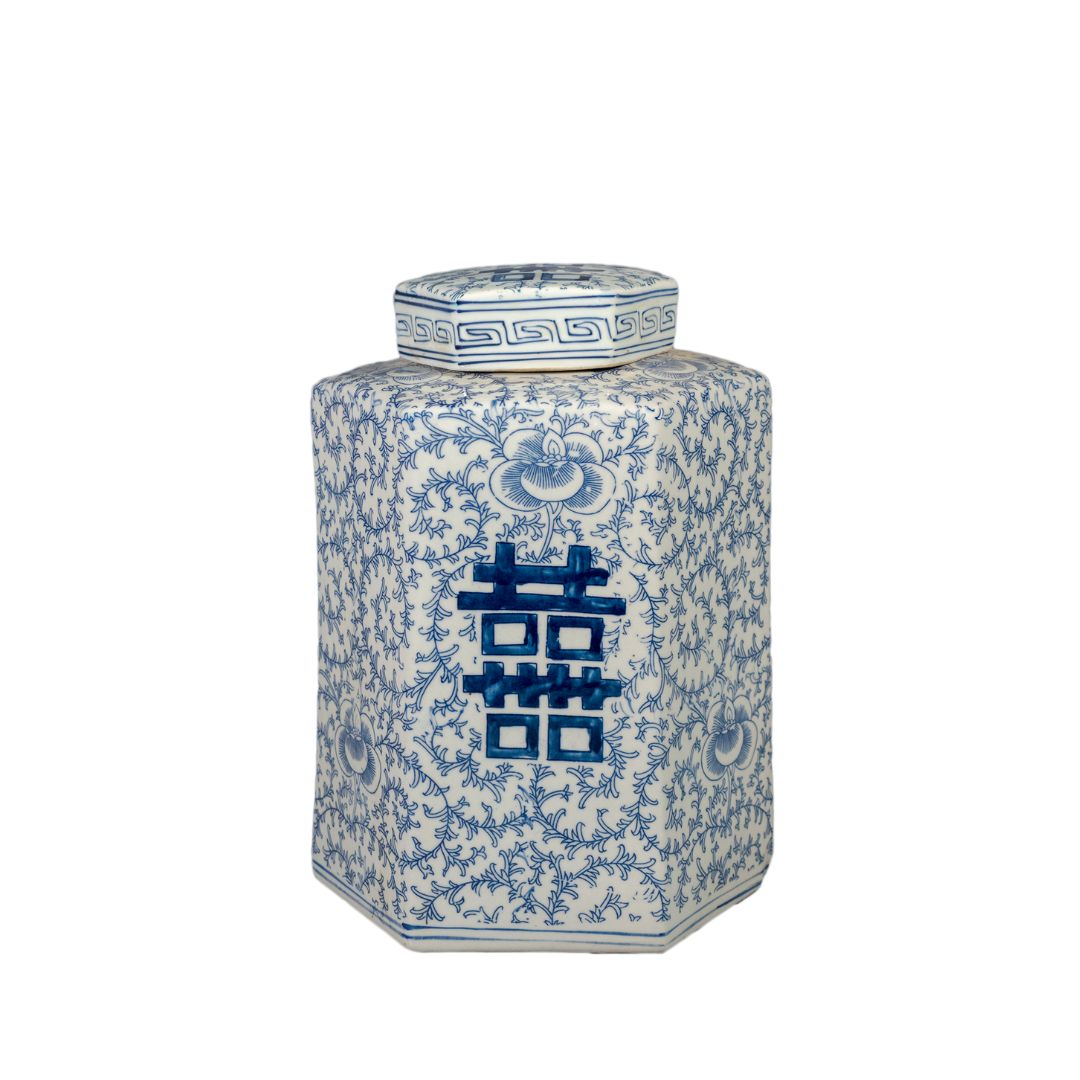
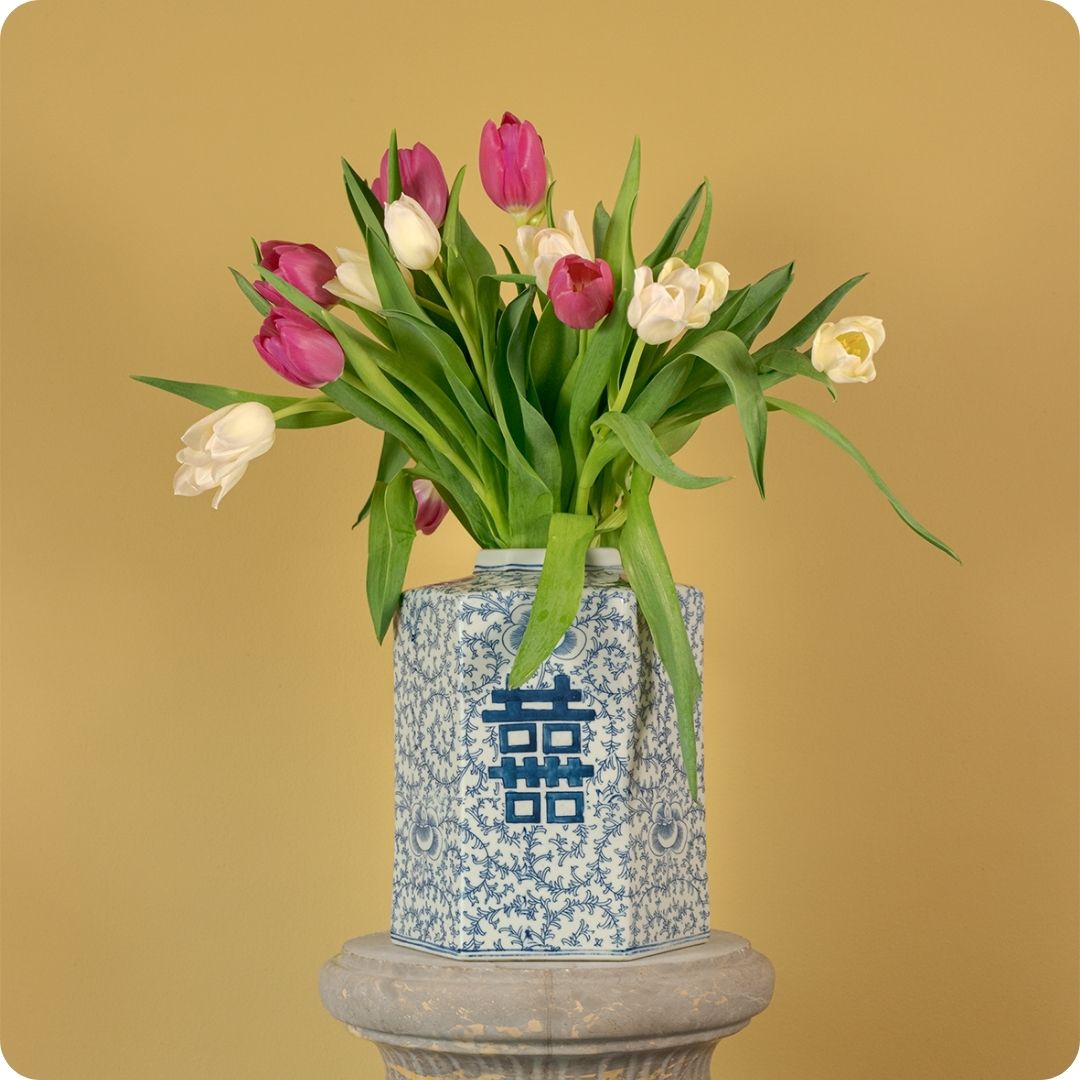
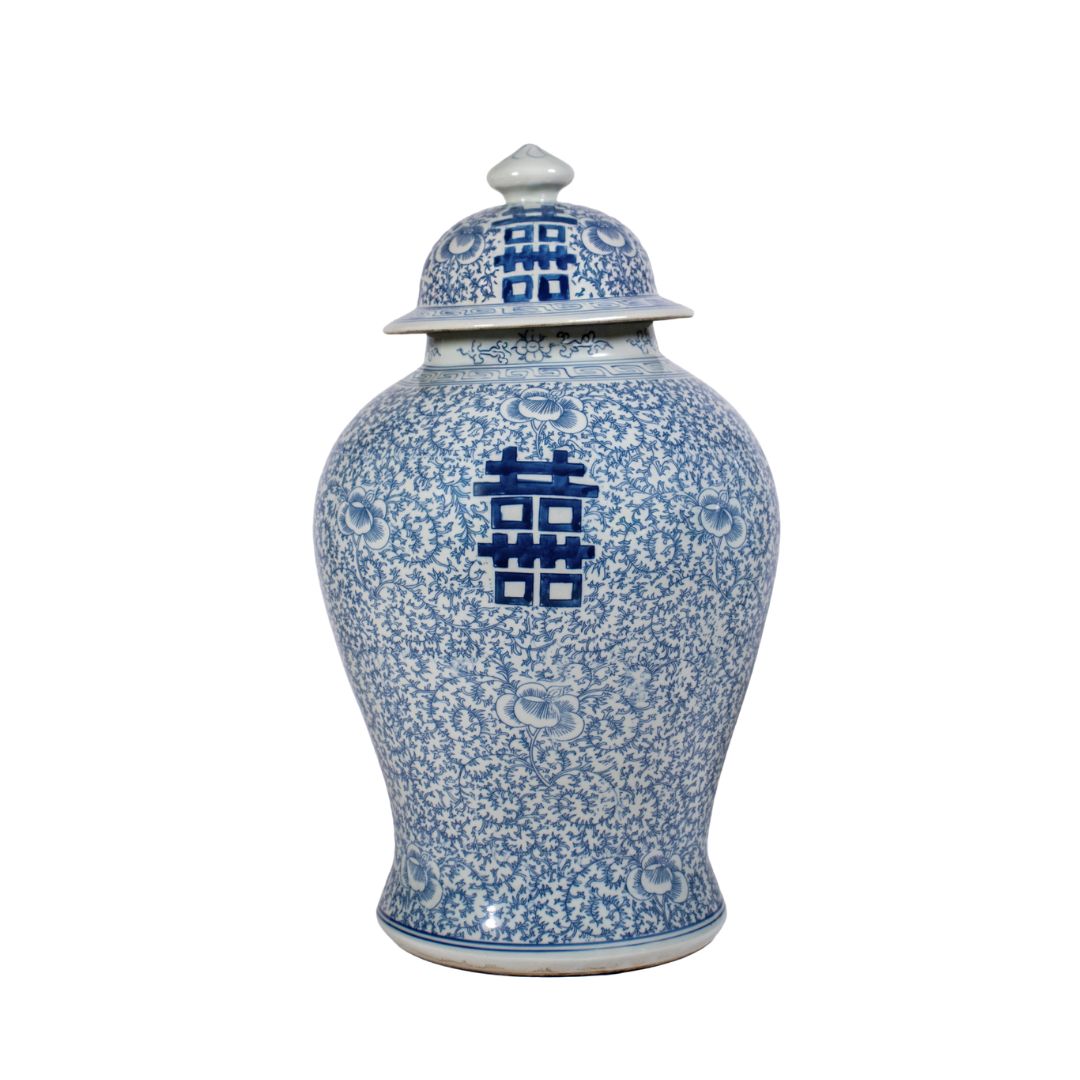
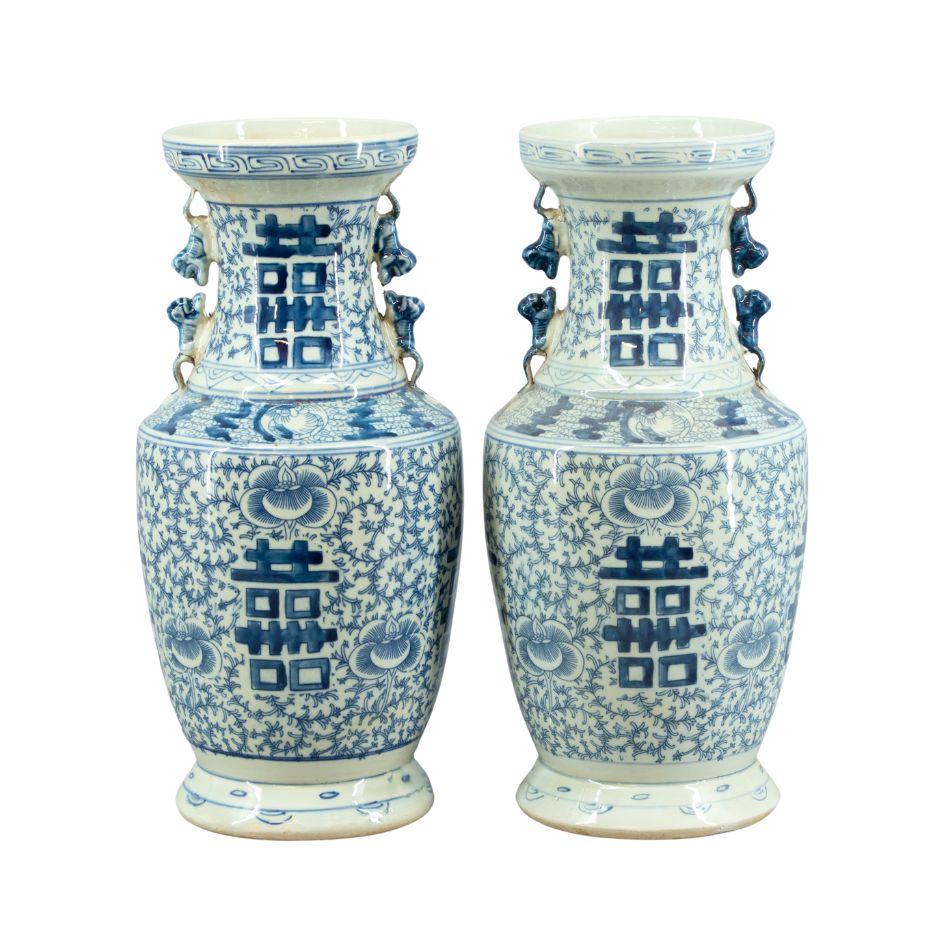
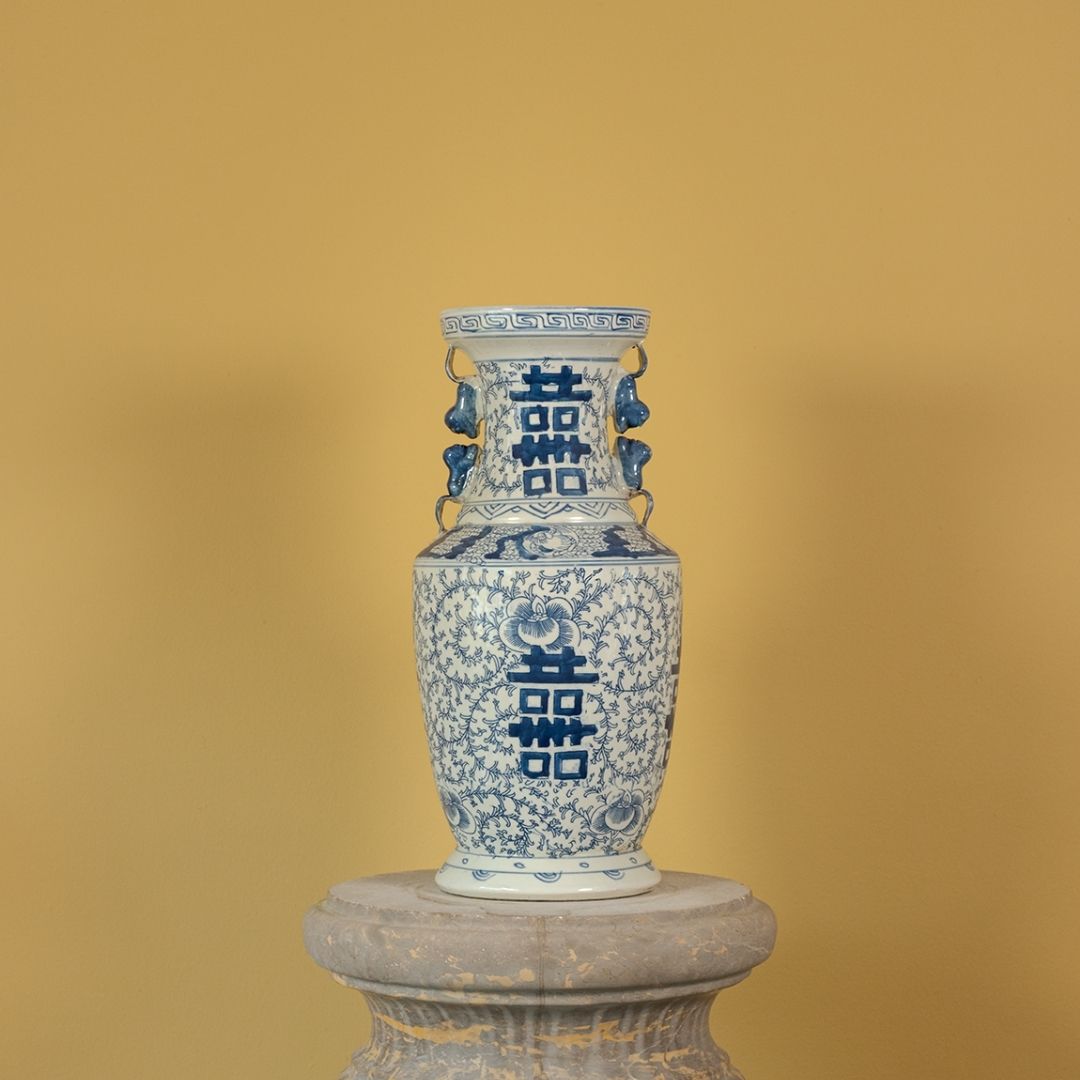
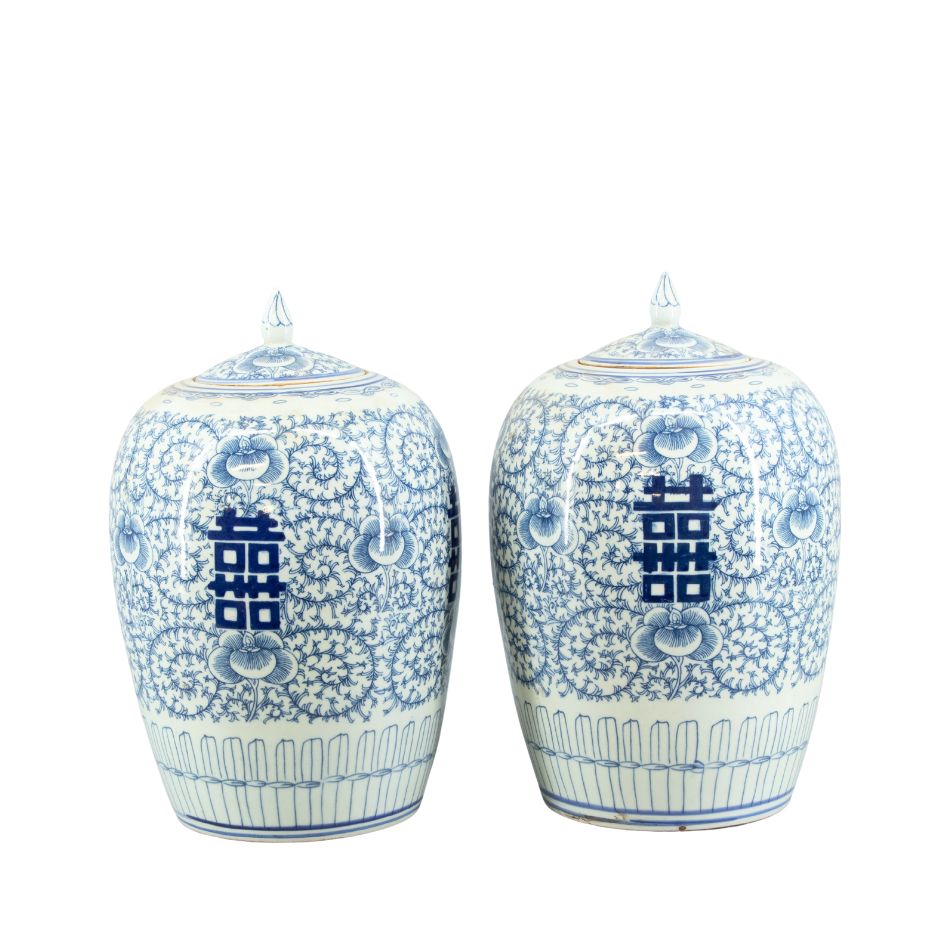
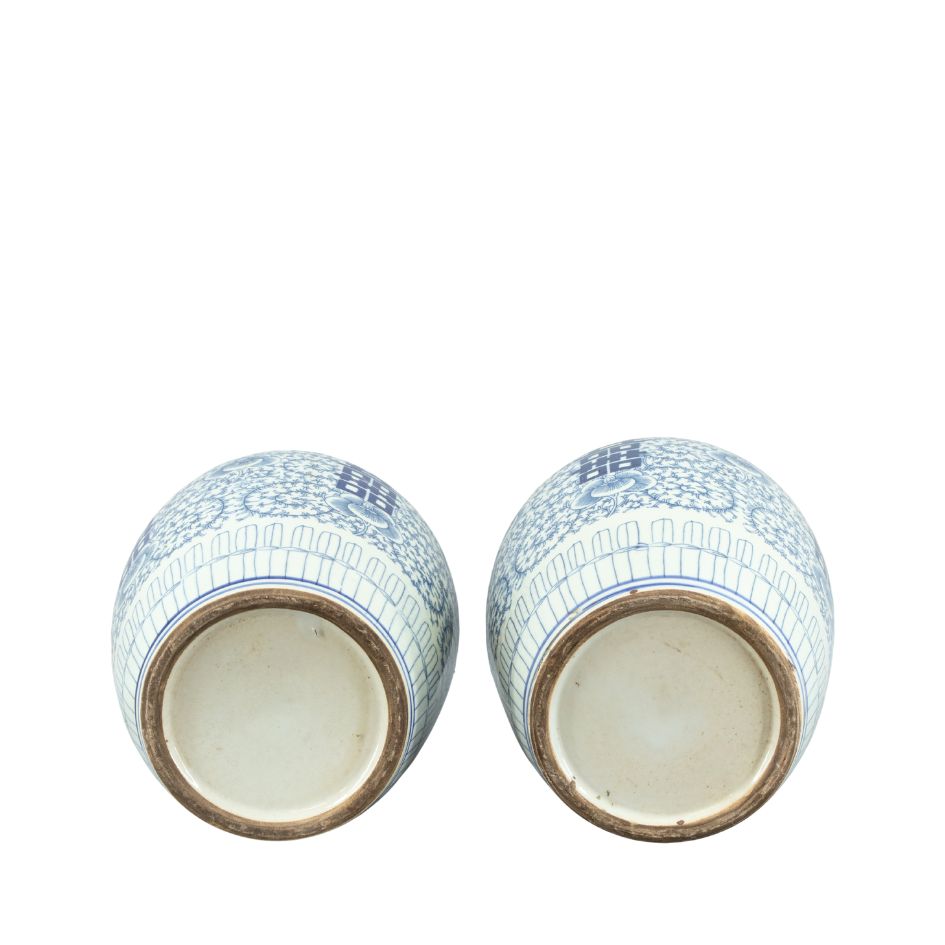
Our Chinese vases are led by full, rounded forms such as baluster vases, which read as classical or modern depending on where they stand. The Longevity pair shows this well: a cobalt-blue floral scroll applied by transfer, which gives a very precise line, with the 囍 character for double happiness added afterwards by hand; despite the model's name, it does not carry the shou character for longevity. The vases are formed by hand and finished with slight, intentional irregularities that reinforce their classical air.
Lidded jars and potiches
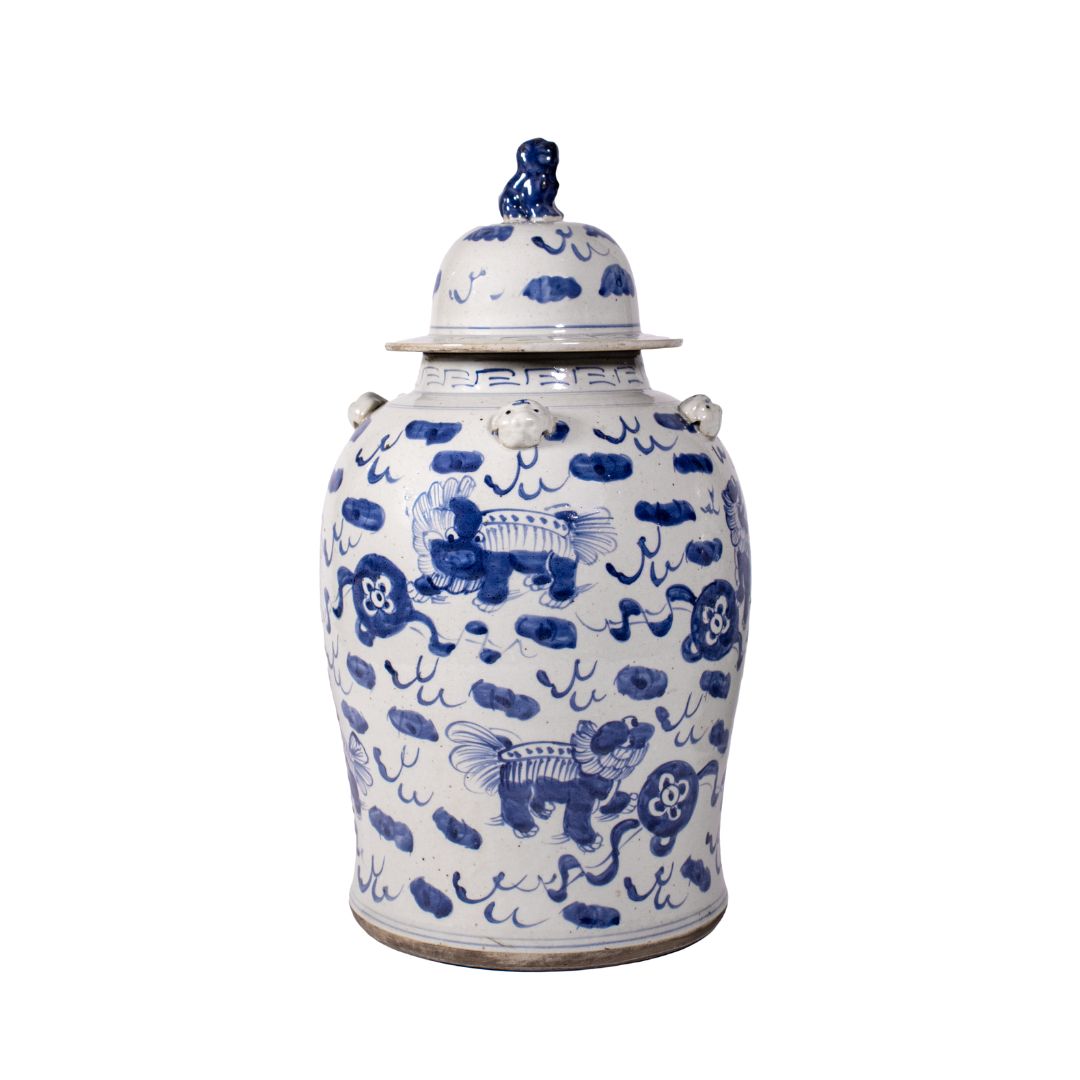
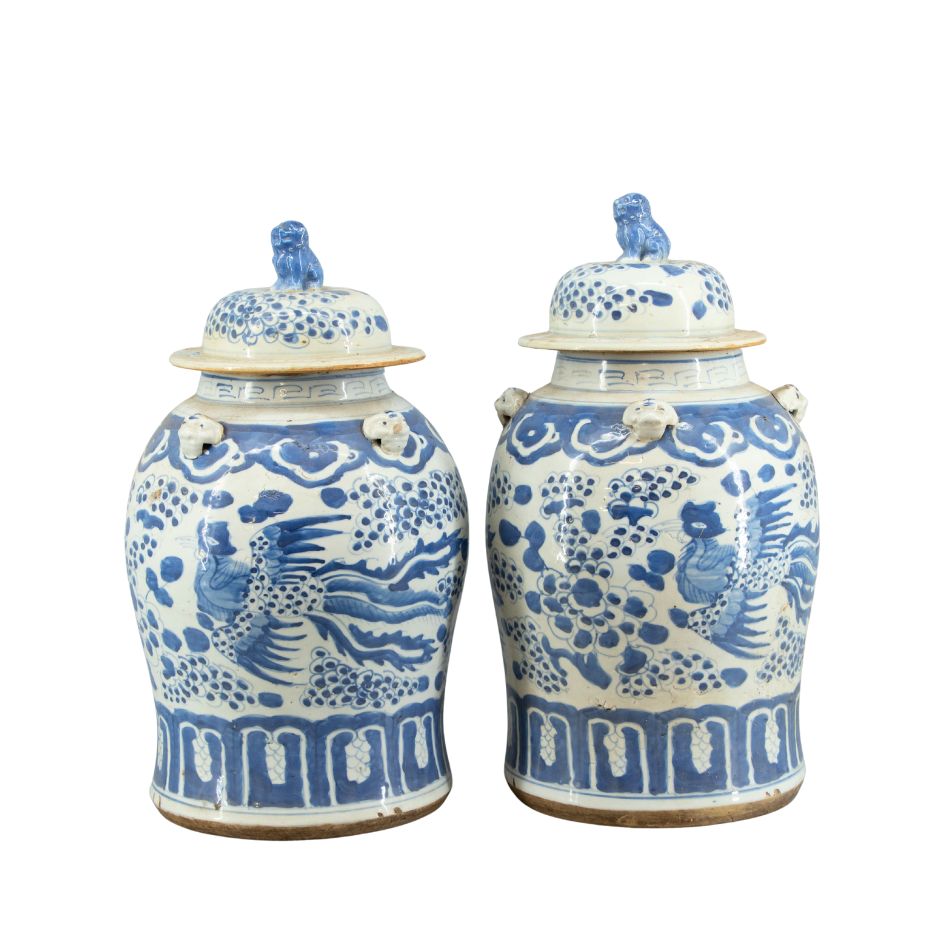
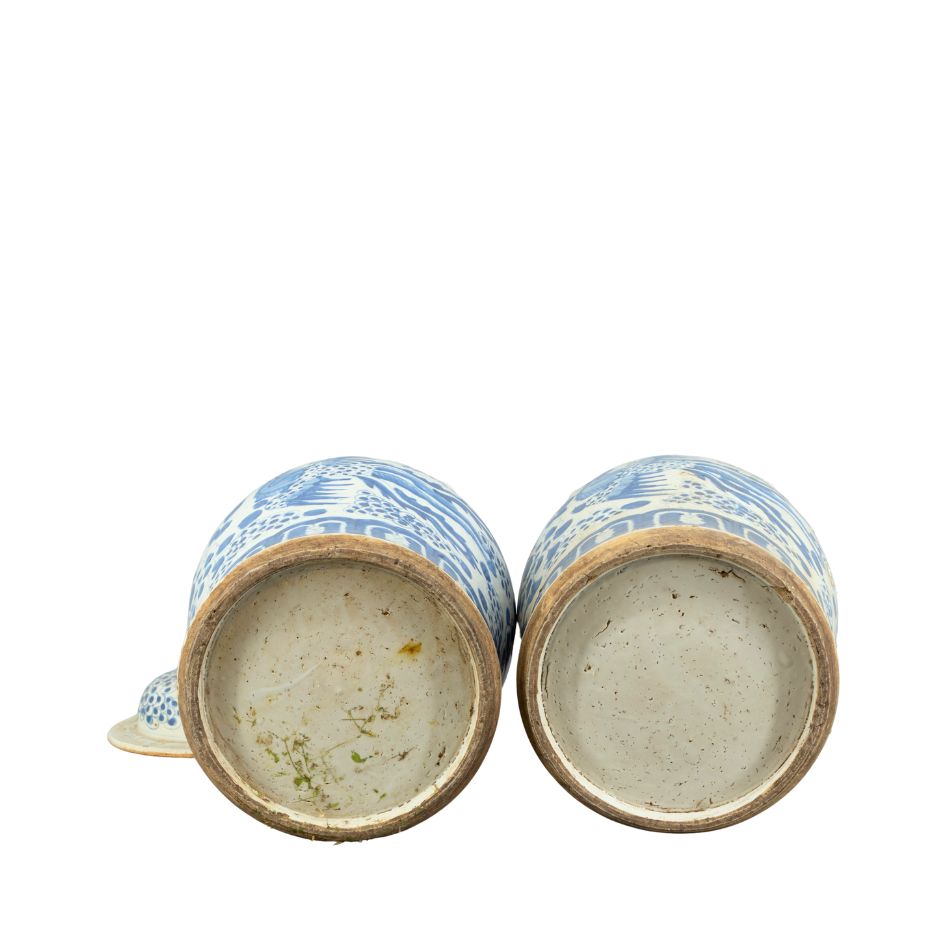
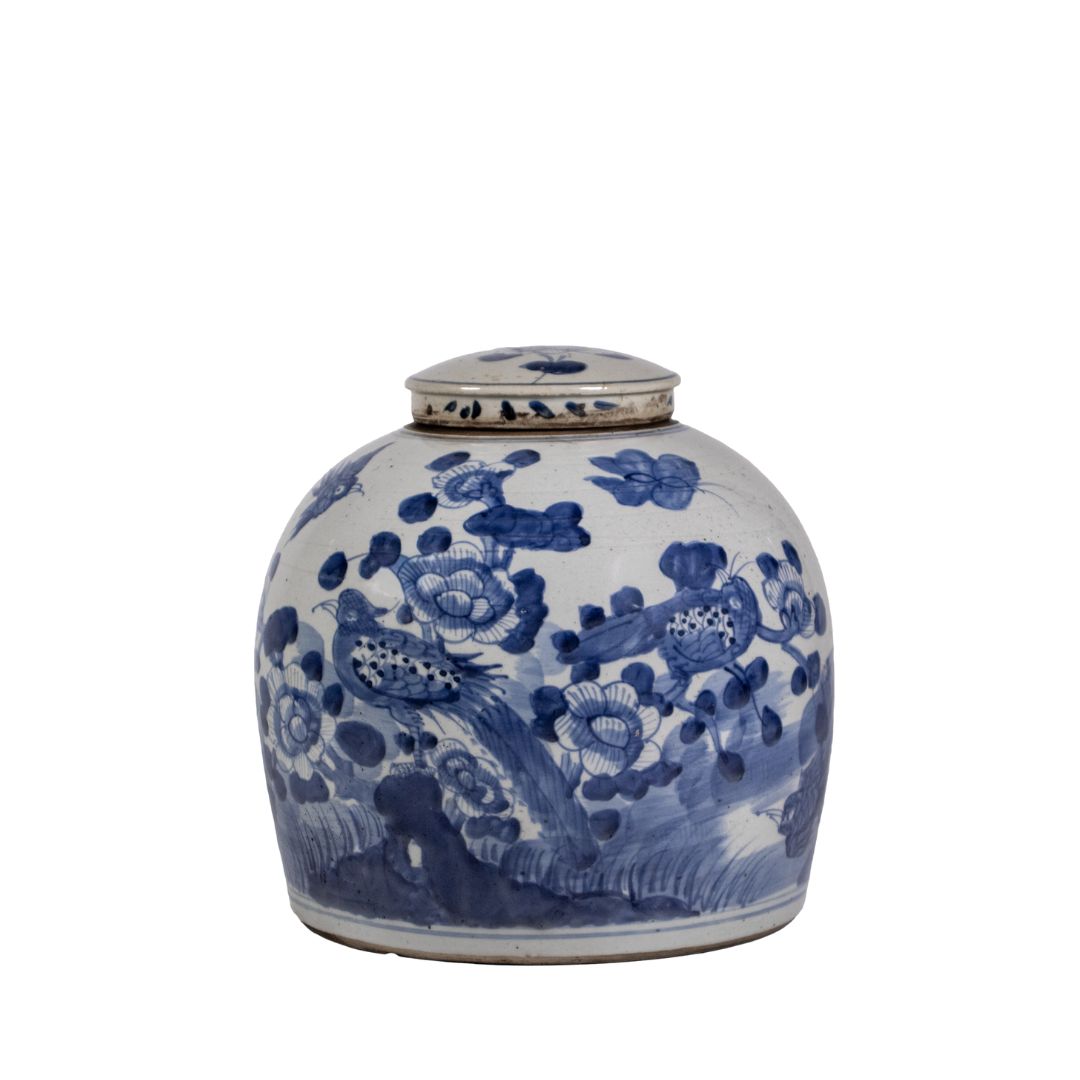
Phoenix lidded jar in blue and white porcelain, 45 cm high: lidded jars and potiches like this one are porcelain pieces with real presence that suit almost any interior. Their closed forms bring calm and weight to a room and sit well in display cabinets, on mantelpieces and on console tables. This jar is painted entirely by hand in cobalt blue, with motifs running round the whole body, among them the phoenix, a bird held in high regard in Chinese tradition, and a lid crowned by a Foo dog, the guardian lion of Buddhist temples.
Frequently asked questions about Chinese porcelain
Is this antique or contemporary Chinese porcelain?
The collection consists of contemporary Chinese porcelain with a carefully worked aged finish: new pieces whose finish, forms and decoration refer to models from art history, such as Kangxi-revival tulip vases, blue and white ginger jars and baluster vases. Genuinely old porcelain usually trades in a different market at very different prices: it is scarcer, more fragile and much sought after by collectors, in China too. The pieces here are chosen to evoke the atmosphere and richness of an antique while suiting the Western market and remaining accessible for interior projects.
How can hand-painted porcelain be recognised?
Hand painting shows nuance: small variations in brush pressure, in the line and in the density of the pigment. The motifs follow the shape of the vase or jar naturally, and the decoration never looks 'printed' or identical from one piece to the next. Many pieces in the collection are painted by hand. On some blue and white pieces transfer is used for very crisp, graphic lines, a choice in keeping with classic cobalt blue. Transfer can be recognised by the tiny dots left by the printed sheet, in place of the continuous stroke of a brush.
Are small variations normal?
Yes: small irregularities are part of the character of these pieces. In porcelain finished by hand, subtle differences are normal and welcome: a blue that shifts slightly in tone, a little movement in the glaze or small irregularities in the aged finish. They are not defects but traits of handwork and of the intended character: porcelain that does not look fresh from the factory, but convincing and alive.
Do you also sell to private clients?
Kuzco Art Maison works mainly for professionals: interior designers, interior shops, decorators and interior projects. Private clients are welcome too and pay the recommended retail price, which keeps prices consistent across the market.
What is the difference between porcelain and earthenware?
The essential difference between porcelain and earthenware starts with the material. Good Chinese porcelain is made with kaolin, a very pure white clay whose name comes, through the French kaolin, from Gaoling, 'high hill', the Chinese hill where it was first dug. Jingdezhen was the historical heart of porcelain production in China. It was there, and in China before anywhere else, that potters mastered this clay and combined it with petuntse, a feldspathic stone, to make porcelain as it is known today.
Porcelain is high-fired and fully vitrified: the body becomes hard, dense and barely porous. Glaze and body fuse into one, which gives porcelain its luminosity, its fineness and the almost musical note it makes when lightly tapped.
Earthenware, by contrast, is fired at a lower temperature, stays more porous and has thicker, heavier-looking walls. Its glaze sits on the object rather than being bound into it. In interiors, where form, delicacy and the play of light are essential, porcelain therefore offers a quality and a look quite distinct from earthenware.
What should be looked for in blue and white Chinese porcelain?
Look at the balance of the decoration: how the motif follows the form, the calm of the empty spaces and the depth of the cobalt blue. Good blue and white pieces do not have a flat, uniform colour, but nuance in the pigment and the brush, or else a cleanly executed transfer line. In an interior, blue and white porcelain often acts as a graphic counterpoint, adding rhythm and contrast without shouting.
For personal advice, contact us by email or telephone, or visit the workshop by appointment.
What do motifs such as the dragon, the phoenix or the shou character (longevity) mean?
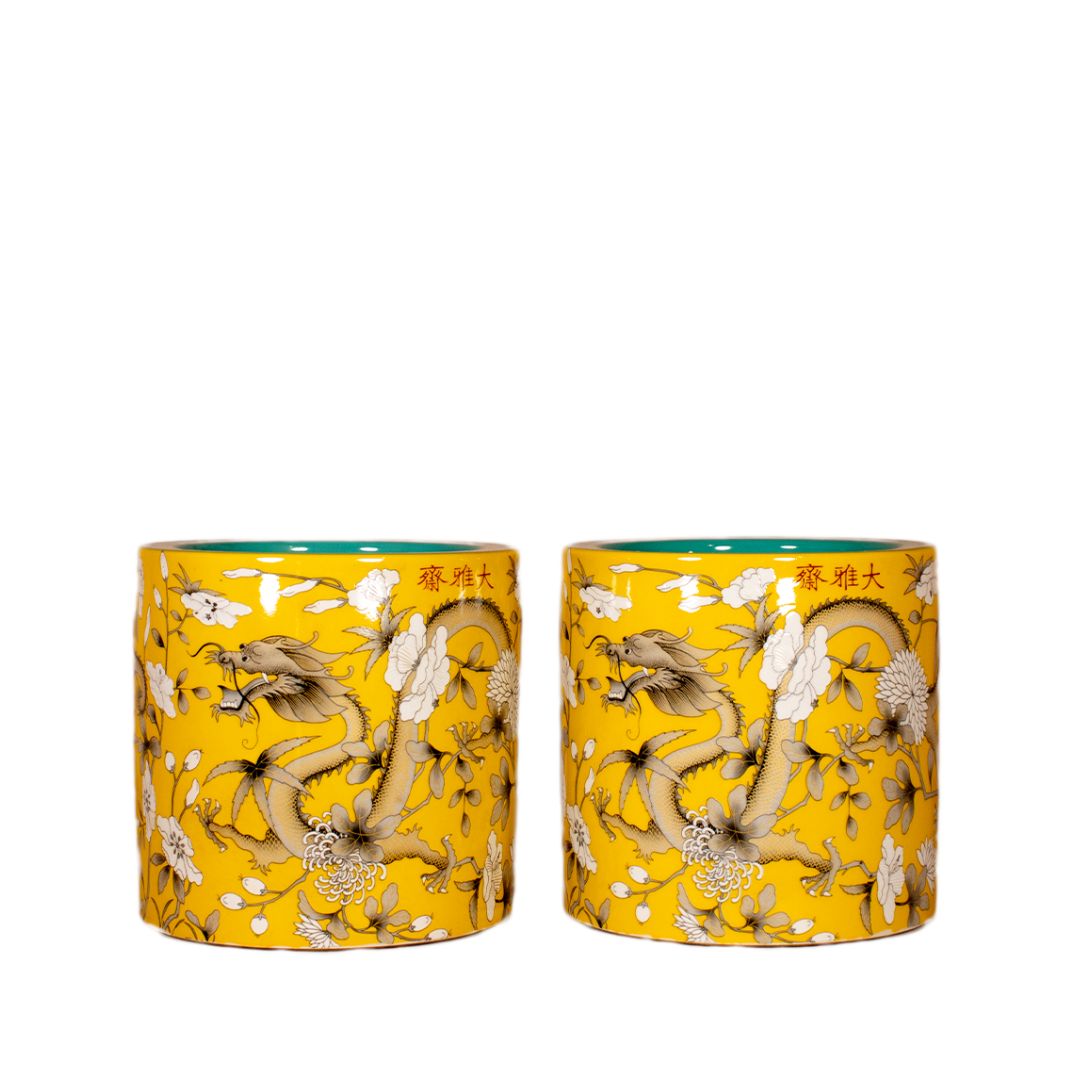
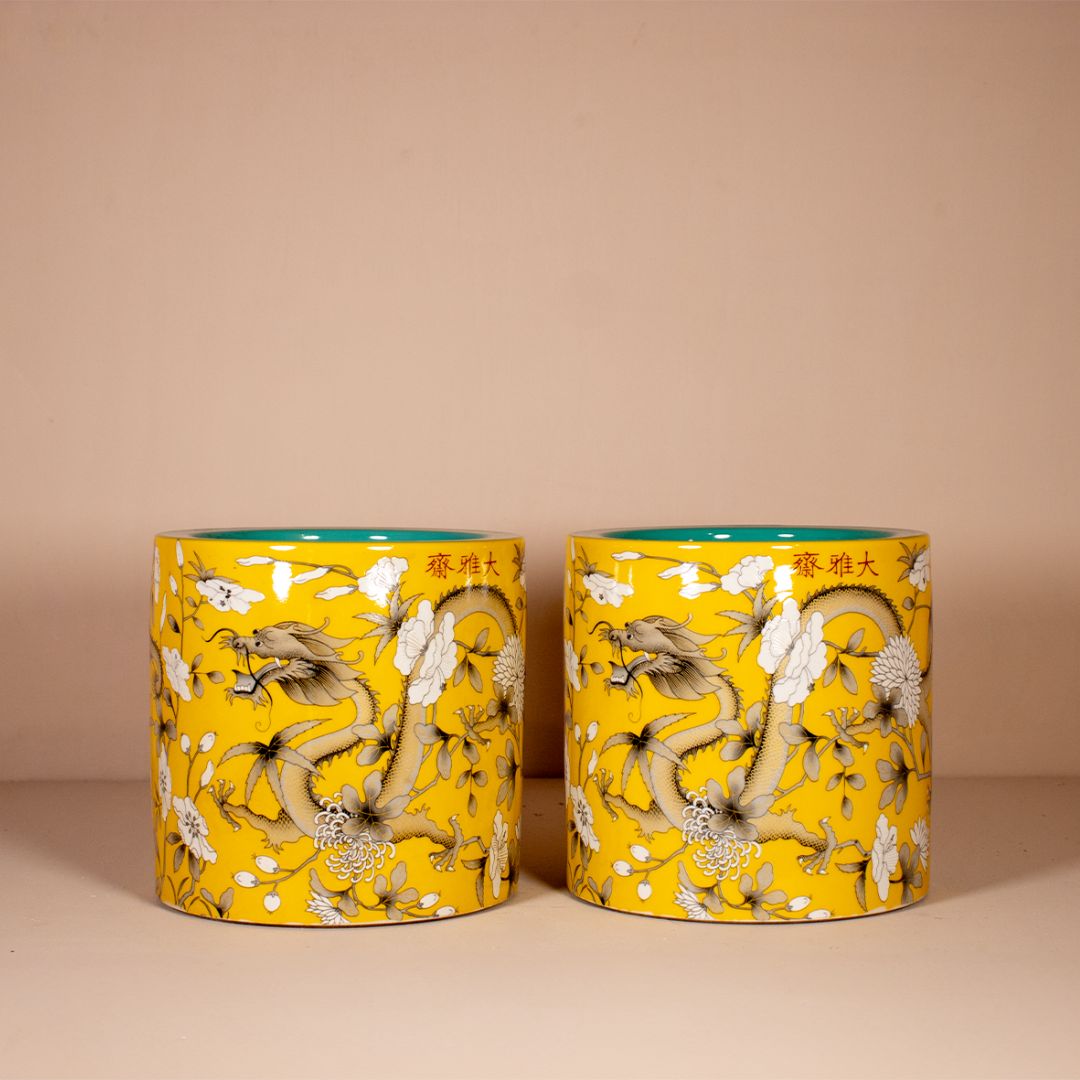
Many motifs on Chinese porcelain carry symbolic meaning. The dragon is traditionally associated with protection, happiness and imperial power. The phoenix, the noblest of birds in Chinese tradition, is said in legend to appear when peace and prosperity reign. The shou character (壽) stands for long life. This visual language gives porcelain added weight: what is placed in a room is not only a vase or a jar but an object of cultural meaning, quietly present in the space.
Is porcelain better placed in pairs or as a single piece?
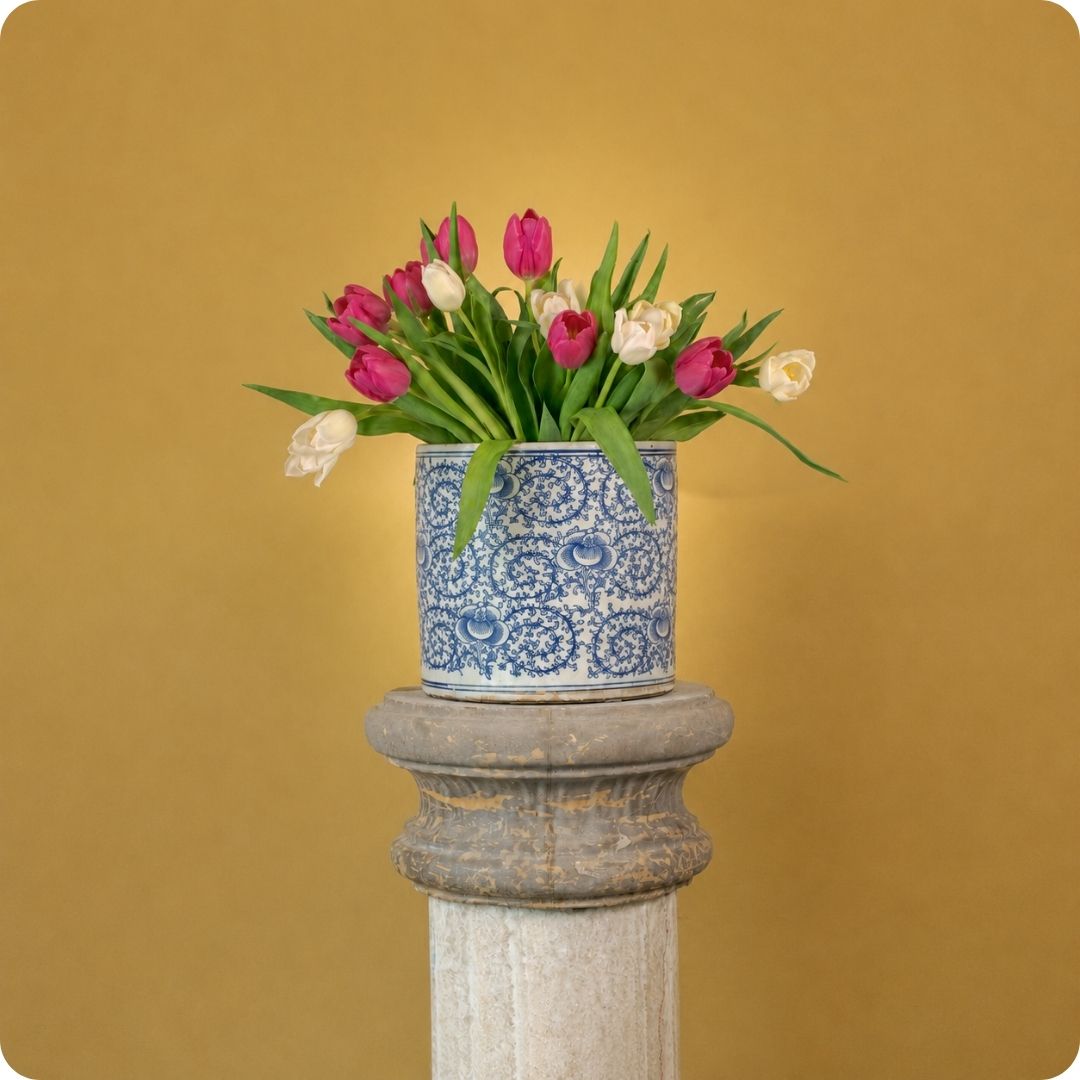
Both work, but sets and pairs have a clear advantage in decoration: they bring symmetry and calm. Lidded jars and ginger jars are often arranged in pairs on a mantelpiece or a sideboard. A single sculptural piece, such as a tulip vase, looks best on its own on a console table or a pedestal. Advice usually depends on the space, the sight lines and the concept of the project.
How should Chinese porcelain be cared for at home?
For everyday care a soft, dry cloth is enough to remove dust from time to time. Avoid harsh cleaning products and abrasive materials, which can dull the glaze. For light cleaning, use lukewarm water and dry at once. Place porcelain somewhere stable and out of the way, and on natural stone or lacquered wood put a discreet non-slip pad under the foot.
Is Chinese porcelain suitable for hospitality and interior projects?
Yes, given the right scale and position. In hospitality, porcelain works well as a sculptural accent in lobbies, suites, reception areas and alcoves. Its classical air brings depth and a 'collected' feel at once. We often work on carefully designed interiors in which porcelain is seen not as decoration but as part of the whole experience.
How is porcelain packed and shipped?
Porcelain calls for care. It is packed to protect the form, the rim and the foot, cushioning against knocks and avoiding pressure points. For large orders or delicate pieces, shipping is arranged with safe handling in mind. For clients in Europe, transport is organised with reliability and risk reduction in view, from showroom or workshop to the final interior.
Can the porcelain be seen in a showroom?
Yes, by appointment, in the Amsterdam and Bleiswijk showrooms. Interior professionals receive help with the selection, combinations and placement of each piece according to the concept of the project, so that the porcelain never ends up placed at random but truly completes the room.